-
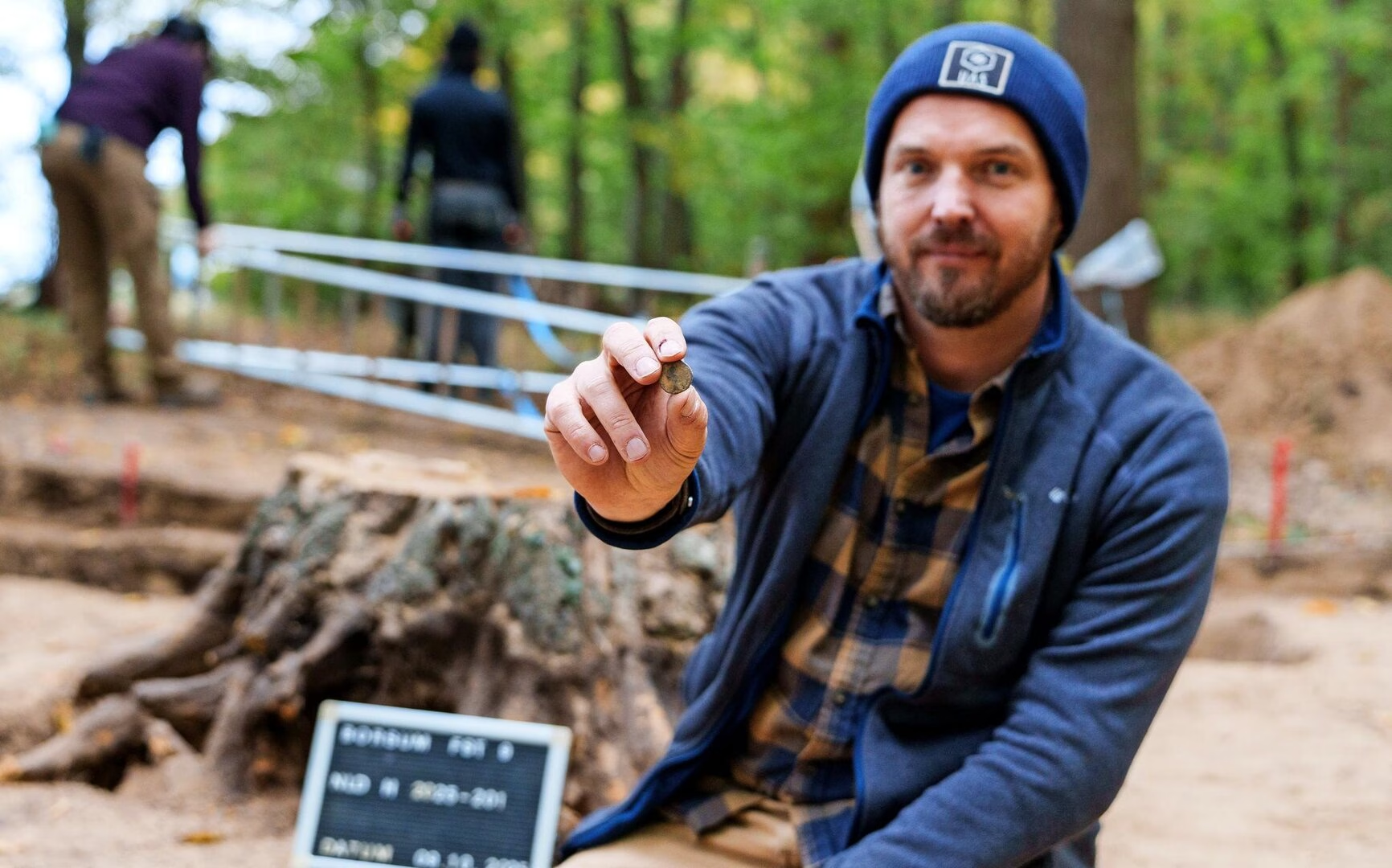
Roman Silver and Gold Hoard Illegally Excavated in Lower Saxony Finally Revealed After 8 Years of Secrecy
A vast Roman-era hoard hidden for eight years has come to light in Lower Saxony, Germany — after the man who secretly unearthed it finally confessed to authorities. In 2017, metal detectorist Jannik Pauli illegally discovered a remarkable Roman coin and silver hoard near Borsum, in the Hildesheim district. The cache included around 450 silver…
-
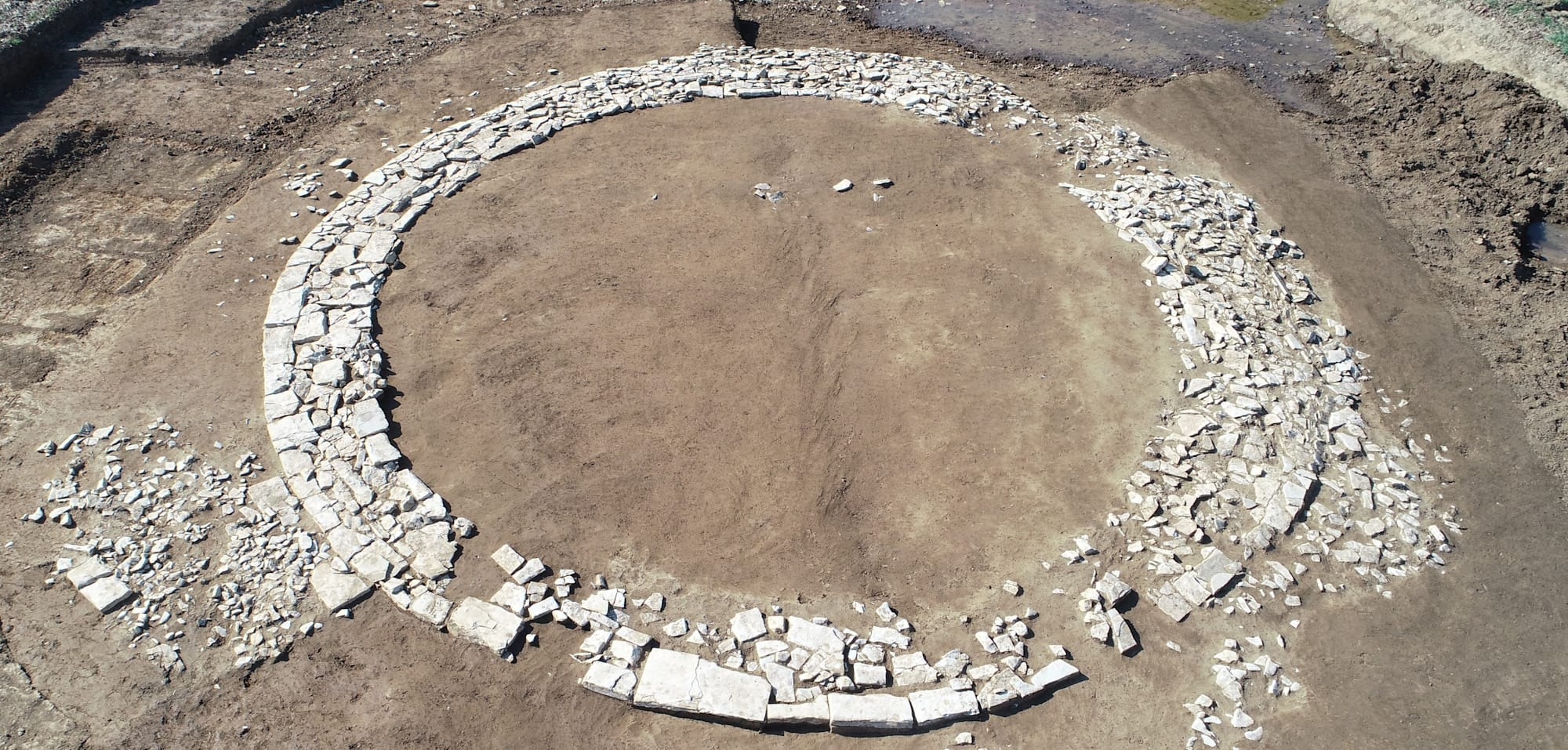
Hidden in the Bavarian Earth: Monumental Roman Tumulus Reveals an Elite’s Legacy in Ancient Raetia
Long before the Roman Empire’s northern frontier dissolved into memory, a powerful family in Raetia carved their claim into the landscape of southern Germany — not with words, but with stone.Near Wolkertshofen, archaeologists have now uncovered the remains of a monumental Roman burial mound unlike any other in Bavaria, rewriting the region’s funerary map. An…
-
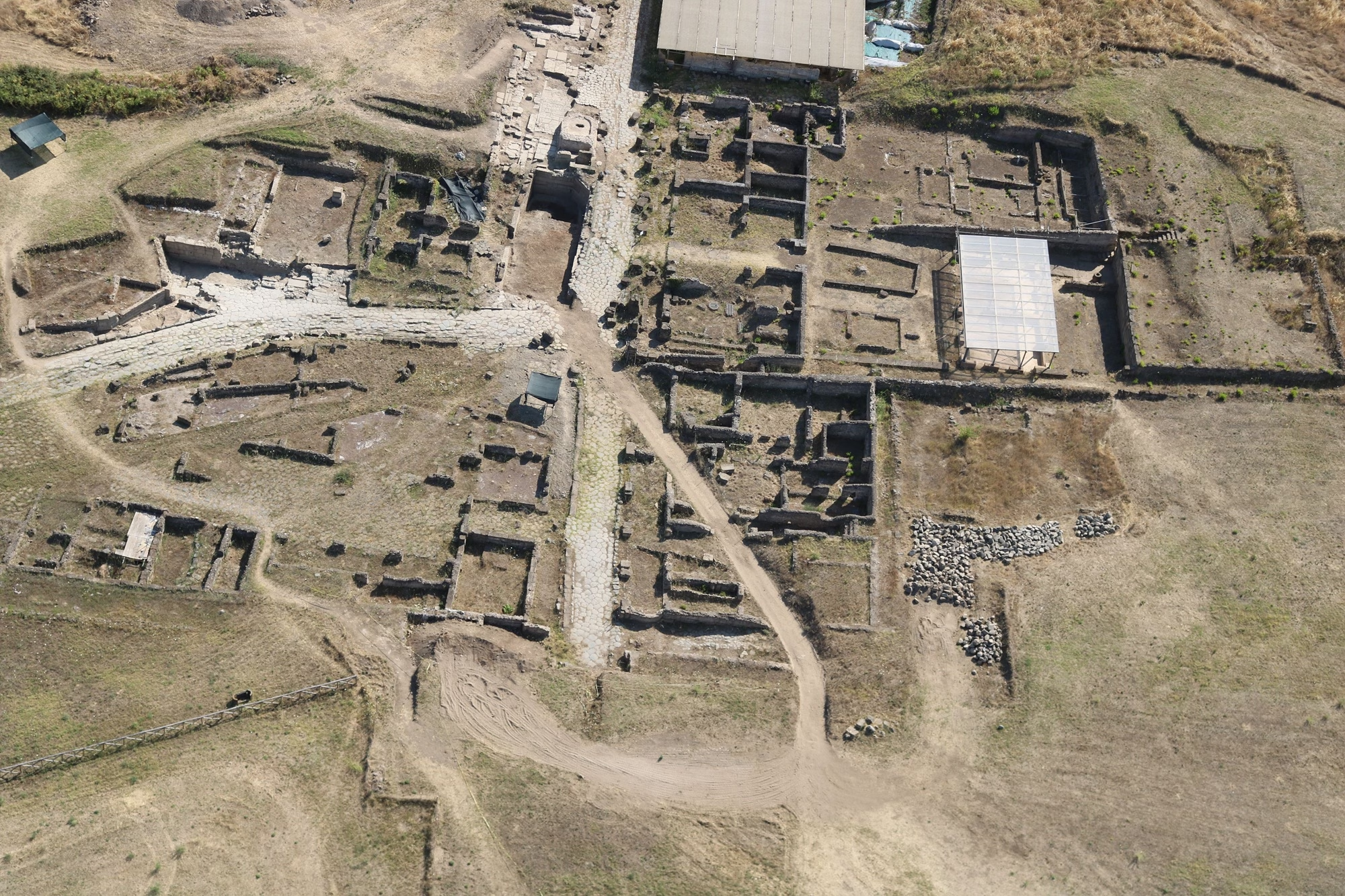
Hidden for Centuries: Archaeologists Unearth One of the Earliest Roman Monumental Structures
A remarkable discovery east of Rome has revealed one of the earliest examples of Roman monumental architecture — a massive stone-lined basin carved into the bedrock of the ancient city of Gabii, once a rival of early Rome. The find sheds new light on how the Romans used water, space, and architecture to express civic…
-
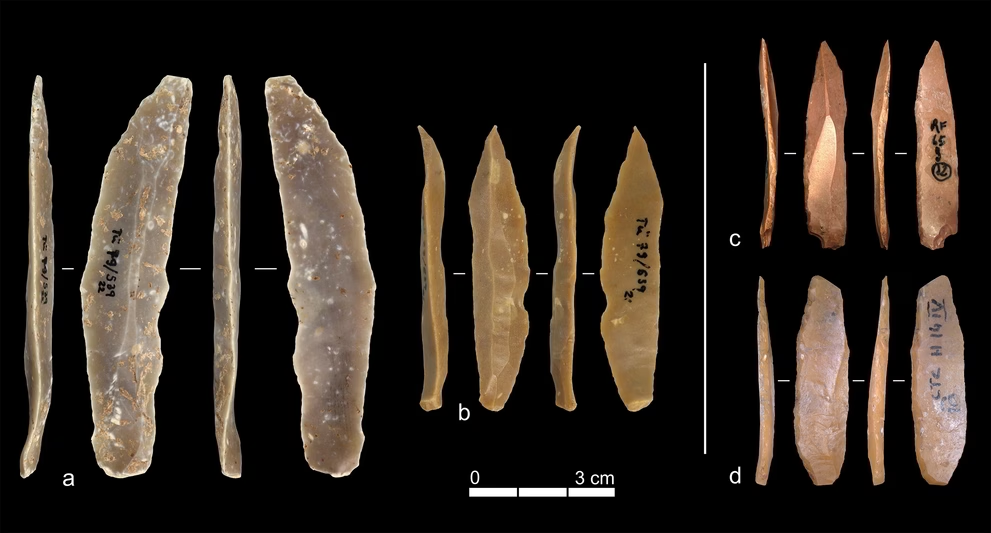
Europe’s First Toolmakers Were Innovators, Not Imitators: 42,000-Year-Old Evidence Reshapes Human Prehistory
A groundbreaking study has revealed that Europe’s earliest modern humans developed their own stone tool technologies 42,000 years ago — independently of the Near East. Researchers from the University of Tübingen and the University of Arizona argue that these early toolmakers were innovators, not imitators, challenging the long-held view that technological advances in Europe were…
-
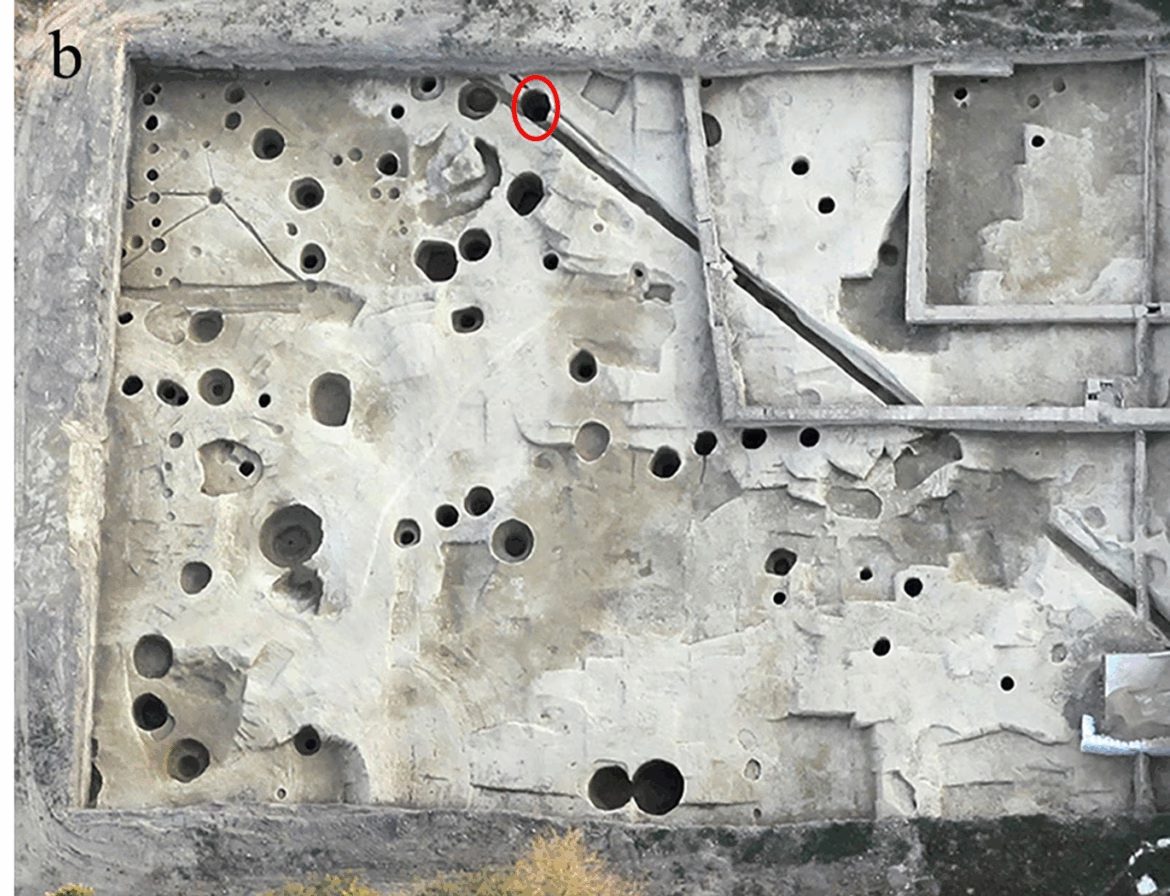
Roman Soldiers Found in 1,700-Year-Old Well Reveal a Forgotten Battle in Croatia
Archaeologists in Croatia uncover the remains of seven men believed to be Roman legionaries who perished during the Empire’s bloody 3rd-century crisis. When Croatian archaeologists lowered their lights into a Roman well in Osijek, they didn’t expect to find a silent echo of imperial chaos. Inside the stone shaft lay seven articulated skeletons — men…
-

How Easter Island’s Moai Statues “Walked”: New Research Confirms Ancient Engineering Genius
For centuries, the mystery of how the people of Rapa Nui moved their colossal moai statues across the island’s rugged terrain has puzzled archaeologists. Now, new research led by Binghamton University and the University of Arizona offers the clearest answer yet: the statues “walked” — using an ingenious system of ropes, balance, and motion that…
-
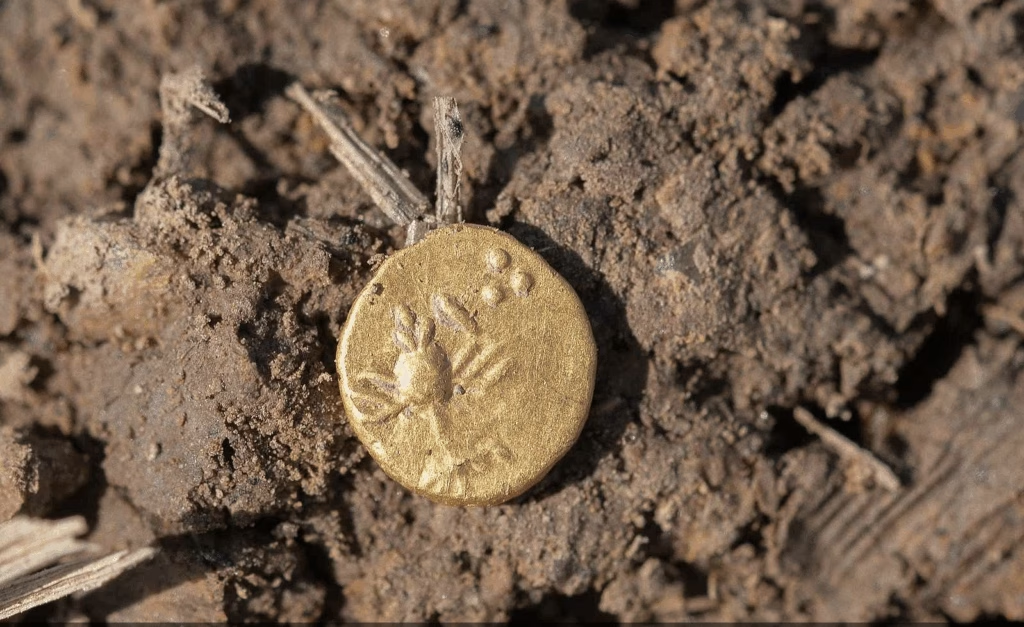
Ancient Celtic Coins Unearthed in Czech Farmland Reveal a Hidden Settlement Beneath Bohemia
A farmer’s field in western Czech Republic has yielded one of the most remarkable Celtic discoveries of the decade — a buried hoard of gold and silver coins, bronze ornaments, and a mysterious horse figurine. Archaeologists say the find exposes a previously unknown Celtic settlement that challenges what was believed about Iron Age Bohemia. The…
-
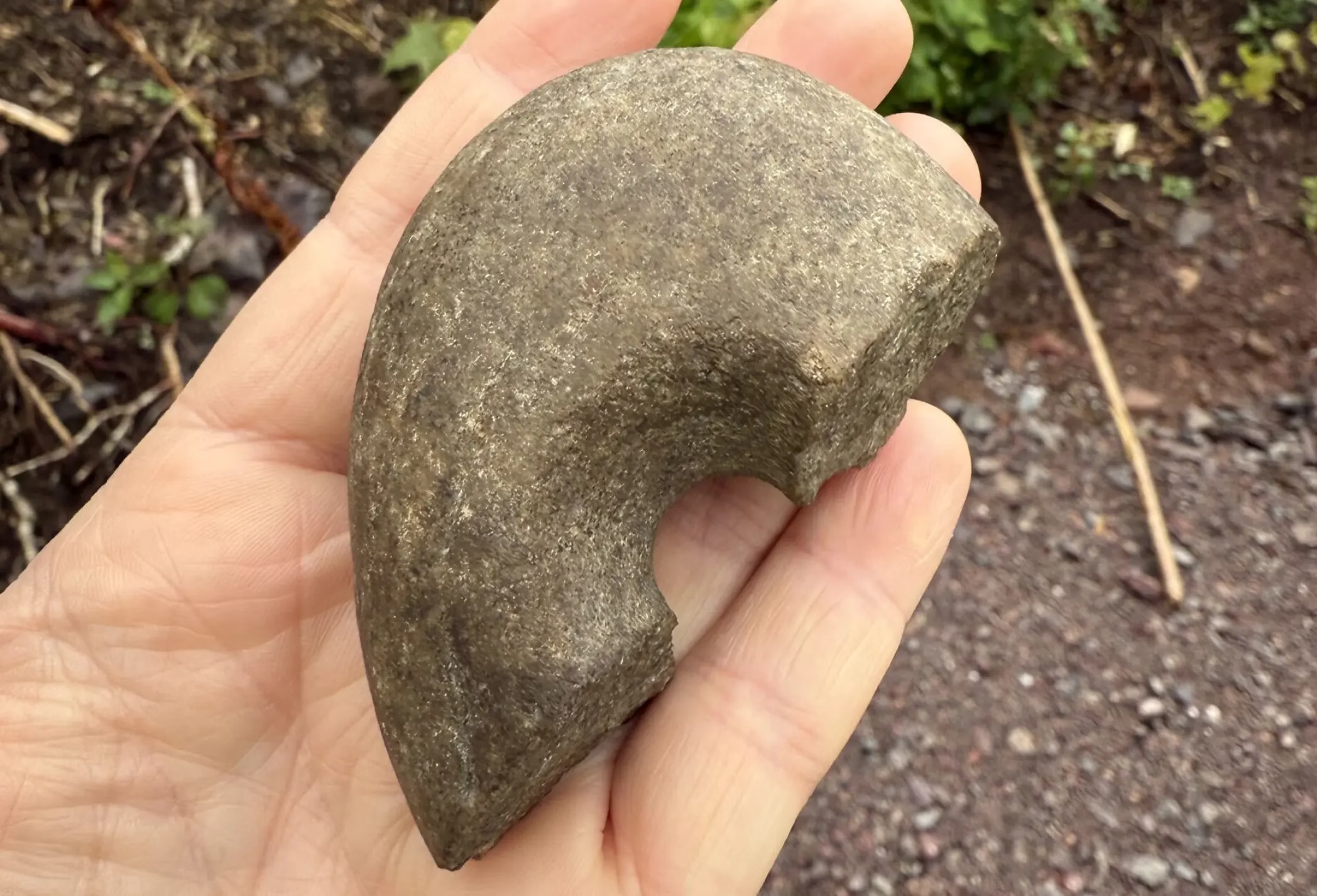
Rare 9,000-Year-Old Stone Age Hammer Unearthed in Norway Reveals Ancient Settlement
Archaeologists in Eastern Norway have uncovered a rare 9,000-year-old shaft-hole club — essentially a Stone Age hammer — during excavations in Horten, a site that has turned out to be far richer than expected. What began as a small survey ahead of a bike path project has revealed the traces of a settlement, a house…
-
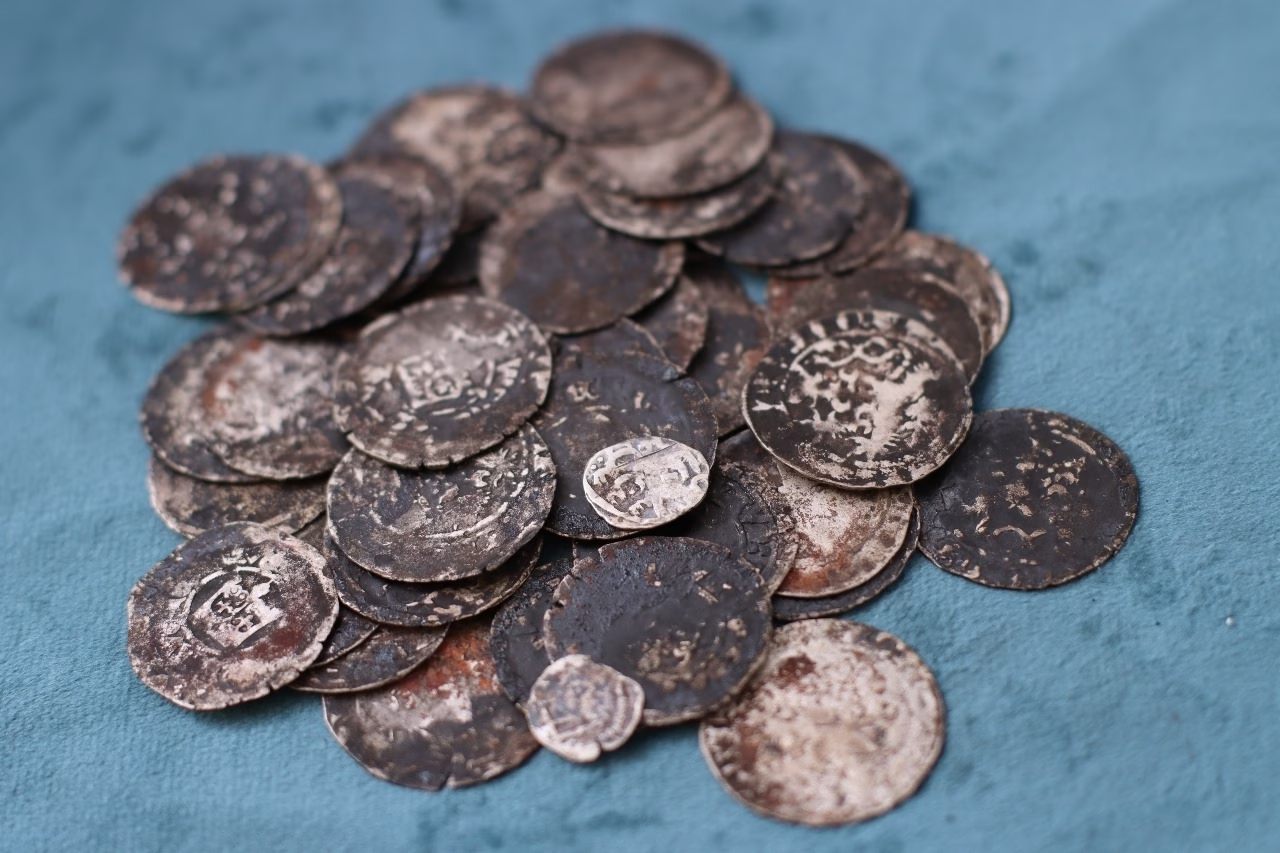
600-Year-Old Coin Hoard Unearthed in Smolensk Reveals Medieval Trade Between Lithuania, Bohemia, and Crimea
A hidden hoard of 15th-century coins has been discovered in Smolensk, Russia, during routine construction work. The cache of 48 silver coins includes the widely circulated Prague groschen—nicknamed the “Dollar of the Middle Ages”—a Lithuanian denarius struck under Vytautas the Great, and a rare Crimean dang from the Golden Horde. Together, these coins reveal how…