-
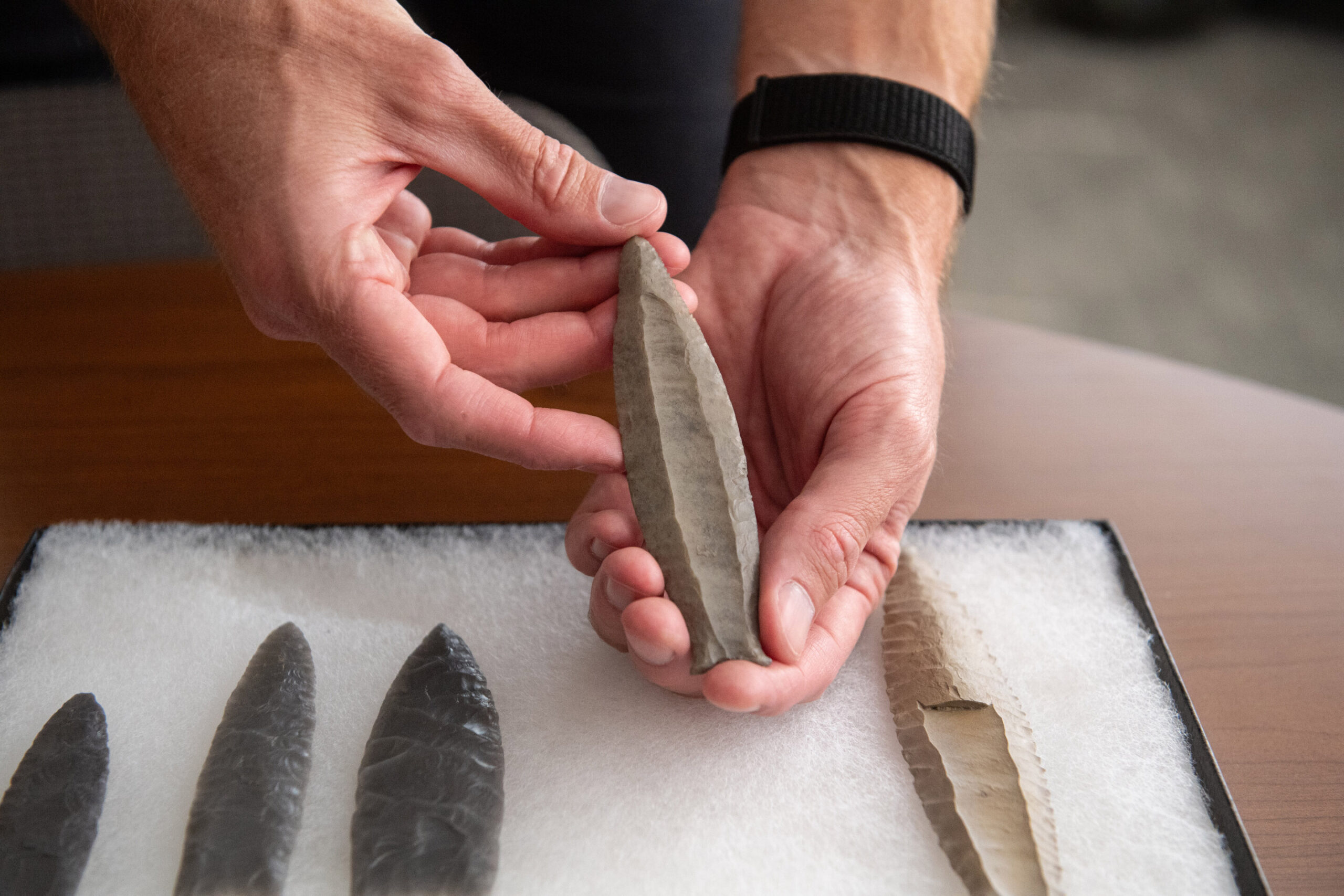
13,000-Year-Old Spear Points Reveal How Ice Age Hunters Learned an Unfamiliar Land
At the end of the last Ice Age, people moving through the Tennessee River Valley faced a challenge that went far beyond finding food. They also had to learn an unfamiliar landscape — where rivers led, where animals moved and where the stone needed to make and repair their hunting weapons could be found. Nearly…
-
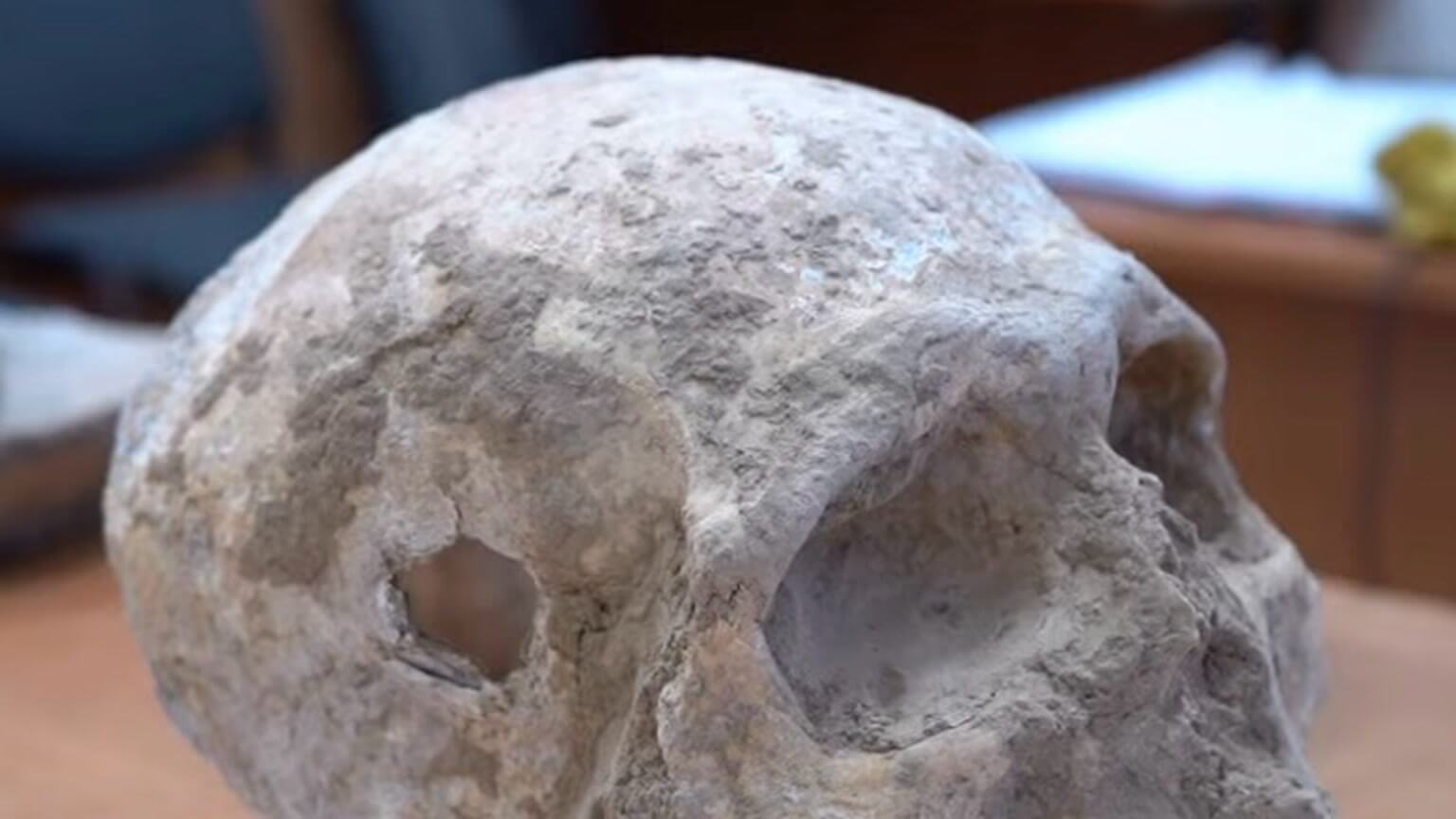
Ancient Grave in Kazakhstan Reveals a Woman With a Mysterious Skull Injury
A woman was buried beside a man and two children in southern Kazakhstan. An injury near her temple has left archaeologists with a question the grave cannot yet answer: was she wounded in a fight, or killed during a burial ceremony? The remains came from a family grave beneath a mound at the Kyzylkol-1 burial…
-
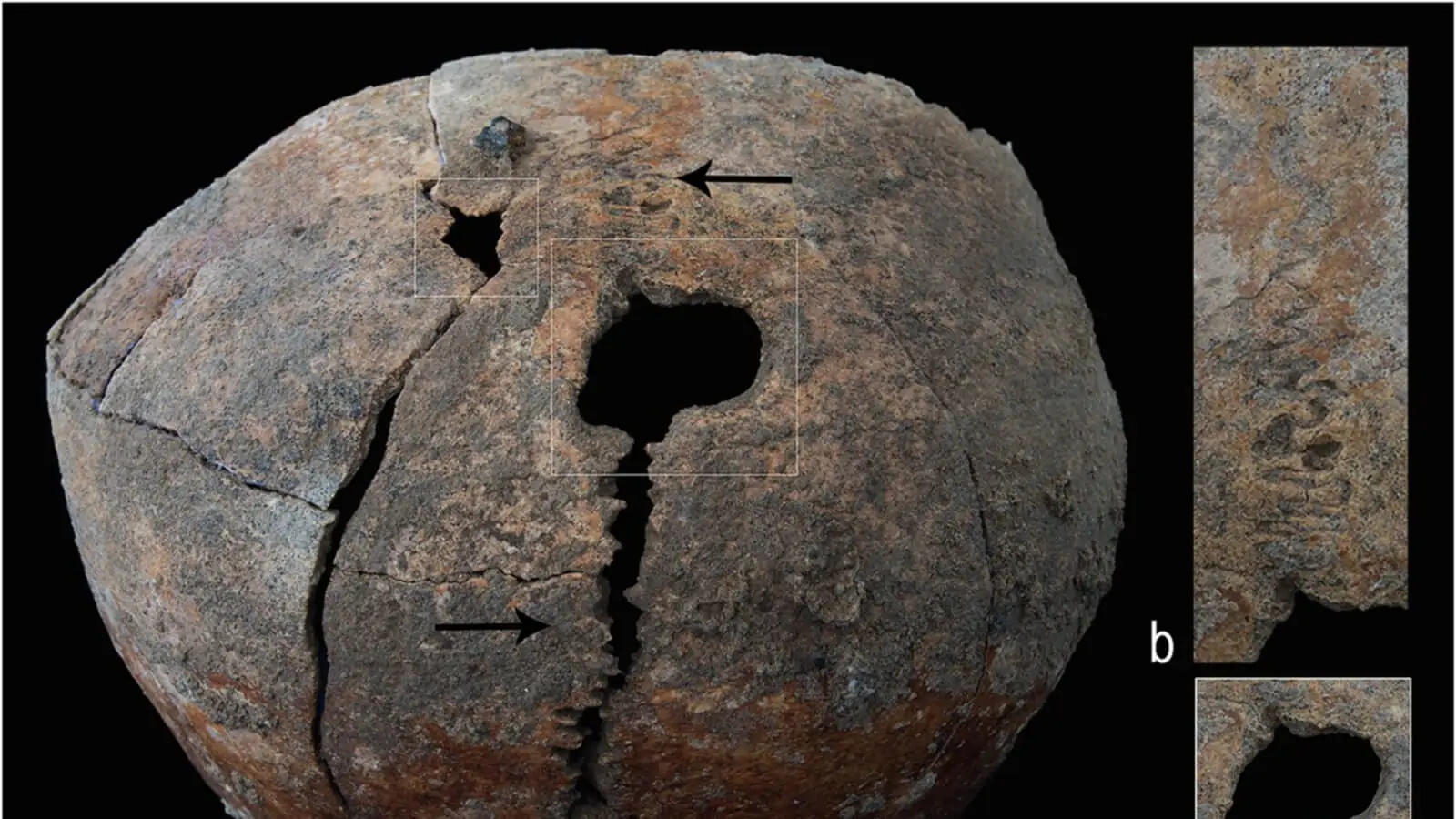
Bronze Age Adolescent in Myanmar May Have Survived Skull Surgery 3,000 Years Ago
A circular opening in the skull of an adolescent buried in Bronze Age Myanmar may preserve evidence of a remarkable medical intervention. Its healed edges suggest that the young person survived the procedure for months—and possibly years—while living with a damaged jaw and a serious bone disorder. The discovery is not simply a story of…
-
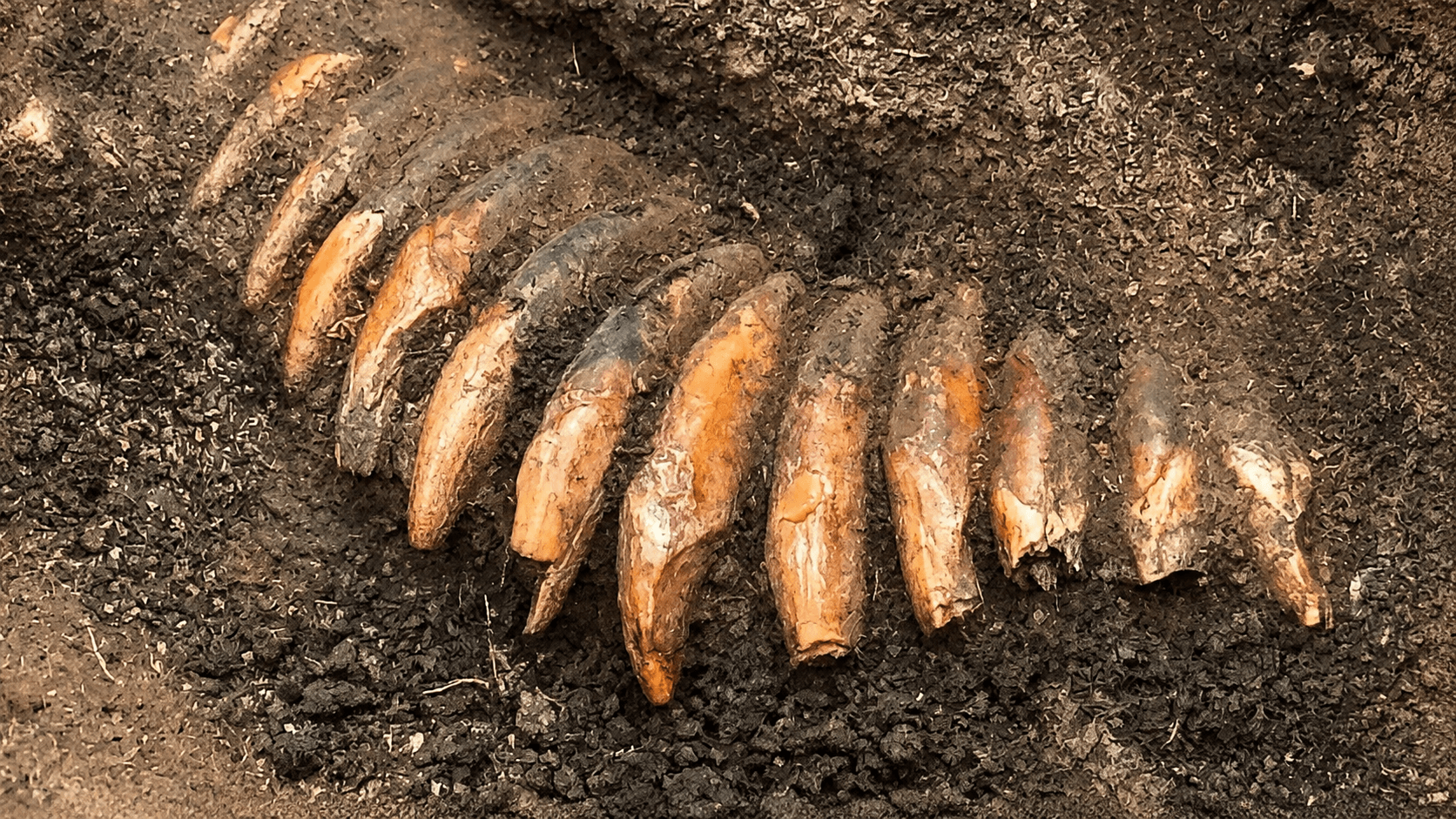
Archaeologists in Poland Found a 5,000-Year-Old Necklace of 42 Teeth—Then They Dug Deeper
Archaeologists preparing to close an excavation near Wrocław, Poland, noticed a circular mark in the soil that did not belong to the 1,600-year-old cemetery they had been investigating. At its center, they uncovered 42 carefully arranged teeth, each drilled through the root to form a necklace approximately 5,000 years ago. Beneath the necklace, the excavation…
-
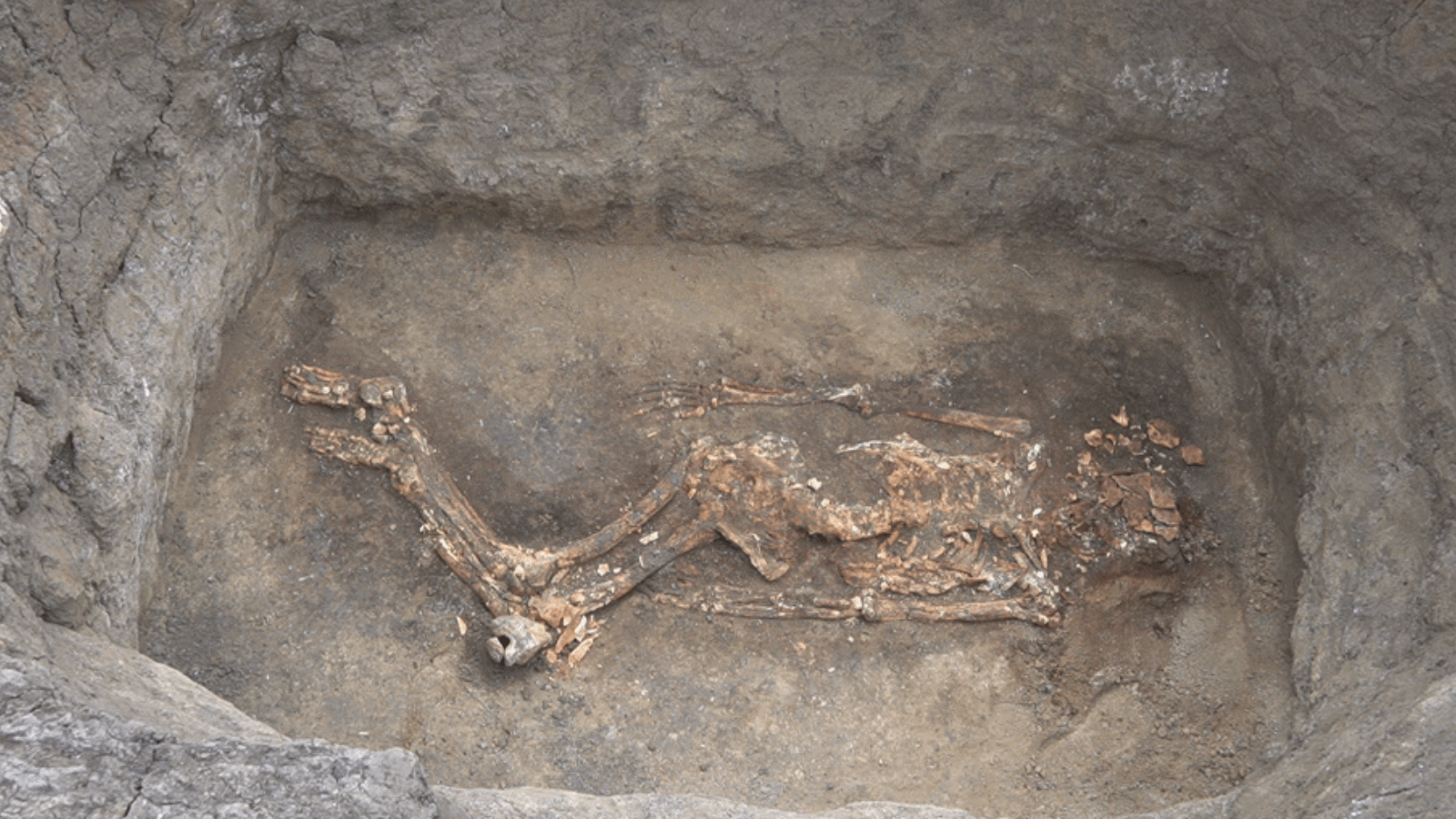
Archaeologists Find Blue Pigment on a 5,000-Year-Old Skeleton in Bulgaria
Archaeologists excavating a burial mound in northeastern Bulgaria have found traces of blue pigment on a skeleton dating back approximately 5,000 years. The central grave has been linked to the Yamnaya culture, whose funerary traditions are commonly associated with red ochre rather than blue coloring. The burial was uncovered inside the so-called Great Mound near…
-

Two Unknown Human Lineages Still Survive in Modern DNA, One Traces Back 1.8 Million Years
Modern human DNA appears to preserve traces of two ancient human populations that scientists have never identified directly from ancient genomes. One of those lineages may reach back to a population that split from other human ancestors roughly 1.8 million years ago. The finding comes from a new study published in Science, in which UC…
-
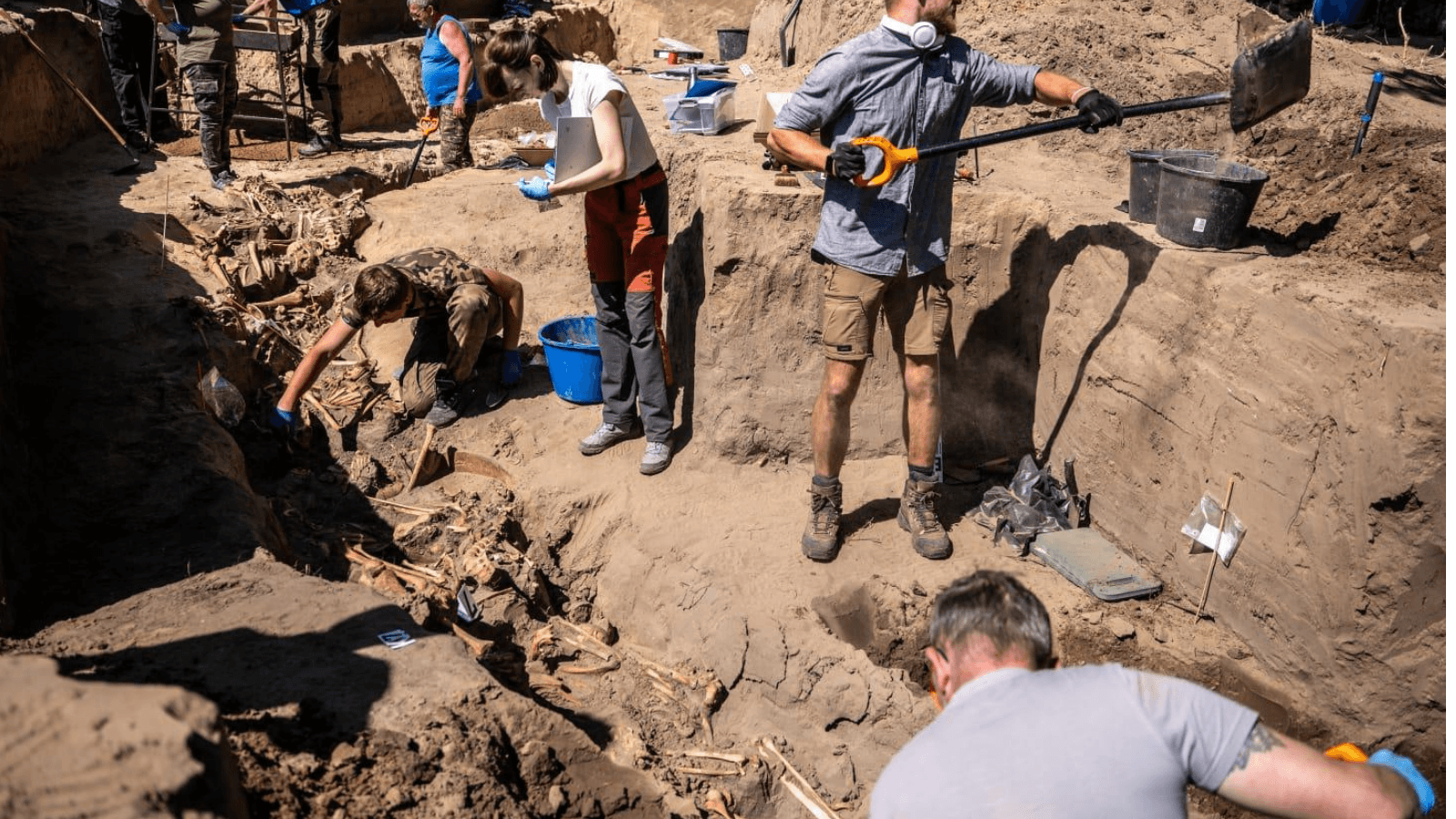
Mass Grave of at Least 132 Men Reveals Nazi Killing of Psychiatric Patients in Poland’s “Death Valley”
Archaeologists investigating a mass grave in northern Poland have documented the remains of at least 132 men killed during a Nazi campaign against people with mental disorders and disabilities in 1939. The grave also contained hundreds of clothing buttons, bullets and an insignia associated with German police and gendarmerie units. The burial lies in the…
-
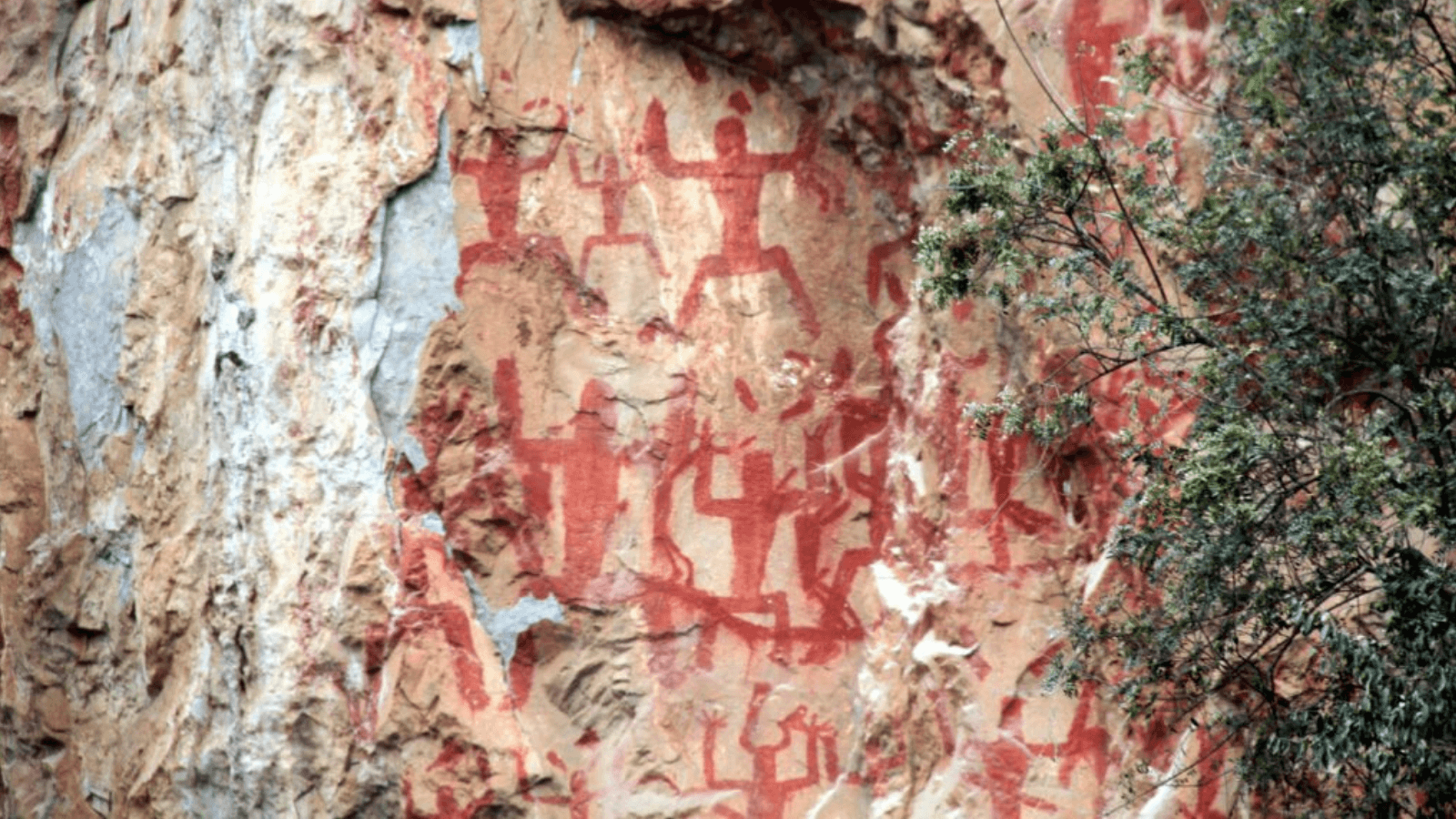
Scientists Find Blood in the Ancient Binding Formula Behind 2,000-Year-Old Huashan Rock Art
China’s 2,000-year-old Huashan rock art has survived on limestone cliffs above the rivers of southern China despite intense heat, monsoon rains and tropical storms that might normally be expected to destroy exposed pigments. A new scientific study suggests that part of the answer lies in an unusual ancient painting formula. Researchers examining the Huashan rock…
-
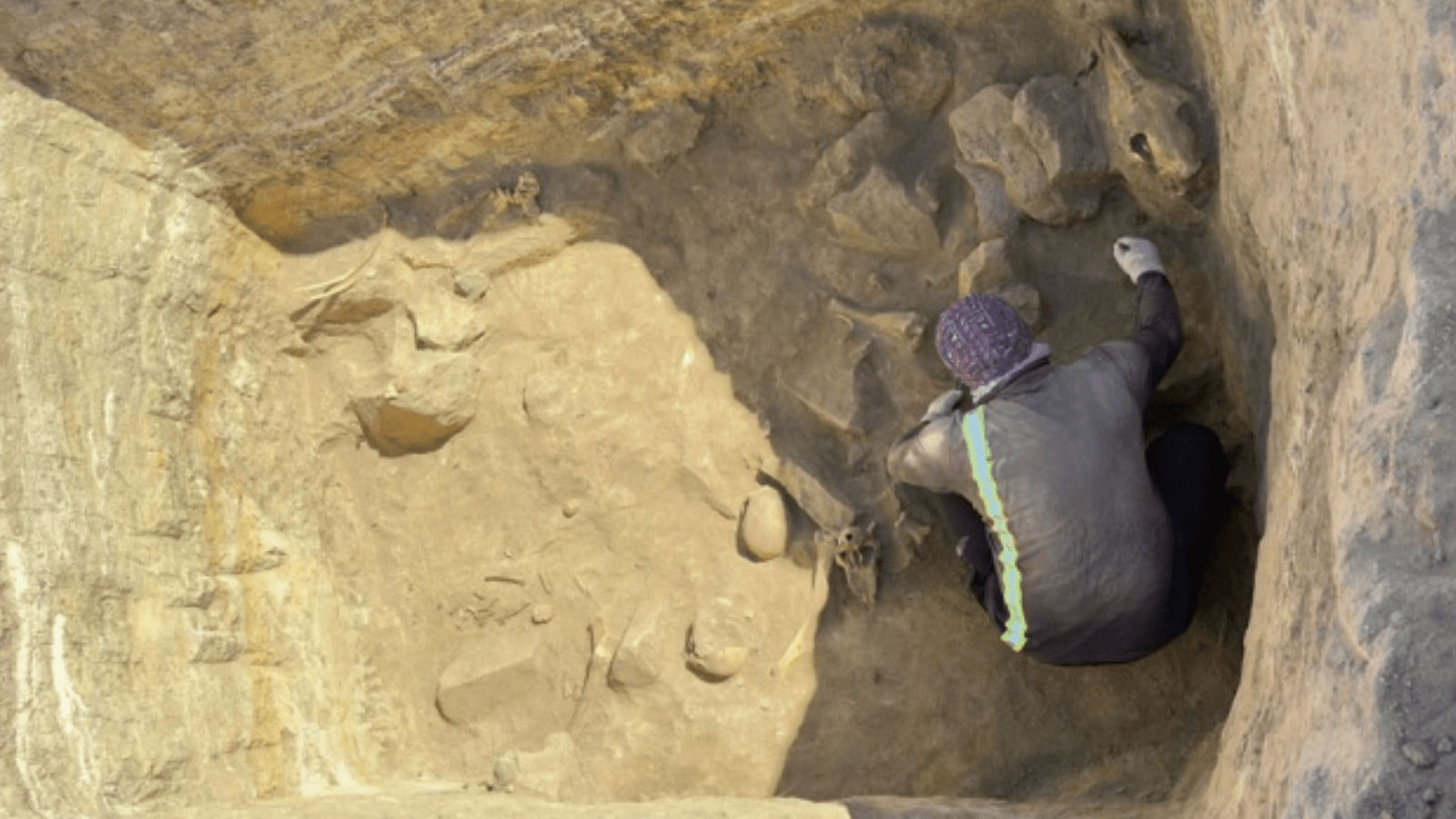
Remarkably Preserved Woman Found in 2,000-Year-Old Xiongnu Tomb
Archaeologists excavating a Xiongnu cemetery in eastern Mongolia have uncovered the remarkably well-preserved skeleton of a woman inside a monumental tomb dating to around 2,000 years ago. The burial, discovered at Bulgan Uul in Khentii Province, also contained fragments of a painted coffin, parts of a horse-drawn vehicle, bronze and ceramic vessels, and an object…