-
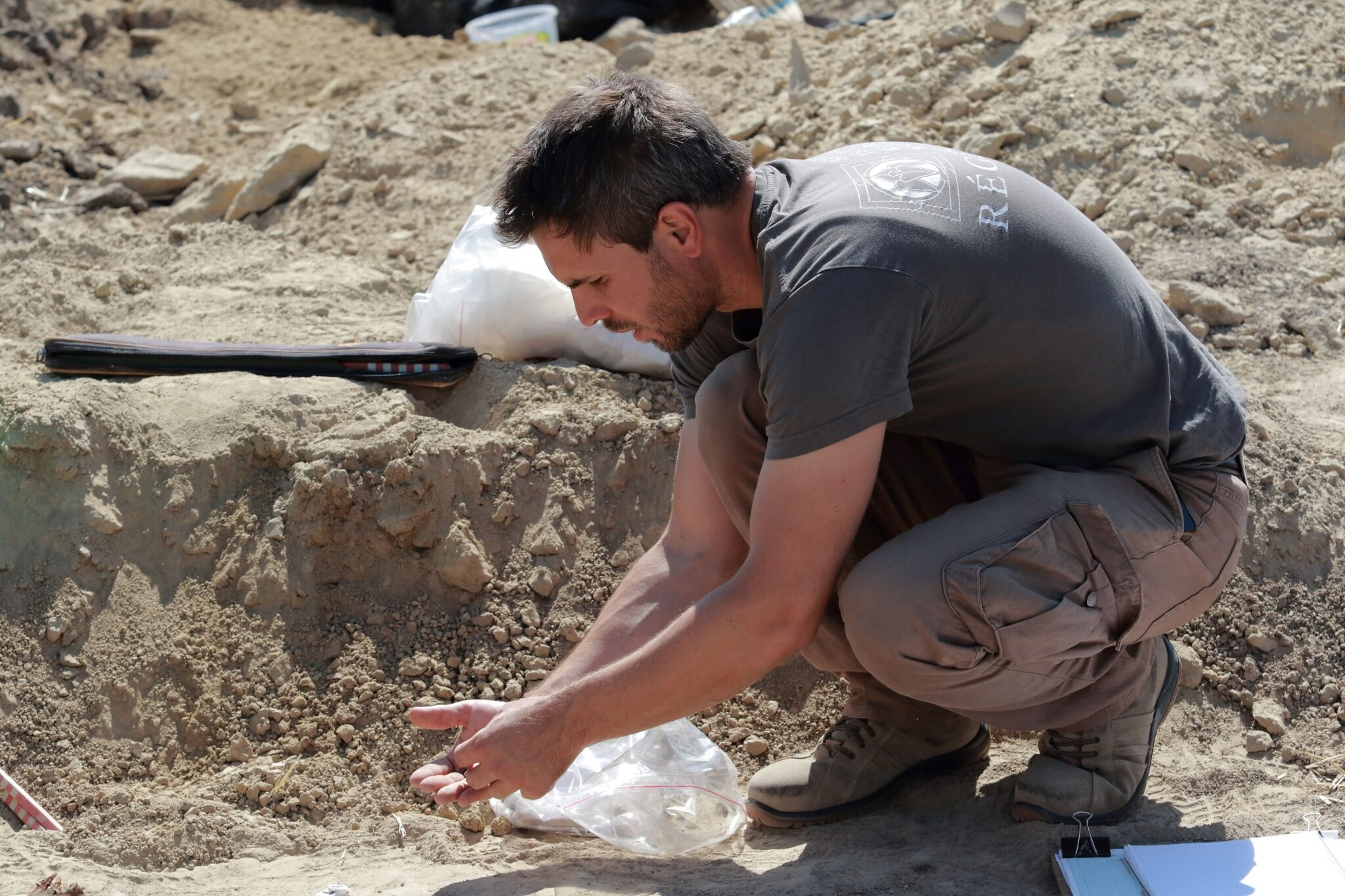
Satellite Imaging Reveals Rare Avar-Period Saber in Hungary
Discovery near Székesfehérvár sheds light on elite warriors of the early medieval Carpathian Basin Hungarian archaeologists have unearthed a rare Avar-period saber near Székesfehérvár, marking one of the most significant early medieval discoveries in Fejér County in decades. The find, dated to the 7th–8th century, was located using satellite-based archaeological research as part of the…
-

The Phaistos Disc: An Undeciphered Minoan Mystery and One of Archaeology’s Greatest Puzzles
Discovered in 1908 by Italian archaeologist Luigi Pernier during excavations at the Minoan palace of Phaistos in Crete, the Phaistos Disc remains one of archaeology’s most enduring enigmas. Dating back to the second millennium BC, this baked clay artifact is inscribed with 241 mysterious symbols arranged in 45 groups on both sides. Despite over a…
-
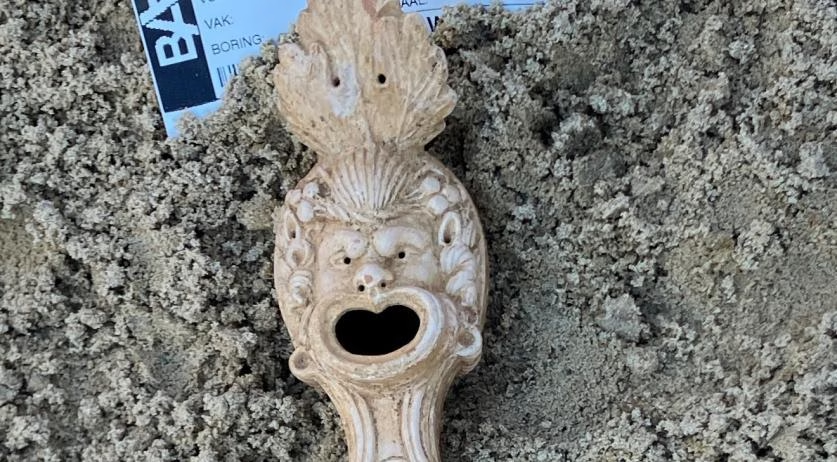
Rare Roman Oil Lamp with Intricate Mask Discovered in Cuijk, Netherlands
Archaeologists working in the Dutch town of Cuijk, Noord-Brabant, have uncovered a remarkable second-century Roman oil lamp featuring a finely crafted mask design. The municipality of Land van Cuijk described the artifact as a “museum-quality” piece and one of the most exceptional finds ever recovered in the Netherlands. The discovery was made on the grounds…
-
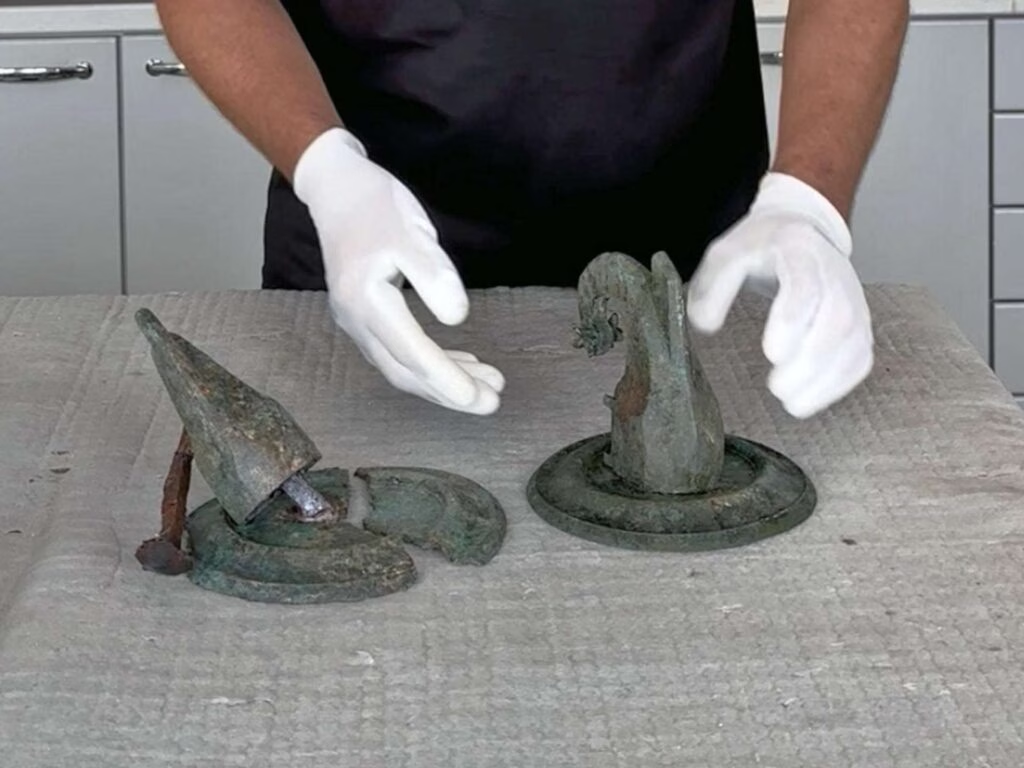
Roman Bronze Ship’s Prow Unearthed Beneath Salzburg’s Neue Residenz
SALZBURG, AUSTRIA – Archaeologists renovating Salzburg’s historic Neue Residenz have uncovered a bronze ship’s prow dating back nearly 1,800 years, believed to have adorned the doorway or walls of a lavish Roman villa. The finely crafted piece is being hailed as the largest bronze artifact found in Salzburg’s ancient predecessor, Iuvavum, since the mid-20th century.…
-
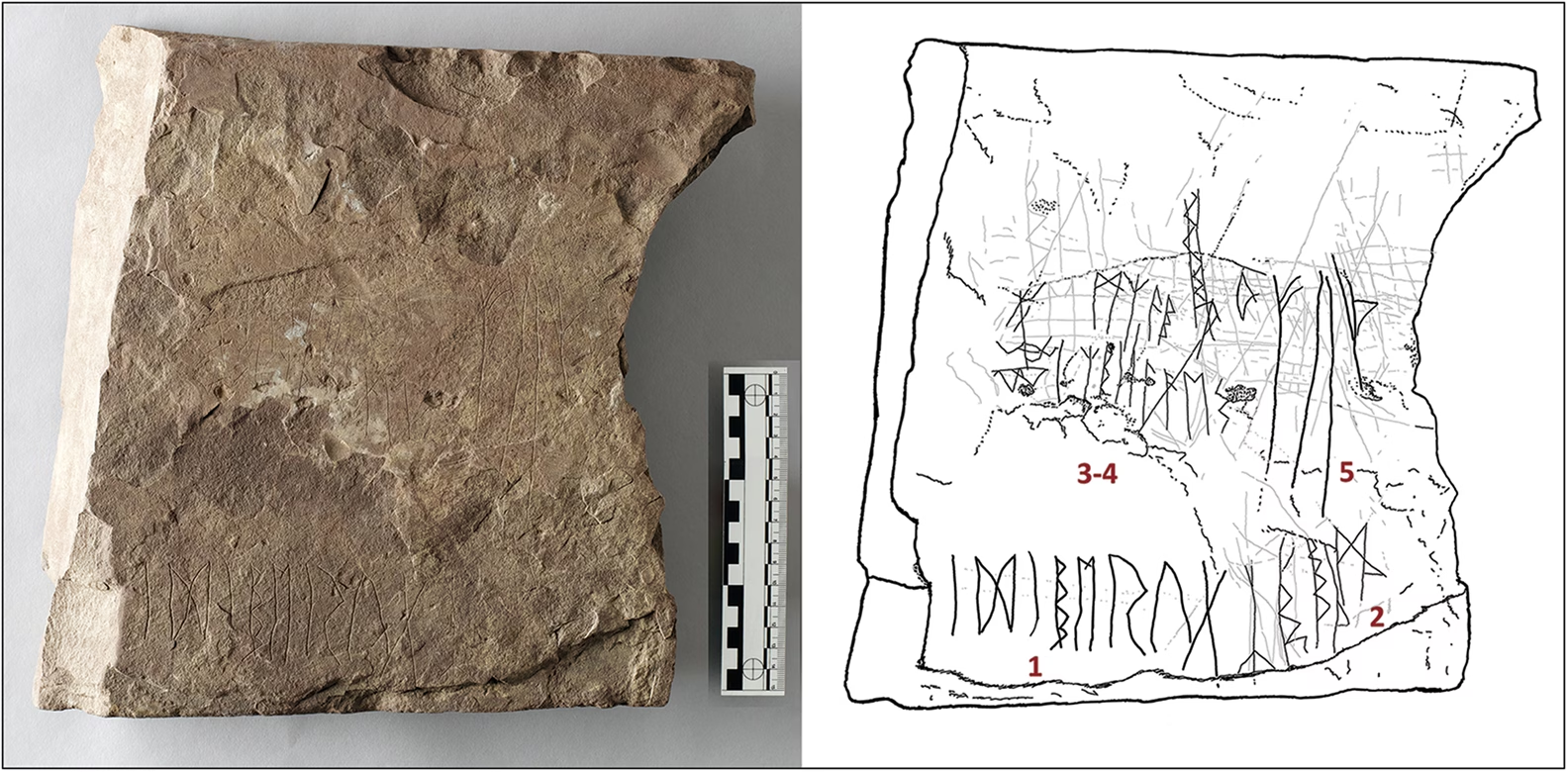
Norway’s Oldest Dated Runestone? Svingerud Fragments Reveal a 2,000-Year-Old Writing Tradition
Archaeologists from the University of Oslo’s Museum of Cultural History have uncovered inscribed sandstone fragments in the Svingerud burial ground in Hole, Norway, dated to 50 BCE–AD 275 through radiocarbon analysis. The find may represent the earliest securely dated runestone ever discovered, pushing back the origins of Scandinavian writing traditions. A dig that rewrote the…
-
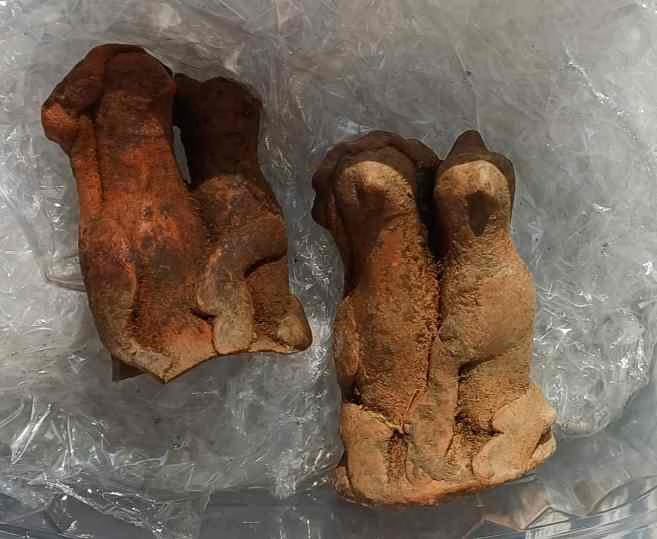
700-Year-Old Toys Unearthed in Freiburg Shed Light on Medieval Childhood
In the heart of Freiburg, Germany, a rescue excavation beneath a future finance school has uncovered a 14th-century pottery workshop and a collection of clay toys, offering a rare glimpse into medieval family life. The discovery was made in the city’s Neuburg quarter, a district first laid out shortly after 1240 under Count Konrad of…
-

The Dark Side of Roman Arenas: Bear Skull from Viminacium Offers First Osteological Evidence of Animal Brutality
A newly unearthed brown bear skull from the ancient city of Viminacium in Serbia has shed unprecedented light on the dark underbelly of Rome’s celebrated amphitheater culture. Dated to the 3rd century CE, the skull provides the first direct osteological evidence that wild animals, far from being exotic spectacles alone, were brutalized, caged, and repeatedly…
-
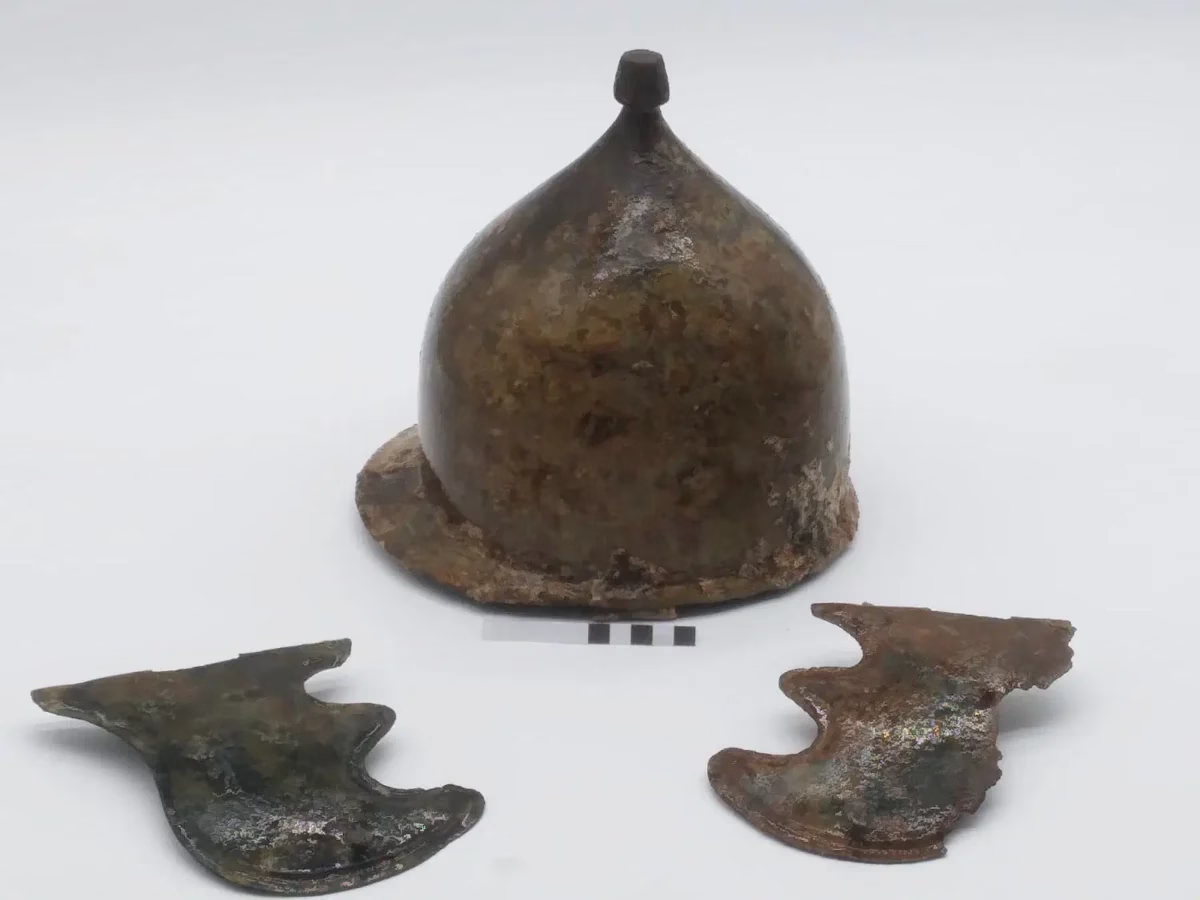
From the Depths of Egadi: An Intact Montefortino Helmet Emerges from a 241 BC Battle Site
A bronze Montefortino-type Roman helmet has been recovered from the waters off the Egadi (Aegates) Islands, at the very site of the decisive 241 BC naval battle that ended the First Punic War. Lifted in August and announced this week, the piece is exceptional for retaining its cheek guards, making it one of the most…
-
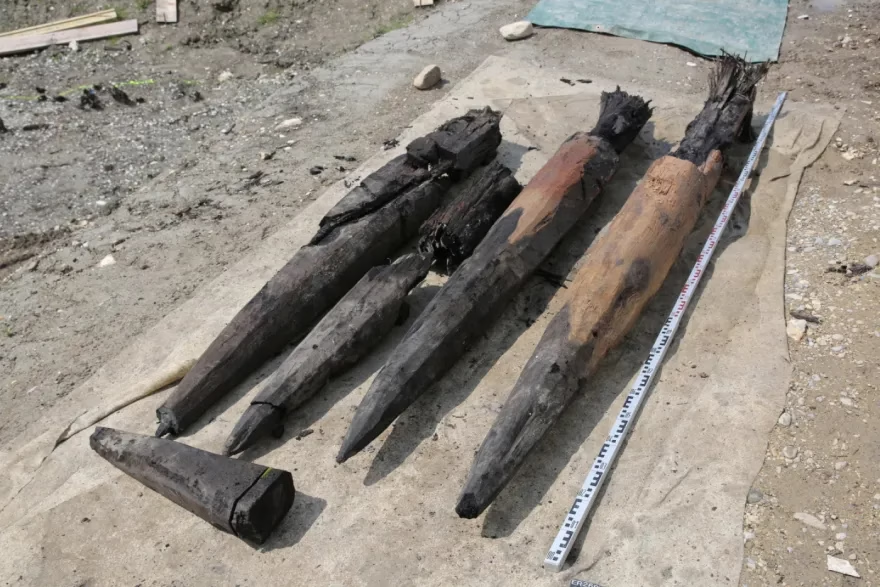
2,000-Year-Old Roman Bridge Unearthed in Switzerland: A Gateway Linking Celtic Helvetia to the Empire
Archaeologists in Switzerland have uncovered the remains of a 2,000-year-old Roman wooden bridge during construction work in Aegerten, a municipality in the canton of Bern near Biel/Bienne. Experts describe the find as one of the region’s most important Roman-era discoveries in decades, offering a rare glimpse into the infrastructure that allowed the Roman Empire to…