-
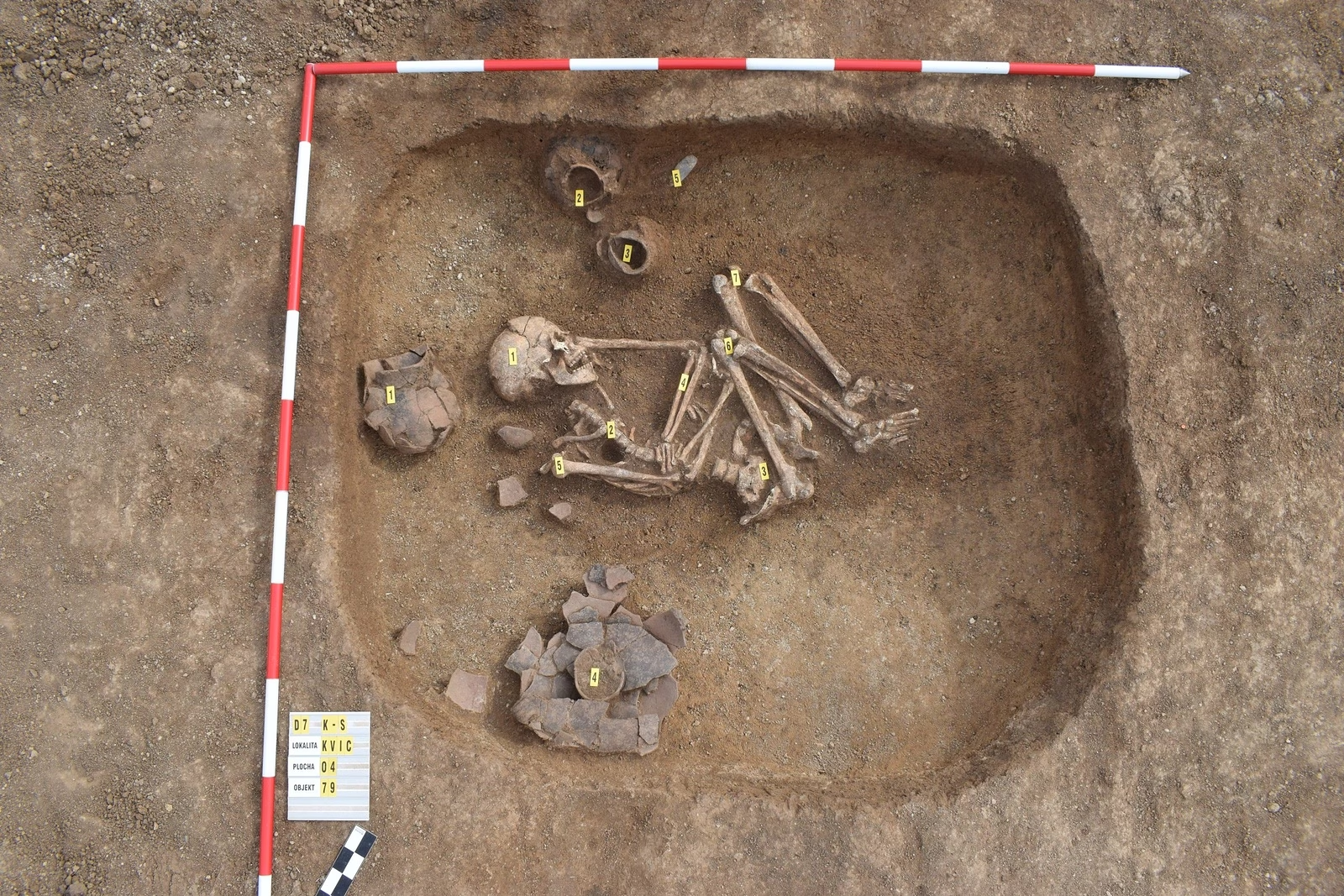
Archaeologists Discover Female Burial with Bronze Jewelry in the Czech Republic
Extensive archaeological excavations in the Slánsko region of the Czech Republic have uncovered a remarkable female burial, shedding light on the area’s thousands of years of history. The research, conducted by the Archaeological Centre Olomouc, revealed settlements and burial sites spanning from the Neolithic era to modern times. A total of 467 archaeological features were…
-
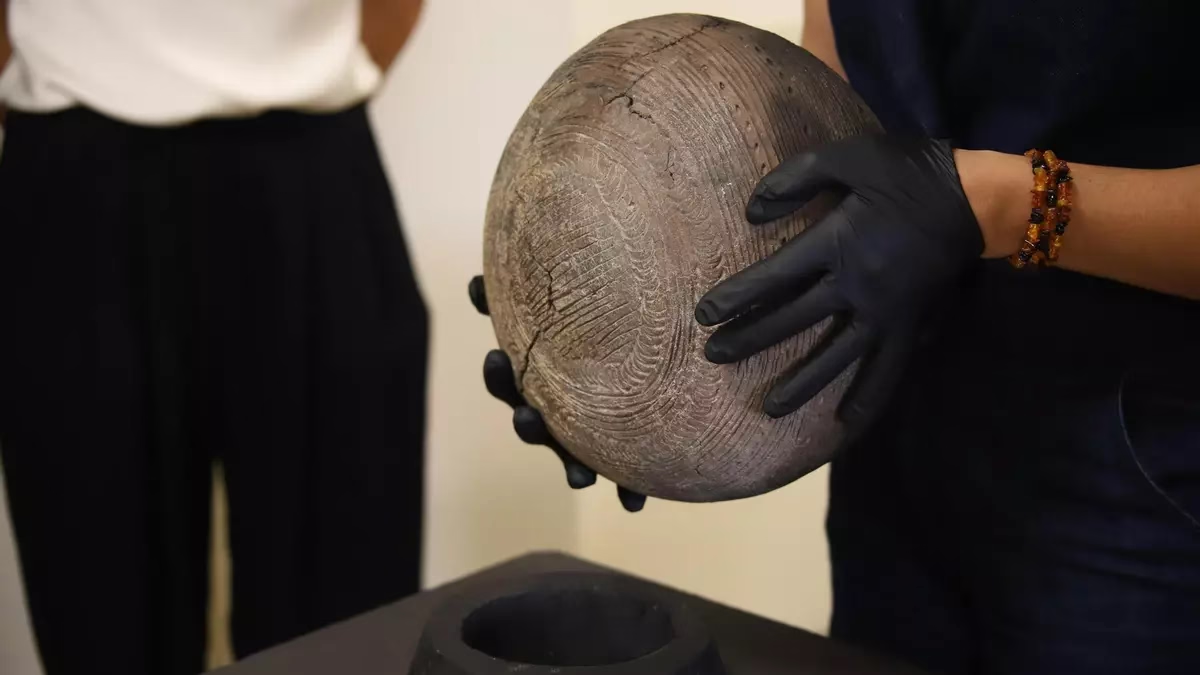
Surprising Discovery in La Palma: 700-Year-Old Benahoarit Vase Found in Cave
La Palma in Spain’s Canary Islands has once again grabbed the spotlight of the archaeological world. In the cliffs of Tijarafe’s Barranco de Los Gomeros, researchers have uncovered one of the island’s rarest finds: a fully intact Benahoarit ceramic vase dating to the 13th–15th centuries. Unlike the usual fragments scattered across excavations, this vessel has…
-
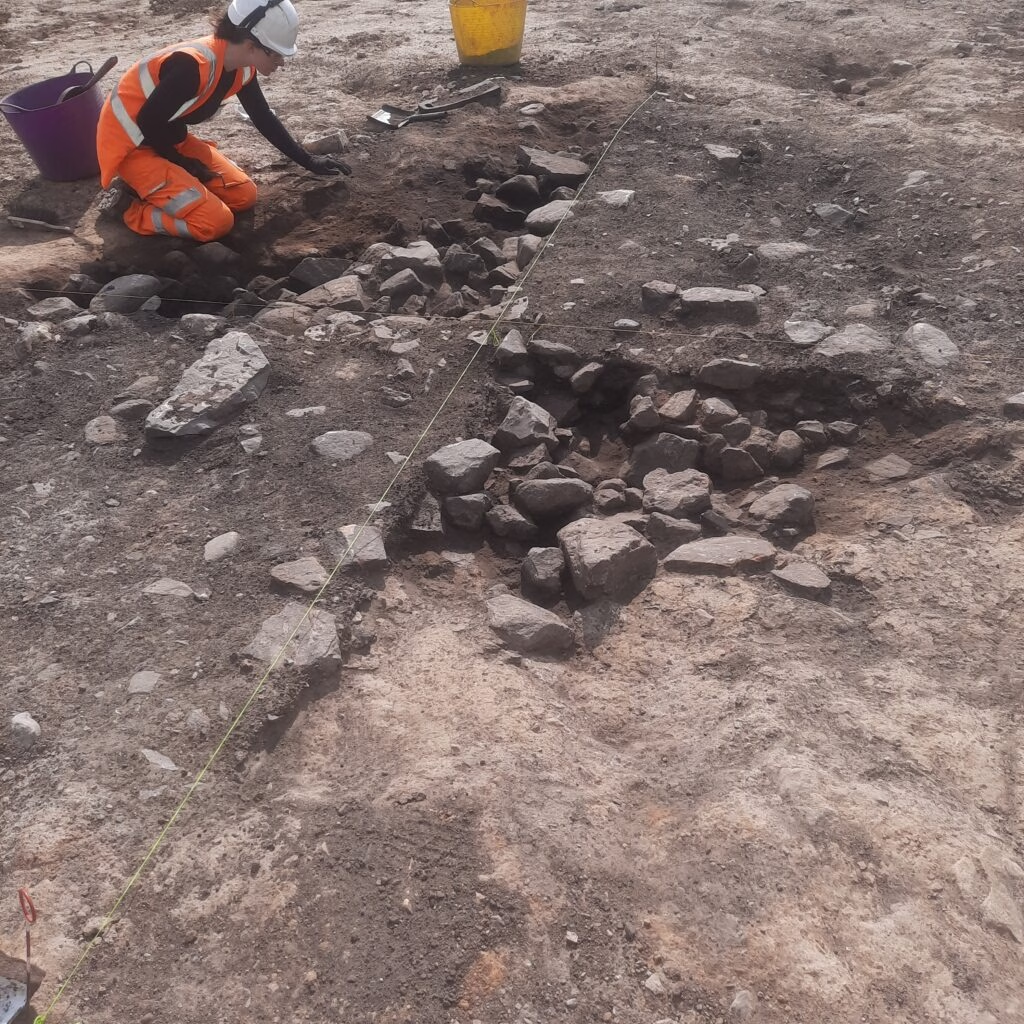
Mysterious Bronze Age Burial Unearthed in England: Human Ashes, Urn and Volcanic Stone Axe
Archaeologists in North Yorkshire, England, have uncovered a rare Bronze Age cremation burial inside an inverted urn, accompanied by a finely crafted volcanic stone axe hammer. The discovery sheds light on elite funerary practices and long-distance exchange networks in prehistoric Britain. The excavation took place at Breedon’s Leyburn Quarry in Wensleydale, a region already rich…
-
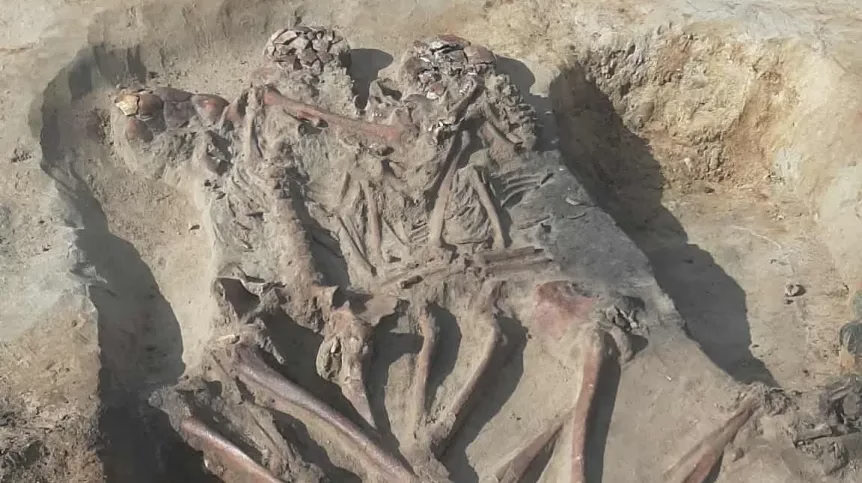
Mesolithic Mass Grave Dating Back to 8000–7000 BCE Discovered in Poland: Family Buried Embracing One Another
During a gas pipeline construction in the Inowrocław commune near the village of Orłowo, archaeologists unearthed a remarkable Mesolithic mass grave containing four individuals—an adult male, an adult female, and two children—arranged as if embracing one another. Preliminary analysis suggests the burial dates back to 8000–7000 BCE. Dr. Justyna Marchewka-Długońska from Cardinal Stefan Wyszyński University…
-
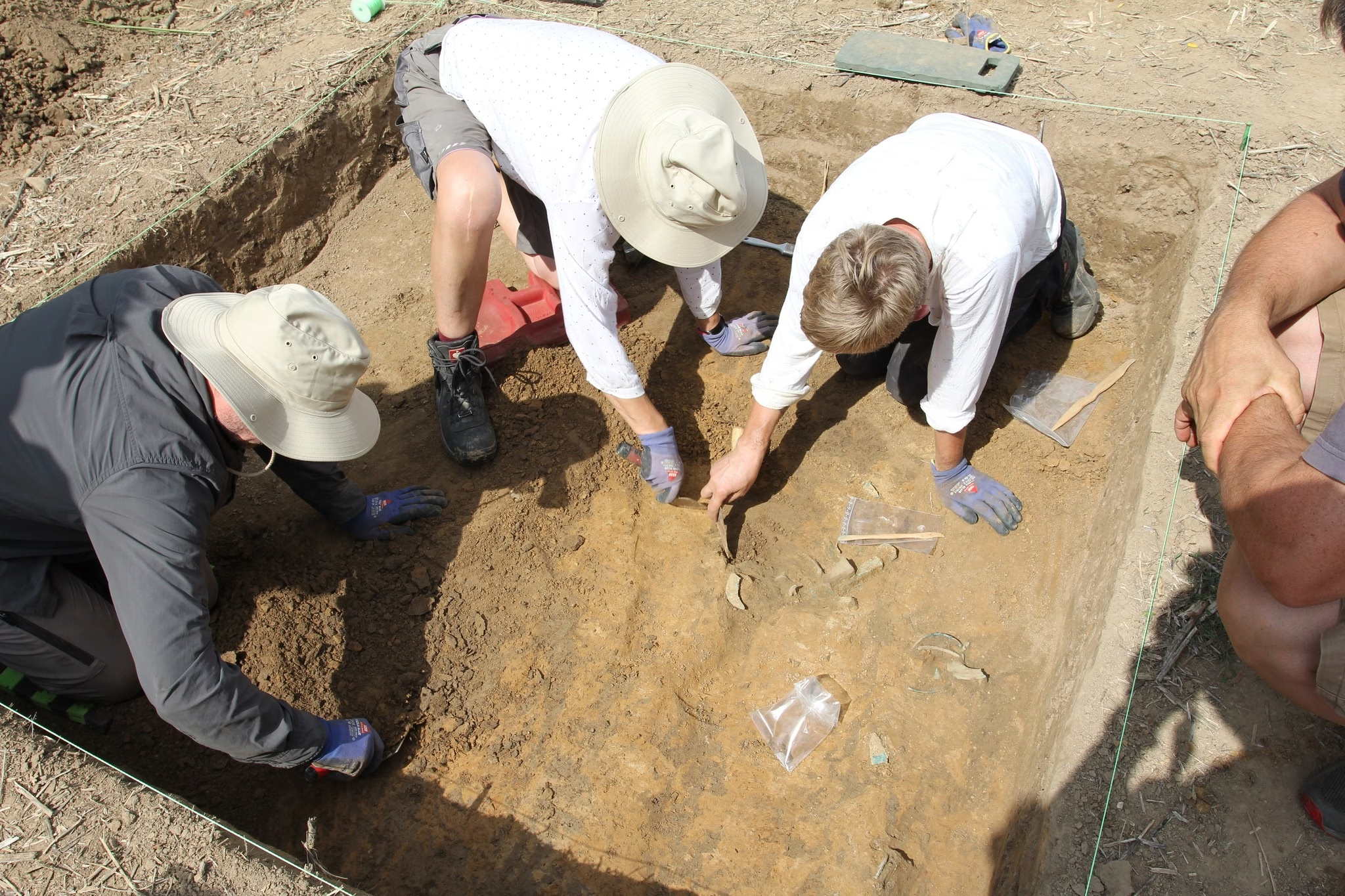
Largest Bronze Age Hoard in Upper Lusatia Unearthed in Görlitz
Archaeologists in eastern Germany have uncovered a massive Bronze Age treasure in the Klein Neundorf suburb of Görlitz: 310 bronze objects weighing a total of 35 pounds (16 kilograms). Dated to the 9th century B.C., the find is now recognized as the largest Bronze Age hoard ever discovered in Upper Lusatia and the second-largest in…
-

Ancient Cow’s Tooth Links Stonehenge to Wales and the Hauling of Bluestones
A 5,000-year-old cow jawbone found at Stonehenge has revealed extraordinary details about the animal’s life—and may reshape theories on how the monument’s iconic stones were transported. A study published in the Journal of Archaeological Science analyzed a cow’s jaw discovered in 1924 at Stonehenge’s southern entrance. Using isotope analysis on its third molar, researchers determined…
-
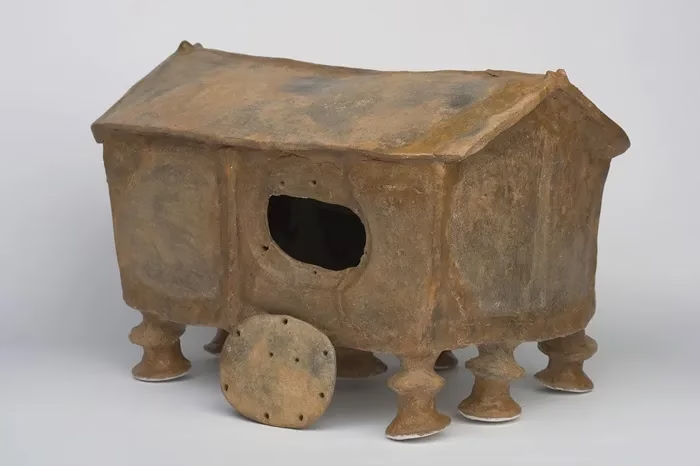
2,600-Year-Old Early Iron Age House Urn from Bożepole Wielkie Debuts at Gdańsk Archaeology Museum
A rare house-shaped urn, uncovered in 2023 in Bożepole Wielkie, Wejherowo County, has been exhibited to the public for the first time at the Gdańsk Archaeology Museum. Dating back around 2,600 years to the Early Iron Age, the urn provides a unique window into ancient funerary practices in the region. The unveiling took place on…
-
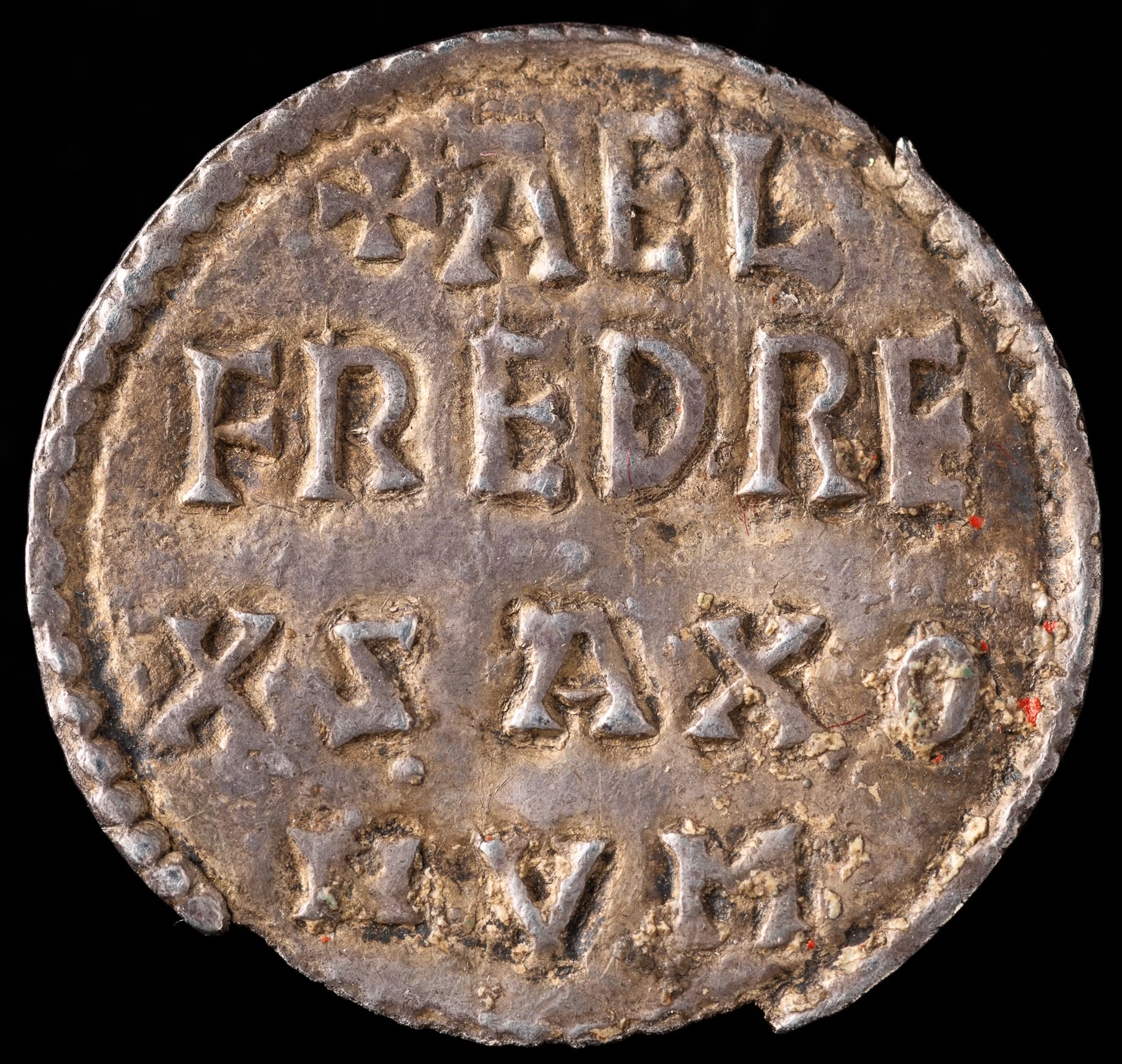
Exeter Welcomes Home Rare Anglo-Saxon Penny Bearing Its Name for the First Time
Exeter’s Royal Albert Memorial Museum & Art Gallery (RAMM) has secured an extraordinary piece of the city’s history: an Anglo-Saxon silver penny featuring the earliest known use of the name “Exeter.” Only three such coins are known to exist worldwide, with the other two held by the British Museum. This acquisition marks the first time…
-
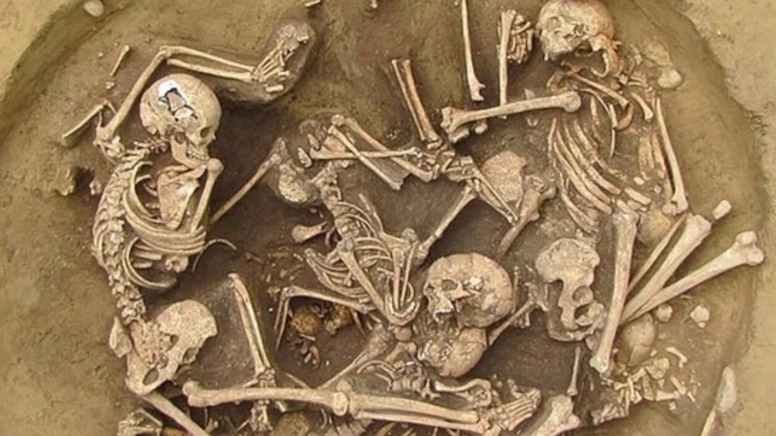
Traces of War in Neolithic Europe: 82 Skeletons Found in France
Archaeologists in northeastern France have uncovered a mass grave dating back nearly 6,000 years, shedding light on the brutal realities of Neolithic warfare and ritual practices. The pit, dated to 4300–4150 BCE, contained the remains of 82 individuals, many showing signs of extreme violence. Severed Arms and Broken Legs Excavations revealed a disturbing pattern of…