-
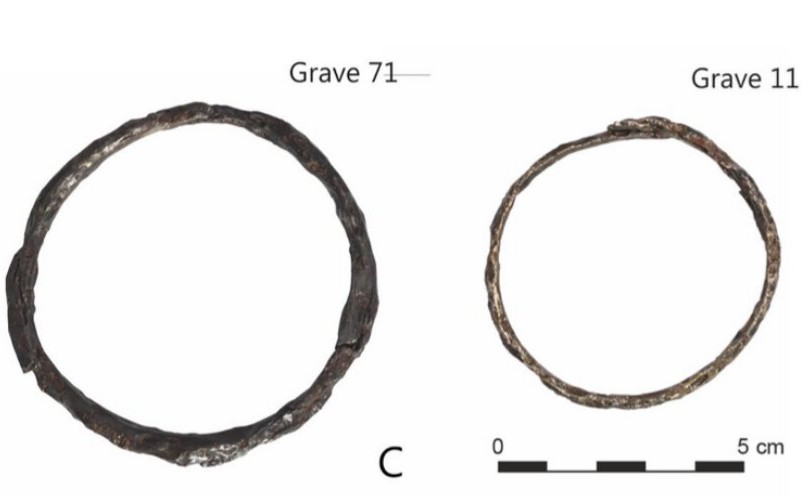
A new study shows the presence of rare meteoric iron in 2,700-year-old artifacts in Poland
Scientists have identified the presence of rare meteoric iron in artifacts discovered at two Iron Age burial sites near the city of Częstochowa in southern Poland. These significant findings are detailed in a study published in the Journal of Archaeological Science: Reports. The artifacts, excavated from burial sites dating back to 750-600 BC, belong to…
-
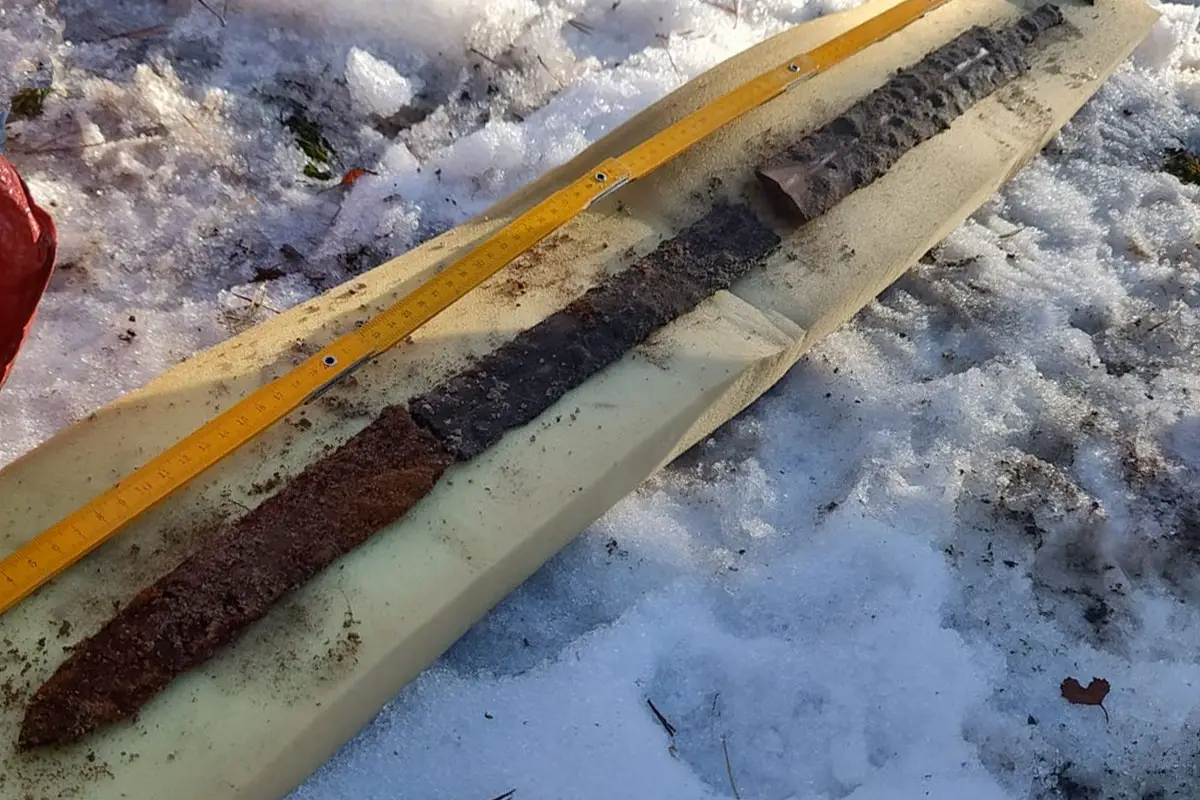
Detectorists discover 2,000-year-old Roman sword while searching for WW2 relics
Members of the INVENTUM Association, a group of metal detector enthusiasts, made an astonishing discovery in Poland’s Kraków-Częstochowa Upland: a 2,000-year-old Roman sword. The find was made by Rafal Proszowski and Mariusz Lampa while they were searching for World War II relics in the dense forests of the Polish Jura. After reporting their findings to…
-
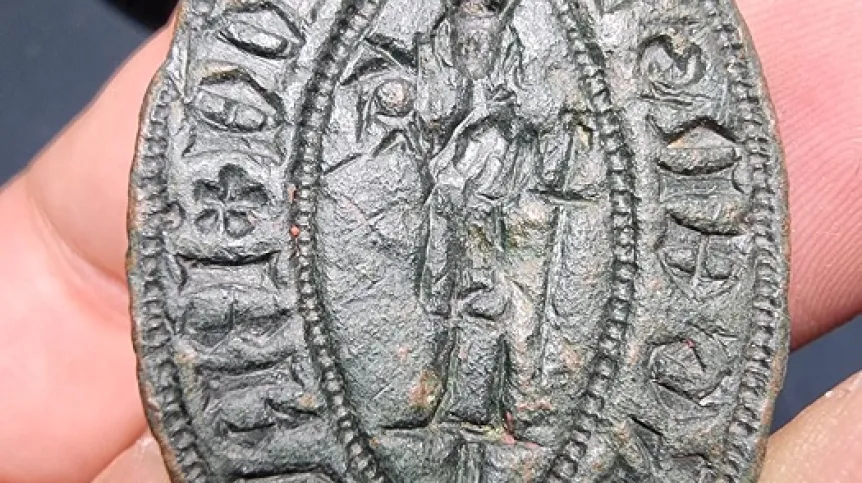
The Museum in Braniewo Received a Donation of a Rare Medieval Seal
Poland’s long-established Braniewo Museum recently enriched its collection with the acquisition of a rare 14th-century brass church seal. This well-preserved artifact is now on display in the museum’s main exhibition hall, attracting the attention of visitors. The seal features a Gothic inscription reading “+ S(igillum) ECC(lesia)E * BRUnSBERGEnSIS” along with an image of St. Catherine…
-
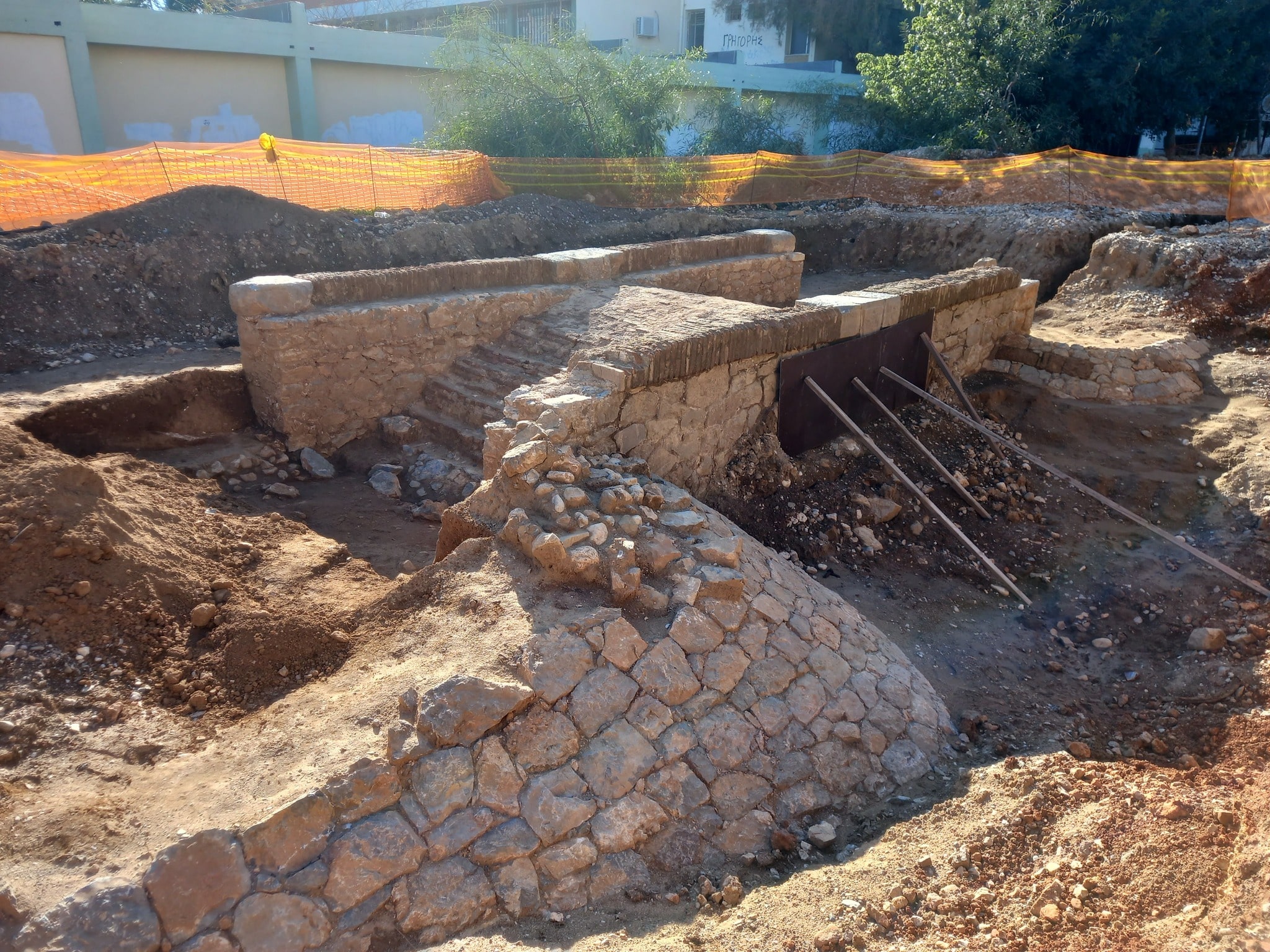
Ancient Roman Bridge Discovered During Railway Works in Greece
A Roman-era bridge was discovered during the ongoing suburban railway construction works in the ancient city of Elefsina, Greece. Elefsina (also known as Eleusis) is an ancient city located in the Attica region of Greece, 18 kilometers away from Athens. Situated on the coast of the Aegean Sea, Elefsina is particularly famous for the Eleusinian…
-
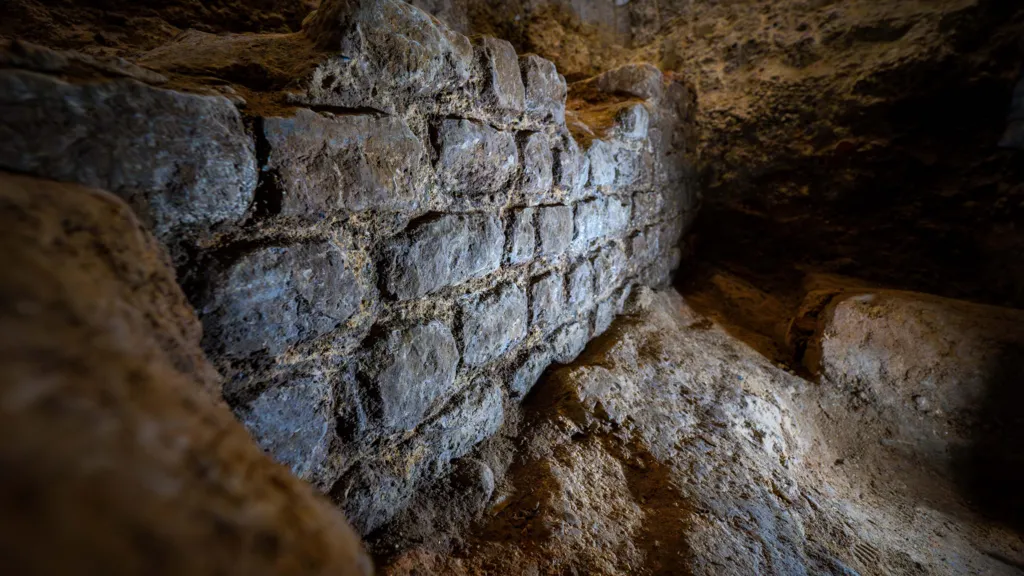
Archaeologists Discover Important Part of Roman Basilica in Basement of Building in London
Archaeological excavations in the basement of an office building in London have uncovered an important part of a Roman basilica. The team of archaeologists working at 85 Gracechurch Street experienced great excitement when they revealed sections of a stone wall that is believed to have formed the basilica’s foundation and should have been two and…
-

Archaeologists Discover Earliest Evidence of Metal Mining in Poland
Archaeologists from the Jagiellonian University Institute of Archaeology have uncovered the earliest evidence of metal extraction and smelting in Poland. They found that lead ornaments from the Early Iron Age originated from the Olkusz lead deposits in the Silesia-Kraków Upland. Their findings appeared in the journal Archaeometry. New Insights on Olkusz Ore Deposits The researchers…
-
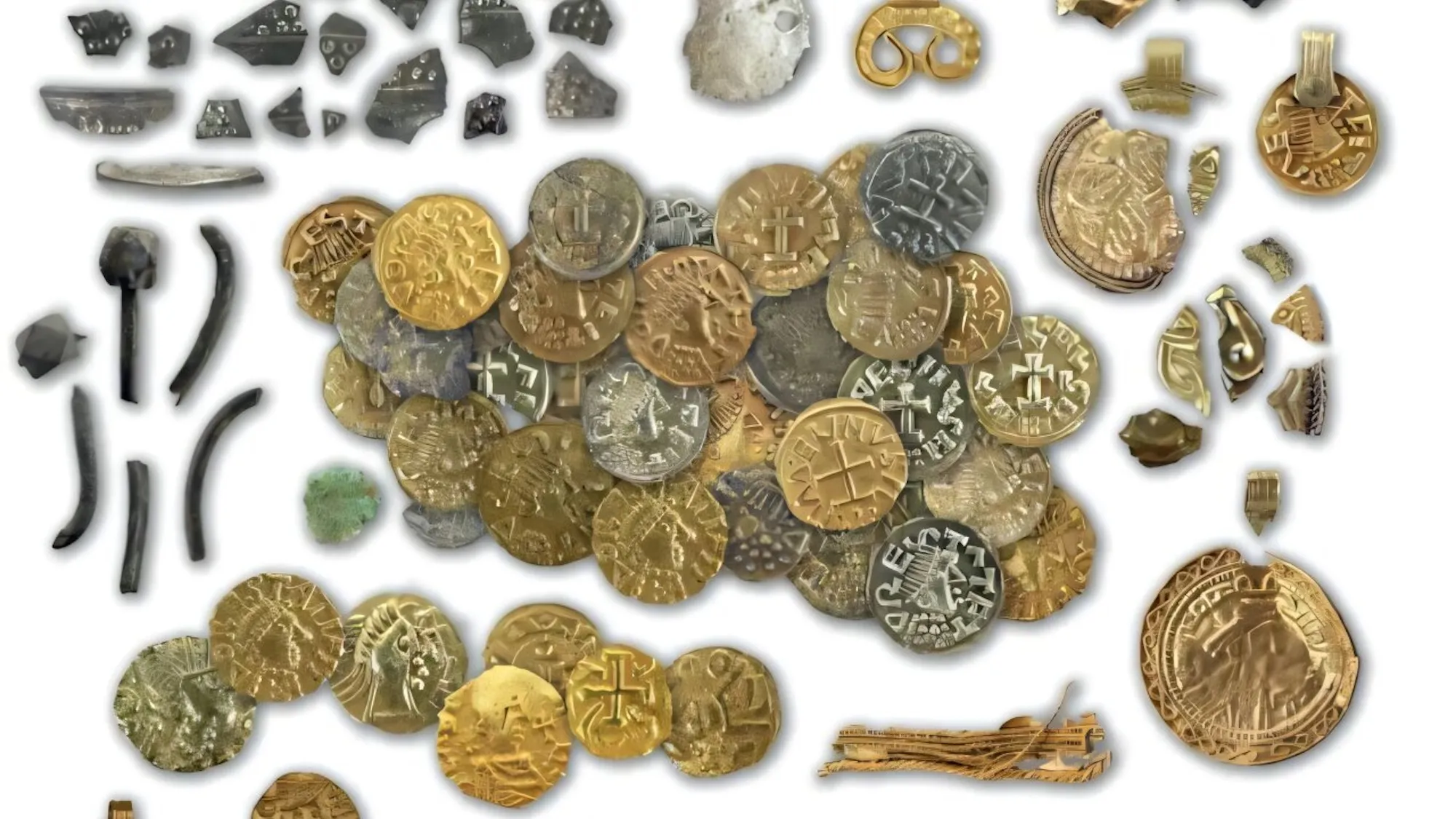
Archaeologists Discover ‘Devil’s Money’ in Eastern Netherlands
In a significant archaeological find, researchers uncovered ‘Devil’s Money’ at an early medieval site in Eastern Netherlands. This area likely served as a cultural hub. The discovery began in 2019 when metal detector enthusiasts found numerous ancient coins in a field. After seeing the coins, archaeologists, including Jan-Willem de Kort from the Netherlands Cultural Heritage…
-
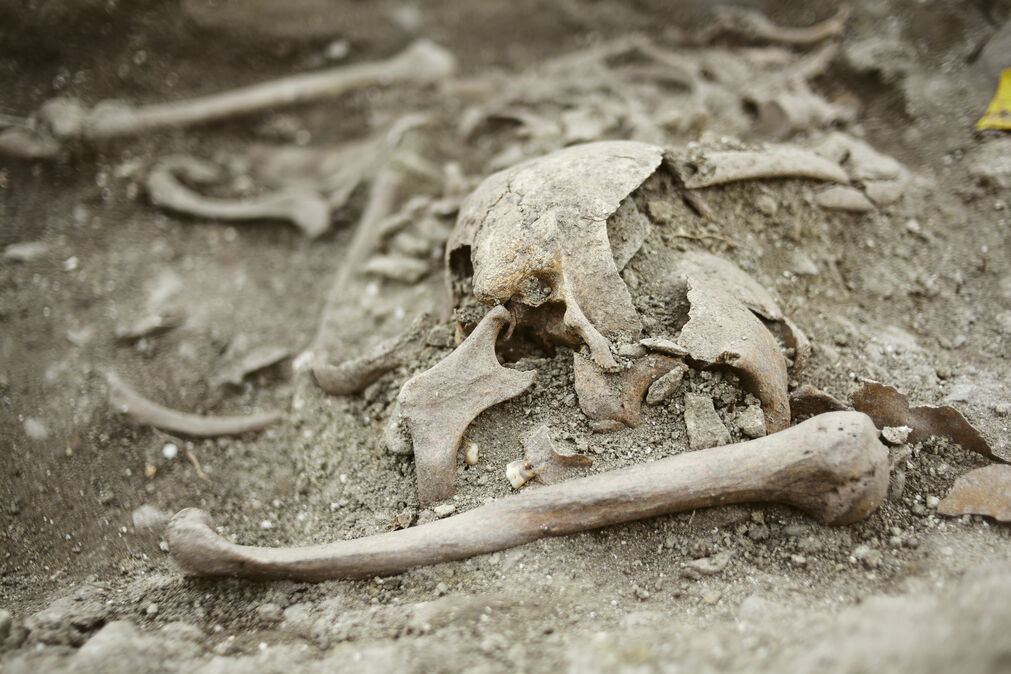
A Medieval ‘Vampire’ Grave Discovered in Croatia
Archaeologists investigating the Rašaška site, also known as Račeša, in eastern Croatia have uncovered an unusual medieval burial beneath the floor of a church. Identified as Grave 157, it was found near the building’s southern wall and appears to differ significantly from conventional Christian burial practices. Unusual Burial Practices The remains in Grave 157 show…
-
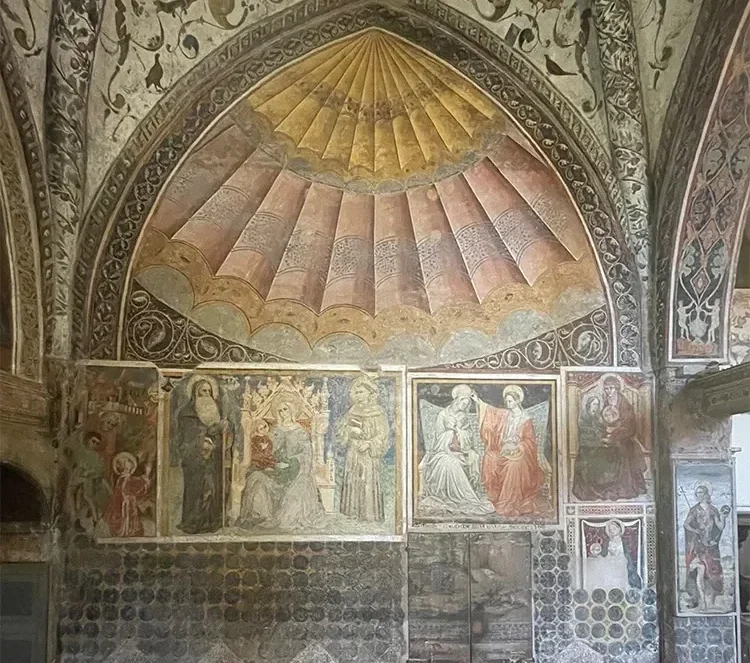
A 13th Century Fresco Discovered in Ferrara: Insights into the Use of Islamic Altar Tents in Christian Churches
A recently rediscovered fresco from the 13th century in Ferrara, Italy, reveals important insights into the use of Islamic tents in Christian churches. This fresco is the only surviving example of its kind and provides valuable evidence of lesser-known traditions in Christianity. Examination by Dr. Federica Gigante Dr. Federica Gigante, a historian from the University…