-
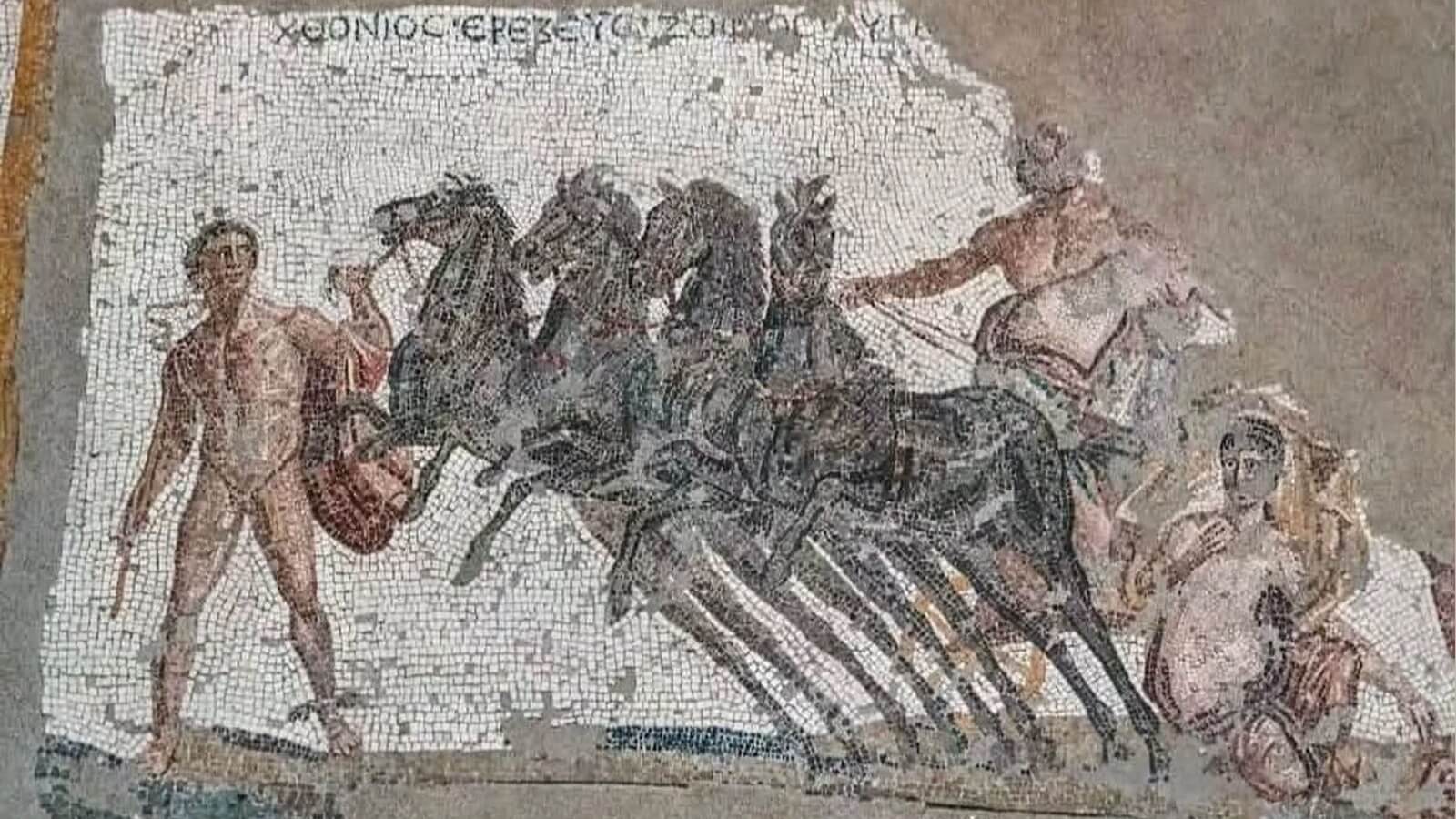
A 1,800-Year-Old Roman Mosaic Links Proserpina’s Abduction to the Changing Seasons
At the center of a Roman mosaic in the Centrale Montemartini, Pluto carries Proserpina toward the underworld in his chariot. Around this moment of violence, four personifications of the Seasons turn the scene into a wider story of separation, barrenness and the return of life. The large polychrome mosaic dates to the middle of the…
-
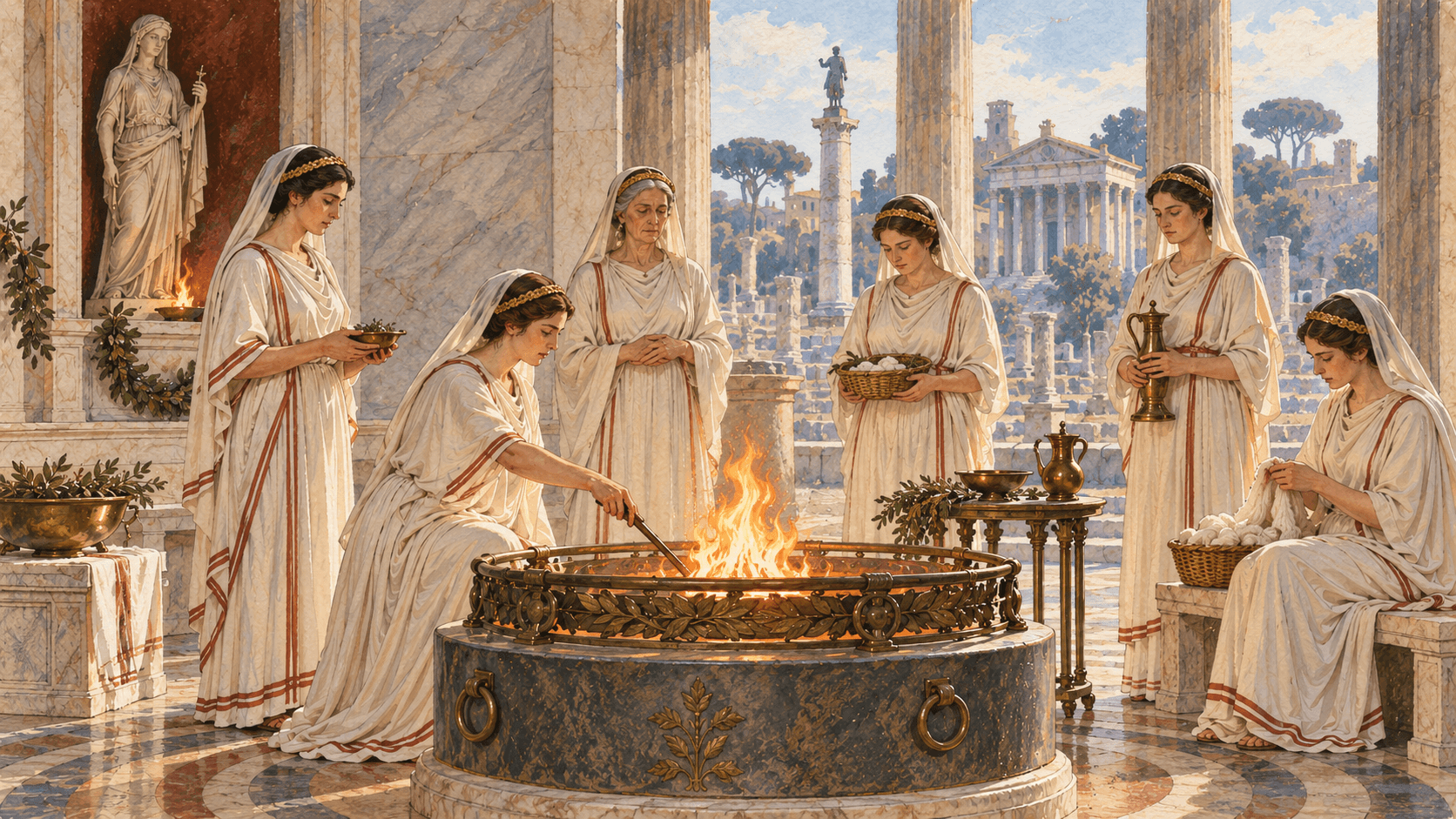
The Vestal Virgins Held Extraordinary Power but Lived Under Rome’s Absolute Control
At the eastern edge of the Roman Forum, a small fire carried the symbolic weight of an empire. Its flames belonged to Vesta, goddess of the hearth, but Romans believed they represented something far greater: the security, continuity and divine protection of Rome itself. Keeping that fire alive was entrusted to the Vestal Virgins, a…
-
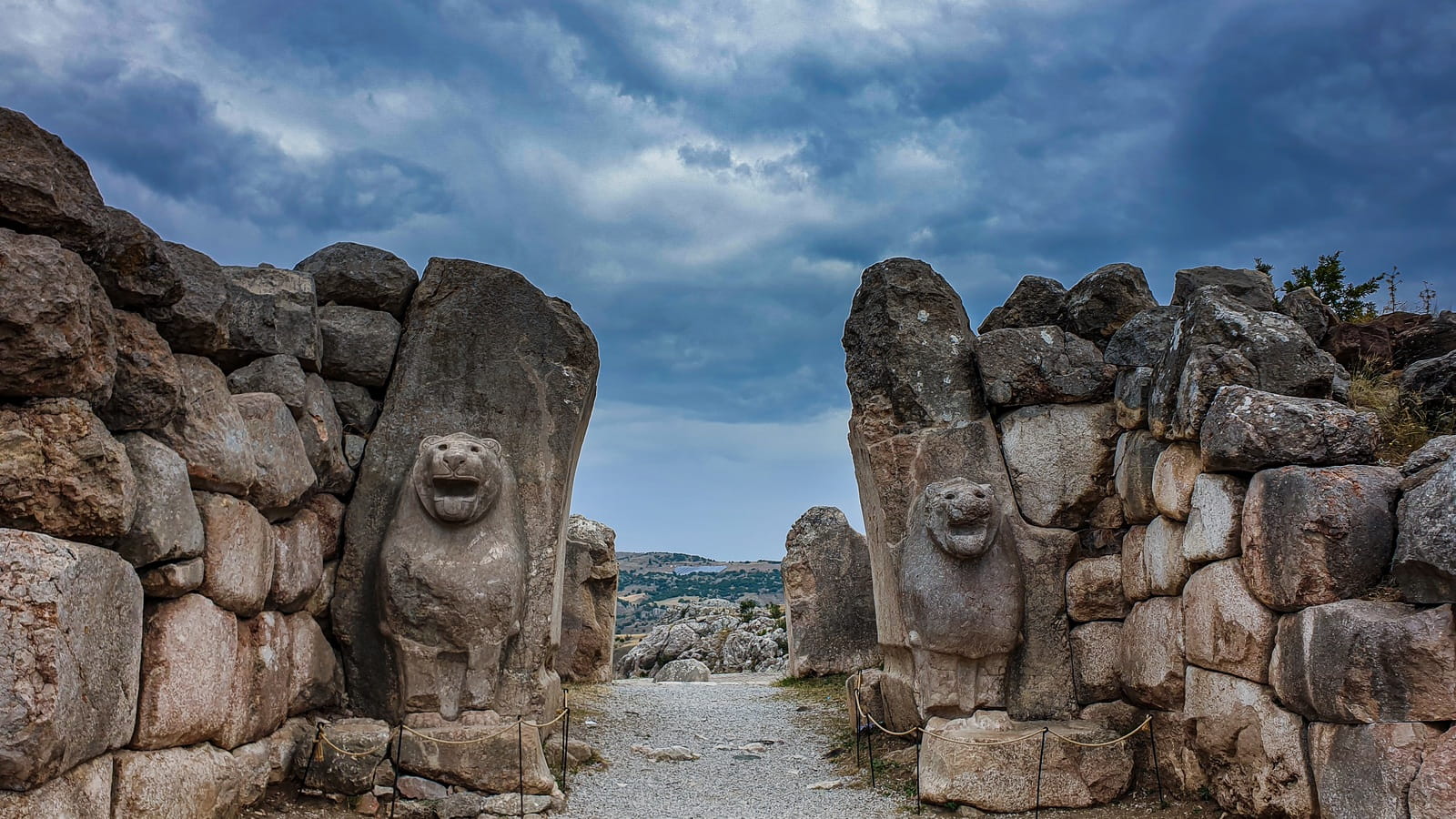
Ancient Hittite Text Reveals a 3,600-Year-Old Royal Power Struggle and a Woman Called the ‘Serpent’
An ancient Hittite text preserves the story of a royal power struggle that unfolded around 3,600 years ago, when a king rejected his intended successor and accused the young man of falling under the influence of a woman he described with a striking word: “serpent.” The episode appears in the political testament of Hattusili I,…
-
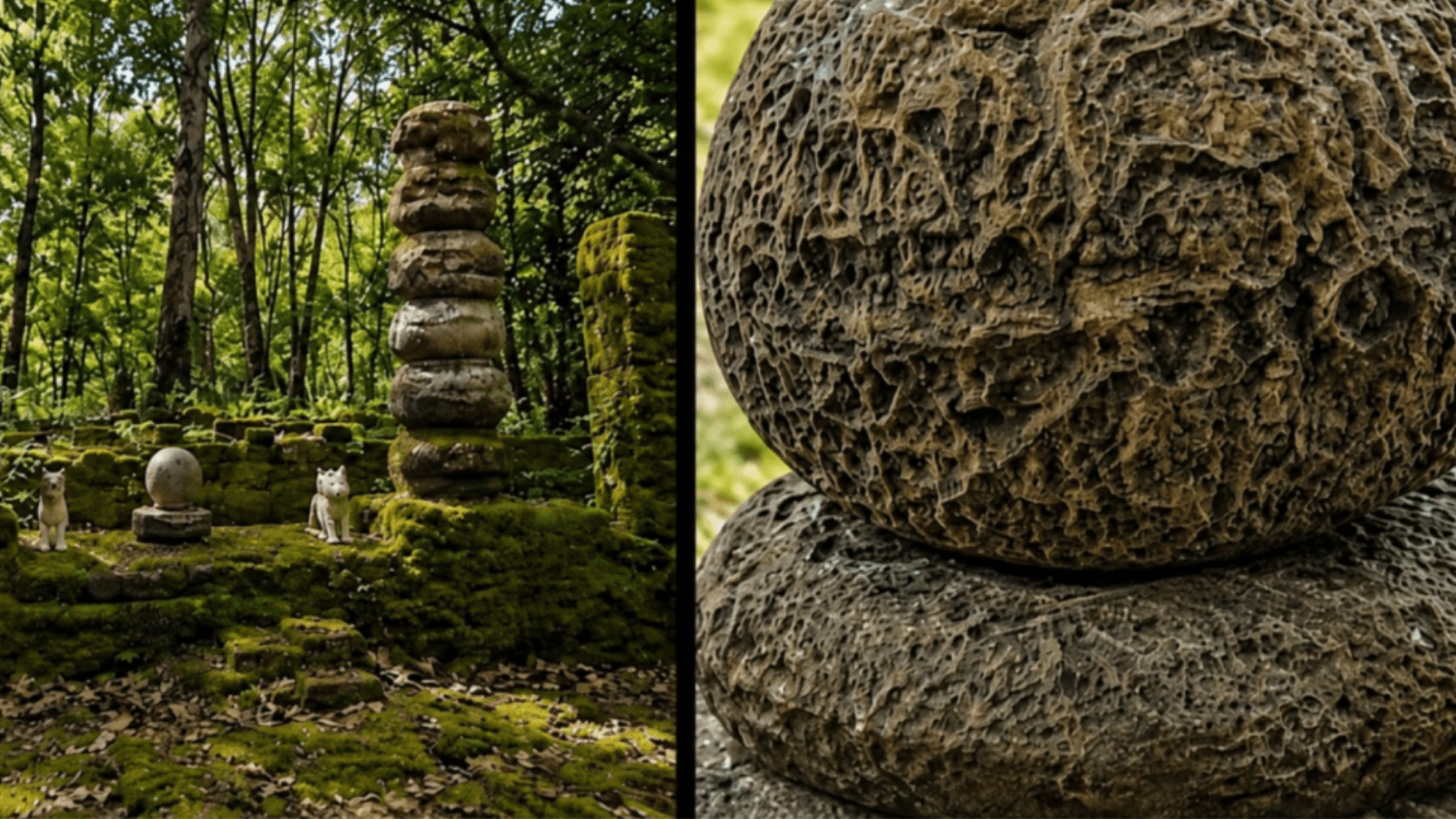
A Sacred Stone Worshipped for Generations Turns Out to Be 65 Million Years Old
For generations, members of the Baiga community in central India regarded an unusual stone formation in the forest as sacred, preserving it as part of a local shrine. Now researchers have discovered that the stone carries a history far older than any human tradition surrounding it. Tests identified the formation in Madhya Pradesh’s Dindori district…
-
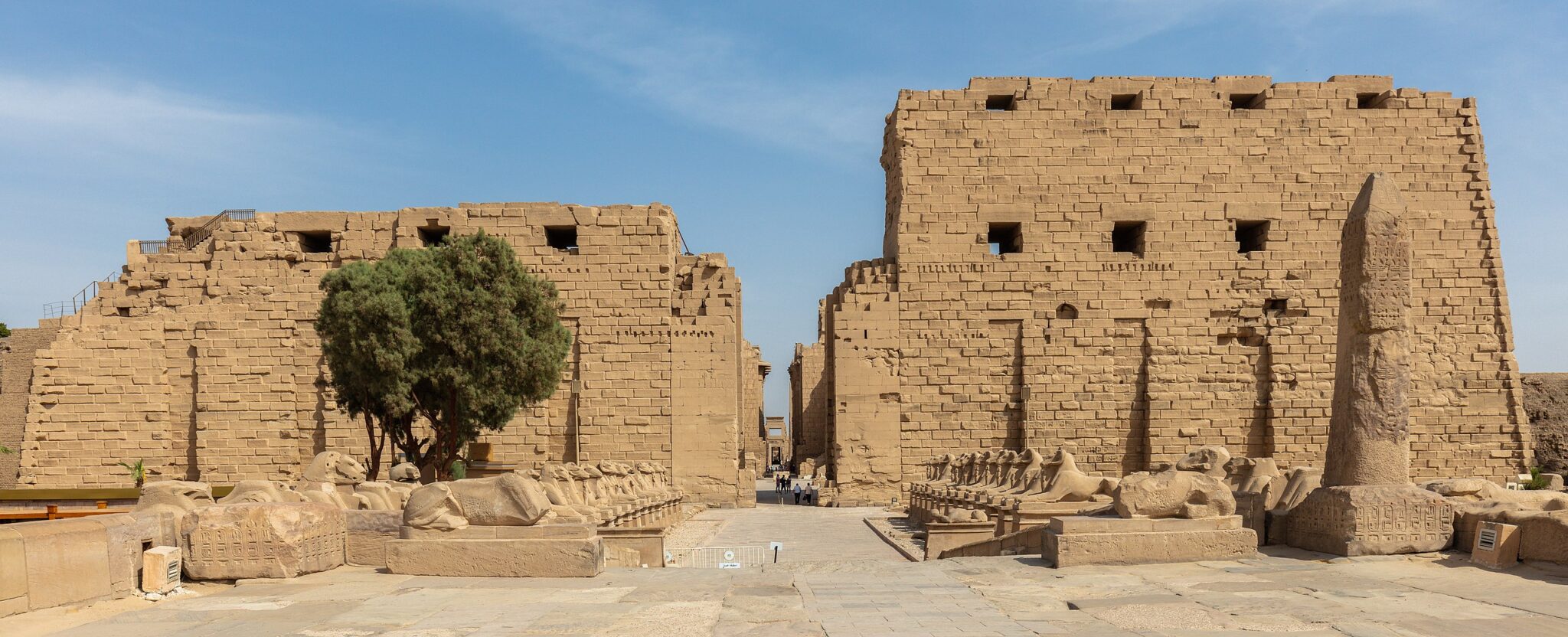
Karnak Temple May Have Been Built to Mirror an Ancient Creation Myth, New Research Suggests
For more than three millennia, Karnak has stood as the spiritual core of ancient Egypt. Now, a new scientific study suggests that its significance may run even deeper—rooted not only in theology, but in the very landscape from which it emerged. According to groundbreaking geoarchaeological research, the temple complex may have been deliberately founded on…
-
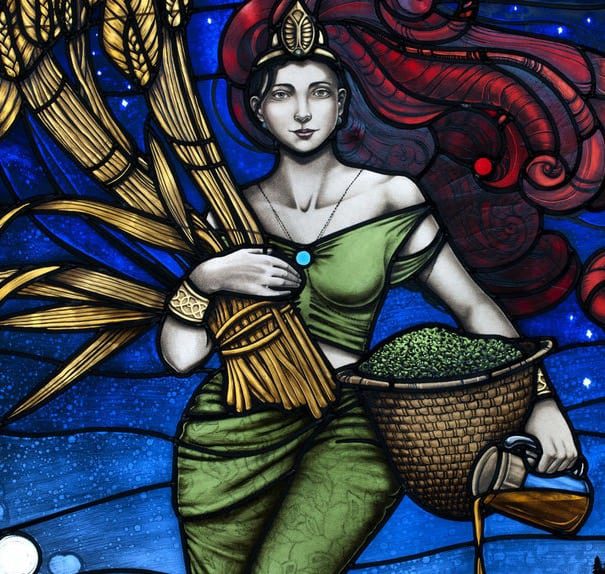
Ninkasi, the Sumerian Goddess of Beer — and the Sacred Hymn That Taught a Civilization How to Brew
In ancient Sumer, beer was more than a drink. It was nourishment, a safer alternative to unpredictable water sources, a social binder, and a sacred gift offered to gods and ancestors. Fermentation shaped daily life, ritual practice, and even the rhythm of community gatherings across Mesopotamia. At the center of this long-lived tradition stood Ninkasi…
-
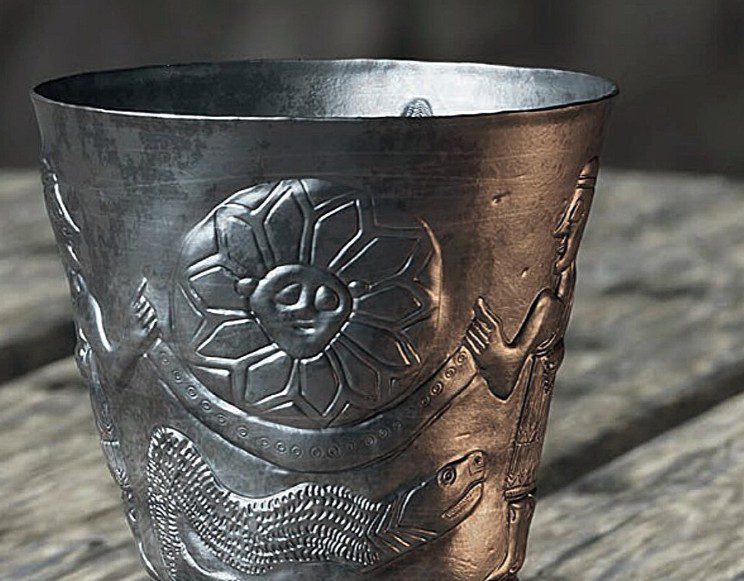
A 4,000-Year-Old Silver Goblet May Depict a Cosmic Creation Sequence — Not the Enuma Elish Myth
A new study is challenging long-held assumptions about one of the most enigmatic artworks from the Bronze Age Levant. The ˁAin Samiya goblet—an 8-centimeter silver vessel dated to the Intermediate Bronze Age (c. 2650–1950 BCE)—has traditionally been interpreted as an early visual reference to the Babylonian Enuma Elish creation myth. Now, fresh evidence suggests the…
-

From Phrygia to Colombia: The 3,000-Year Journey of the Cap of Liberty
How an Anatolian symbol of rebirth and freedom became part of Colombia’s national emblem The conical felt cap worn by the ancient Phrygians — once adorning the heads of shepherds, warriors, and priests of central Anatolia — has traveled far beyond its homeland. Today, the same “Phrygian cap” crowns the coat of arms of Colombia…
-
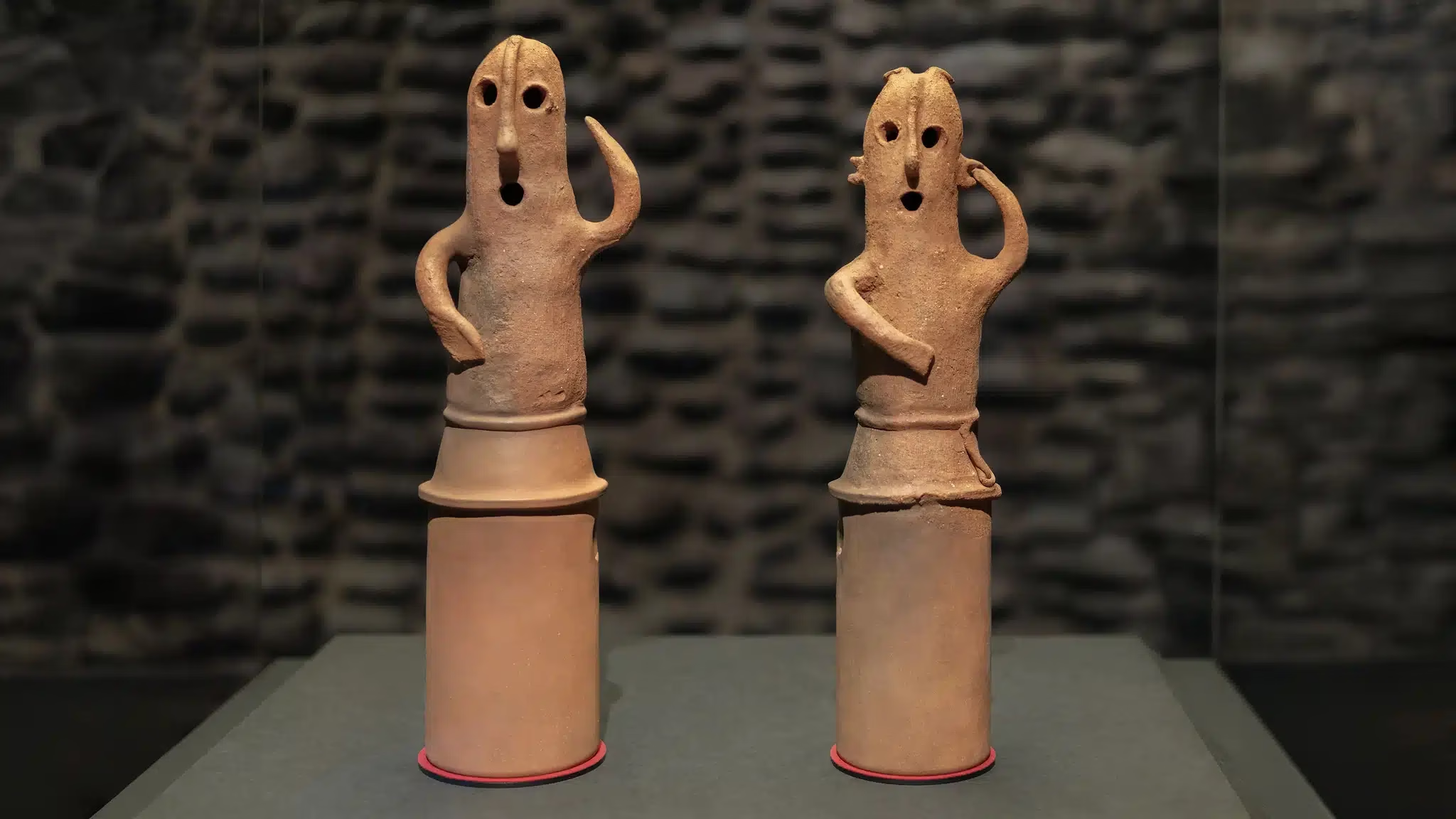
“Dancing People” Haniwa Figures: Guardians of the Afterlife from Japan’s Kofun Period
Japan’s Kofun period (AD 300–710) is renowned for its monumental burial mounds surrounded by terracotta sculptures known as haniwa. These clay figures, which began as simple cylinders, evolved into lifelike depictions of people, animals, houses, boats, and objects, offering a vivid window into the spiritual beliefs and daily life of early Japan. The Iconic “Dancing…