-
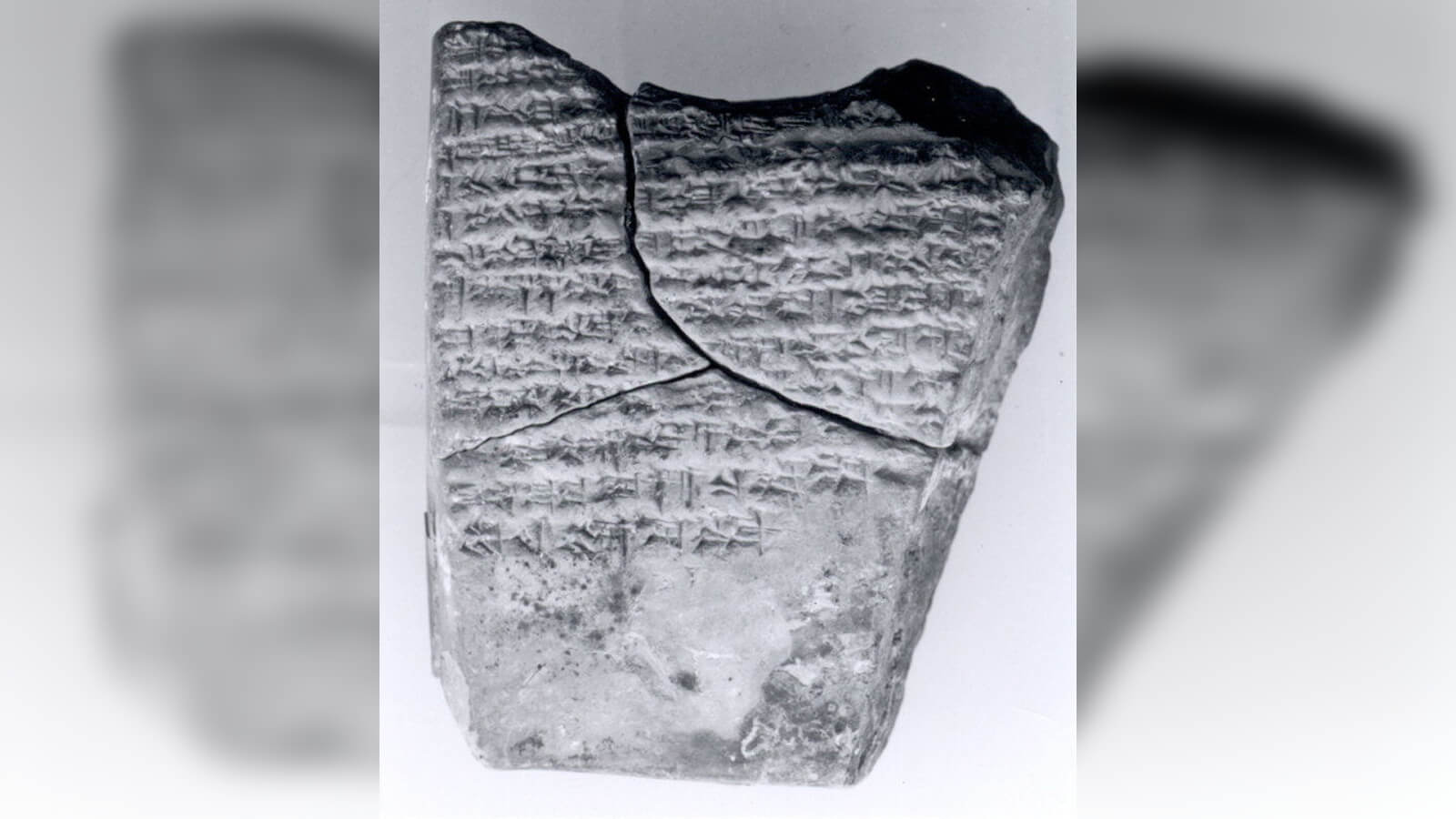
Ancient Babylonian School Tablets Reveal What Students Were Really Taught 2,500 Years Ago
More than 2,500 years ago, Babylonian school tablets were part of a demanding education built around copying signs, words and texts again and again. Instead of spelling exercises or multiplication tables, a student might work from a clay tablet containing the names of gods, a hymn to Marduk, or a story explaining how divine and…
-
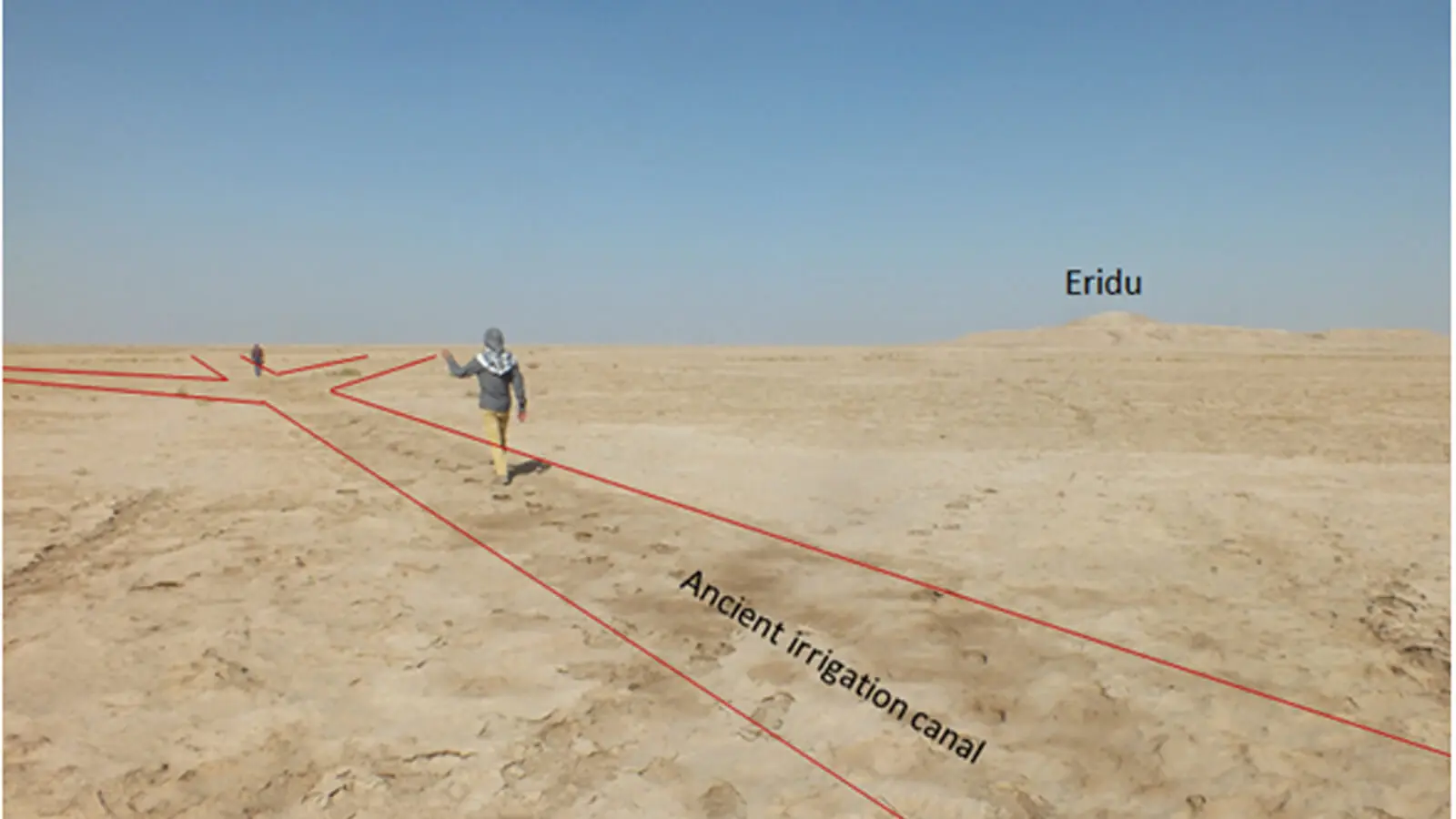
Satellite Images Reveal a 6,500-Year-Old Irrigation System Beside Ancient Eridu
For the first time, researchers have directly dated irrigation features surrounding Eridu, one of southern Mesopotamia’s earliest major settlements. The results show that people were managing water in this part of present-day Iraq as early as the fifth millennium BC. Published in the journal Iraq, the study examined channels extending from an abandoned course of…
-
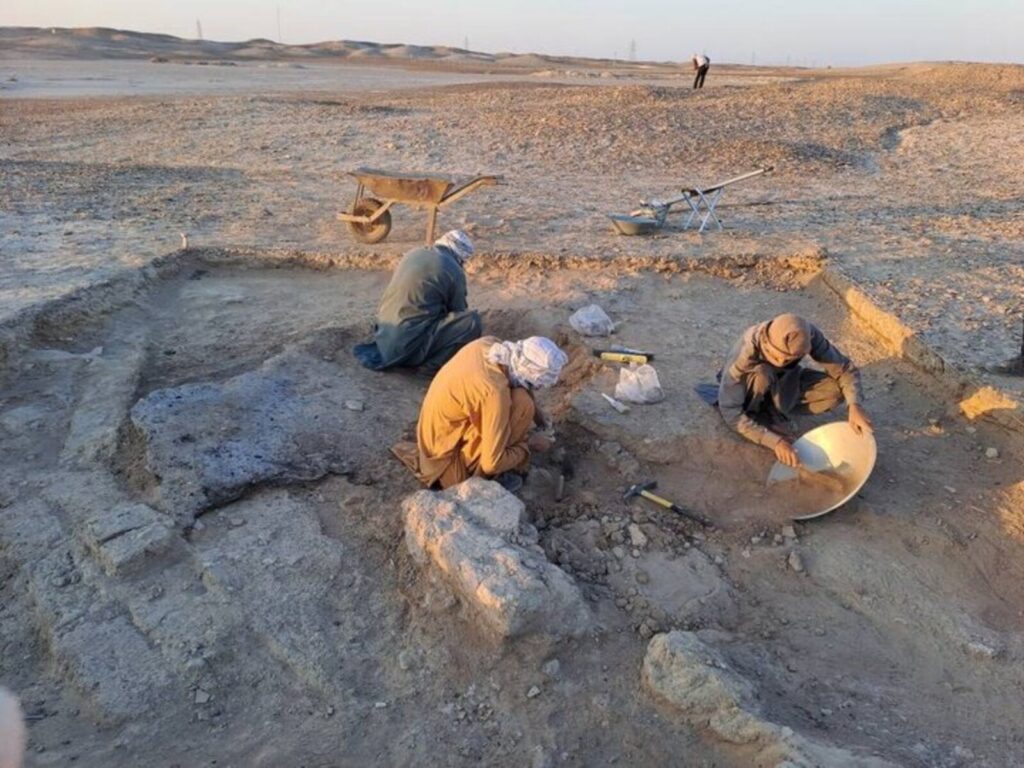
A Second 4,600-Year-Old Game Found at Iran’s Burnt City Has No Surviving Board
Archaeologists at Shahr-i Sokhta, Iran’s ancient Burnt City, have uncovered a second 4,600-year-old game, but unlike the famous gaming set discovered there nearly half a century ago, this one has no surviving board. The discovery was made during the 21st excavation season at the Bronze Age city in southeastern Iran. Excavation director Rouhollah Shirazi says…
-
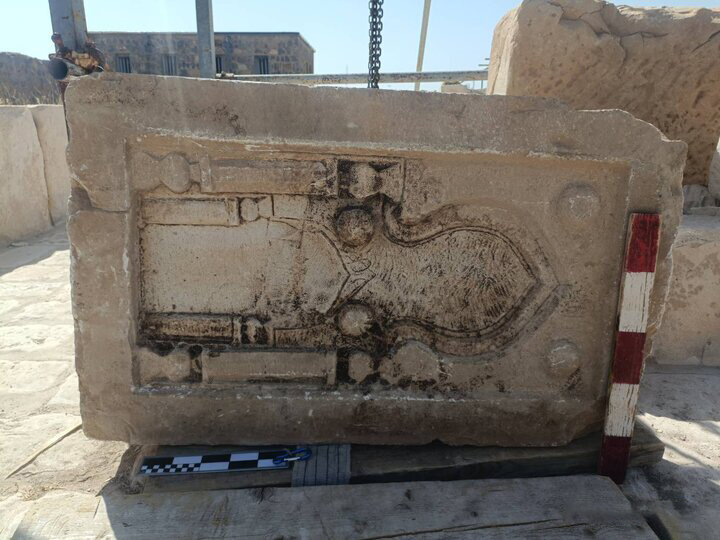
Historic Mihrab Discovered at Pasargadae Caravanserai in Iran
A historic mihrab has been identified during restoration work at a caravanserai within Pasargadae, the UNESCO-listed archaeological site that once served as the first capital of the Achaemenid Empire in Iran. The architectural feature was found during protective and conservation operations at the caravanserai, according to Seyyed Abdolmajid Abedi, head of the Pasargadae World Heritage…
-
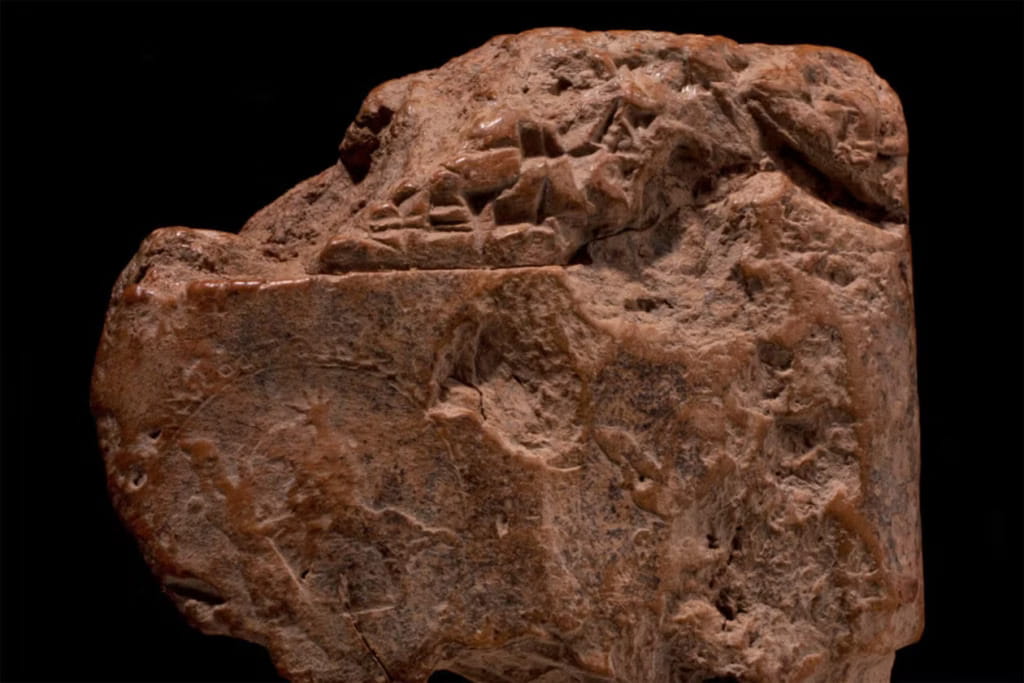
Three New Kings of Assyria May Have Been Erased from Ancient History
A battered land grant, a royal name carved over another and an inscription on a silver vessel made for beer have led researchers to three rulers missing from the accepted history of ancient Assyria. The proposed kings—Tiglath-pileser, Shalmaneser and Ashur-uballit—each appear to have held power for less than two years. All were excluded from the…
-
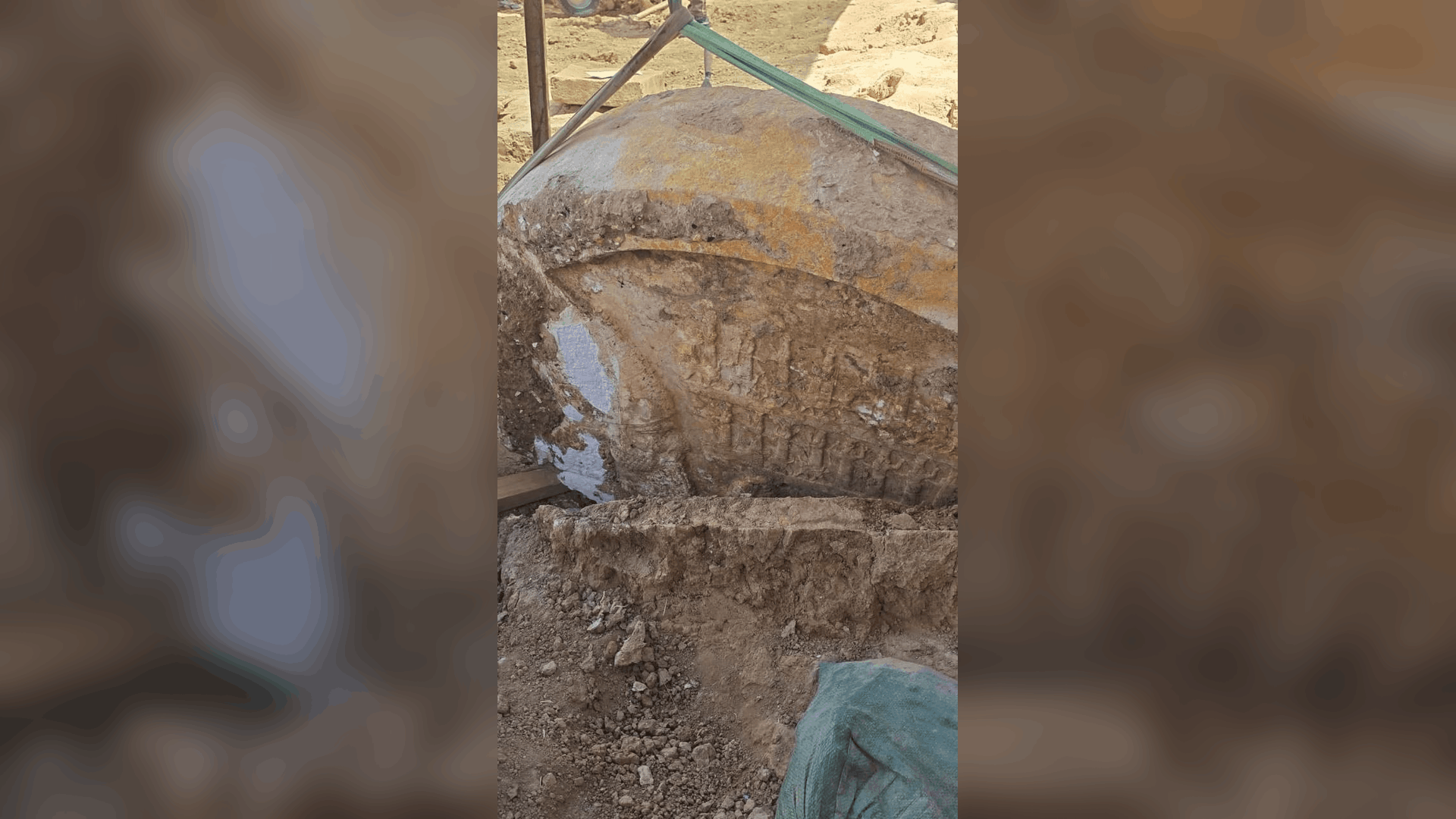
2,700-Year-Old Assyrian Stele Discovered at the Sun Gate of Ancient Nineveh
A stone monument has been uncovered at Bab Shamash, the ancient Sun Gate of Nineveh, where people once passed into one of the most powerful cities of the Assyrian world. Iraq’s State Board of Antiquities and Heritage announced the discovery during ongoing excavation work in Nineveh Governorate, northern Iraq. The large stone stele has been…
-
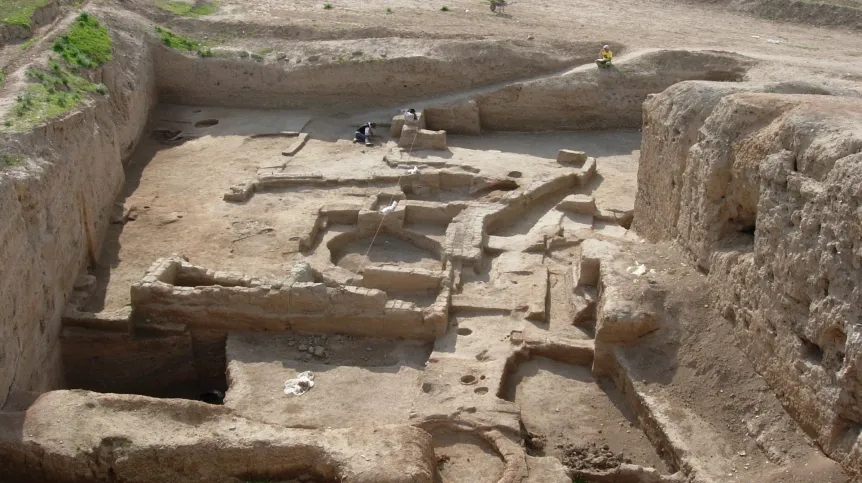
Broken Ribs on a 6,000-Year-Old Infant Skeleton Reveal a Dark Side of Early Urban Life
A 6,000-year-old infant skeleton from Tell Brak in northeastern Syria has revealed one of the rarest traces of violence against a child in prehistoric archaeology. The child, who died between six and nine months of age, was buried during the Late Chalcolithic period, around 4200–3900 BCE. A new study by researchers from the University of…
-
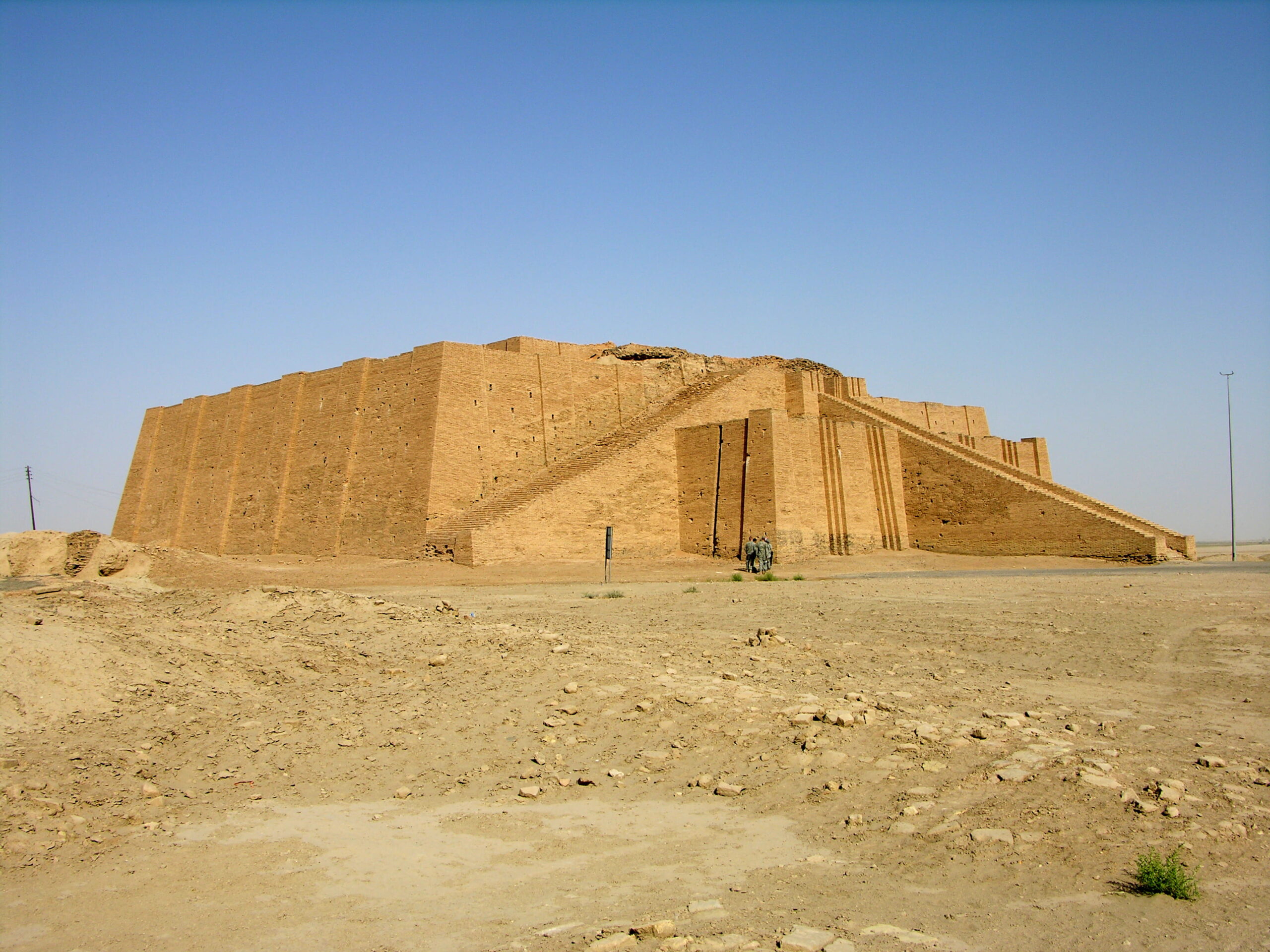
Sumer’s 4,000-Year-Old Ziggurat of Ur Is Being Restored as Climate Erosion Eats Into Ancient Iraq
Climate erosion is now threatening the 4,000-year-old Ziggurat of Ur, one of ancient Sumer’s most iconic monuments, as restoration work begins in Iraq’s Dhi Qar province to protect the sacred tower from salt, sand and rising heat. The monument, built around 2100 BC by King Ur-Nammu and dedicated to the moon god Nanna, has survived…
-

Ashurbanipal Stele Found at Nineveh’s Shamash Gate, Where Two Catastrophes Struck 2,600 Years Apart
At Nineveh’s Shamash Gate, archaeologists have uncovered an unusually powerful record of destruction: the fall of the Assyrian capital in 612 BC and the scars of the modern battle for Mosul more than 2,600 years later. The discovery comes from recent work at the monumental eastern entrance to ancient Nineveh, one of the most important…