-
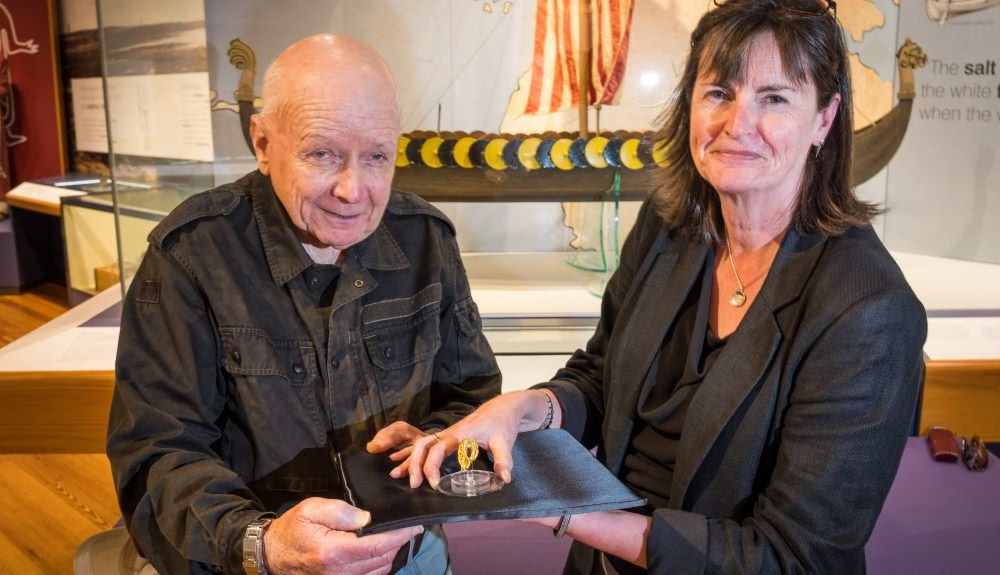
1,000-Year-Old Viking Treasure Unearthed on the Isle of Man
A routine metal-detecting session on the Isle of Man has led to a remarkable discovery—a rare piece of Viking gold jewelry dating back over a thousand years has officially been declared treasure. The historic find, made in the spring of 2025 by veteran metal detectorist Ronald Clucas, offers a fresh glimpse into the island’s rich…
-
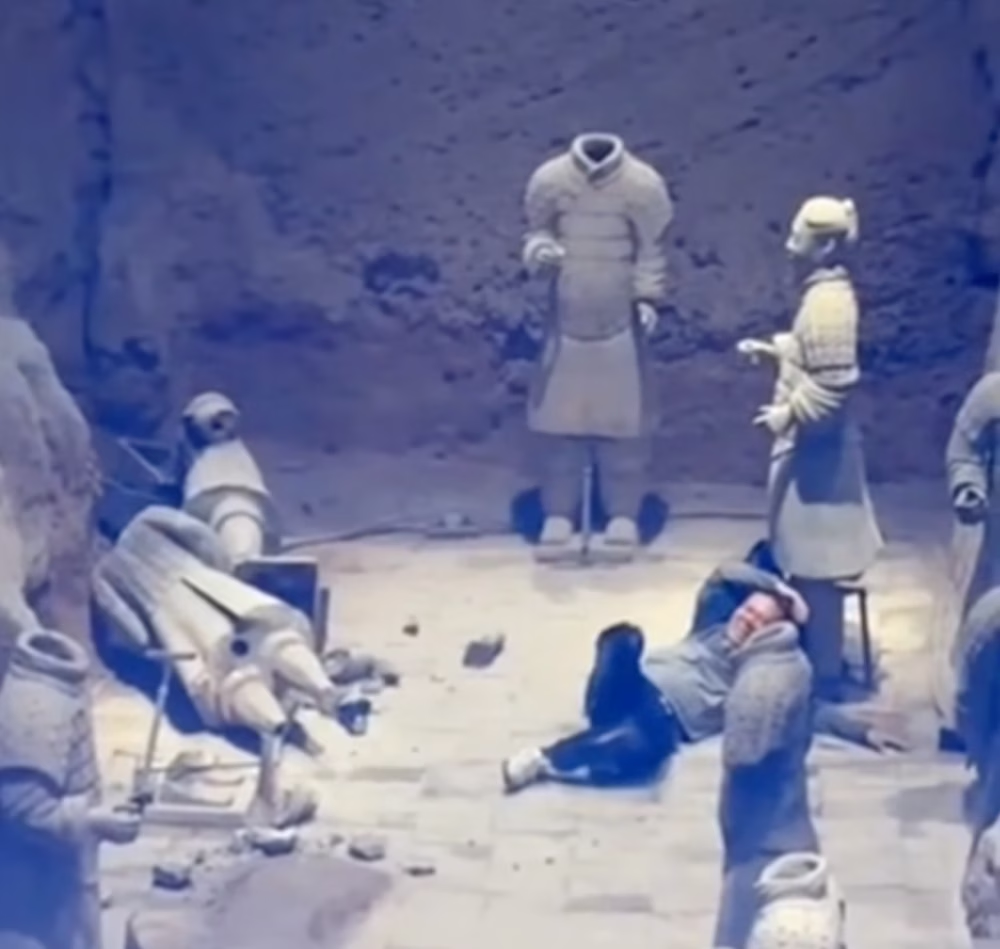
Terracotta Army Damaged After Tourist Jumps Into Protected Display Area
A domestic tourist caused damage to two ancient statues in China’s iconic Terracotta Army exhibition after jumping into a restricted area, authorities confirmed on Friday. The incident occurred at the Terracotta Army Museum in Xi’an, the capital of Shaanxi province, when a 30-year-old man, identified by his surname Sun, reportedly climbed over safety barriers and…
-
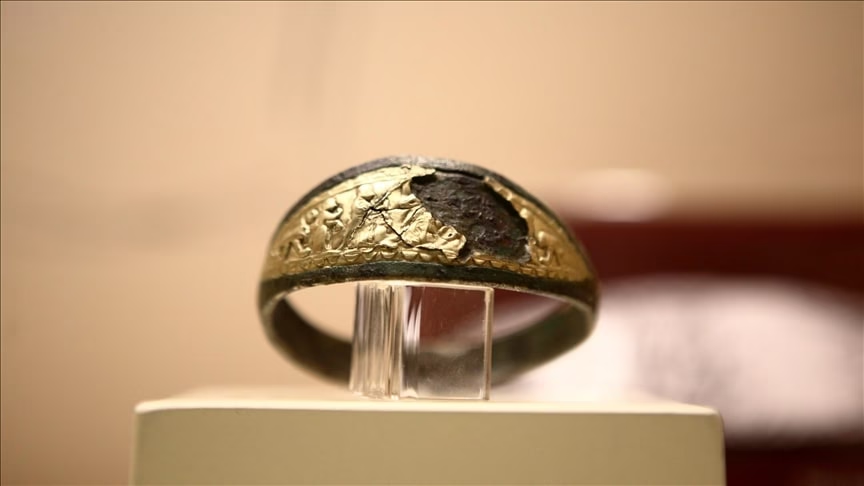
3300-Year-Old Hittite Bracelet Discovered by Farmer Now on Display at Çorum Museum
A farmer plowing his field in the village of Çitli, located in the Mecitözü district of Turkey’s Çorum province, made an extraordinary discovery: a 3,300-year-old bracelet intricately crafted with gold. Experts later identified it as an electrum bracelet from the Hittite Empire, dating back to the 13th century BCE. After a meticulous restoration process, the…
-
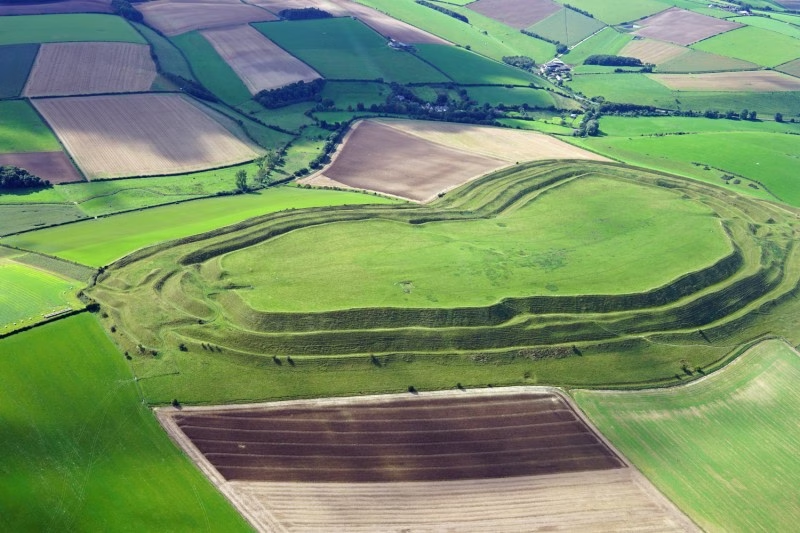
History Rewritten: Roman Massacre at Maiden Castle Debunked After 90 Years
Groundbreaking research from Bournemouth University challenges a long-held narrative in British archaeology A dramatic new study from Bournemouth University archaeologists has shattered a decades-old myth surrounding one of Britain’s most iconic ancient sites. Contrary to popular belief, the so-called “Roman massacre” at Maiden Castle in Dorset never happened. Published in the Oxford Journal of Archaeology,…
-
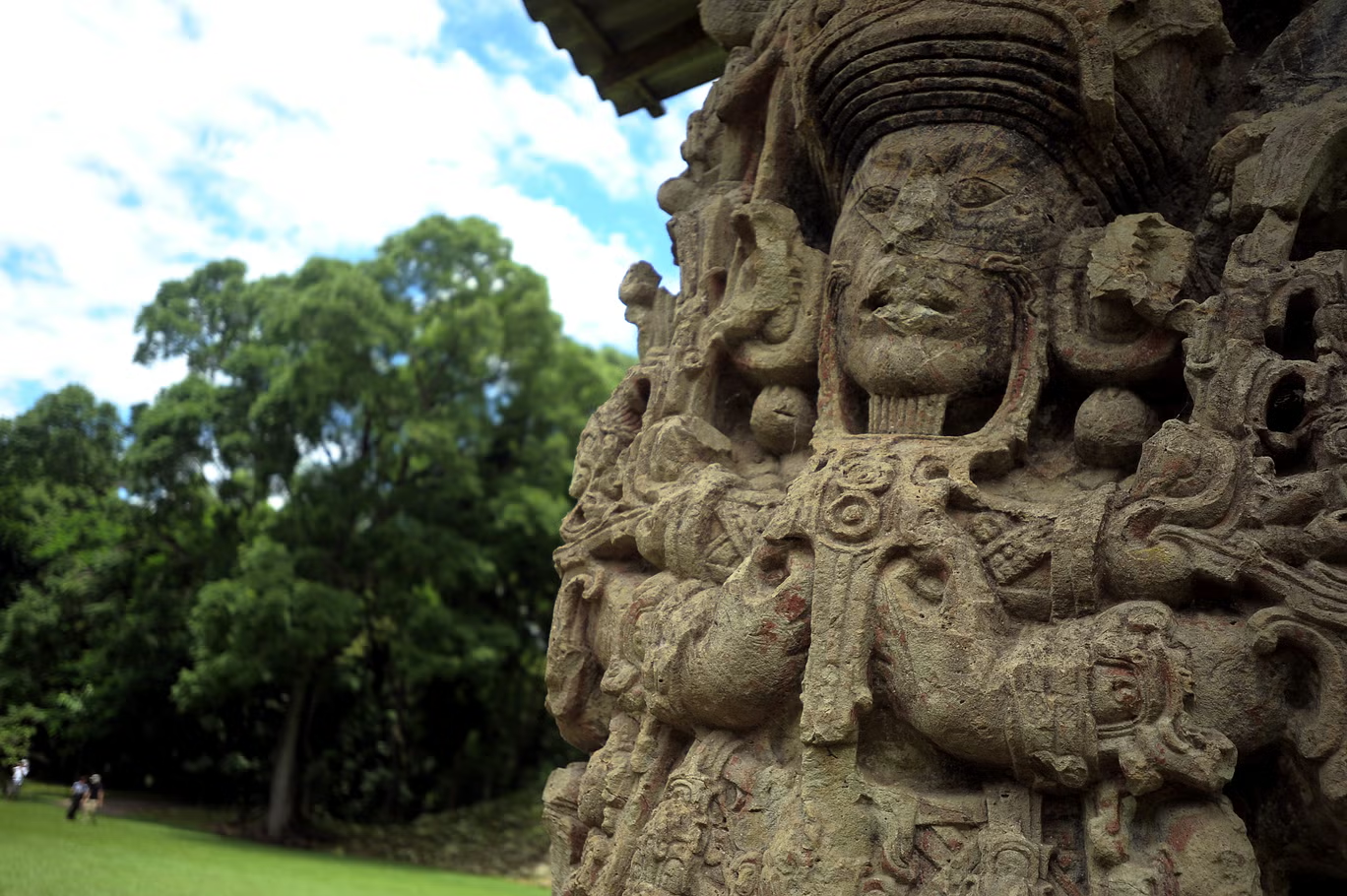
Ancient Skeletons Unearthed in Copán Reveal Clues About the Fall of the Maya Civilization
New genomic research from the ruins of Copán—a UNESCO World Heritage Site in Honduras—is shedding fresh light on one of history’s great enigmas: the collapse of the Maya civilization. Copán flourished between the 3rd and 10th centuries CE, during what historians call the Classic Maya period. For over 400 years, it served as a major…
-
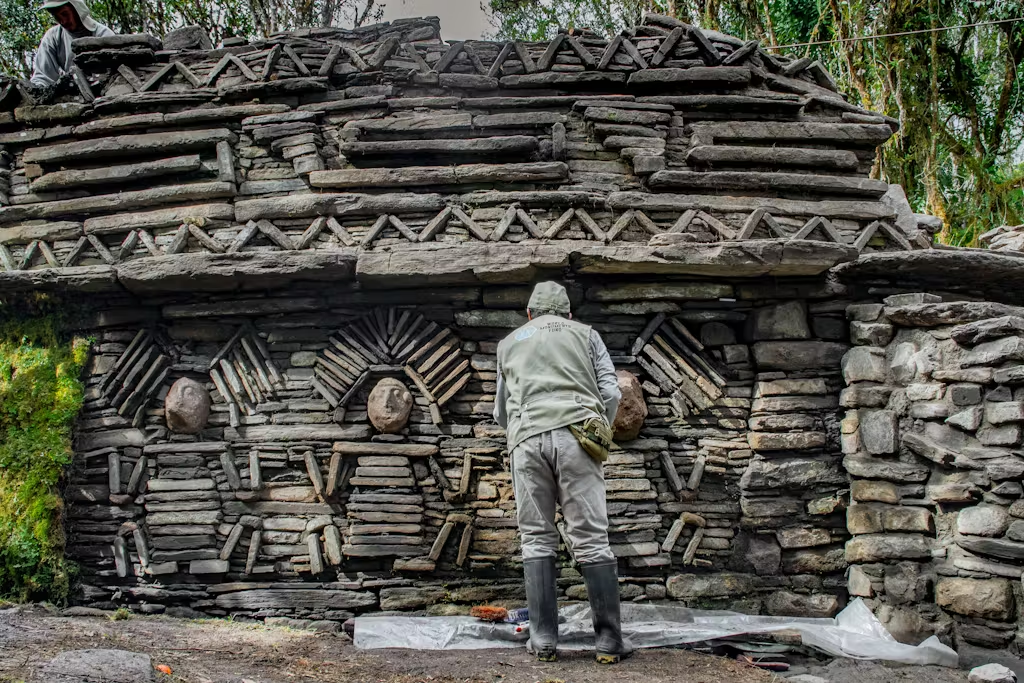
Groundbreaking Discovery at Gran Pajatén: Over 100 New Archaeological Structures Uncovered
The World Monuments Fund (WMF) has announced a major archaeological breakthrough in Peru’s San Martín region, uncovering more than 100 previously undocumented structures at Gran Pajatén — one of the most mysterious and architecturally significant remnants of the Chachapoya civilization. Located within the Río Abiseo National Park, a UNESCO Mixed World Heritage Site renowned for…
-
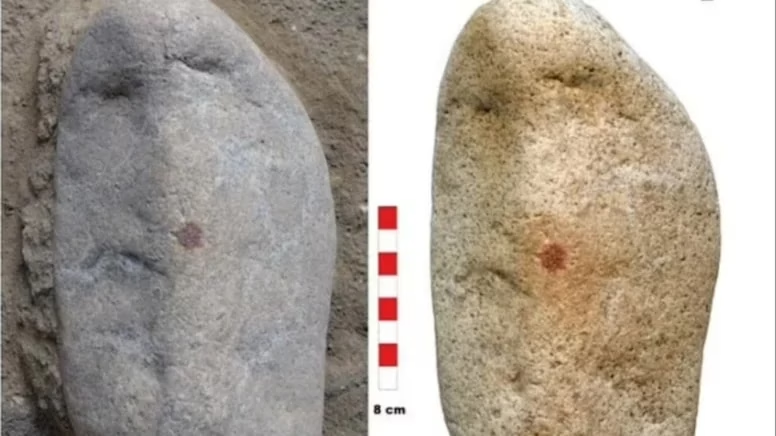
Could This 43,000-Year-Old Stone Bear the Earliest Neanderthal Art?
A striking archaeological discovery in Spain may offer a rare glimpse into the symbolic world of Neanderthals. A quartz-rich pebble unearthed in a prehistoric rock shelter appears to bear a red mark that researchers believe might have been intentionally placed by a Neanderthal around 43,000 years ago—possibly as part of an abstract representation of a…
-
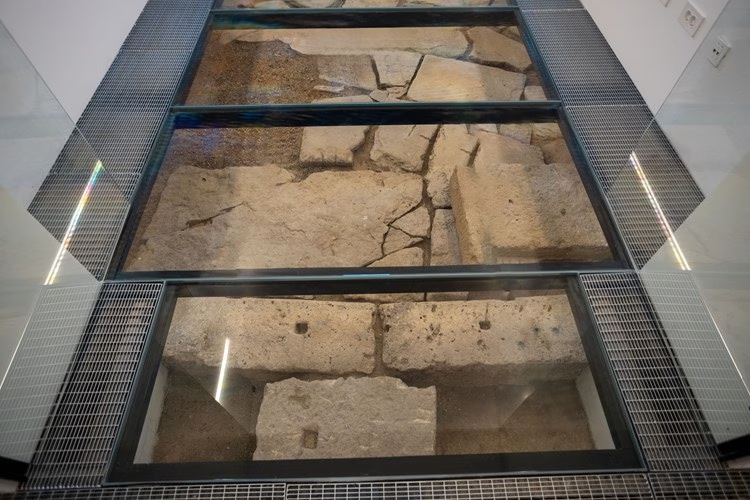
Earthquake Unveils Hidden Roman Theater Beneath Croatian City Hall
A powerful earthquake that struck Croatia in 2020 has led to a groundbreaking archaeological discovery beneath a historic government building—uncovering a well-preserved Roman theater hidden for centuries. During post-earthquake renovations of Sisak City Hall, originally built in 1914, archaeologists made a remarkable find beneath the building’s basement: a Roman odeon, a semicircular performance theater once…
-
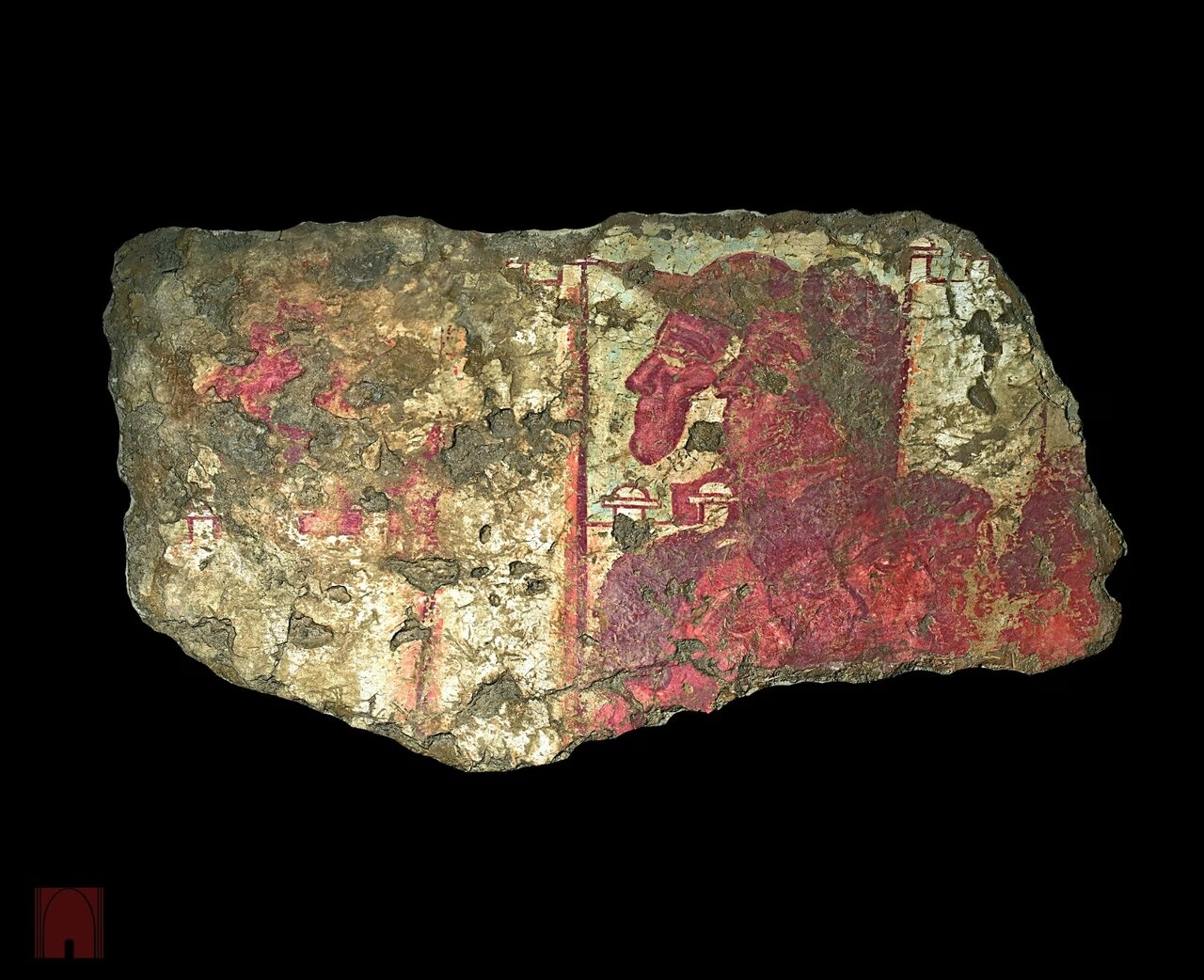
Discovered in Iran, a Mysterious Parthian Mural at Kuh-e Khwaja Still Unlocks Ancient Secrets
Although it was first uncovered during a 1976 excavation, a rare mural from the Parthian era (1st–3rd centuries CE) continues to fascinate experts and shed light on one of ancient Iran’s most intriguing archaeological sites—Kuh-e Khwaja, located in the remote Sistan region of southeastern Iran. Painted on a traditional clay-and-straw (kah-gel) surface, the mural once…