-
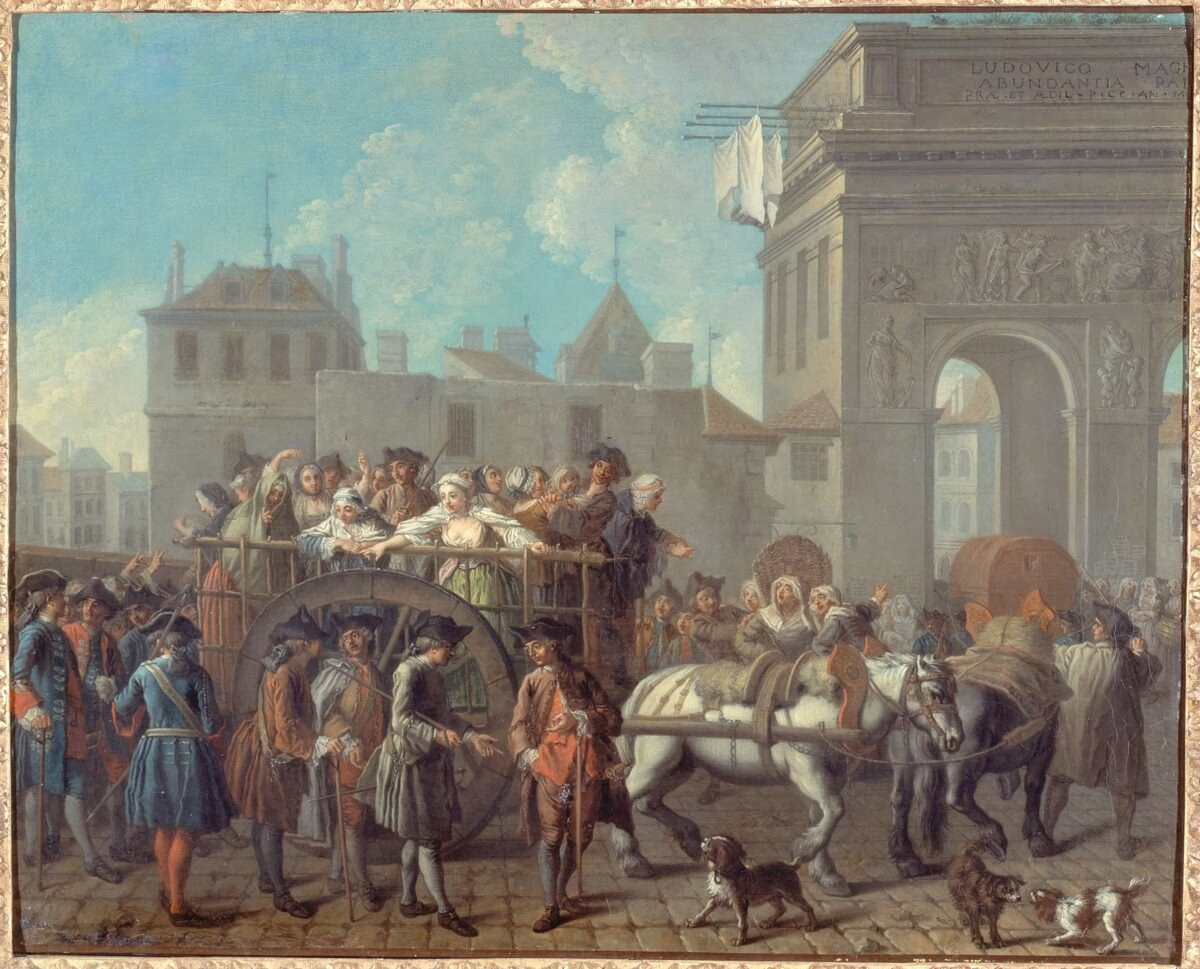
A Glimpse of Compassion in a Medieval Brothel: Belgian Discovery Challenges Centuries-Old Assumptions
An extraordinary archaeological discovery in Aalst, Belgium, sheds new light on the lives of medieval sex workers, revealing a forgotten story of motherhood and care in the unlikeliest of places — a 14th-century brothel. 📍 Aalst, Belgium — A recent scientific investigation into a baby’s remains uncovered at a medieval brothel site is rewriting long-standing…
-
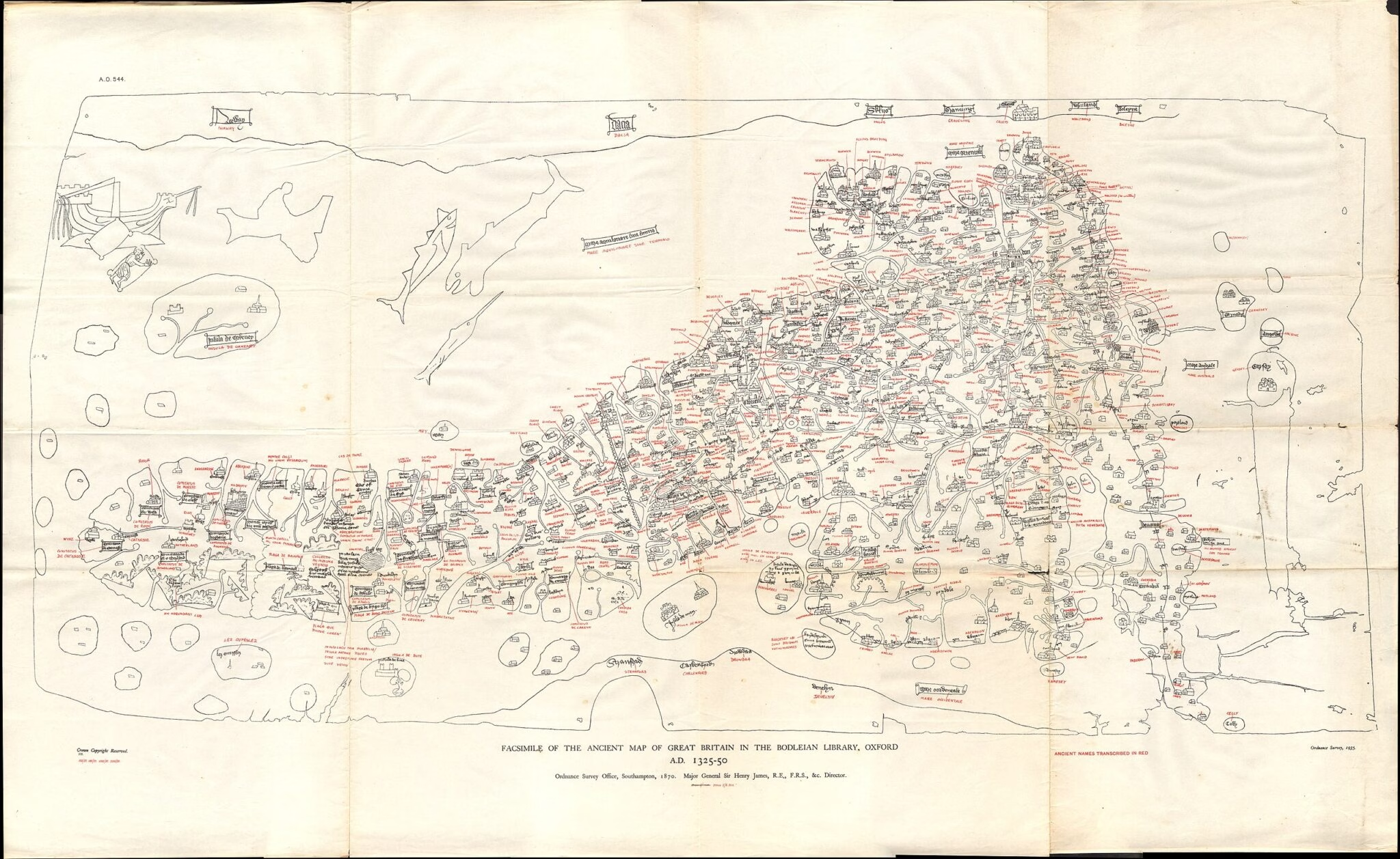
Digitally Reconstructed Roman Roads: How Medieval Britain’s Travel Routes Were Shaped Over 1,000 Years
A team of researchers has digitally reconstructed medieval travel routes across England and Wales, revealing how Roman roads influenced mobility for over a millennium after the empire’s fall. Historians and digital archaeologists have created a groundbreaking Geographic Information Systems (GIS) database based on the mysterious 15th-century Gough Map, which depicts England and Wales with intricate…
-
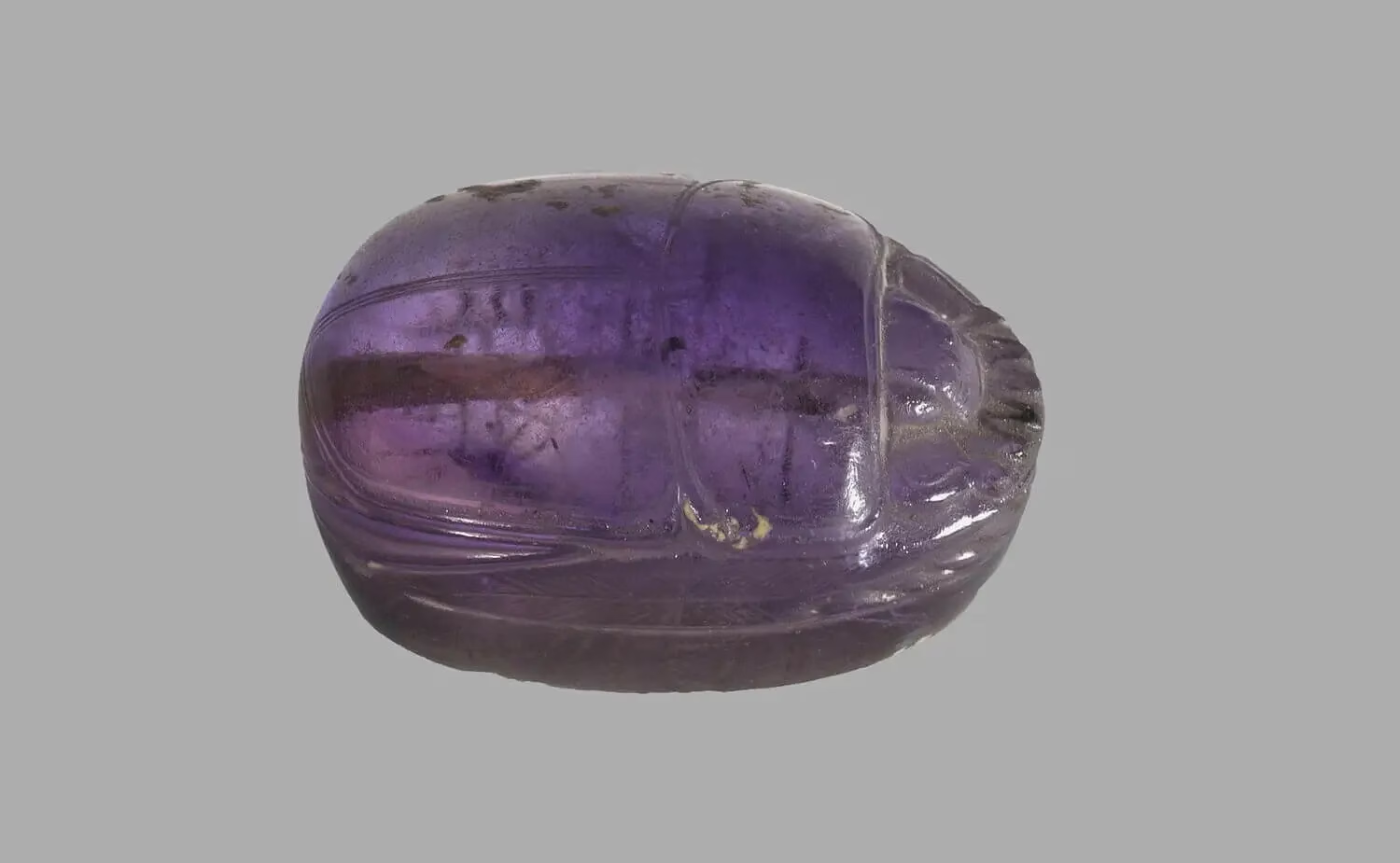
Amethyst Scarab: The Purple Marvel of Ancient Egypt
Among the most iconic symbols of ancient Egypt, the scarab beetle stands out not only for its form but also for the materials from which it was crafted. One particularly rare example is a scarab made of deep purple amethyst, said to have been discovered in Tomb IV at Jebail (ancient Byblos), Lebanon, as recorded…
-
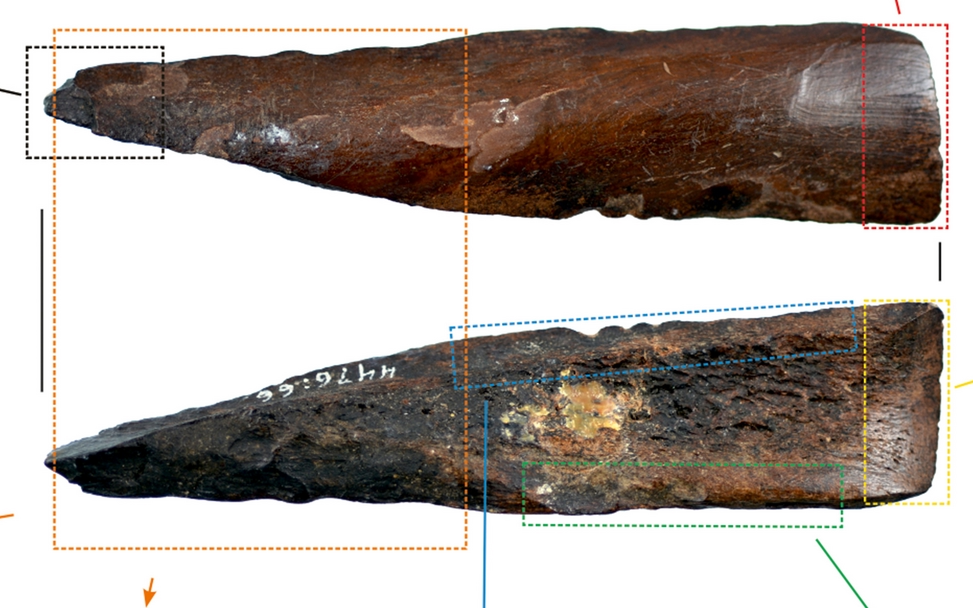
Stone Age Innovation: Bone Tool from Estonia May Be Prehistoric Multi-Tool, Study Finds
A recent archaeological study has uncovered surprising new insights into the daily life of Mesolithic hunter-gatherers in Estonia, revealing that an enigmatic class of bone tools may have served a vital — and previously misunderstood — function: stripping pine bark. The findings, published in February 2025, are the result of a collaboration between Polish and…
-
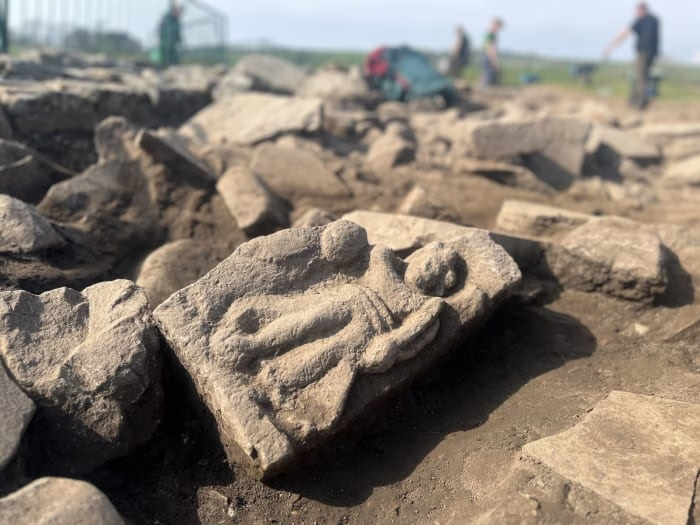
1,800-Year-Old Roman Goddess of Victory Relief Discovered Near Hadrian’s Wall
Remarkable Archaeological Find at Vindolanda Fort Sheds Light on Roman Britain’s Military and Cultural Legacy A rare 1,800-year-old Roman sandstone relief depicting Victoria, the goddess of Victory, has been unearthed near Hadrian’s Wall at the historic Vindolanda Roman fort in Northumberland, UK. This exceptional discovery offers fresh insight into the cultural symbolism and military history…
-

A Cosmic Warning from 14,300 Years Ago: The Most Powerful Solar Storm Ever Detected
A groundbreaking scientific discovery has revealed what is now considered the most powerful solar particle storm ever recorded—dating back approximately 14,300 years to 12,350 BCE. This extreme solar event, identified through ancient tree ring analysis, not only sheds light on our planet’s cosmic past but also raises important questions about future space weather risks. A…
-
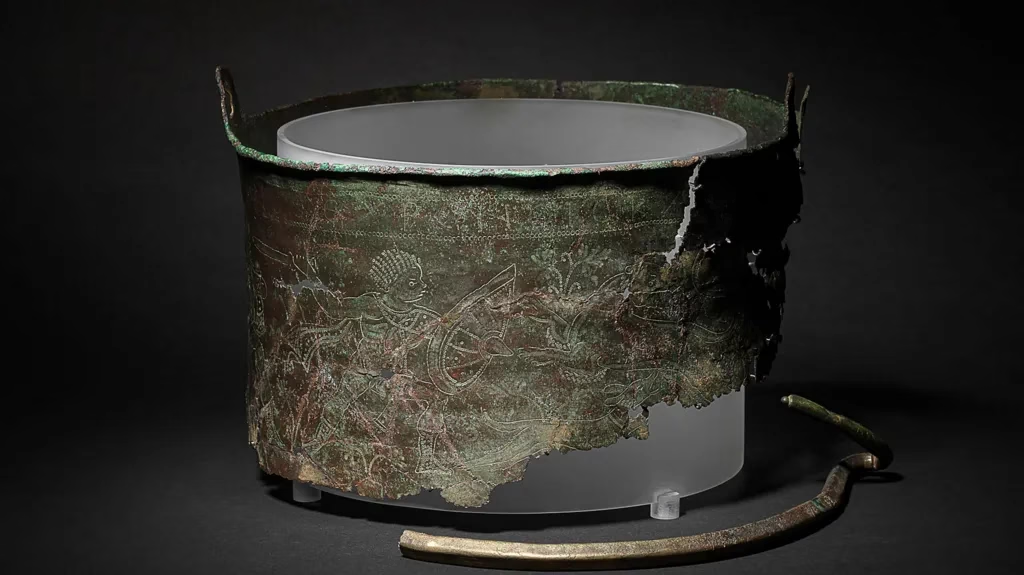
Surprising Discovery at Sutton Hoo: Was a 1,500-Year-Old Byzantine Bucket Used as a Burial Urn?
New findings at one of Britain’s most mysterious archaeological sites suggest a rare bronze bucket may have held the cremated remains of an important figure. Archaeologists working at the legendary Sutton Hoo burial site in Suffolk have made a groundbreaking discovery: a 6th-century Byzantine bucket, long thought to be a luxury item, may actually have…
-
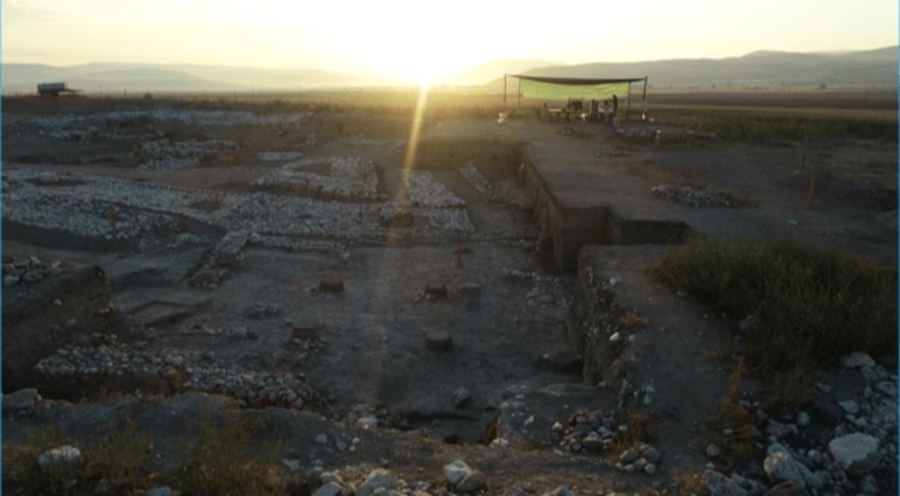
The First Temple of Monotheism in Anatolia? Traces of the Fire Temple and Havangah Prayer at Oluz Höyük
Located in northern central Turkey, approximately 25 kilometers west of the modern city of Amasya, Oluz Höyük has become one of the most thought-provoking archaeological sites in Anatolia. For over 15 years, ongoing excavations have revealed a settlement with ten stratified cultural layers—each containing sacred structures. But beyond its historical richness, Oluz Höyük may be…
-
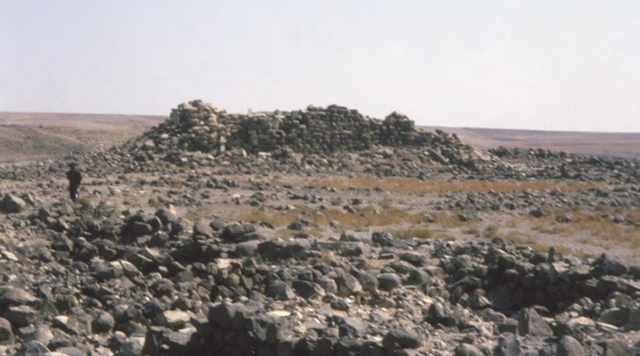
Multi-Period Sanctuary Discovered at Khirbat Balu’a Reveals Layers of Moabite and Nabataean Worship
Khirbat Balu’a, Jordan — Archaeologists have uncovered a multi-phase sanctuary at Khirbat Balu’a, a prominent site overlooking the northern edge of the central Moabite Plateau, east of the Dead Sea. The discovery sheds new light on ritual activity spanning from the Iron Age to the Nabataean-Roman period, suggesting that this sacred site was reused and…