-
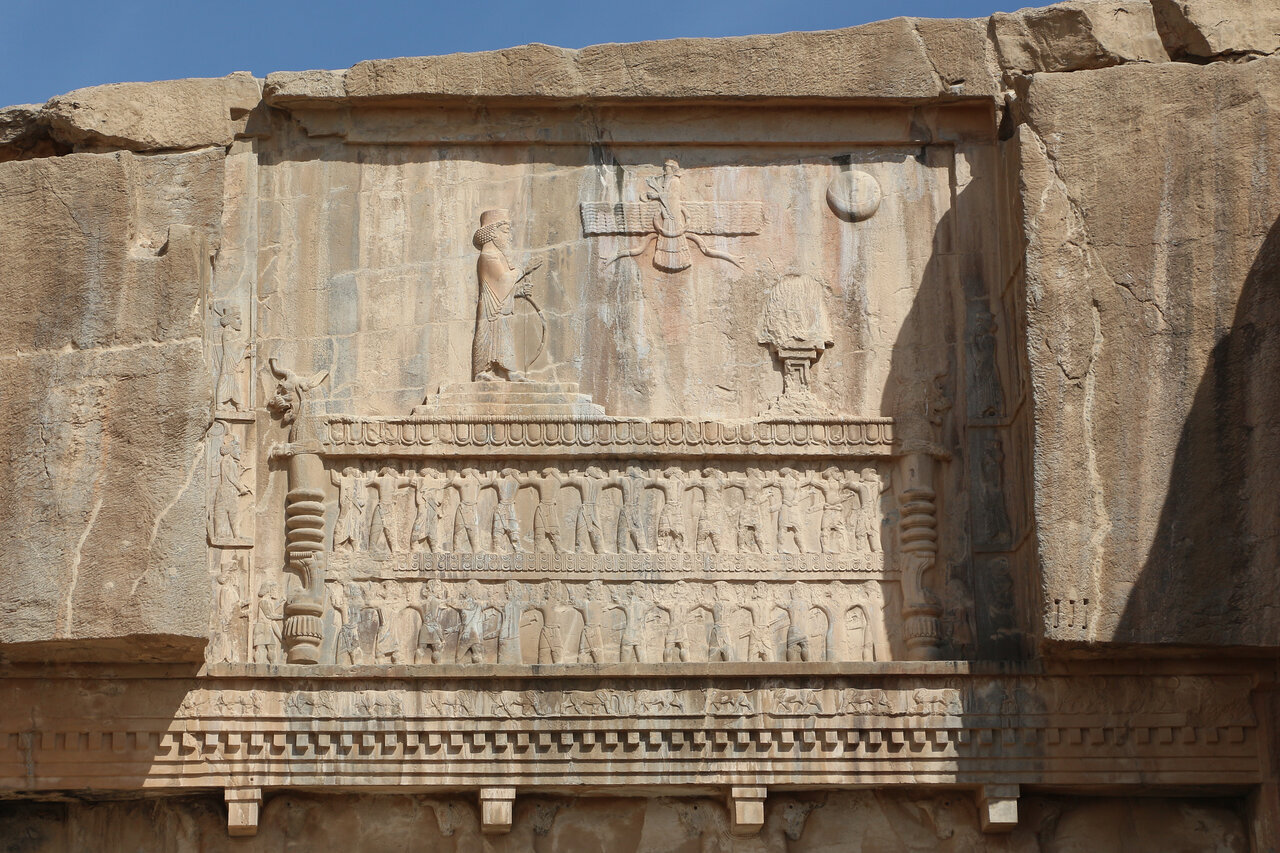
Restoration Work at Persepolis Resumes
Restoration work at Persepolis, located in southern Iran and listed as a UNESCO World Heritage Site, has resumed following a pause during the Nowruz holiday. Important projects involving the remnants of the Achaemenid Empire, such as the Apadana Palace, the rock-cut tomb of Artaxerxes III, and the southern inscription of the Terrace (Takhtgah), are being…
-
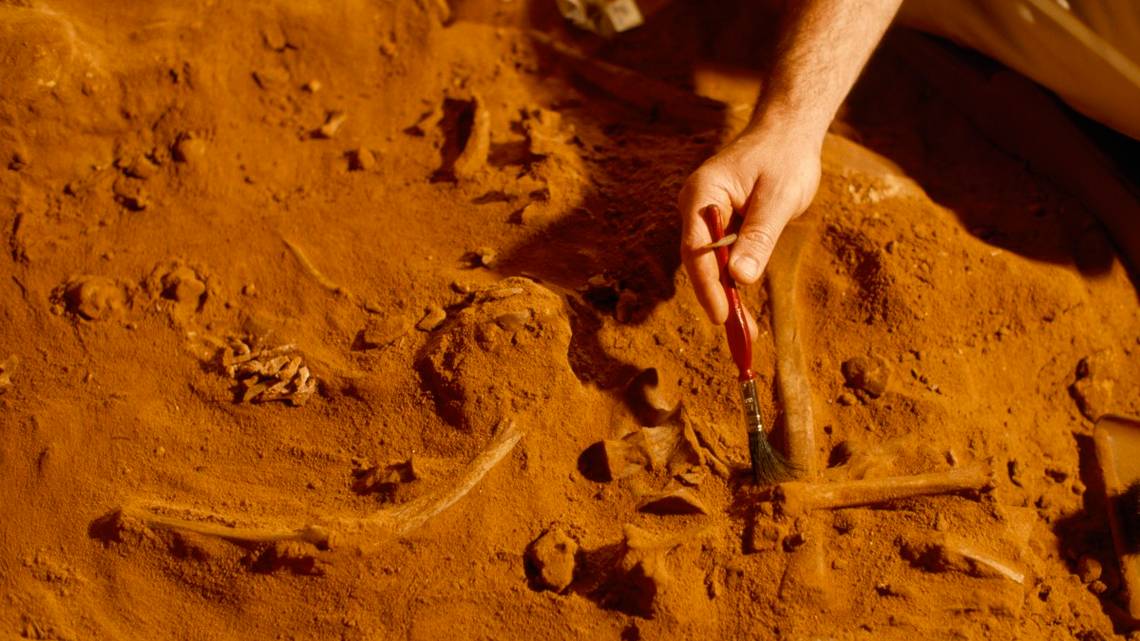
Neanderthal Tools in China Spark Surprise: 55,000-Year-Old Discovery Makes History
Researchers from the University of Washington excavating a site in China have surprised the scientific world by discovering Neanderthal tools dating back approximately 55,000 years. The study, published on March 31 in the journal “Proceedings of the National Academy of Sciences,” reveals “compelling evidence of core exploitation, the production of large and thick flakes, the…
-
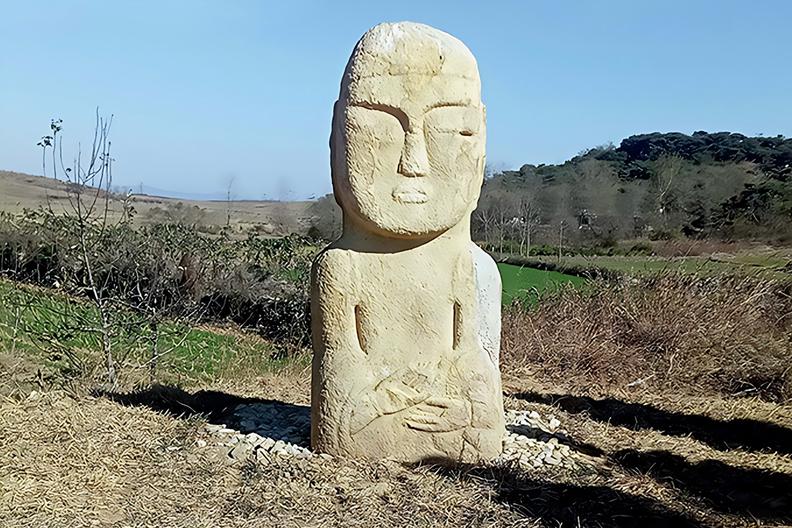
Rare Amitābha Buddha Statue from the Goryeo Period Discovered in North Korea
According to an announcement by North Korea’s state news agency KCNA, an extraordinary Buddha statue dating back to the early Goryeo period (AD 918-1392) has been unearthed during archaeological investigations of historical sites in the Yakjon-ri area of South Phyongan Province. These excavations, conducted by the Archaeology Institute of the Academy of Social Sciences and…
-
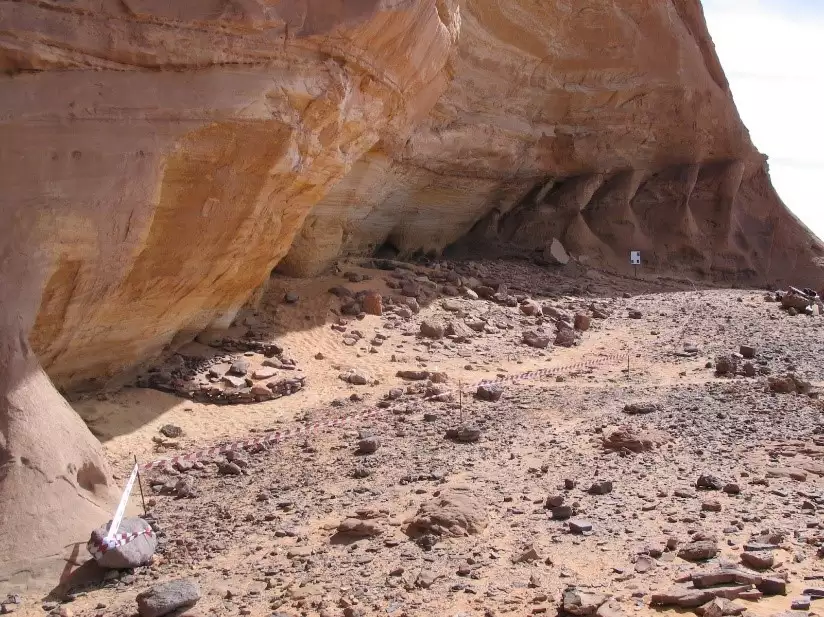
A Previously Unknown Human Lineage Discovered in North Africa
A recent study by a research team, including senior author Johannes Krause and first author Nada Salem from the Max Planck Institute for Evolutionary Anthropology, has identified a previously unknown human lineage in North Africa, specifically in the Central Sahara, dating back more than 7,000 years. This research provides critical insights into the genetic continuity…
-
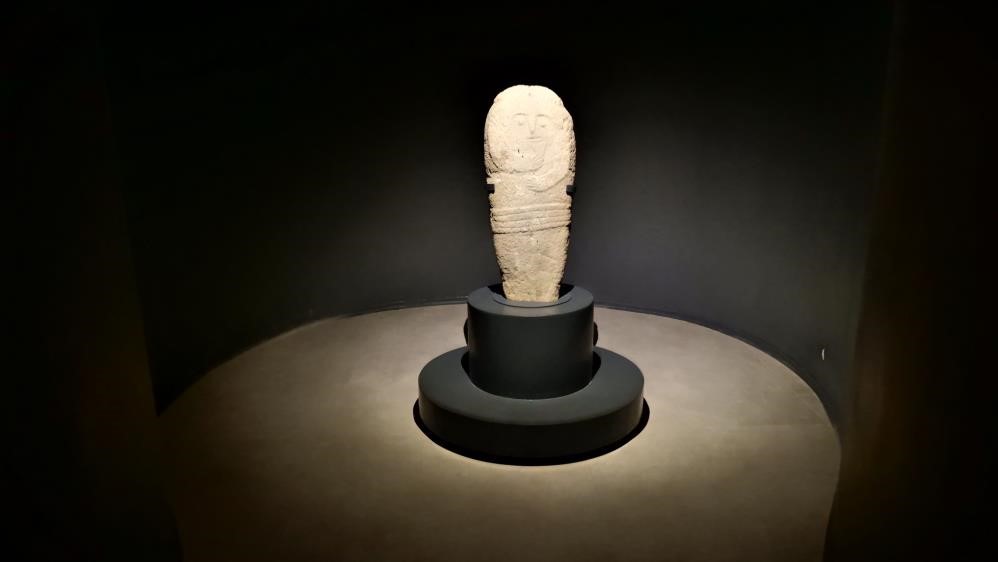
2,500 Years Old “Stone Father” Statue Exhibited in Erzurum Museum
One of the most striking artifacts in the Erzurum Museum is the 2,500-year-old “Stone Father” statue, which captivates all who see it. Discovered in 2020 in the Ormanlı neighborhood of Şenkaya district in Erzurum, this unique piece carries the traces of the Kipchak Turks. The Story of the Discovery: Aytaç Alver, a farmer in the…
-
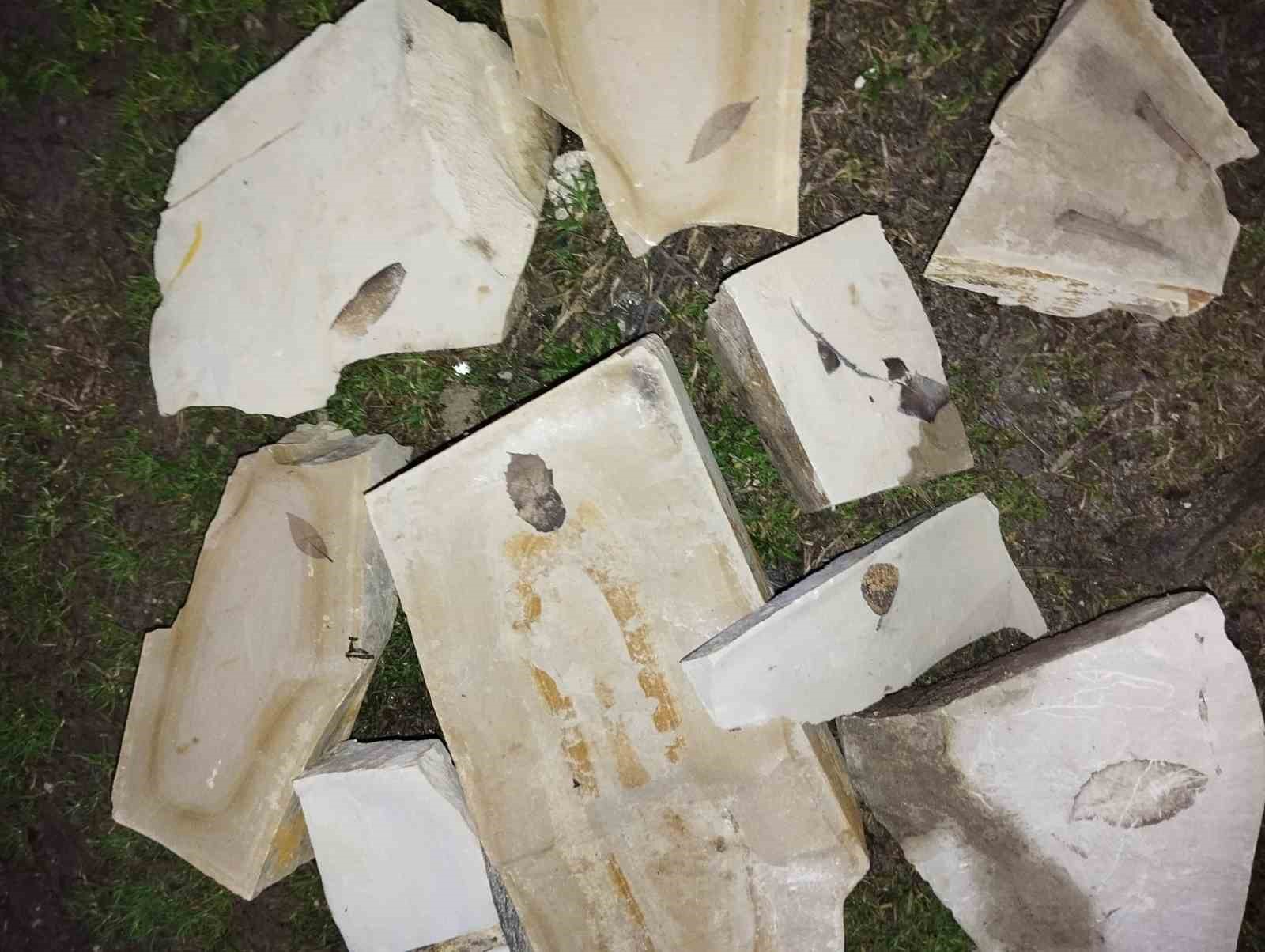
15 Million Year Old Leaf Fossils Discovered in Western Turkey
Leaf fossils estimated to be 15 million years old have been unearthed during field surveys between Yayla and Kirazlı villages in Kuşadası district of Aydın, Turkey. The fossils were discovered by Murat Uğur Sünetçi, a Geology Engineering student from Hacettepe University, while examining the rock structure of the area. The leaf fossils, found within clayey…
-
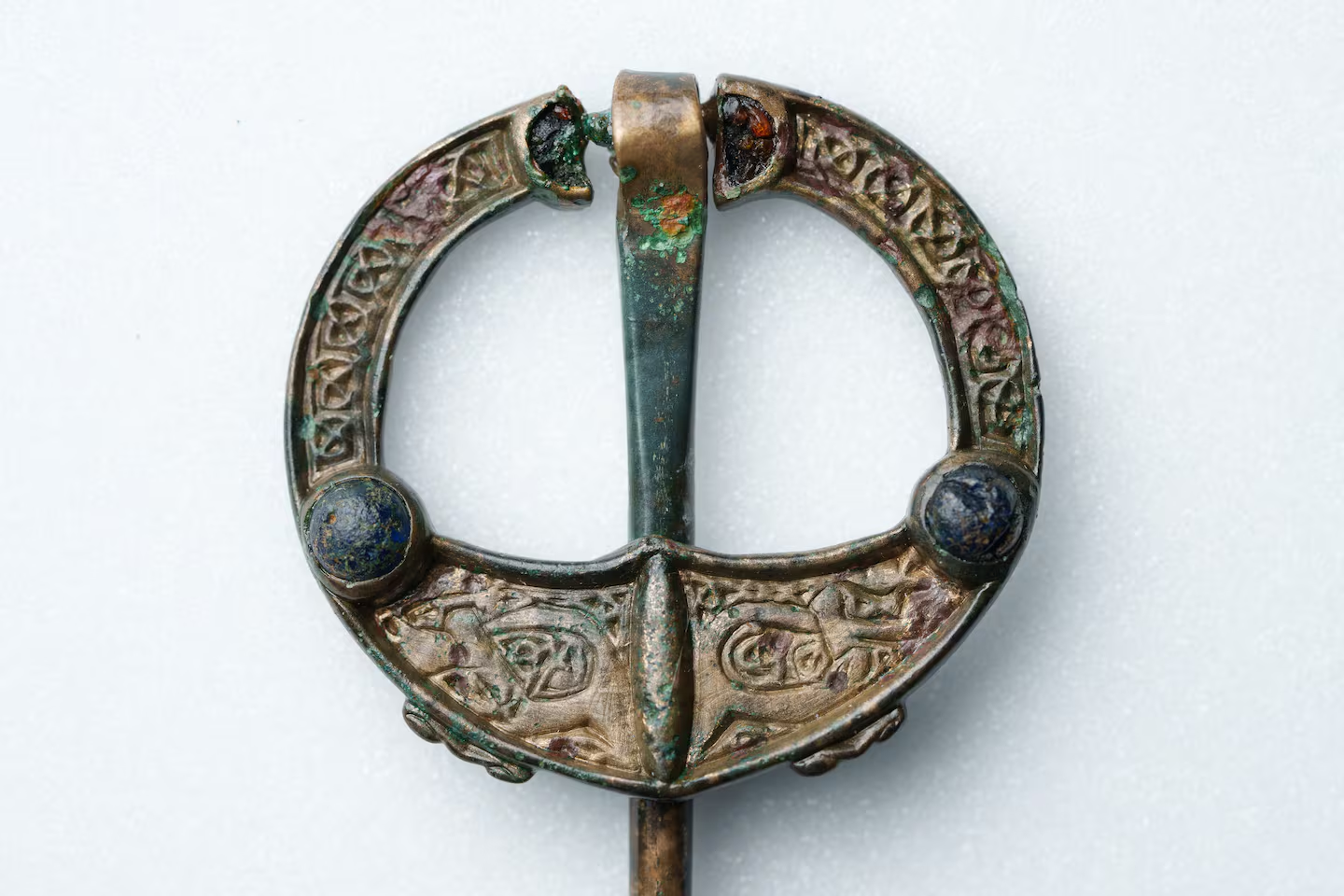
Irish Archaeologists Discover Remarkable 1200-year-old Brooch Pin
Irish archaeologists have unearthed a remarkable 8th-century brooch pin during excavation works along the route of the Adare bypass in County Limerick. This early medieval brooch pin, made of cast iron, measures just 12 cm in length and features blue glass settings and cast animal and abstract decorations. It was discovered by archaeologists working for…
-
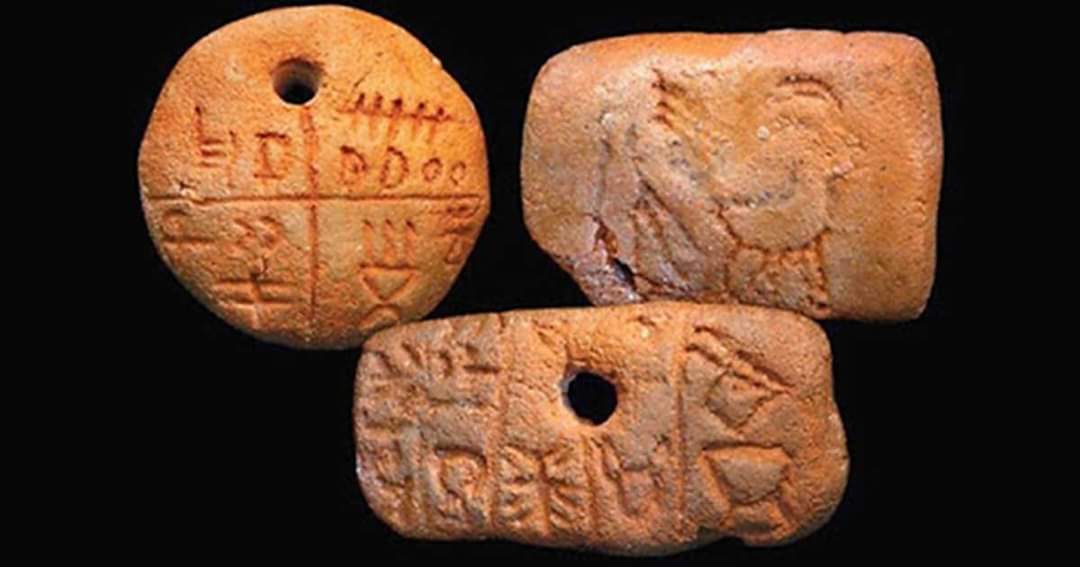
The Tărtăria Tablets, thought to represent the oldest known form of writing in Europe
Throughout history, humanity has developed various ways to communicate and record information. 1 In this context, the Tărtăria Tablets stand out as a significant archaeological find, thought to be one of Europe’s oldest known writing systems. Located in the Transylvania region of Romania, these tablets date back to around 5500 BC, shedding light on the…
-
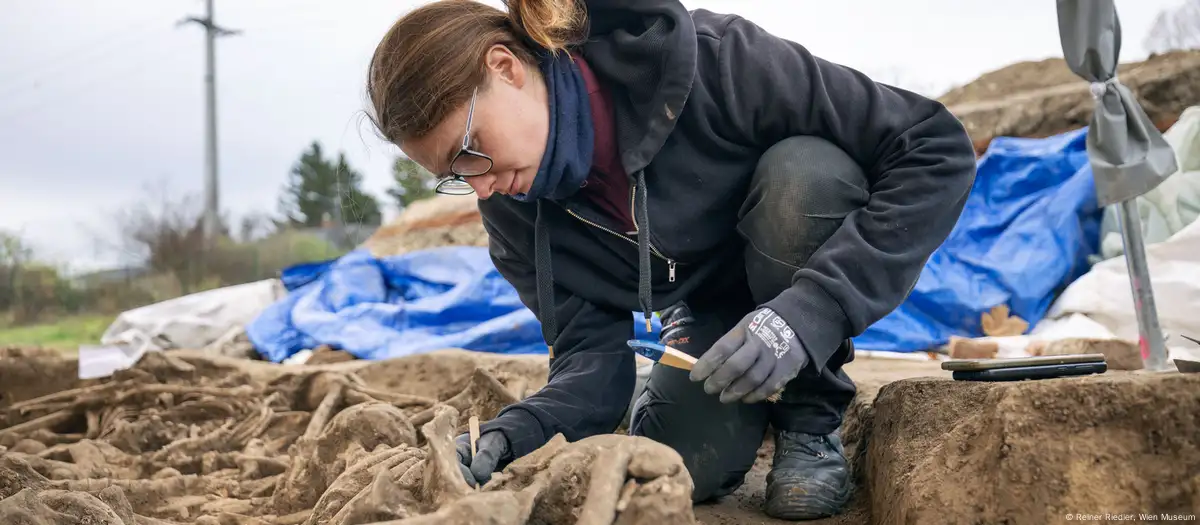
Roman Soldier Cemetery Found During Excavation of Football Pitch in Vienna
In the outskirts of Vienna, an unexpected mass grave unearthed during the renovation of a football field offers striking insights into the early periods of the Roman Empire. Archaeologists have revealed skeletal remains belonging to approximately 150 young men, dating back to the 1st century AD. This discovery is of great significance due to the…