-
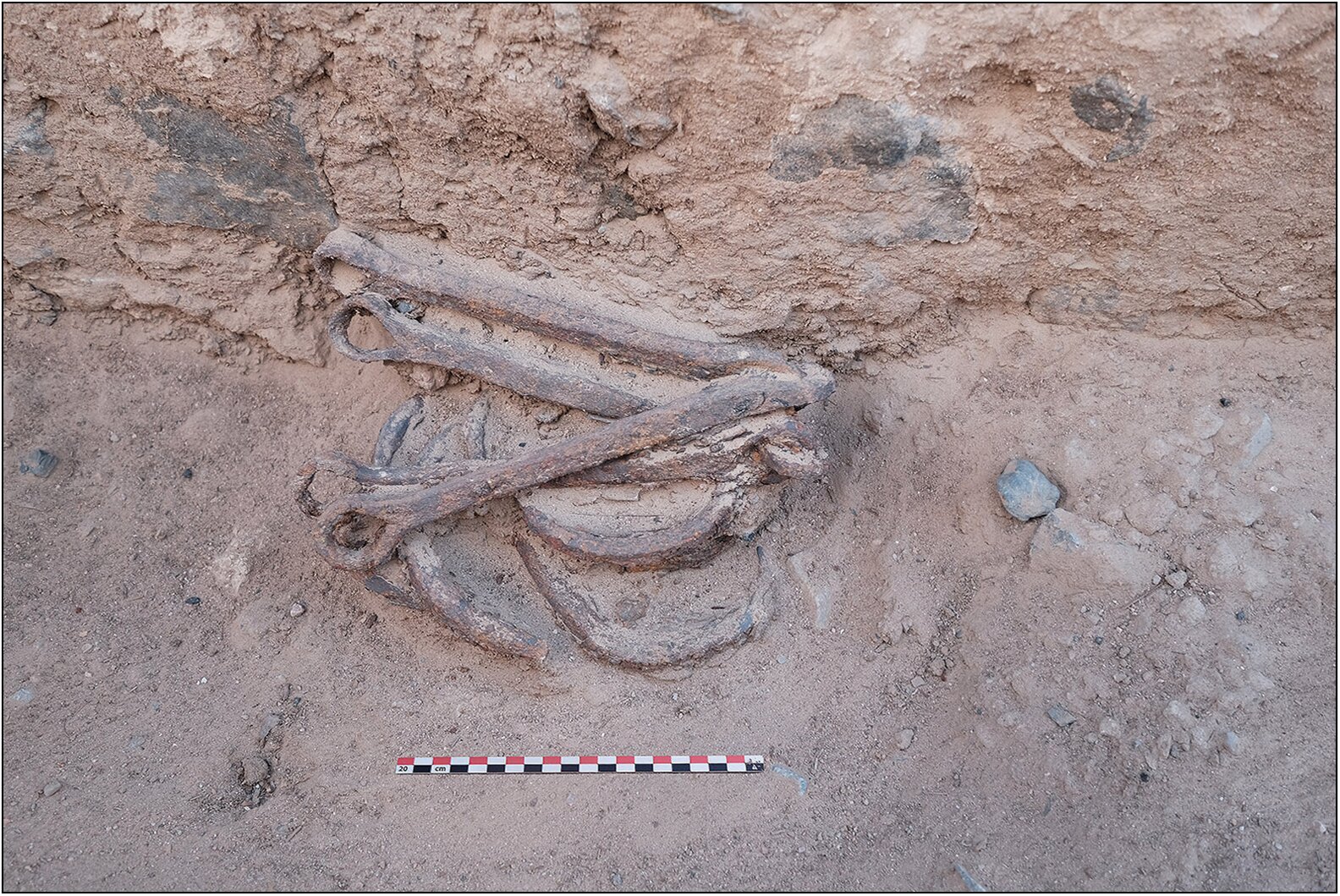
2300-Year-Old Egyptian Gold Mine Reveals Evidence of Slavery: Iron Shackles Illuminate the Dark Side of the Past
Recent archaeological excavations in the Ghozza region of Egypt have uncovered shocking evidence that some workers in a Ptolemaic-era (3rd century BC) gold mine were enslaved. The iron shackles found at the excavation site highlight the prevalence of forced labor in gold mining during that period. Led by historian Jean Pouilloux of the Laboratoire HiSoMA…
-
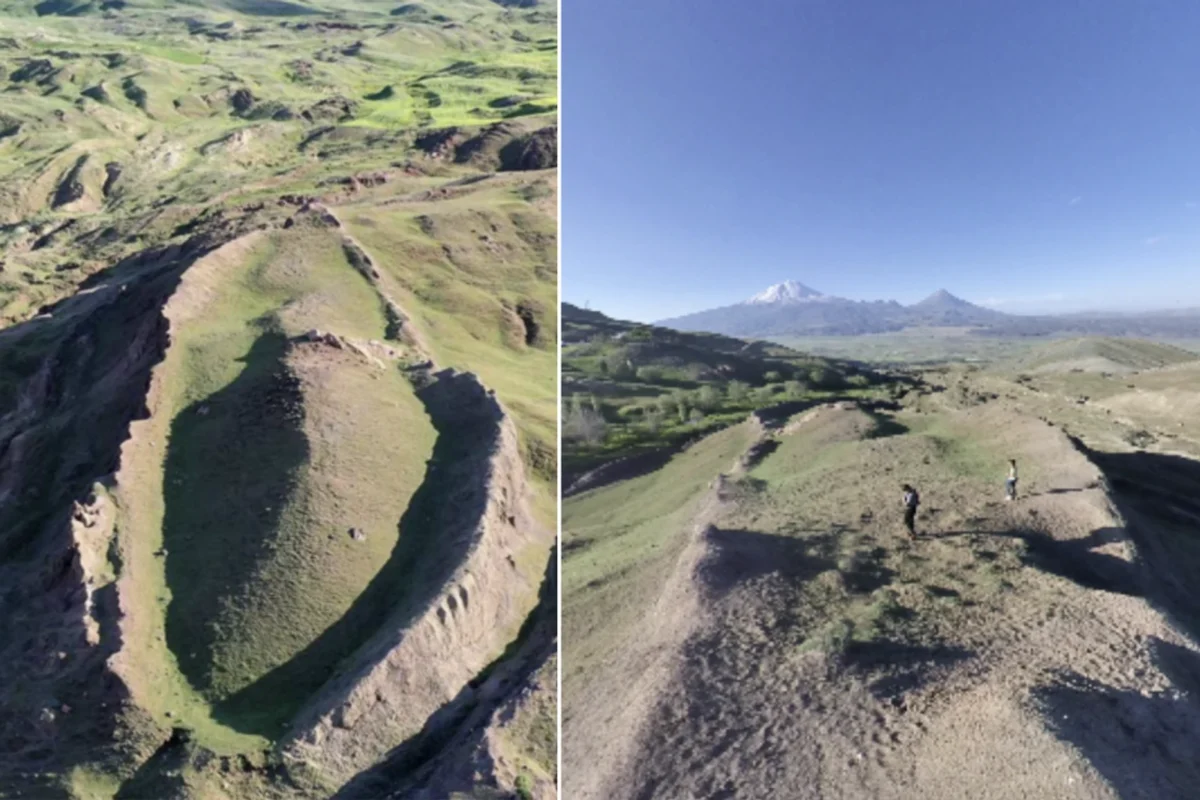
Traces of Noah’s Ark Found on Mount Ararat? The Scientific World is Stirred!
Have traces of a legend that has persisted for thousands of years been found on the mysterious slopes of Mount Ararat? Recent discoveries have reignited claims that the fossilized remains of Noah’s Ark may be located in this region. Experts have identified a boat-shaped mound in the Durupinar Formation, approximately 30 kilometers south of Mount…
-
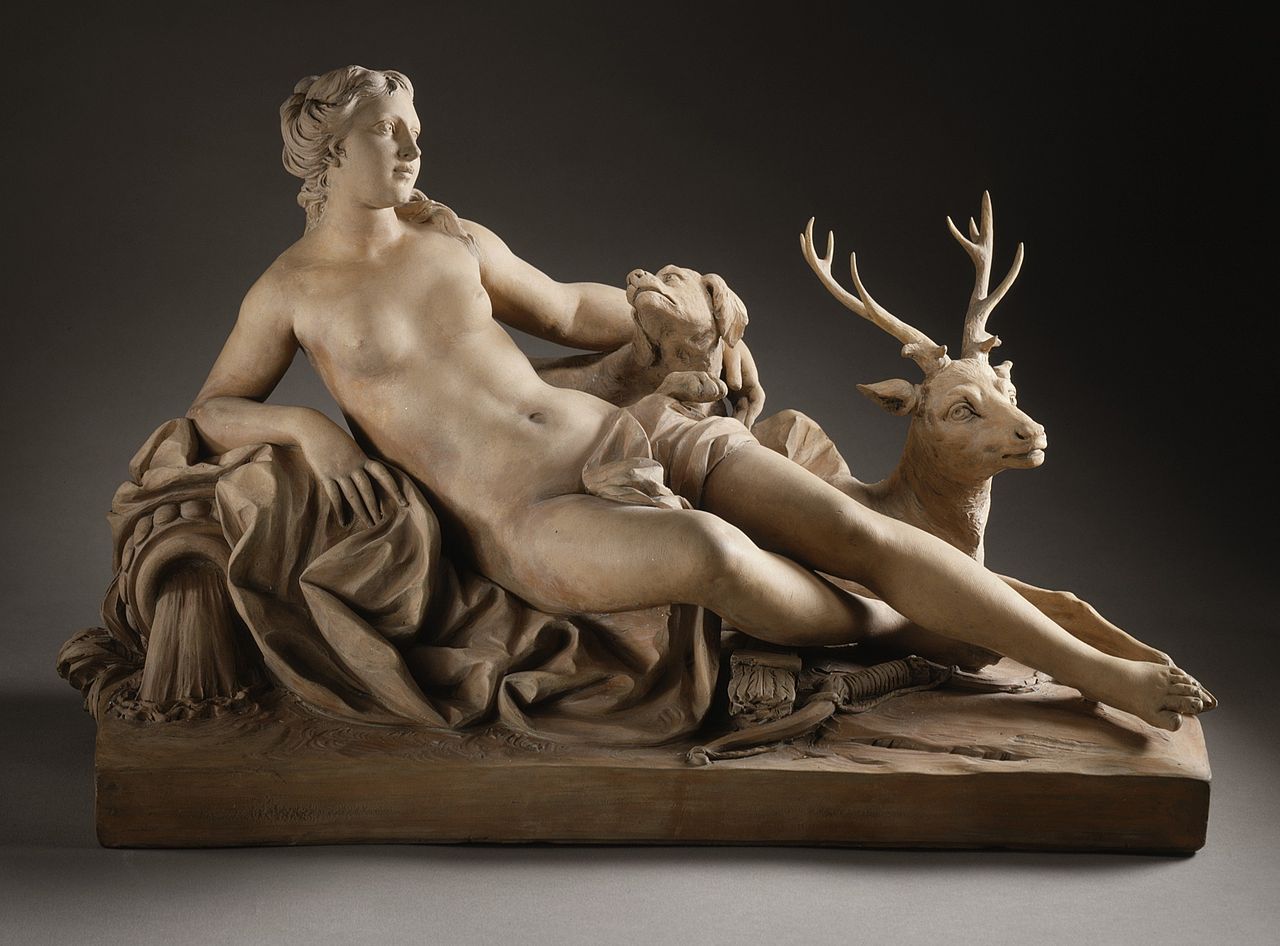
The Hidden Scents of Ancient Greek and Roman Sculptures: A Sensory Discovery
For many years, we have admired ancient Greek and Roman sculptures in museums, but they actually offered much more than what we see with our eyes. A new study published in the Oxford Journal of Archaeology reveals that these iconic works of art were not only visual but also experienced through scent. Led by archaeologist…
-
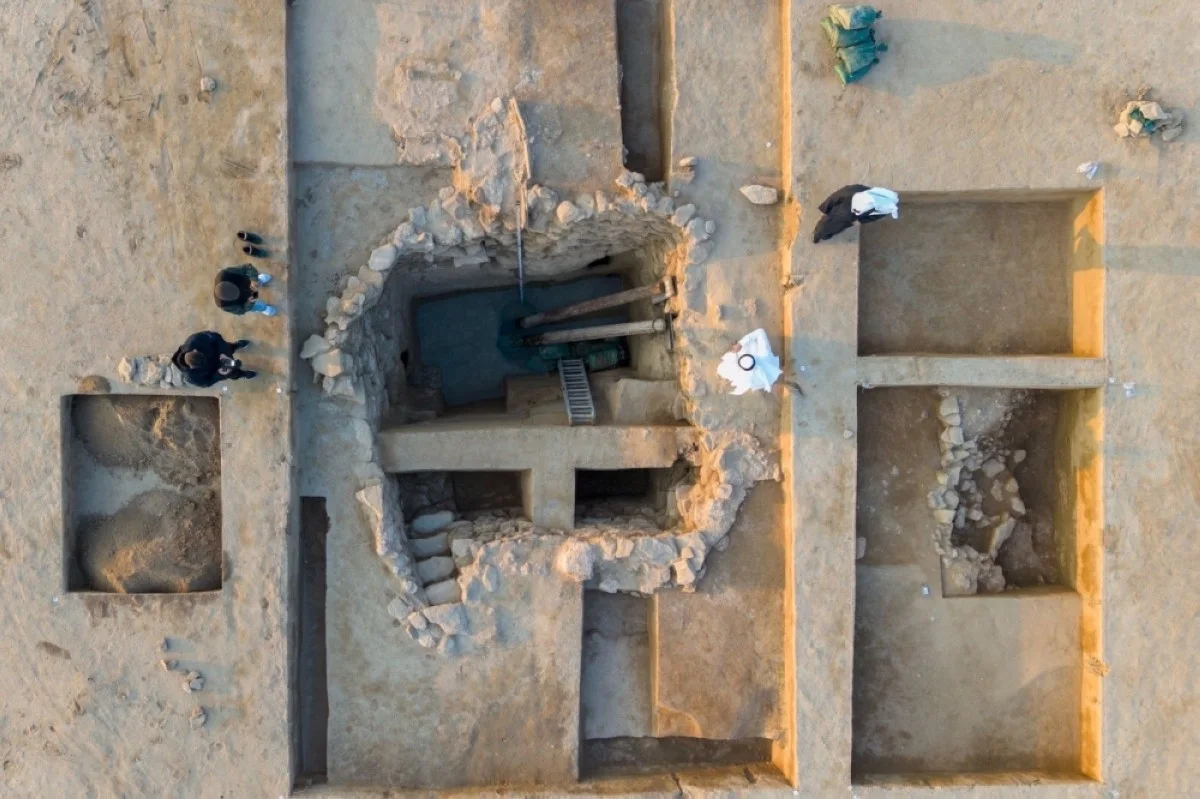
Pre-Islamic Ancient Well Discovered on Kuwait’s Failaka Island
A significant archaeological discovery on Failaka Island has revealed an ancient well, dating back to the pre-Islamic period and the early Islamic era, offering evidence of a thriving water source, luxurious dwellings, and a rich trade network of precious stones. The National Council for Culture, Arts and Letters (NCCAL) announced the finding of the remarkably…
-
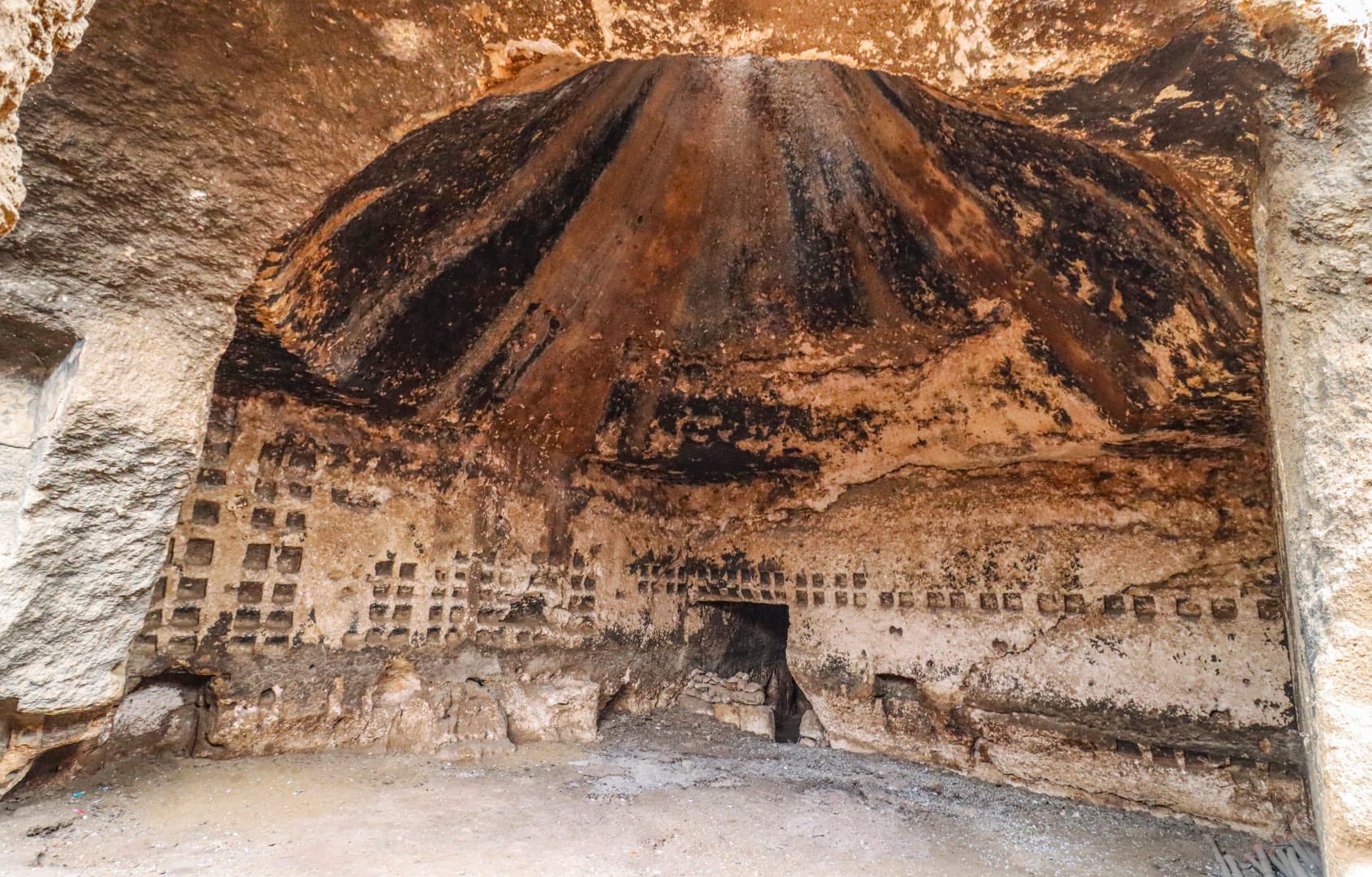
Rare Roman-Era Columbariums Discovered in Şanlıurfa
Şanlıurfa, located in southeastern Turkey, continues to host new discoveries every day with its thousands of years of historical and cultural richness. Şanlıurfa is home to significant archaeological sites such as Göbekli Tepe and Karahantepe, which are described as the “zero point of history.” Within the scope of the Cultural Inventory Project, rare Roman-era columbariums…
-
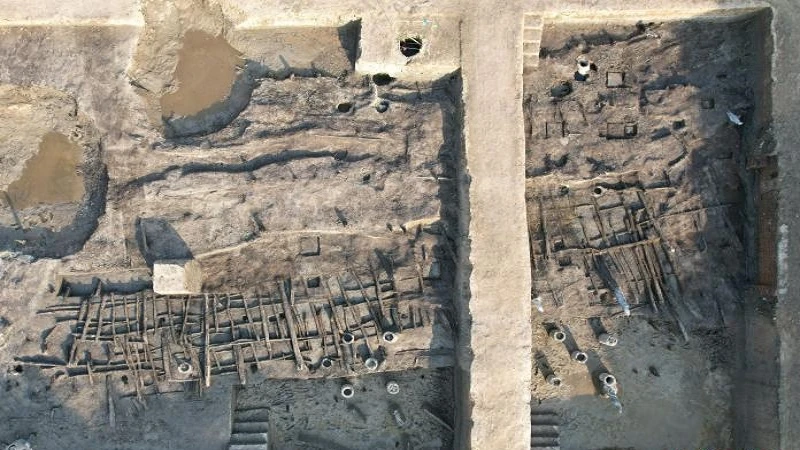
2000-Year-Old Wooden Houses Unearthed in China: Unveiling the Secrets of the Ancient Yue State
An extraordinary archaeological discovery in Shaoxing, Zhejiang Province, China, has brought to light remarkably well-preserved wooden houses dating back over 2,000 years. These structures, dating from 475 BC to 221 BC, offer unique insights into the lifestyle, architectural techniques, and daily life of the ancient Yue State. A Historical Time Capsule: The Baicaoyuan Excavation Preliminary…
-
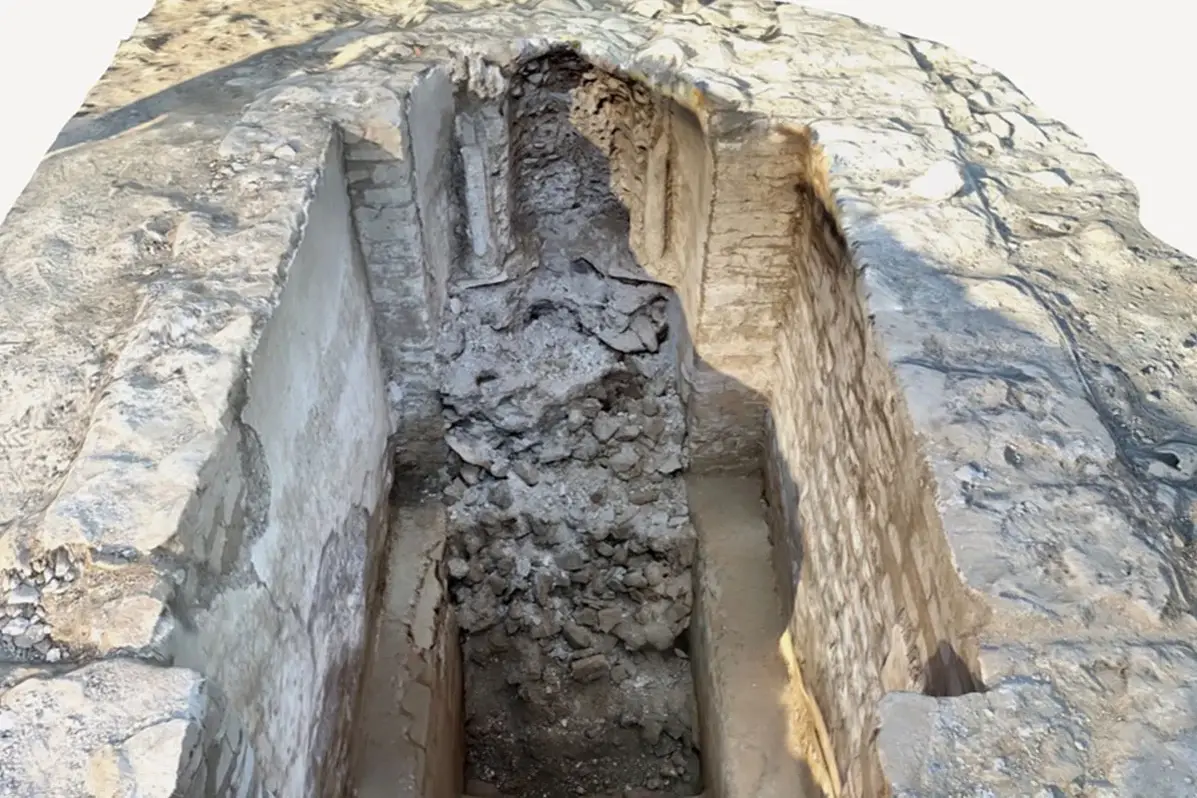
Archaeologists Discover a Jewish Ritual Bath Mikveh in Ostia Antica
Recent archaeological excavations in Ostia Antica, located in the heart of the Roman Empire, have revealed striking evidence of the presence of the ancient Jewish community in this significant port city. A mikveh, or Jewish ritual bath, dating back to the late 4th century AD, has been discovered in a settlement complex, providing insights into…
-
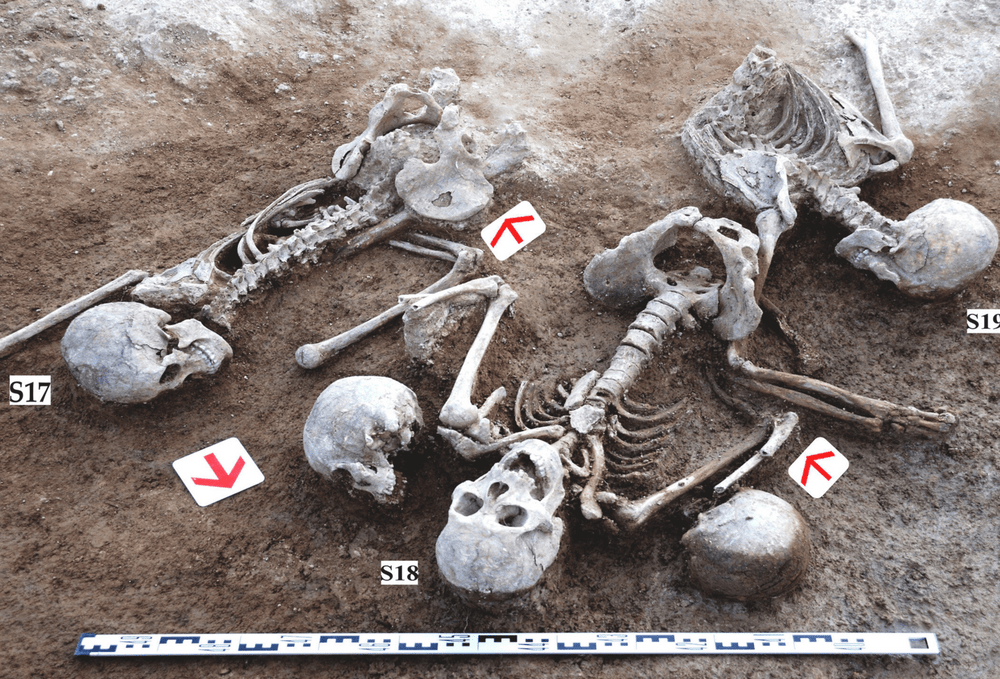
Bioarchaeological Study Reveals Origins of Soldiers in Mongolian Mass Grave from Han-Xiongnu War
Groundbreaking research from a leading Chinese university is unraveling the mysteries of a mass grave in Bayanbulag, Mongolia, shedding light on a dark chapter of the Han-Xiongnu War. This bioarchaeological study, led by Jilin University, reveals that the remains of soldiers found in the grave originated from Northern China, not from the local Mongolian population.…
-
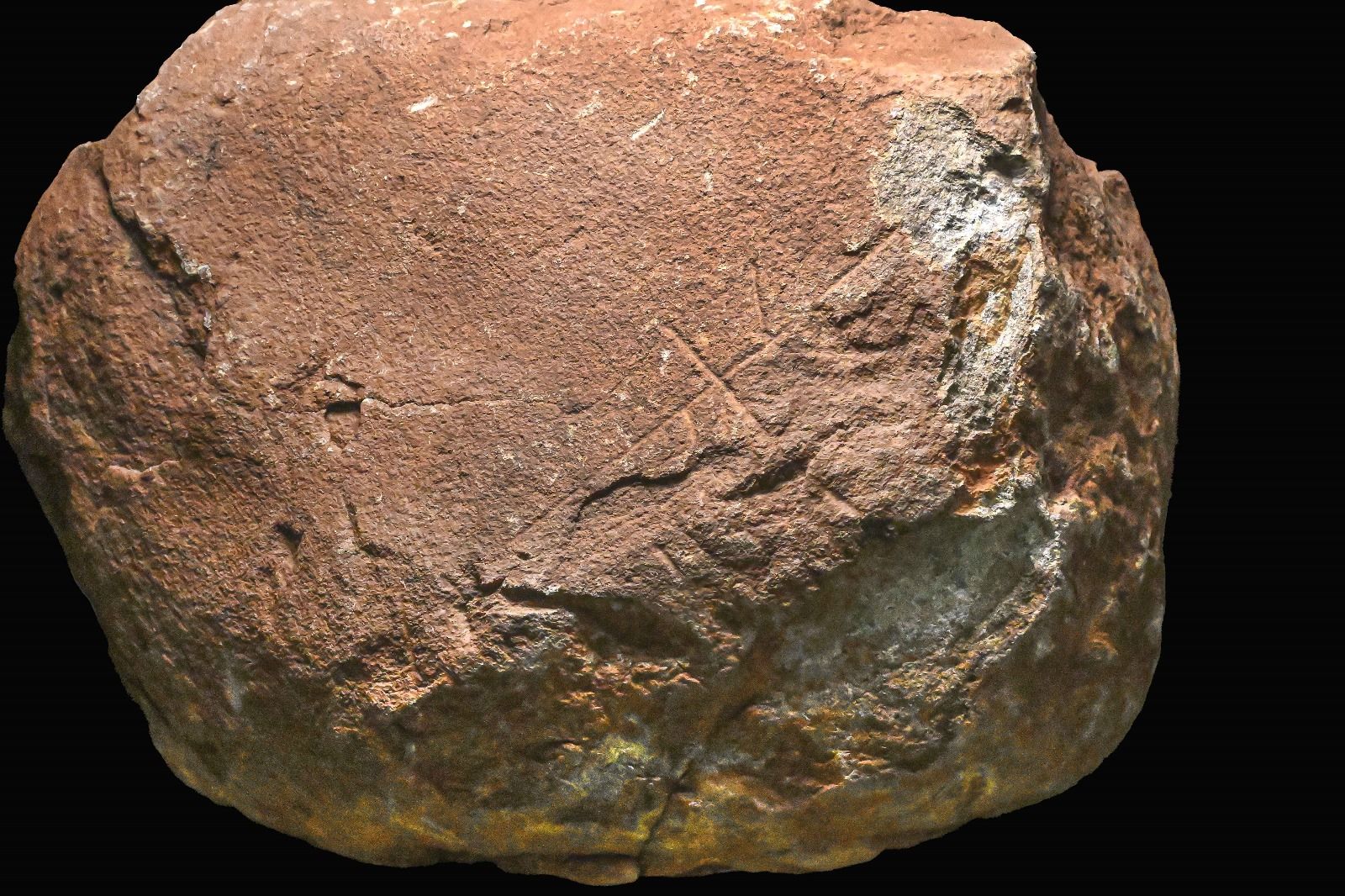
Mysterious Drawings on 200,000-Year-Old Stone Discovered in Marbella
As part of the archaeological excavation at the Coto Correa site in Las Chapas, Marbella, the Ministry of Culture, Education, and Historical Heritage has reported the discovery of graphic designs on a stone block that could be more than 200,000 years old. This area, known for hosting the city’s oldest remnants, has been under archaeological…