-
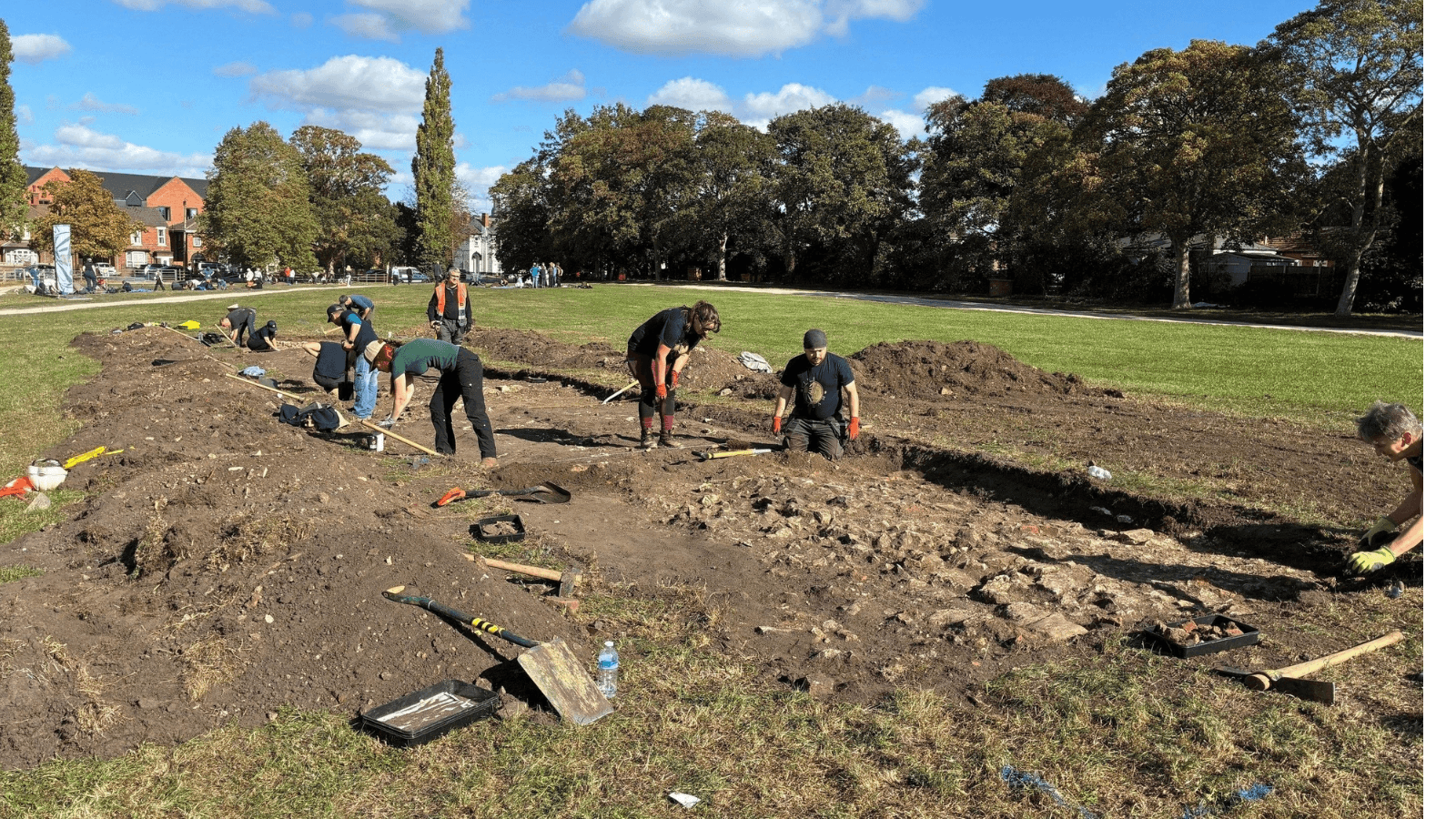
Archaeologists Uncover Rare Living Spaces at One of England’s Earliest Leprosy Hospitals
Archaeologists excavating one of England’s earliest medieval leprosy hospitals have uncovered traces of square structures that may reveal how people with the disease lived around 900 years ago. The remains emerged during a three-day excavation at the Hospital of the Holy Innocents on South Common in Lincoln. The hospital was founded around the late 11th…
-
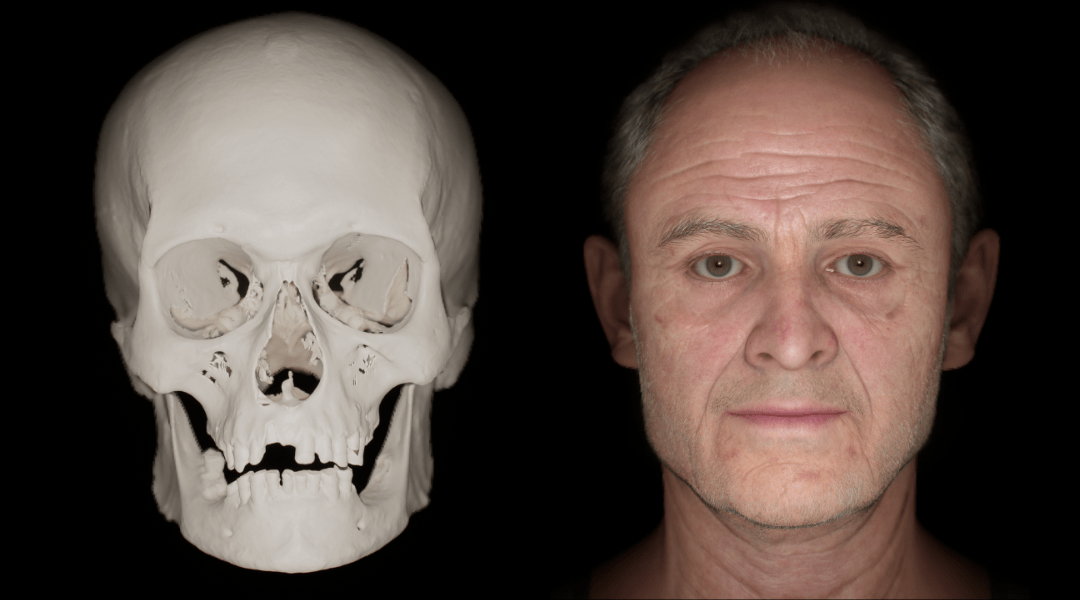
Face of “Conquest Man,” Buried Soon After the Norman Conquest, Reconstructed in England
The face of “Conquest Man,” an individual buried in England shortly after the Norman Conquest, has been digitally reconstructed from his 1,000-year-old skull. His burial combined a Christian setting with Scandinavian-influenced grave goods, while scientific tests indicate substantial continental European ancestry. His skeleton was excavated at St Peter’s Church in Barton-upon-Humber, North Lincolnshire. He was…
-
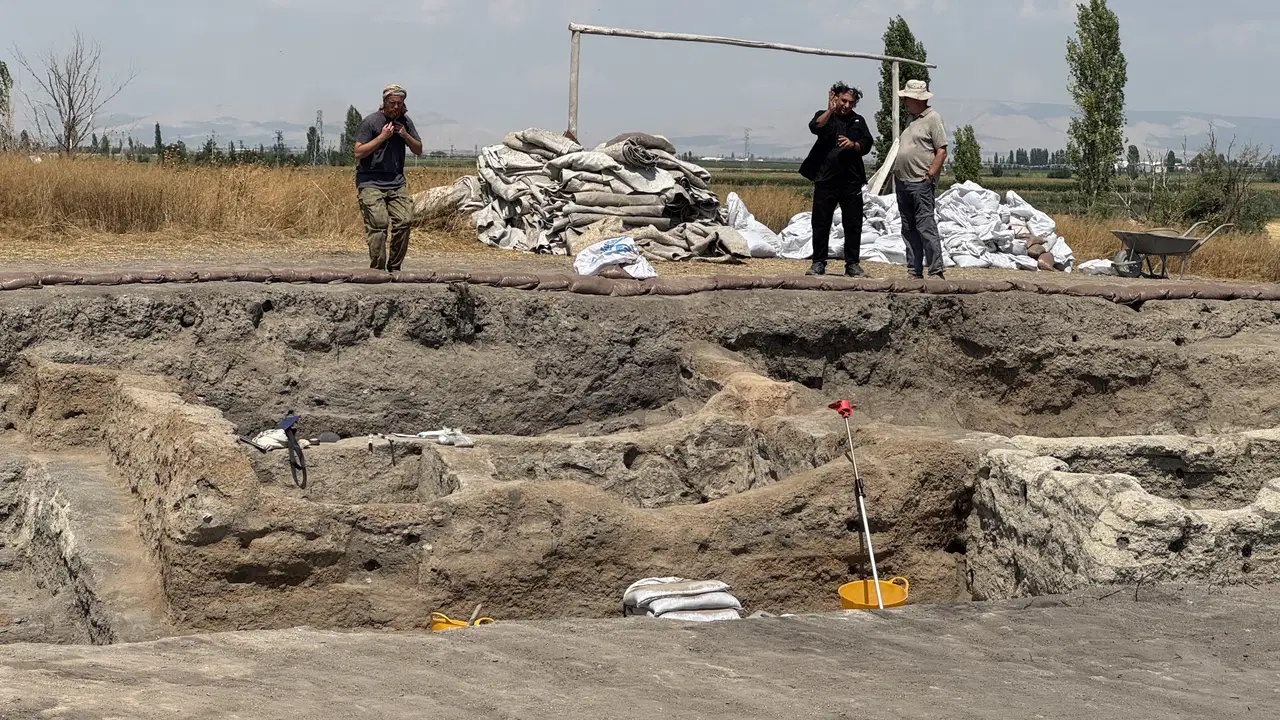
Eight Infant Skeletons Found Beside Çatalhöyük’s “House of the Dead” Raise a Neolithic Mystery
Eight infant skeletons found beside Çatalhöyük’s “House of the Dead” are raising new questions about how the Neolithic community treated its youngest dead. Preliminary examination indicates that none of the babies was older than about six months. Infant graves are not uncommon at Çatalhöyük, where generations buried their dead beneath floors and platforms. The new…
-
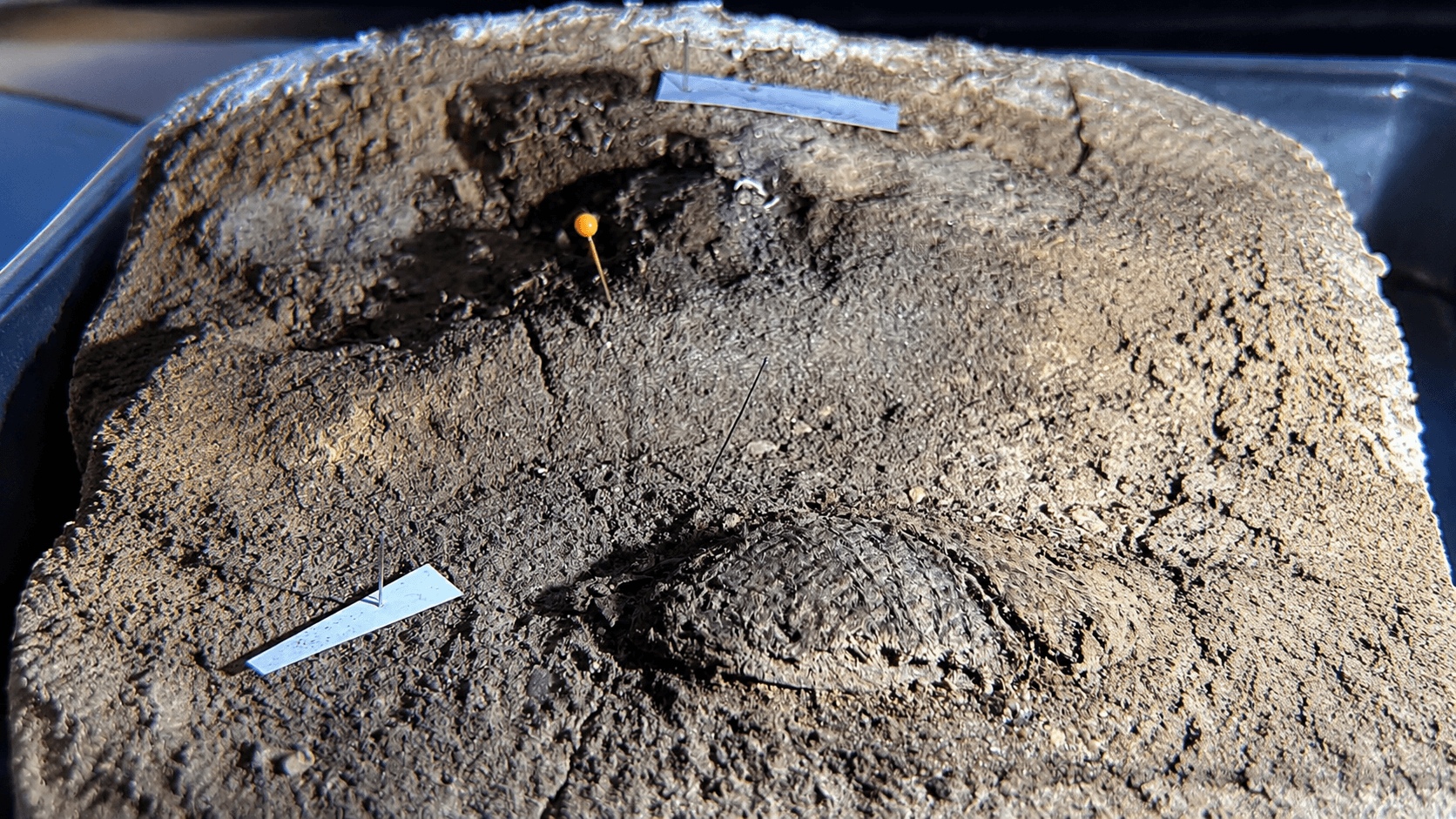
Repaired Viking Brooch Found with Rare 1,300-Year-Old Clothing in a Child’s Grave
A child buried in western Denmark during the Viking Age was laid to rest wearing two oval brooches that preserved fragments of wool and linen clothing. One of the brooches had been repaired before the burial, raising the possibility that it was already an old or valued possession. The grave was excavated in 2024 at…
-
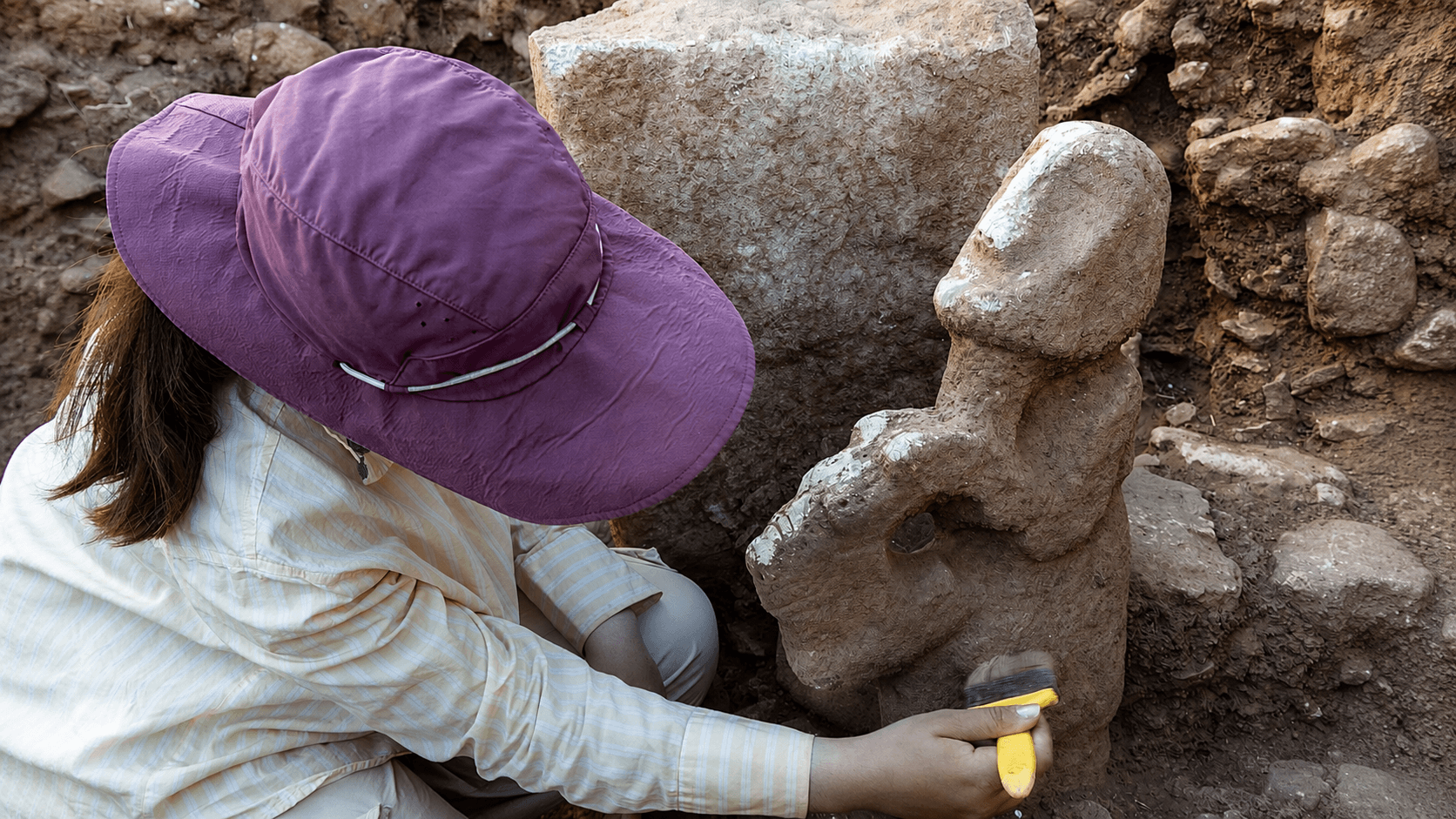
11,000-Year-Old “Leopard Rider” Found at Karahantepe Reverses an Earlier Neolithic Image
An 11,000-year-old “leopard rider” found at Karahantepe has reversed one of the Neolithic site’s strangest images. An earlier sculpture showed a human carrying a leopard; in the newly discovered composition, the predator bears the human. The 70-centimeter-tall stone sculpture was uncovered during the 2026 excavation season at Karahantepe, near Şanlıurfa in southeastern Türkiye. Archaeologists found…
-
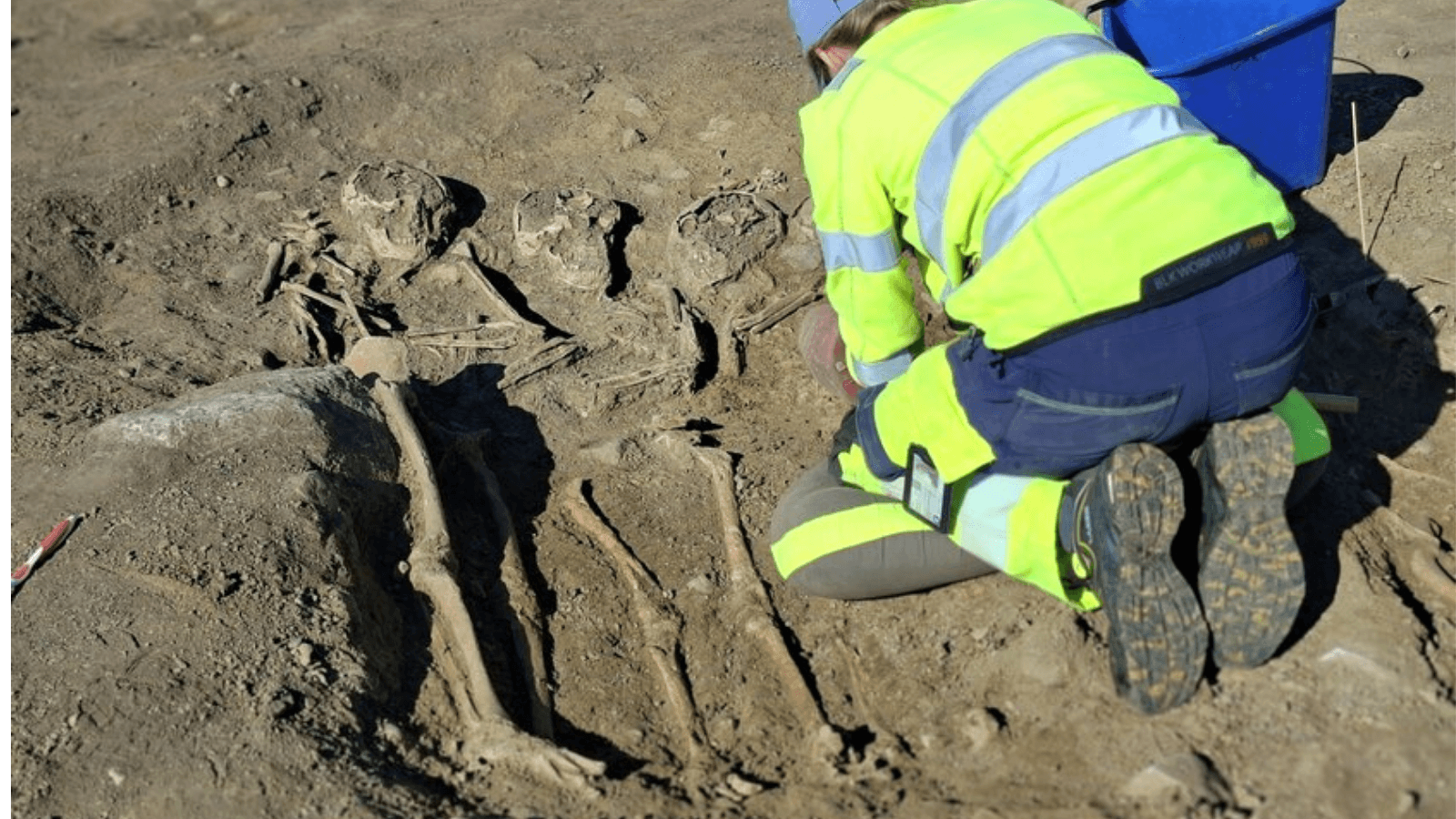
1,000-Year-Old Christian Cemetery in Norway Reveals Unusual Multiple Burials
Archaeologists investigating a 1,000-year-old Christian cemetery in Norway have uncovered 15 skeletons, including adults and children. Several of the graves contain two or more people, making the burial ground at Valum unusual for an early medieval rural community. One grave at Valum, near Hamar, held four individuals placed closely together, while others contained three or…
-
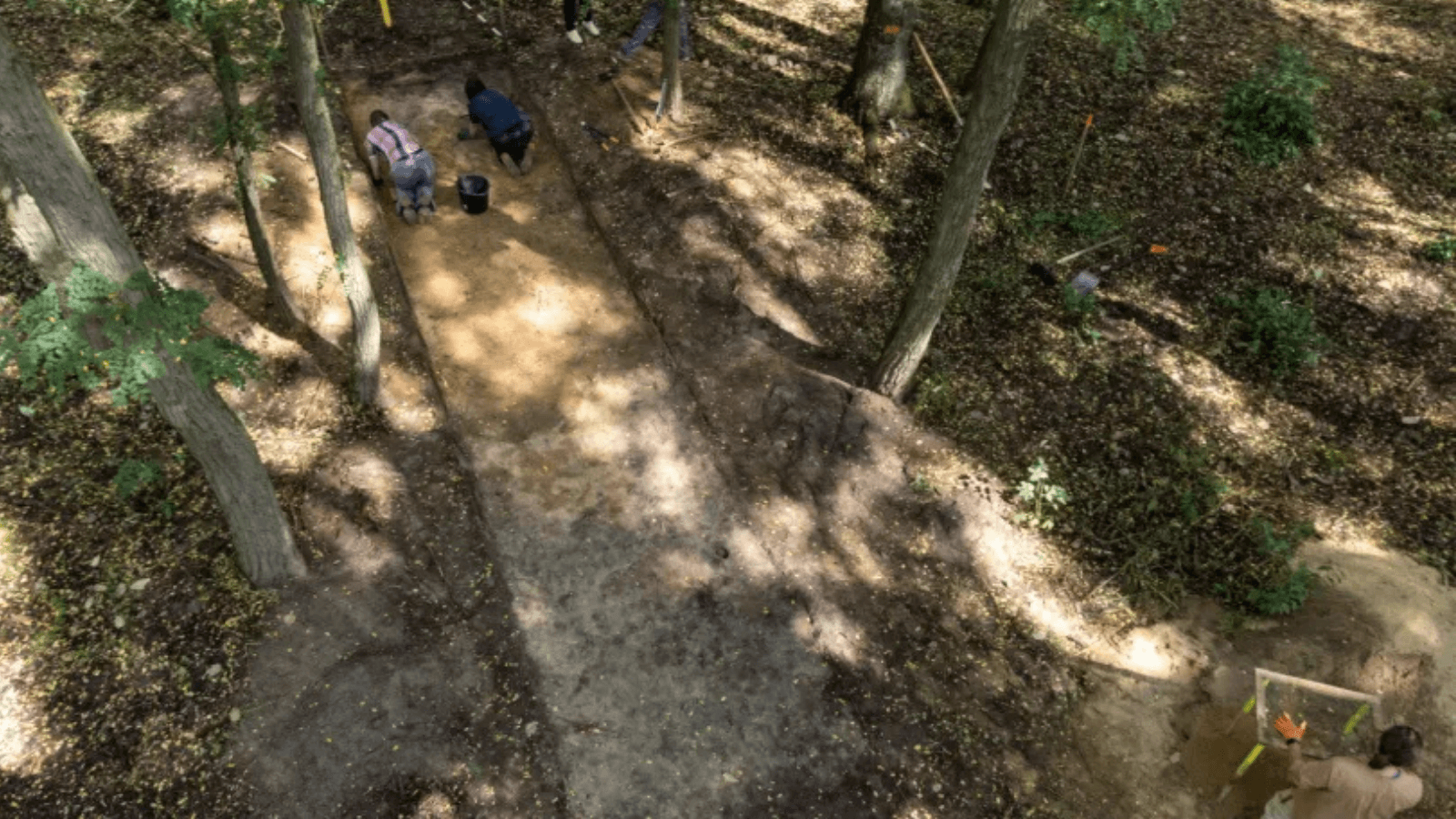
Archaeologists Discover a 5,500-Year-Old Monument Hidden Beneath a Polish Forest
Archaeologists have identified a monument hidden beneath a Polish forest as a 5,500-year-old earthen tomb built by a Neolithic farming community. Archaeologists working at the edge of a long-established forest in the Greater Poland region have uncovered sections of a stone-lined earthen structure associated with the Funnel Beaker culture. The evidence confirms that the mound…
-
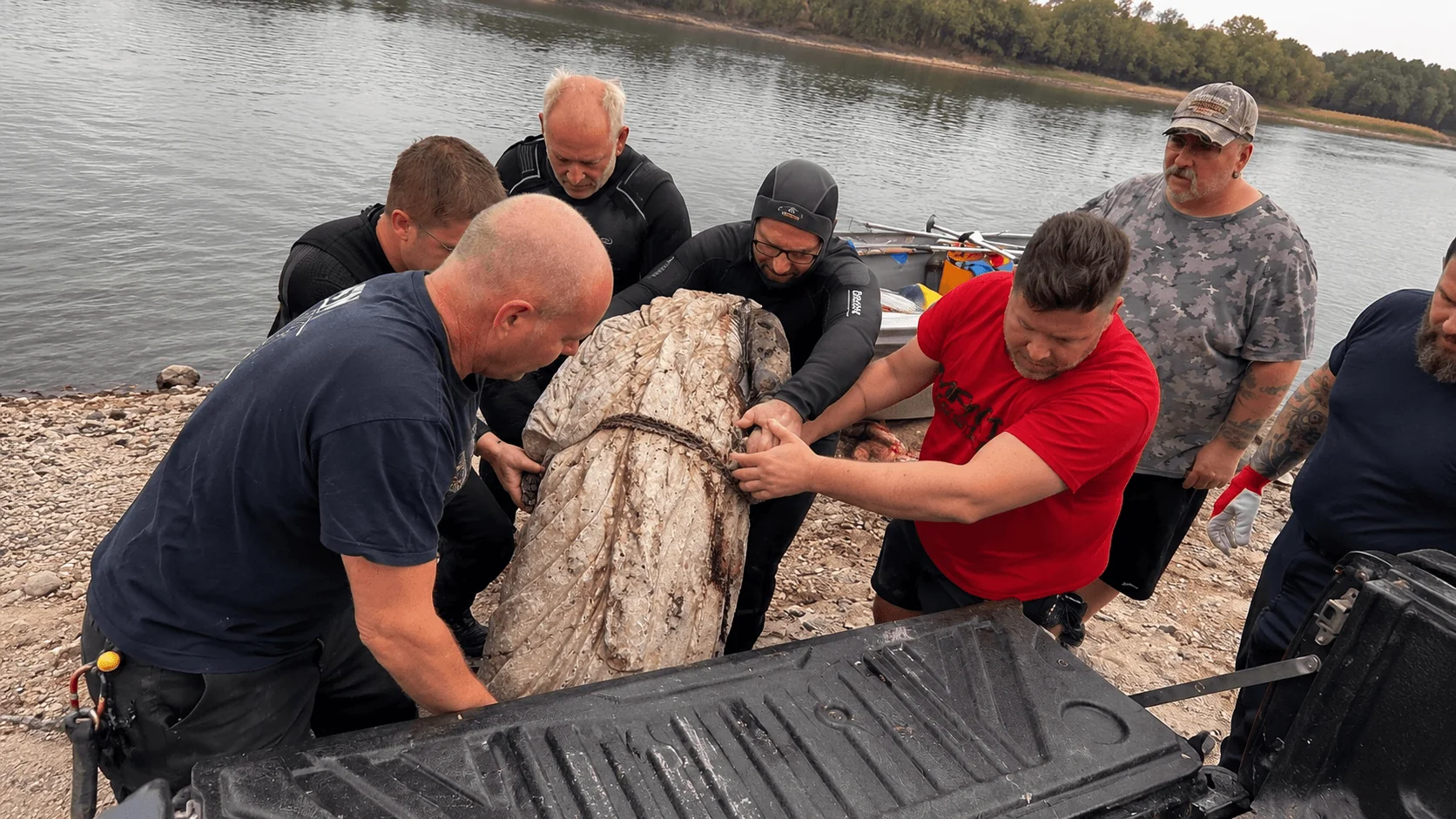
Nearly Intact Roman Statue Weighing Hundreds of Kilograms Pulled from the Danube in Hungary
A nearly intact Roman statue weighing several hundred kilograms has been recovered from the Danube near Dunaújváros, Hungary, as exceptionally low water levels continue to expose archaeological remains around the ancient settlement of Intercisa. Industrial divers discovered the statue in a difficult-to-access section of the river. Its considerable weight made the recovery challenging, and additional…
-

6,500-Year-Old Czech Sanctuary Tracked the Sun and Moon 1,000 Years Before Stonehenge
More than 6,500 years ago, prehistoric communities in what is now the Czech Republic created a vast circular sanctuary whose entrances appear to have been deliberately arranged around important movements of the Sun and Moon. Archaeologists led by the University of West Bohemia say the monument near Chleby in Central Bohemia is one of the…