-
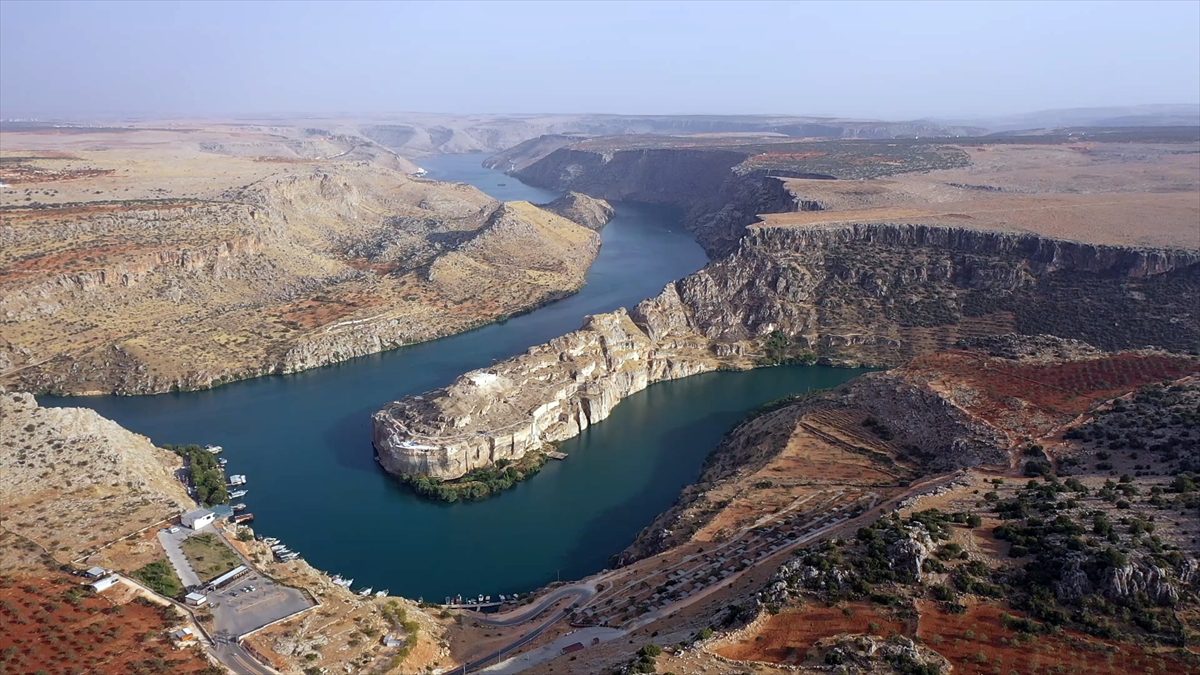
New Research Pushes Human Presence in Anatolia Back Nearly One Million Years
New archaeological research from southeastern Türkiye is significantly extending the known timeline of human presence in Anatolia. Evidence gathered during recent Pleistocene surveys suggests that early human activity in the region dates back nearly one million years, challenging long-held assumptions about Ice Age mobility and settlement patterns. The findings emerge from a large-scale surface survey…
-
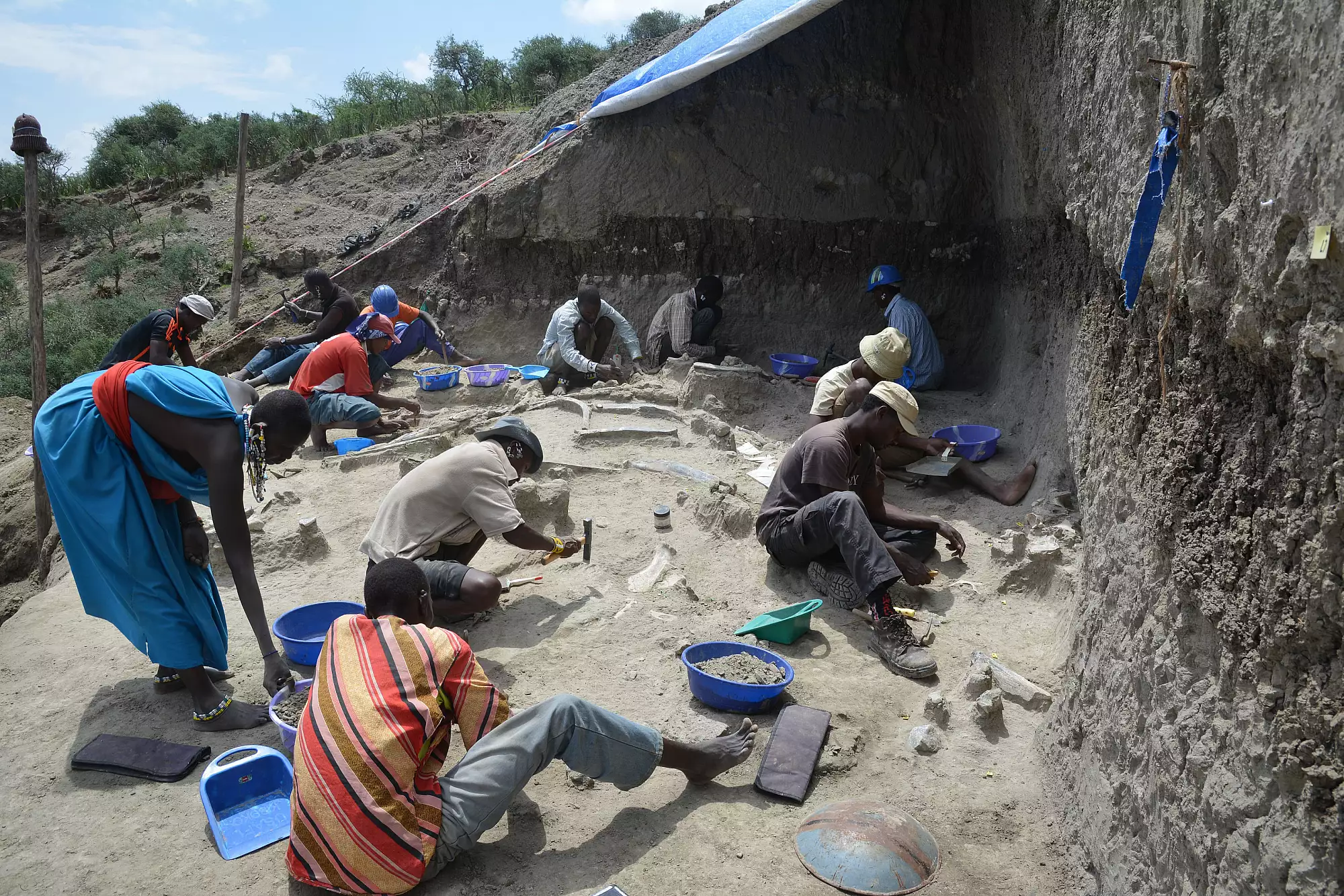
New Study Suggests Existence of Previously Unknown Crocodile Species: “Human-Eating Crocodile”
Dr. Jackson Njau, a paleoanthropologist at Indiana University Bloomington, and his team made a groundbreaking discovery while excavating at Olduvai Gorge. They identified crocodile bite marks on early human remains, leading to the discovery of a previously unknown crocodile species, Crocodylus anthropophagus, or the “human-eating crocodile.” Crocodiles and Their Impact on Early Humans The presence…
-
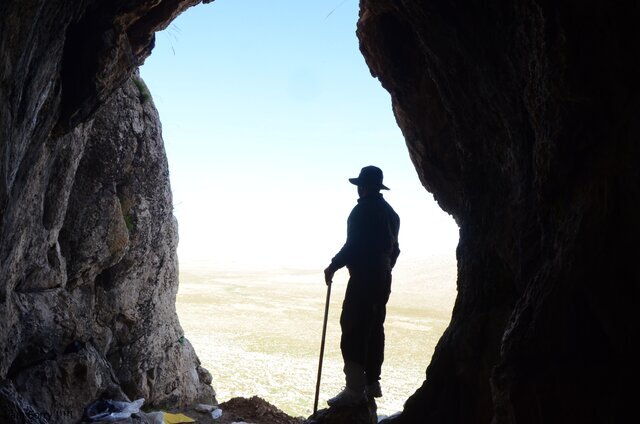
Neanderthal Remains Found in Iran’s Zagros Mountains: Kunakhera Cave Reveals 80,000-Year-Old Evidence
An emergency archaeological excavation in Iran’s central-western Zagros Mountains has uncovered compelling evidence of Neanderthal presence dating back between 40,000 and 80,000 years. The discovery was made in Kunakhera Cave, a site threatened by illegal digging and natural degradation. Led by archaeologist Nemat Hariri, the project was launched under the supervision of the Cultural Heritage…