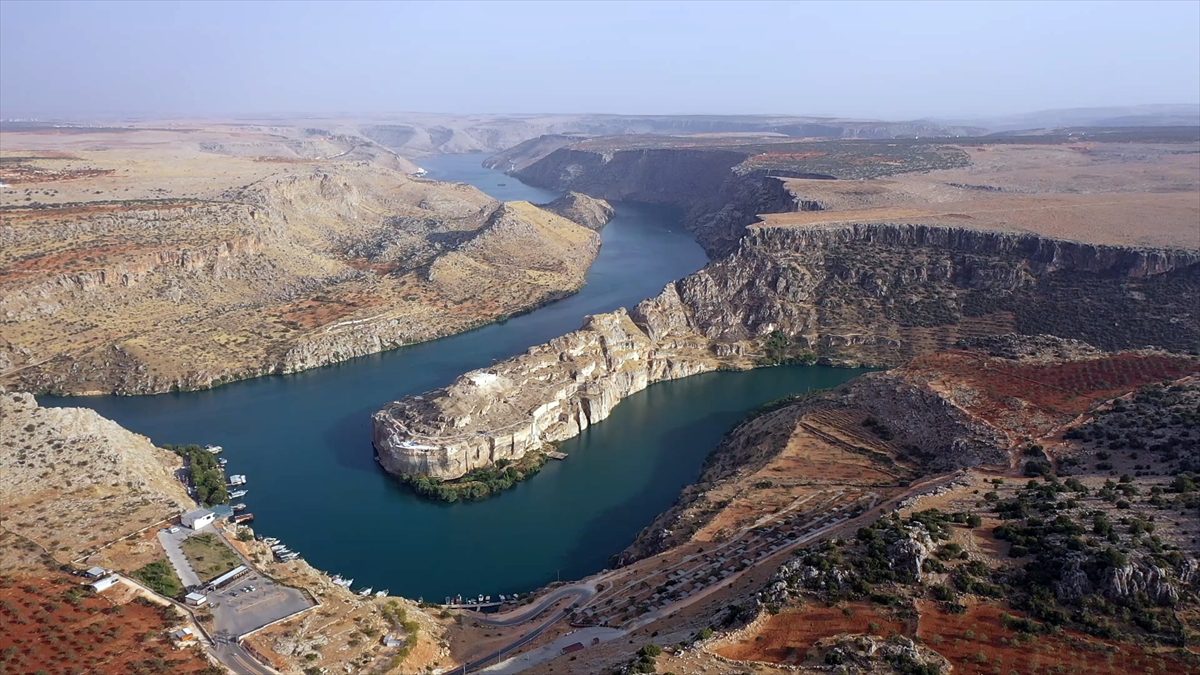
New archaeological research from southeastern Türkiye is significantly extending the known timeline of human presence in Anatolia. Evidence gathered during recent Pleistocene surveys suggests that early human activity in the region dates back nearly one million years, challenging long-held assumptions about Ice Age mobility and settlement patterns.
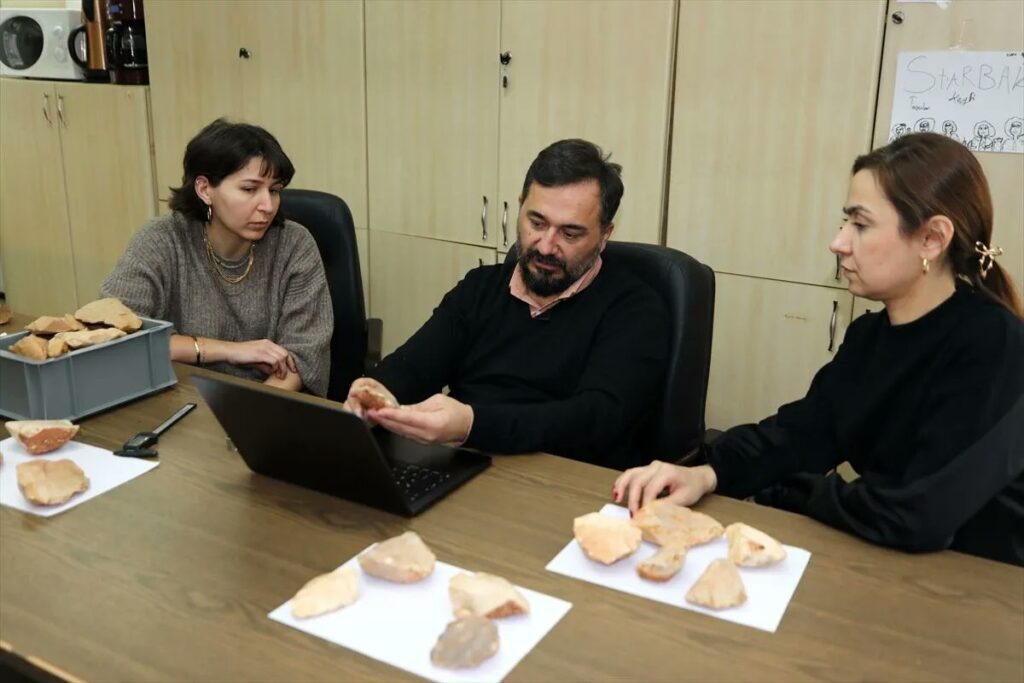
The findings emerge from a large-scale surface survey project conducted by researchers at Gaziantep University, which has been systematically documenting prehistoric sites since 2023. Fieldwork has focused on multiple districts across Gaziantep Province, with further survey zones planned in the coming phases.
Anatolia as a Long-Term Ice Age Habitat
The Pleistocene epoch, spanning roughly from 3 million to 10,000 years ago, has long been understood as a period of climatic instability and human migration. However, the new data indicates that parts of Anatolia functioned not merely as transitional corridors, but as stable and resource-rich landscapes capable of sustaining repeated and prolonged human occupation.
According to project researcher İsmail Baykara, the environmental diversity of the region played a decisive role:
“During the Pleistocene, Anatolia offered access to raw materials, water sources, and favorable ecological conditions within a relatively compact geography. This made long-term human presence not only possible, but sustainable.”
Caves, Rock Shelters, and Open-Air Sites
Among the most significant discoveries are caves, rock shelters, and open-air occupation areas identified during the surveys. Several of these sites show strong potential to reshape the established Pleistocene chronology of Anatolia, particularly in relation to human activity prior to the emergence of Neolithic lifeways.
Researchers emphasize that these locations provide rare insight into how early human groups adapted to changing climates, exploited local resources, and organized their daily lives long before settled agriculture.
Stone Tools Point to Deep Antiquity
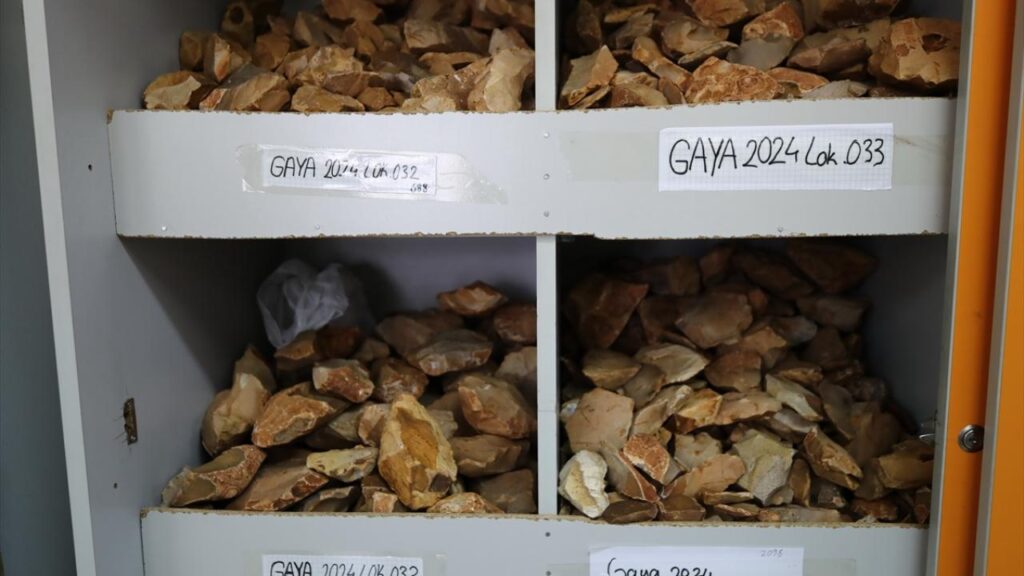
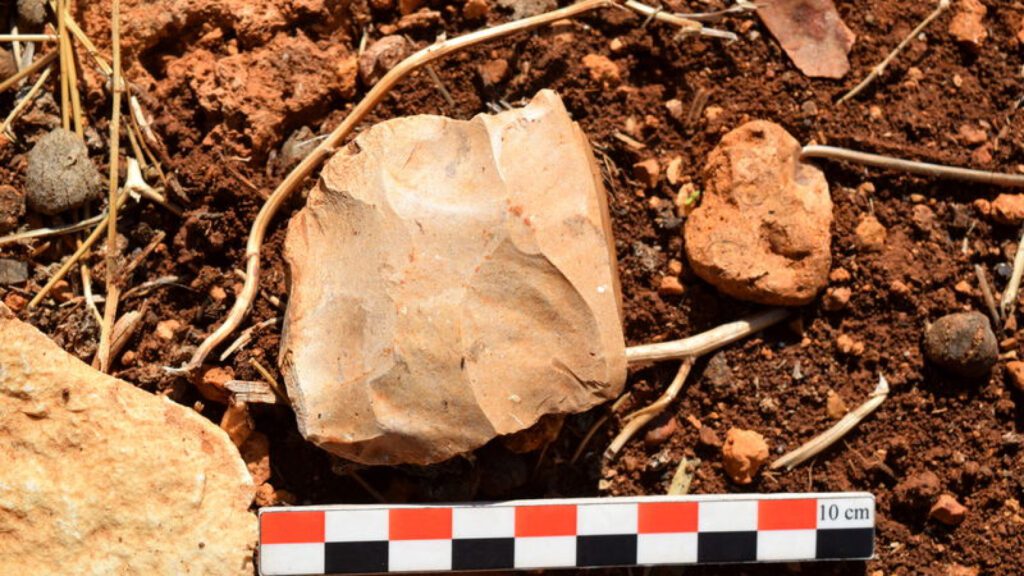
Analyses of chipped stone tools recovered during the project reveal diverse production techniques and technological traditions. These assemblages suggest a continuous or recurrent human presence in the region extending back close to one million years, placing Anatolia firmly within the earliest phases of human dispersal across Eurasia.
The findings strengthen Anatolia’s position as a key zone in the broader narrative of human evolution, bridging Africa, the Levant, and Eurasia.
Rewriting the Deep History of Anatolia
As surveys expand into new districts, researchers expect additional discoveries that may further refine—or complicate—existing models of early human movement and settlement. For now, the evidence underscores a growing consensus: Anatolia was not a marginal landscape during the Ice Age, but an enduring arena of human adaptation and survival.