-

From a Neanderthal Handaxe to a ‘Princely’ Horse Burial: New Map Reveals More Than 36,000 Years at Sizewell C
A rare Neanderthal handaxe, Roman industrial remains and large Anglo-Saxon cemeteries may appear to belong to entirely different archaeological stories. Yet all of them have emerged from the same landscape in Suffolk, where Sizewell C archaeology is revealing evidence of human activity stretching back more than 36,000 years. Oxford Cotswold Archaeology (OCA) has now launched…
-

Archaeologists Discover First Possible Evidence of Roman Gladiator Mauled by a Lion
Archaeologists have unearthed the bones of a Roman warrior in a Roman-era cemetery in York, England, bearing the first possible evidence that he may have been mauled by a lion. Dating back approximately 1,800 years, these remains offer concrete evidence of the brutal encounters with animals in gladiatorial combat. The fact that no other gladiator…
-
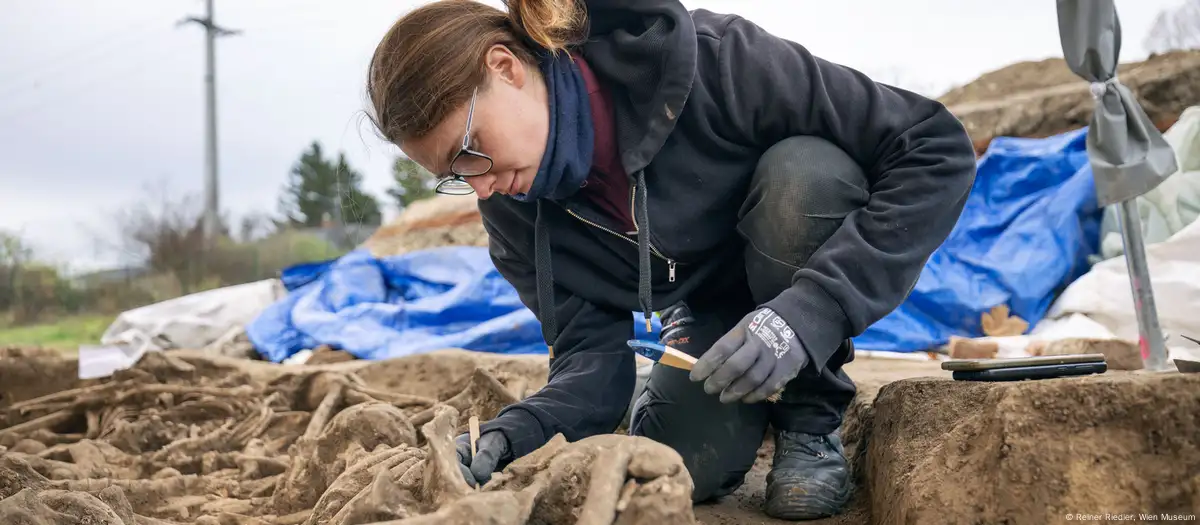
Roman Soldier Cemetery Found During Excavation of Football Pitch in Vienna
In the outskirts of Vienna, an unexpected mass grave unearthed during the renovation of a football field offers striking insights into the early periods of the Roman Empire. Archaeologists have revealed skeletal remains belonging to approximately 150 young men, dating back to the 1st century AD. This discovery is of great significance due to the…
-

The Mosaic House in the ancient city of Pergamon is being uncovered
Located in Izmir, Turkey, the “Mosaic House” complex from the Roman period in the ancient city of Pergamon is being uncovered through excavation work conducted under the “Heritage for the Future Project” by the Ministry of Culture and Tourism. Led by Prof. Dr. Yusuf Sezgin, the head of the Archaeology Department at Manisa Celal Bayar…
-
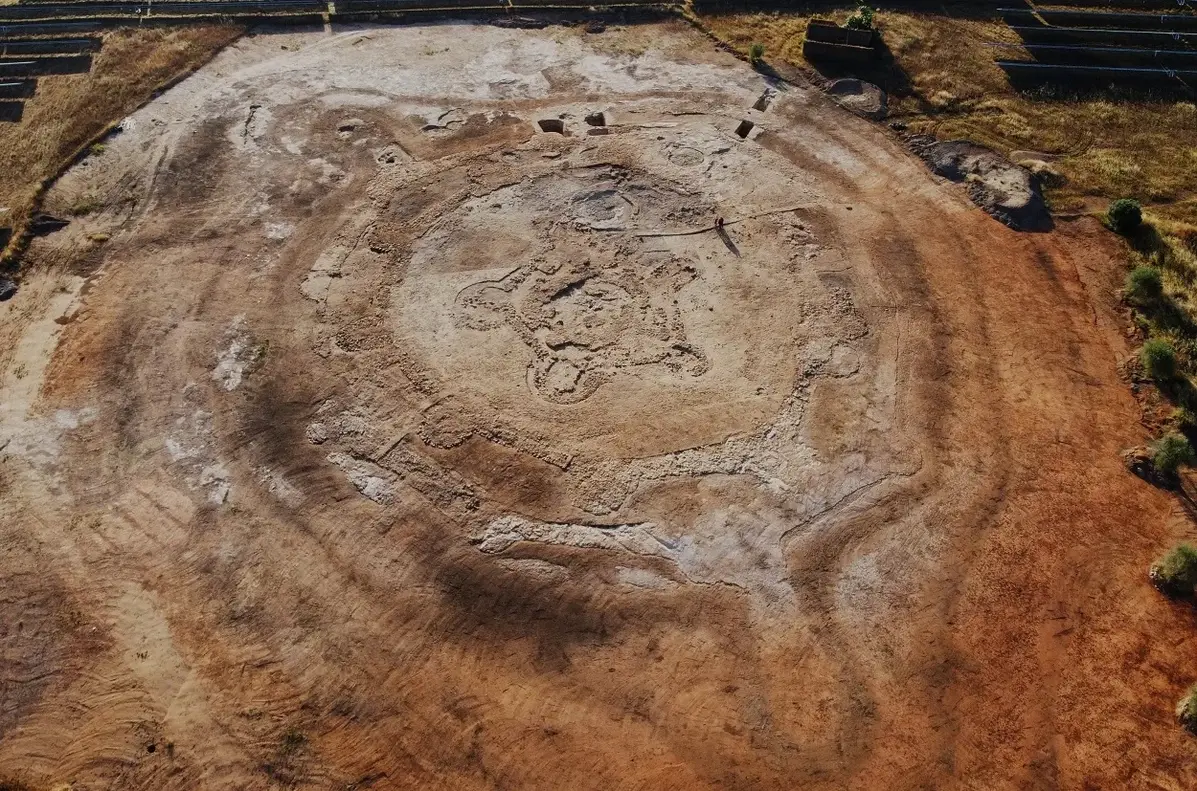
Man Buried with Roman Pugio Found in an Ancient Castle in Spain
During the construction of a new photovoltaic park at Cortijo Lobato, near Almendralejo in Spain’s Extremadura region, archaeologists made a remarkable discovery: the skeletal remains of a man buried with a Roman pugio, a type of dagger. This site, with a history dating back to the 3rd millennium BC, shows evidence of human activity extending…