-
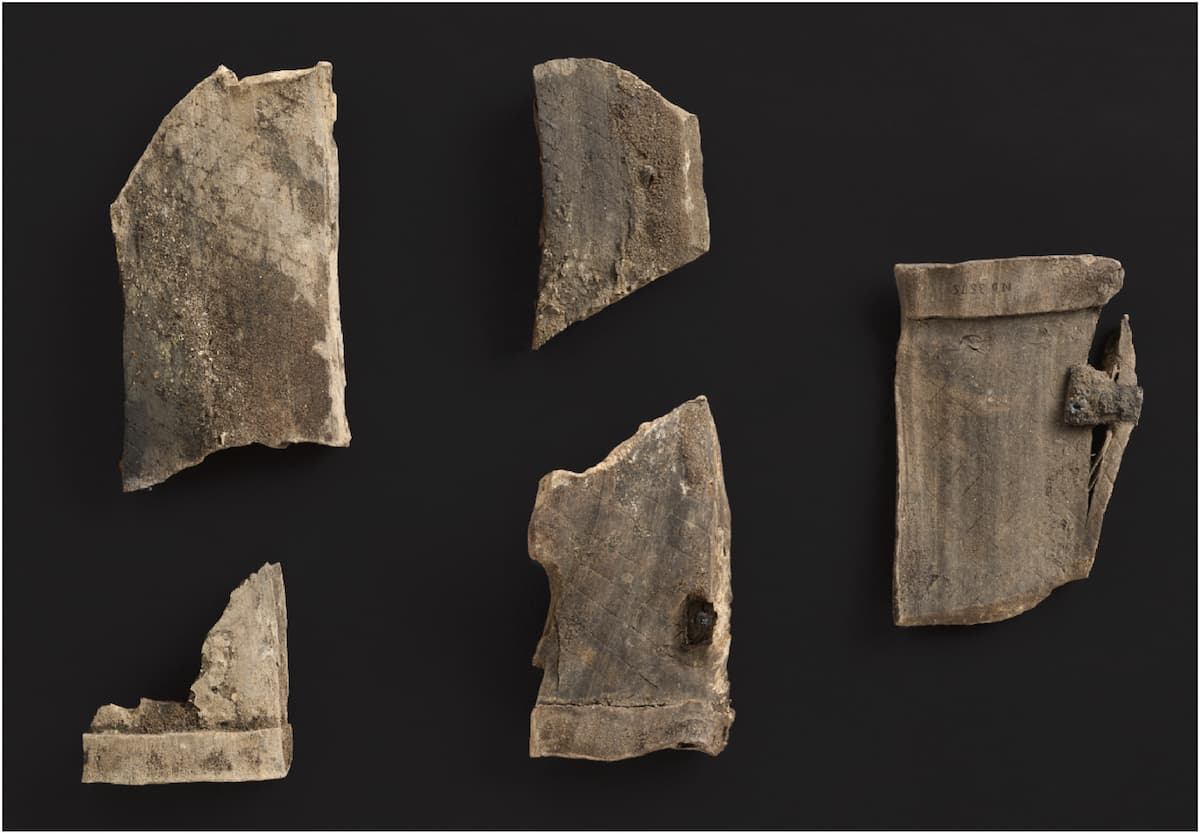
Ancient Assyrian Tablets: Science Uncovers 7th Century Writing Techniques
Ancient writing boards excavated from Nimrud are providing incredible clues about how cuneiform script was written in the 7th century BC. These boards were written using a mixture of beeswax and orpiment (a yellow pigment). A Great Discovery by Archaeologists: Found during excavations in the 1950s, these tablets shed light on the administrative and scholarly…
-
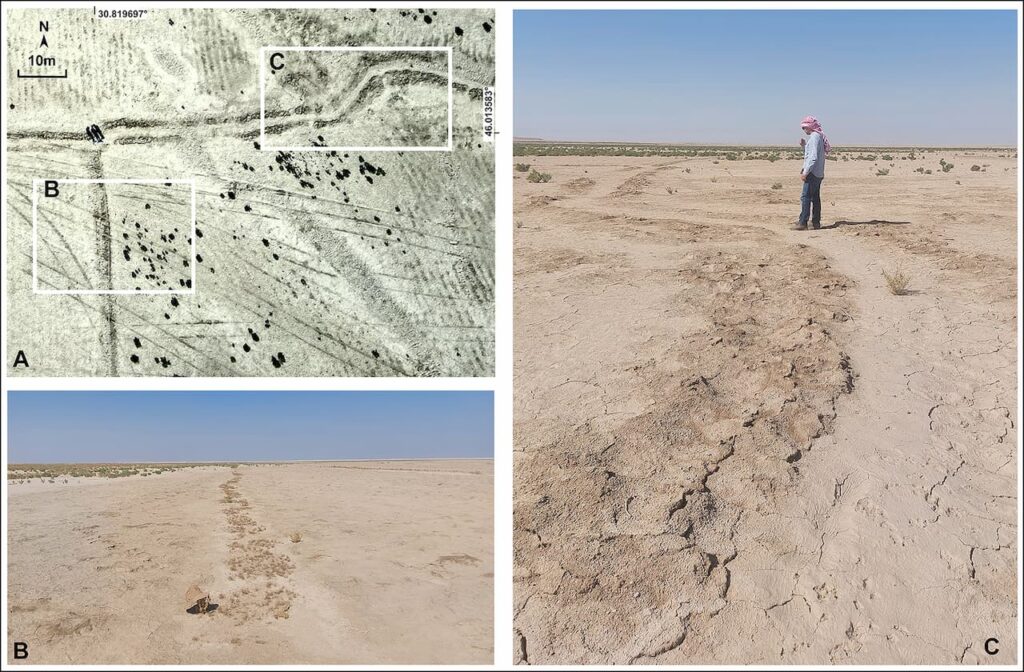
Mesopotamia’s Hidden Waterways: Millennia-Old Irrigation System Discovered in Eridu
An international team of archaeologists and geologists has discovered a remarkably well-preserved ancient irrigation network in the Eridu region of southern Iraq, dating from the 6th to the 1st millennium BCE. This extraordinary find offers unique insights into the early agricultural practices of Mesopotamia. Led by geoarchaeologist Jaafar Jotheri from Durham University, researchers revealed that…
-
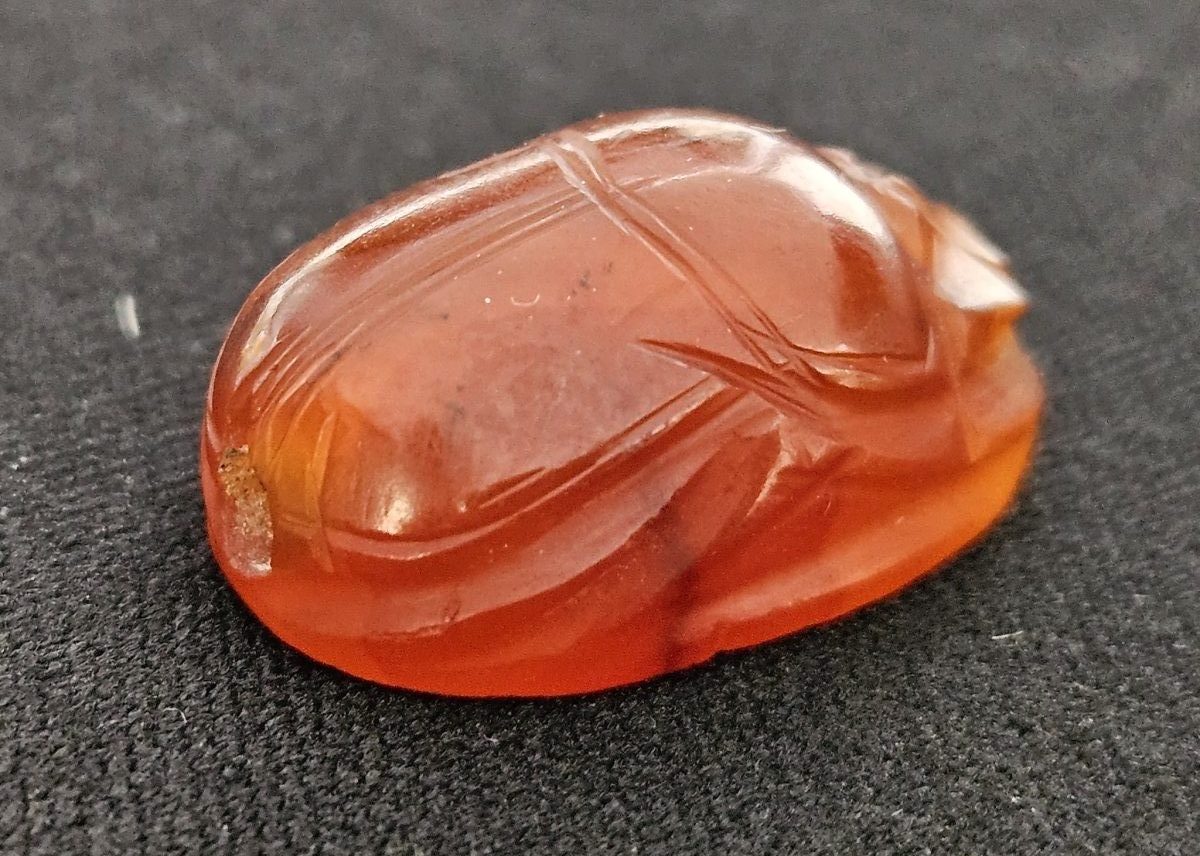
Rare 2,800-Year-Old Assyrian Scarab Seal Discovered in Israel’s Tabor Nature Reserve
A nature enthusiast recently made a remarkable discovery in the Tabor Nature Reserve, located in Lower Galilee, Northern Israel. Erez Abrahamov, a 45-year-old from Paduel, uncovered a rare scarab seal dating back to the First Temple period, believed to have been used by an Assyrian official. The seal was found near Tel Rekhesh, in connection…
-
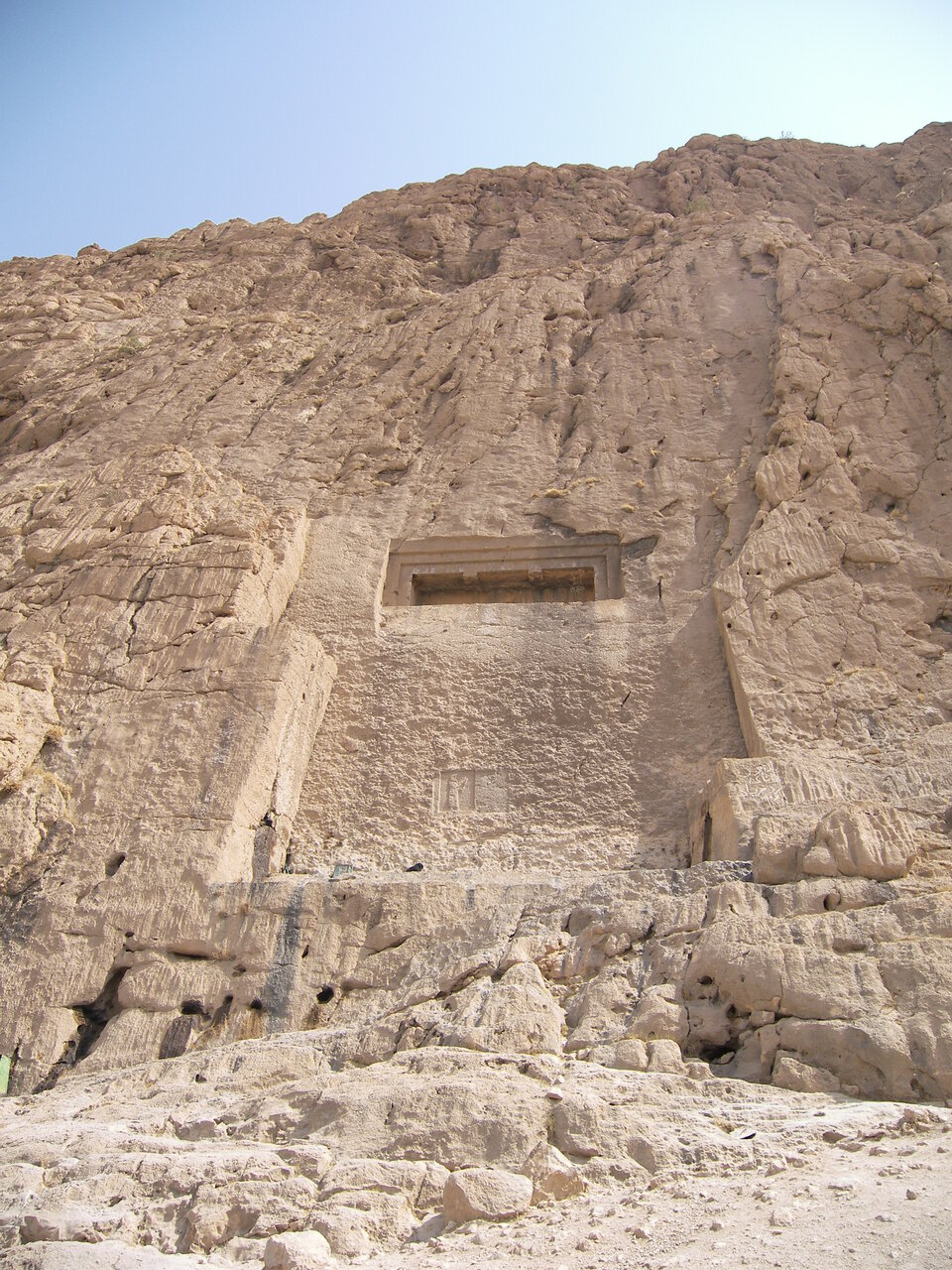
The 2400-year-old Dokkan-e Daud relief in western Iran displays influences of Zoroastrianism
Dokkan-e Daud, also known as David’s Store, is a significant archaeological site located in the rugged landscapes of Kermanshah province in western Iran. This site serves as both a tomb and a relief, offering valuable insights into Zoroastrian religious practices. Situated twelve meters above the ground, Dokkan-e Daud features a wide entrance framed by two…
-
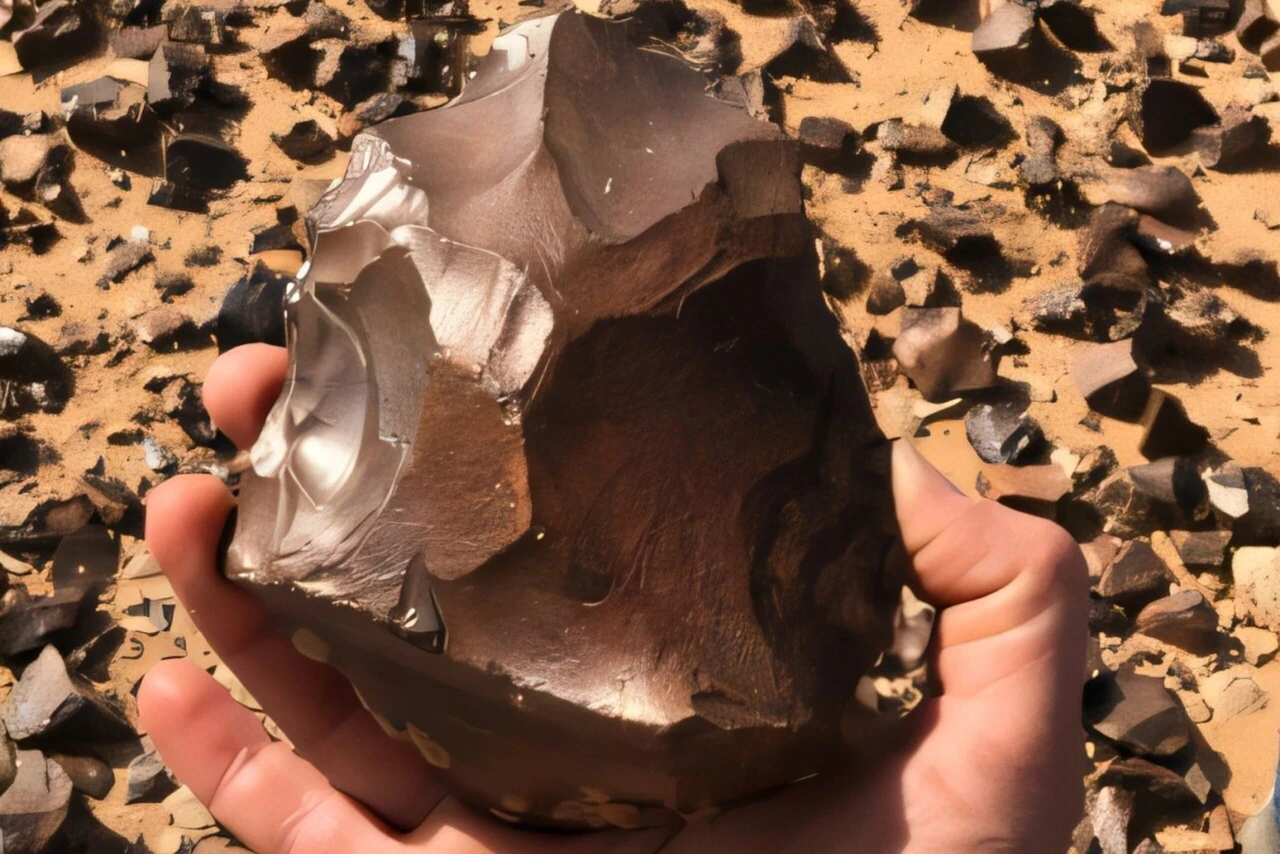
1.5 Million-Year-Old Hand Axes and Seven Paleolithic Sites Discovered in Iraq’s Western Desert
In a remarkable archaeological discovery, researchers have uncovered 1.5 million-year-old hand axes alongside seven important Paleolithic sites in Iraq’s Western Desert. This significant find was made by archaeologists from the Free University of Brussels (VUB) during an excavation covering a 10×20 kilometer area. Researcher Ella Egberts traveled to Iraq in November and December. Her goal…