-
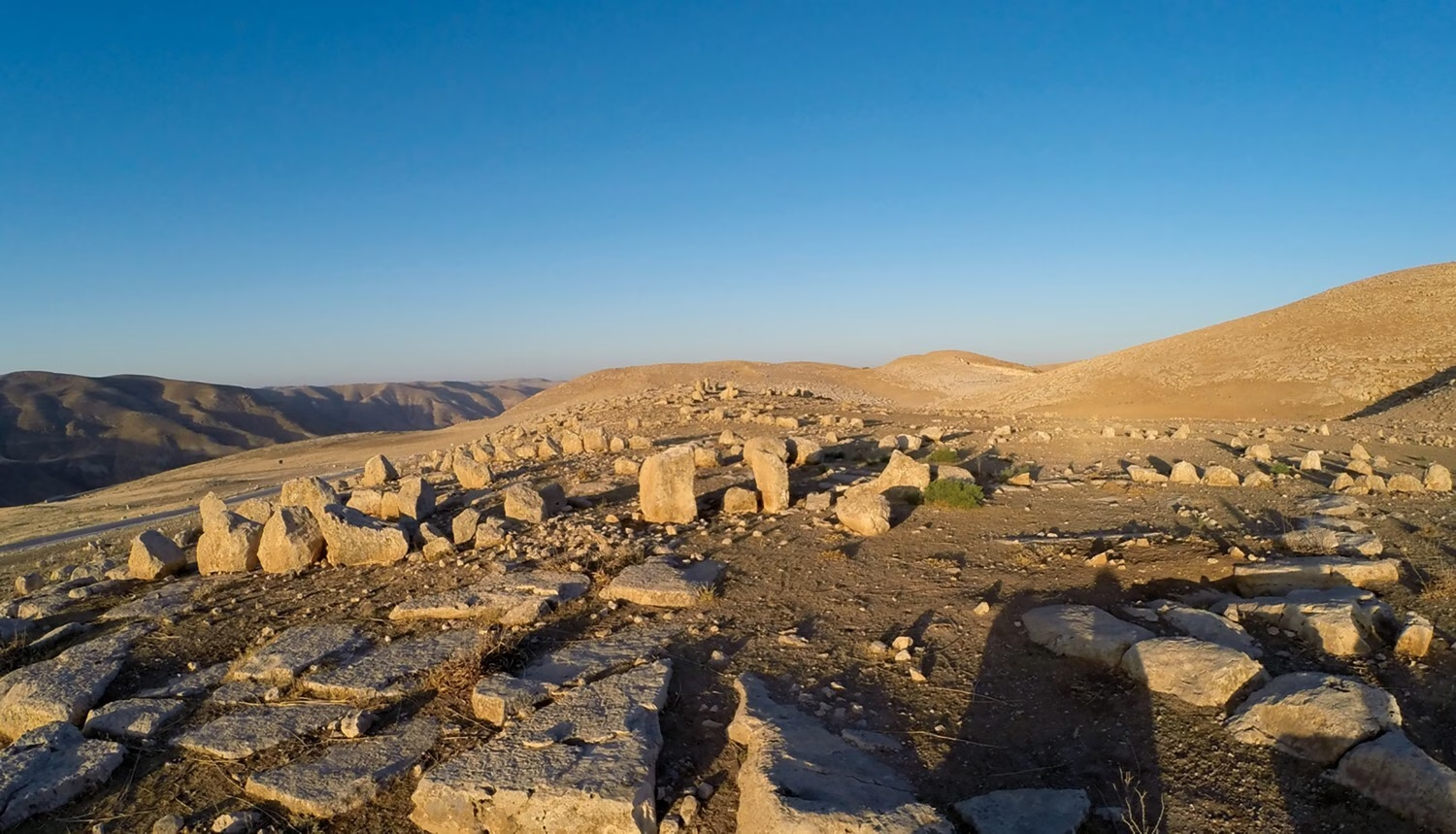
5,000-Year-Old Memory Stones: Mysterious Ceremonial Complex Unearthed in Jordan
Archaeological excavations in Murayghat, Jordan, have revealed a stunning ceremonial complex dating back to the Early Bronze Age. Featuring monumental dolmens, towering standing stones, and large-scale non-domestic architecture, the site offers rare insights into how ancient communities responded to crisis by reinventing belief and belonging. The project is led by Associate Professor Dr. Susanne Kerner…
-
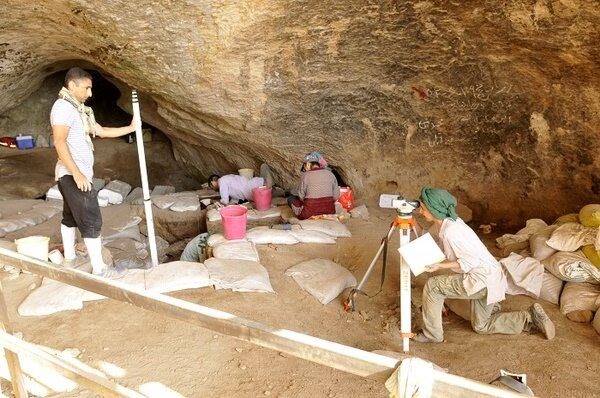
New Excavation Season to Begin at Qal-e Kord: Tracing 400,000 Years of Human History in Iran
A new season of archaeological excavations at Qal-e Kord, believed to be the oldest known human settlement in Iran, is set to begin in early August. The project aims to uncover new evidence of prehistoric human life, including Neanderthals and earlier hominins. Scientific and Governmental Support Behind the Project The upcoming excavation season was announced…
-
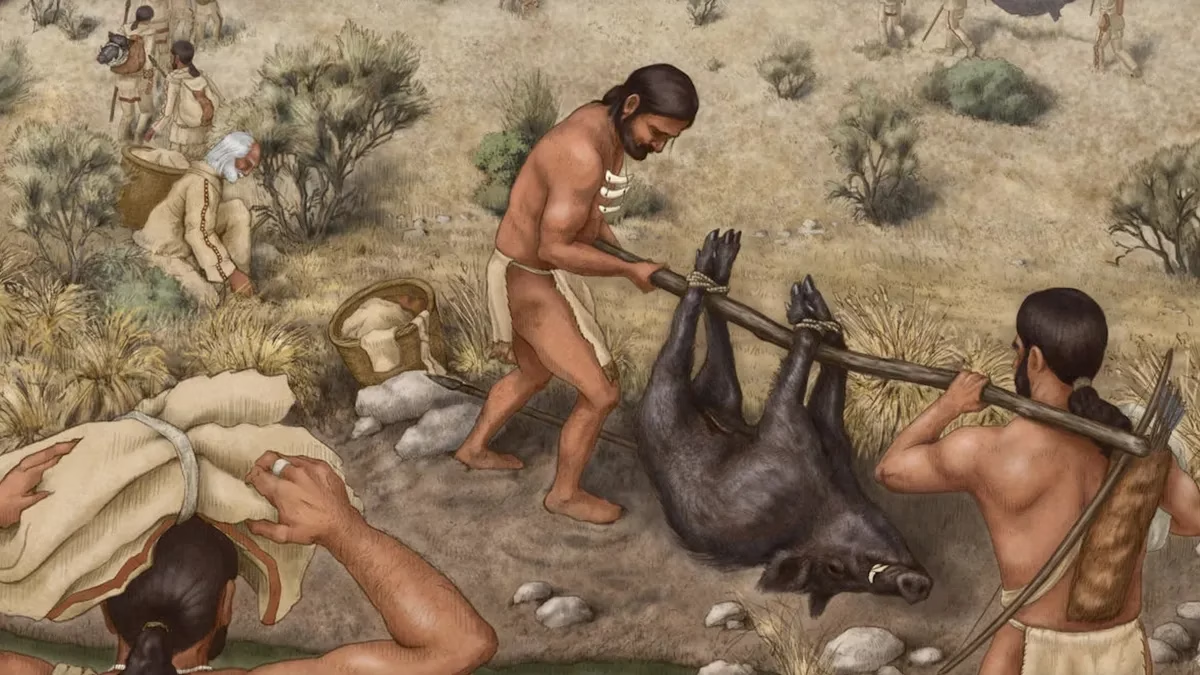
11,000-Year-Old Feast Reveals Wild Boars Were Transported 70 KM in Prehistoric Iran
A stunning discovery in the Zagros Mountains rewrites our understanding of prehistoric social life and long-distance gift exchange A groundbreaking archaeological discovery in western Iran’s Zagros Mountains has revealed that prehistoric communities held elaborate communal feasts over 11,000 years ago—and even transported wild boars over 70 kilometers across rugged terrain to attend them. Feasting Before…
-
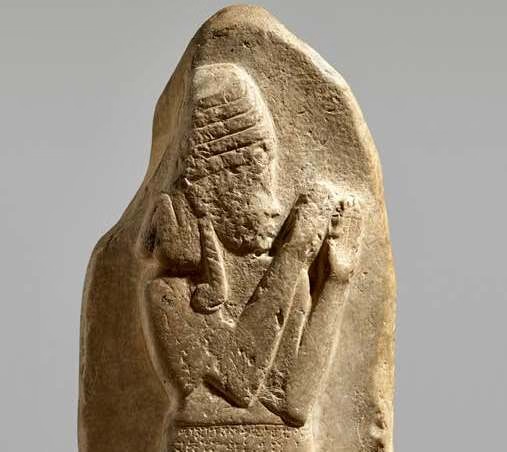
The Kassite Stele of Goddess Lama Sheds Light on Uruk’s Religious Landscape
A remarkable stele from the Kassite period, dating to circa 1307–1282 BCE, offers deep insight into the religious practices and artistic expression of ancient Mesopotamia. Discovered in Uruk, this sculpted monument features the image of Goddess Lama, known as a protective and interceding deity in Mesopotamian belief systems. Goddess Lama: A Divine Intercessor Between Humans…
-
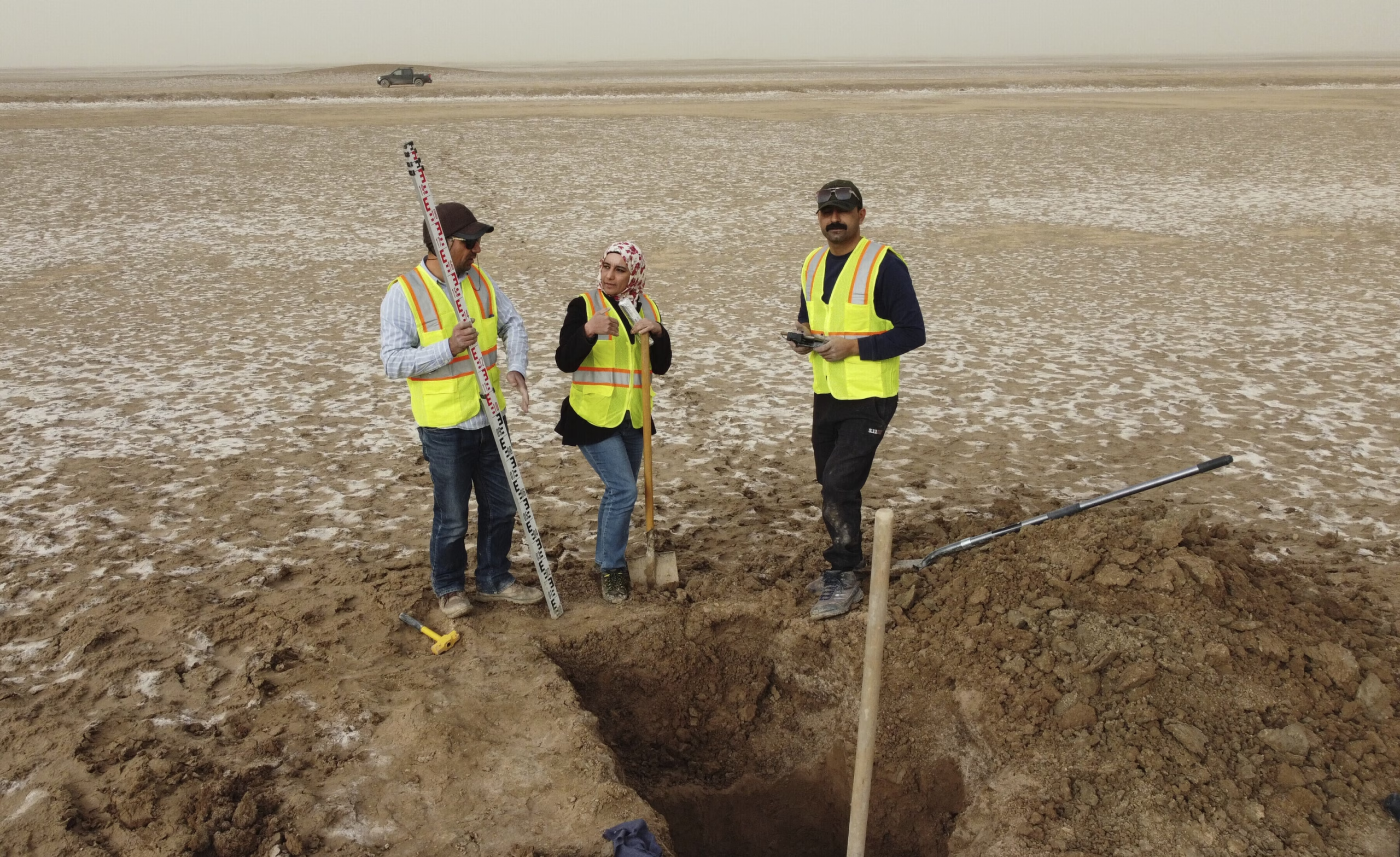
Agricultural Power of the 9th-Century Zanj Rebellion Uncovered: Ancient Irrigation System Found in Southern Iraq
Thousands of man-made ridges and canals stretching across the floodplain of the Shatt al-Arab in southern Iraq have revealed evidence of a vast agricultural infrastructure built largely through slave labor during the 9th century. An international team of archaeologists has uncovered new proof supporting this long-standing theory. Using radiocarbon and optically stimulated luminescence dating techniques,…
-
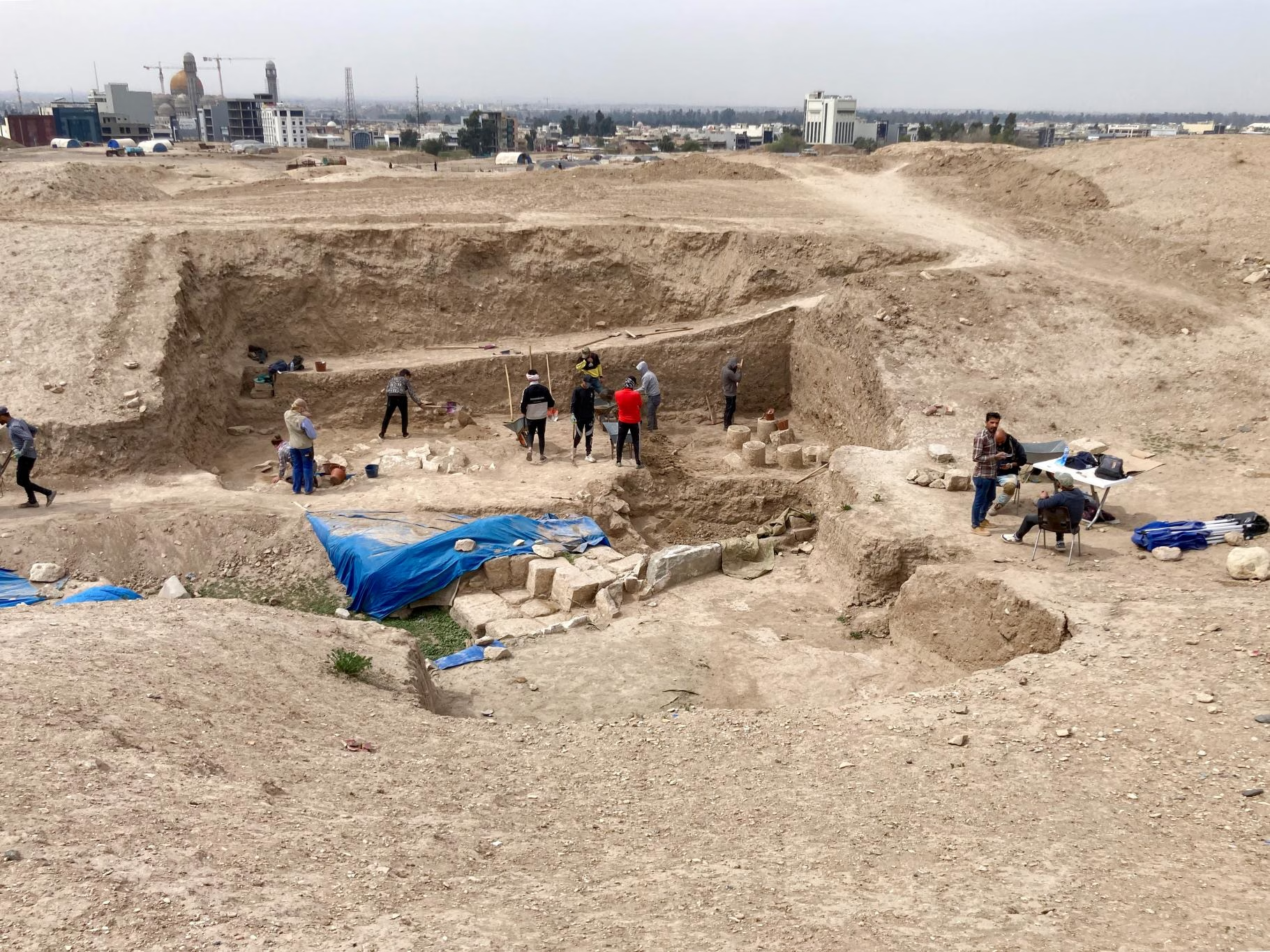
Massive Relief Depicting Assyrian Gods and King Ashurbanipal Unearthed in Ancient Nineveh
Archaeologists from Heidelberg University uncover a unique 12-ton royal relief in Iraq’s ancient Assyrian capital A team of archaeologists from Heidelberg University has made a remarkable discovery in the heart of ancient Mesopotamia. During excavations at Kuyunjik Hill—part of the ancient city of Nineveh near modern-day Mosul—researchers uncovered large fragments of a colossal relief depicting…
-
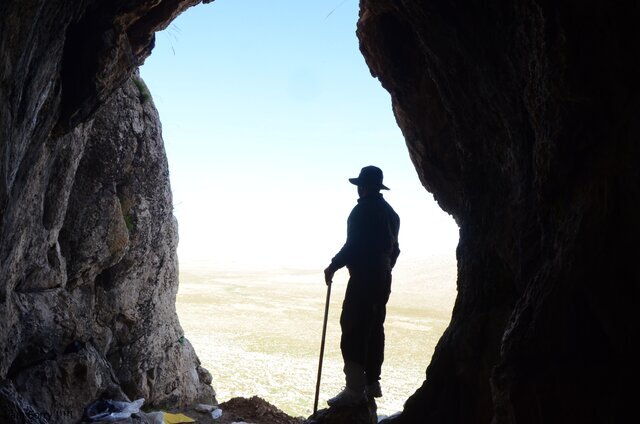
Neanderthal Remains Found in Iran’s Zagros Mountains: Kunakhera Cave Reveals 80,000-Year-Old Evidence
An emergency archaeological excavation in Iran’s central-western Zagros Mountains has uncovered compelling evidence of Neanderthal presence dating back between 40,000 and 80,000 years. The discovery was made in Kunakhera Cave, a site threatened by illegal digging and natural degradation. Led by archaeologist Nemat Hariri, the project was launched under the supervision of the Cultural Heritage…
-
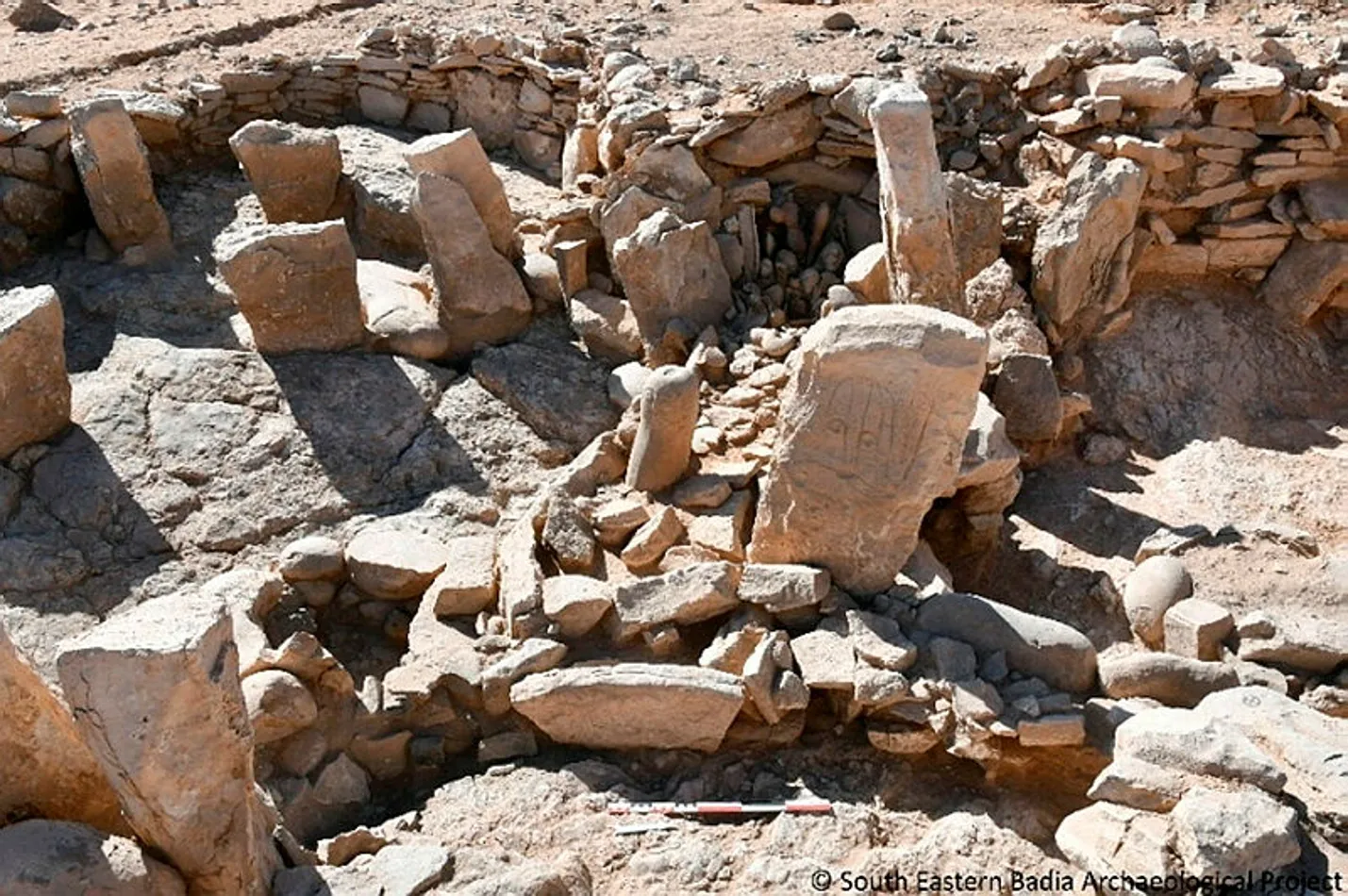
Archaeologists Discover 9,000-Year-Old Temple in Jordan Desert
Researchers Say the Finding Sheds ‘Entirely New Light’ on the Symbolism, Artistic Expression, and Spiritual Culture of Previously Unknown Neolithic Communities A team of Jordanian and French archaeologists announced on Tuesday that they had found a roughly 9,000-year-old temple at a remote Neolithic site in Jordan’s eastern desert. The ritual complex was found in a…
-
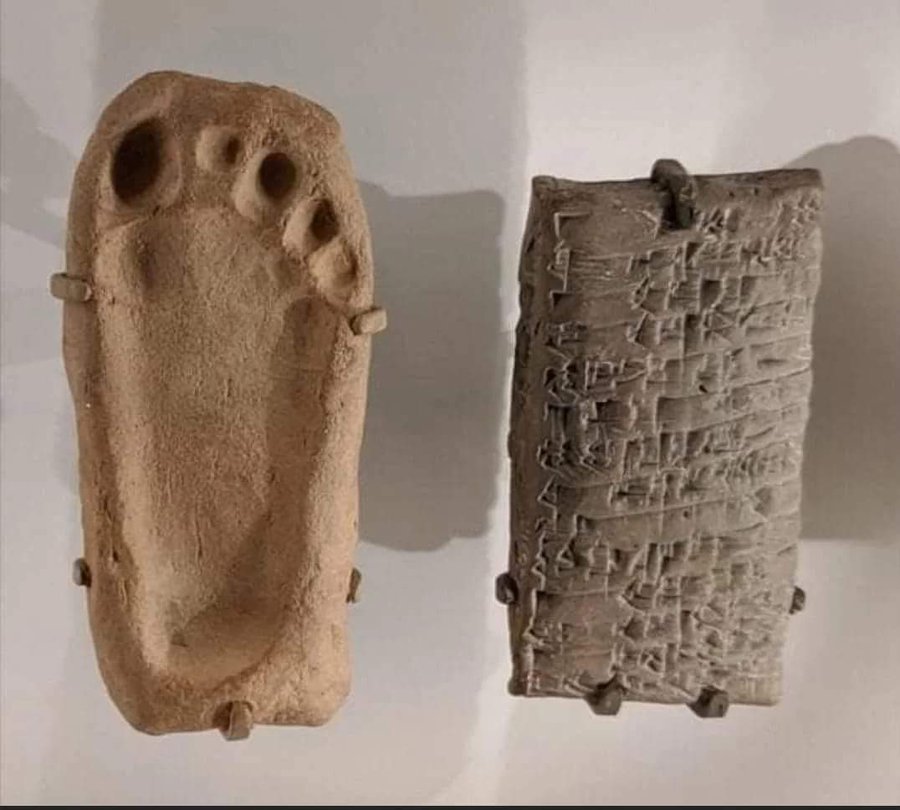
Sumerian Birth Certificate: One of History’s Oldest Records
Imagine a poignant record from the dusty pages of history, stretching back approximately four thousand years. Picture a small clay tablet inscribed with cuneiform, dating between 2000 and 1595 BC. This humble artifact represents the birth certificate of a child from the Sumerian period! Unearthed in the ancient city of Nippur (modern-day southern Iraq), this…