-
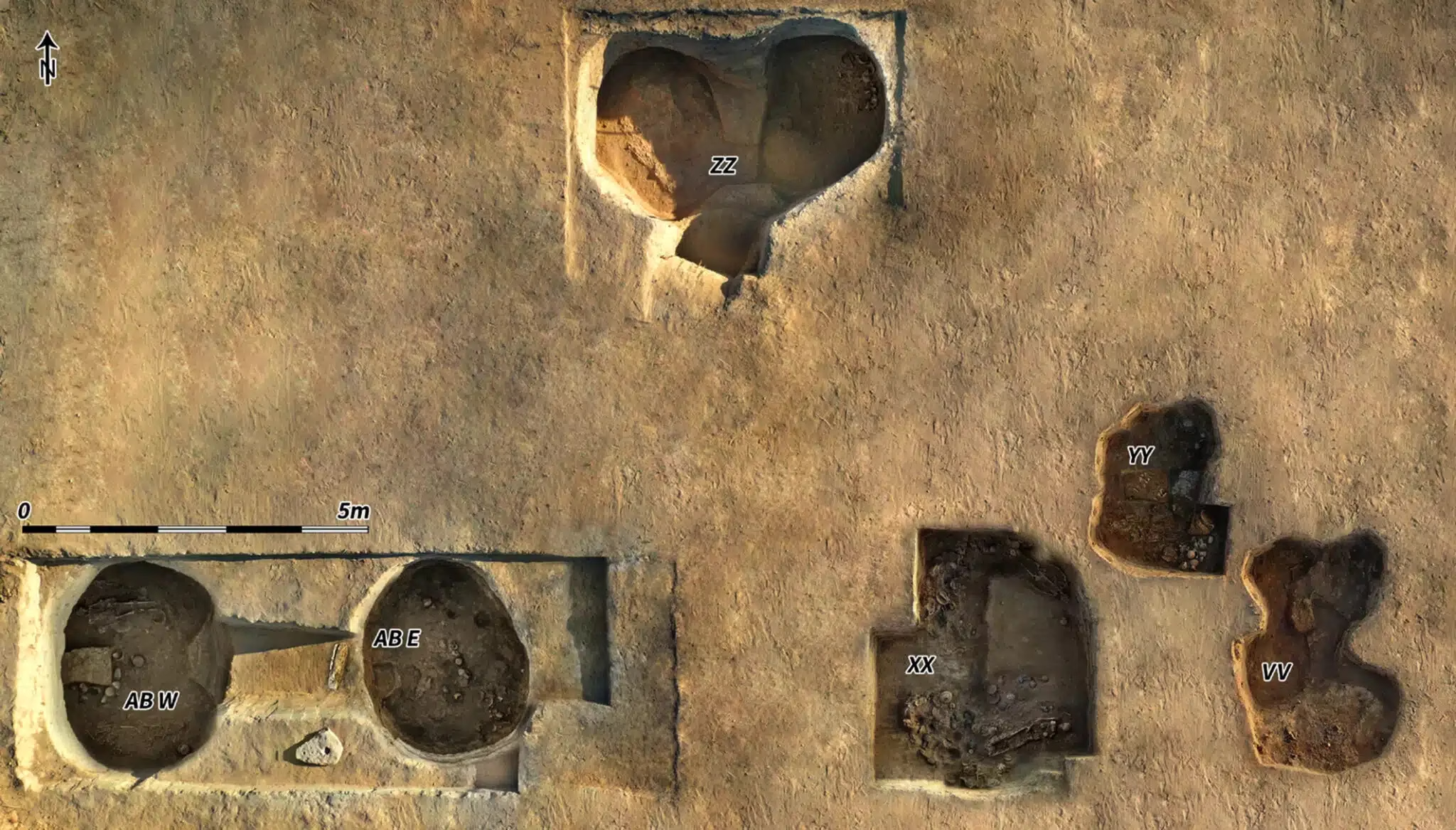
Bronze Age Fishing Tools Unearthed in Cyprus: Similar Finds Seen Only in the Uluburun Shipwreck
Boat-Shaped Lead Artifacts Reveal Sophisticated Ancient Fishing Practices in the Eastern Mediterranean Archaeologists working at the Hala Sultan Tekke archaeological site in Cyprus have uncovered five rare boat-shaped lead artifacts dating back more than 3,000 years to the Late Bronze Age. These unique objects, believed to be ancient fishing lures, closely resemble items found only…
-
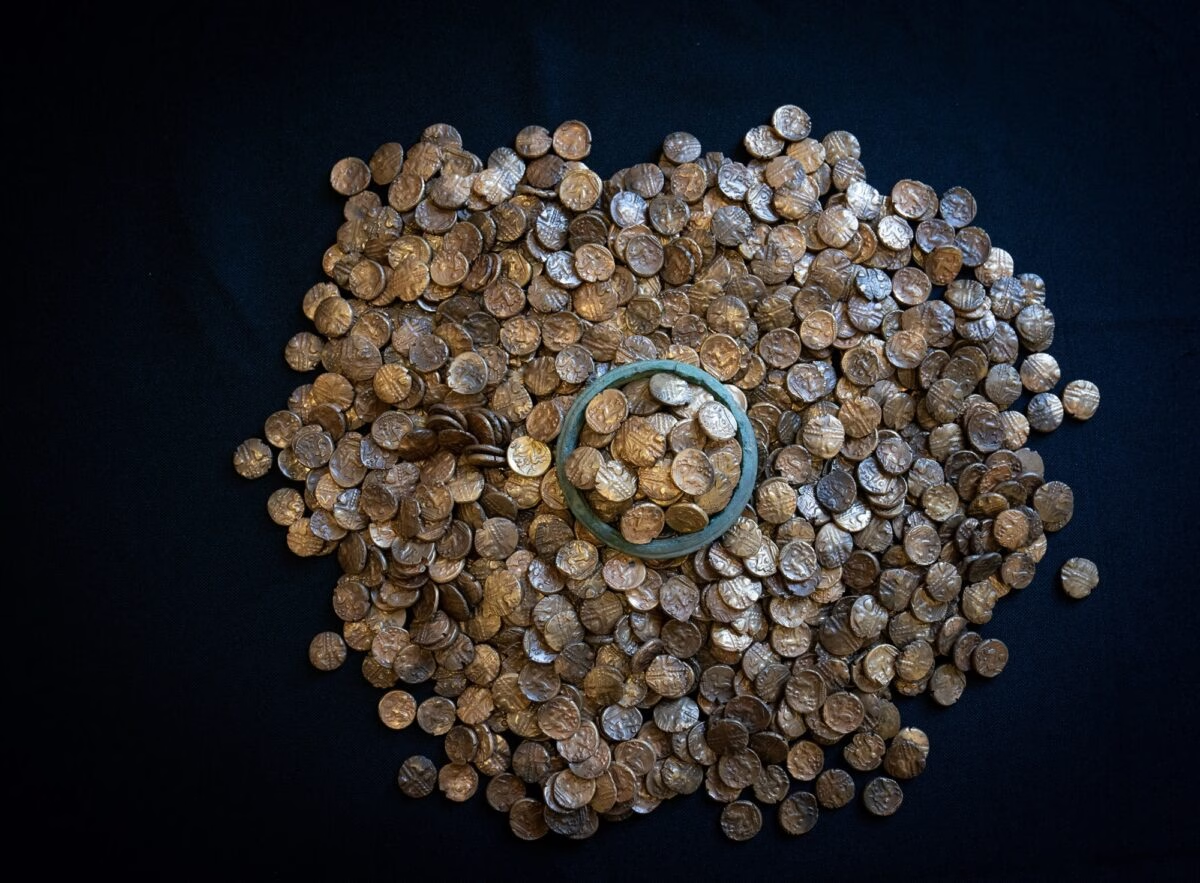
Britain’s Largest Iron Age Gold Coin Hoard: A Tribute to Caesar?
A groundbreaking archaeological find has emerged from near Chelmsford, UK — the Great Baddow Hoard, now recognized as the largest Iron Age gold coin hoard ever discovered in Britain. This exceptional collection offers an unparalleled window into a transformative period in ancient British history, when local tribes began producing their own regional coinage, coinciding with…
-
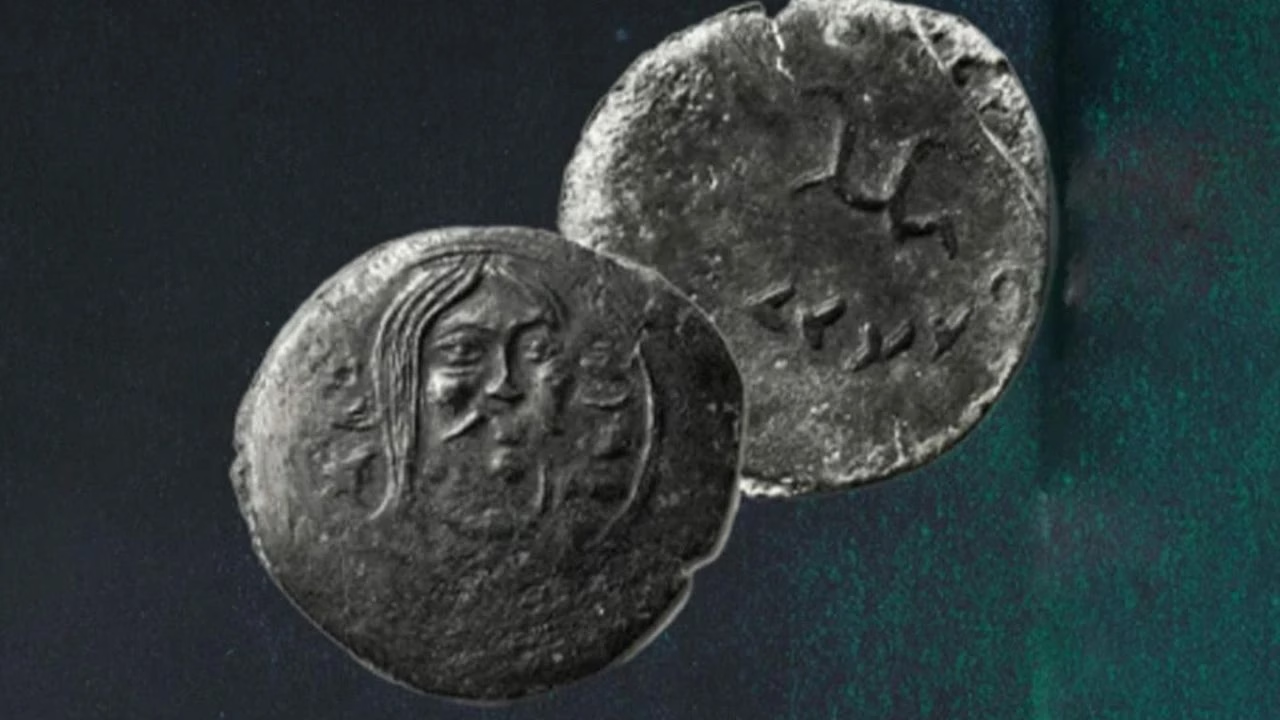
A Groundbreaking Discovery: 6th-Century “Türk-Kağan” Coin Could Be the Oldest Record of the Word “Türk”
A significant archaeological discovery in Uzbekistan is set to reshape what we know about early Turkic history. A bronze coin, believed to date back to the 6th century, bears the inscription “Türk-Kağan,” making it potentially the earliest known artifact to feature the name “Türk” (Turk). The find offers unprecedented insight into the political and ethnic…
-
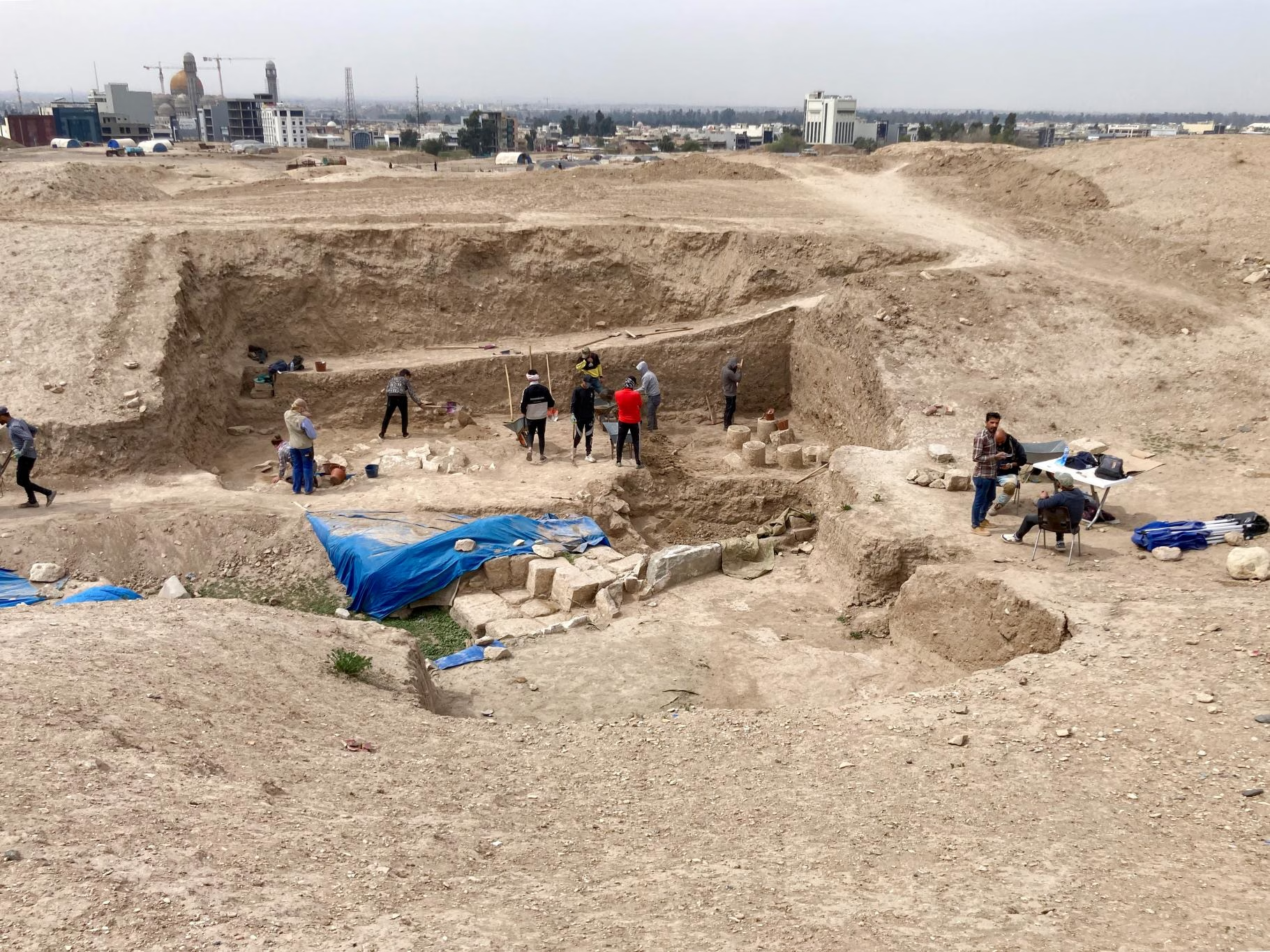
Massive Relief Depicting Assyrian Gods and King Ashurbanipal Unearthed in Ancient Nineveh
Archaeologists from Heidelberg University uncover a unique 12-ton royal relief in Iraq’s ancient Assyrian capital A team of archaeologists from Heidelberg University has made a remarkable discovery in the heart of ancient Mesopotamia. During excavations at Kuyunjik Hill—part of the ancient city of Nineveh near modern-day Mosul—researchers uncovered large fragments of a colossal relief depicting…
-
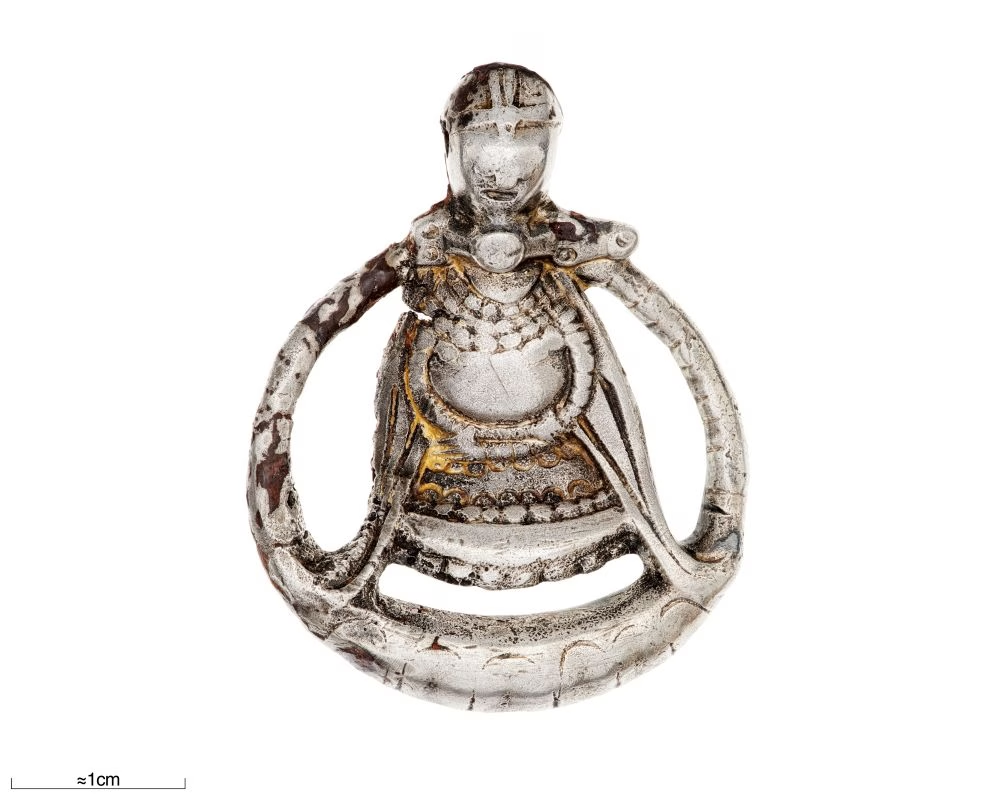
Pregnancy in the Viking Age: Warrior Women, Unborn Children, and the Silences of History
A groundbreaking study conducted by Viking specialists from the University of Nottingham and the University of Leicester is shedding new light on the experience of pregnancy during the Viking Age—offering fresh perspectives on gender, embodiment, and social norms in a society often viewed through the lens of warfare and conquest. The First Academic Focus on…
-

Exceptionally Preserved Bronze Age Urns Discovered in Germany
A routine infrastructure project in Lower Saxony has led to a major archaeological breakthrough: nearly 3,000-year-old Bronze Age cremation urns have been unearthed in remarkably preserved condition. Experts are calling the discovery one of the most significant in recent years. During preliminary excavations for a new drainage ditch along County Road K17 between the towns…
-
![“Game[in]g Problems” Exhibition in Elche: Video Games Redefine History](https://ancientist.com/wp-content/uploads/2025/05/POSTER_Gameing_Problems_Historytelling.avif)
“Game[in]g Problems” Exhibition in Elche: Video Games Redefine History
Can history be told through video games? Elche’s Alejandro Ramos Folqués Archaeology and History Museum will open the doors to a groundbreaking exhibition on May 16, 2025. The Game[in]g Problems_Historytelling exhibition will explore how video games can represent historical events and offer a new lens for understanding the past through digital art and interactive experiences.…
-

Excavations at Tell Abu Saifi Reveal Ancient Egypt’s Strategic Eastern Defense Systems
Ongoing archaeological excavations at Tell Abu Saifi, located in Egypt’s North Sinai region, continue to shed light on the intertwined military and industrial functions of this historically rich site. Layered remains from multiple civilizations have revealed not only Ptolemaic and Roman-era fortifications but also defensive structures that date back to even earlier periods. Glimpses into…
-
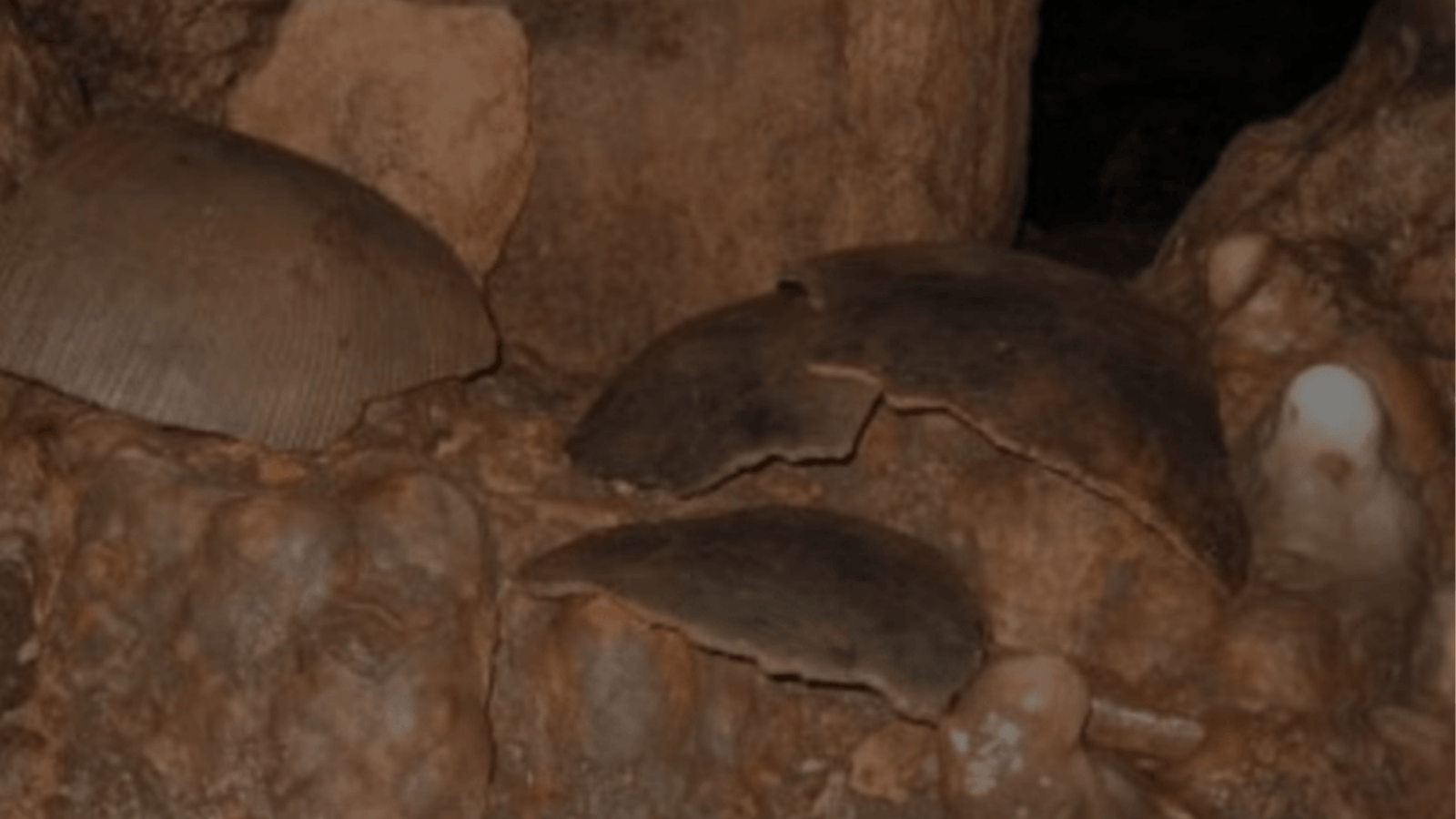
Stacked Skull Fragments and Human Bones in Guatemala’s ‘Cave of Blood’ Point to Maya Sacrifice
More than 100 fragmented human bones, including deliberately arranged skull remains and bones bearing signs of violence, are providing new evidence of ritual human sacrifice inside Guatemala’s Cueva de Sangre, or “Cave of Blood.” The remains were not newly discovered. They were found during archaeological investigations at the cave beneath the Maya site of Dos…