-
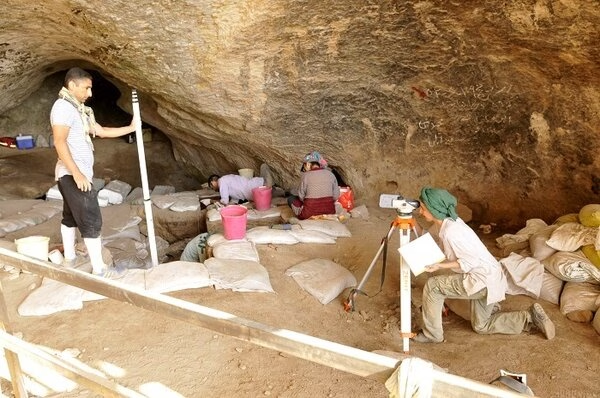
New Excavation Season to Begin at Qal-e Kord: Tracing 400,000 Years of Human History in Iran
A new season of archaeological excavations at Qal-e Kord, believed to be the oldest known human settlement in Iran, is set to begin in early August. The project aims to uncover new evidence of prehistoric human life, including Neanderthals and earlier hominins. Scientific and Governmental Support Behind the Project The upcoming excavation season was announced…
-
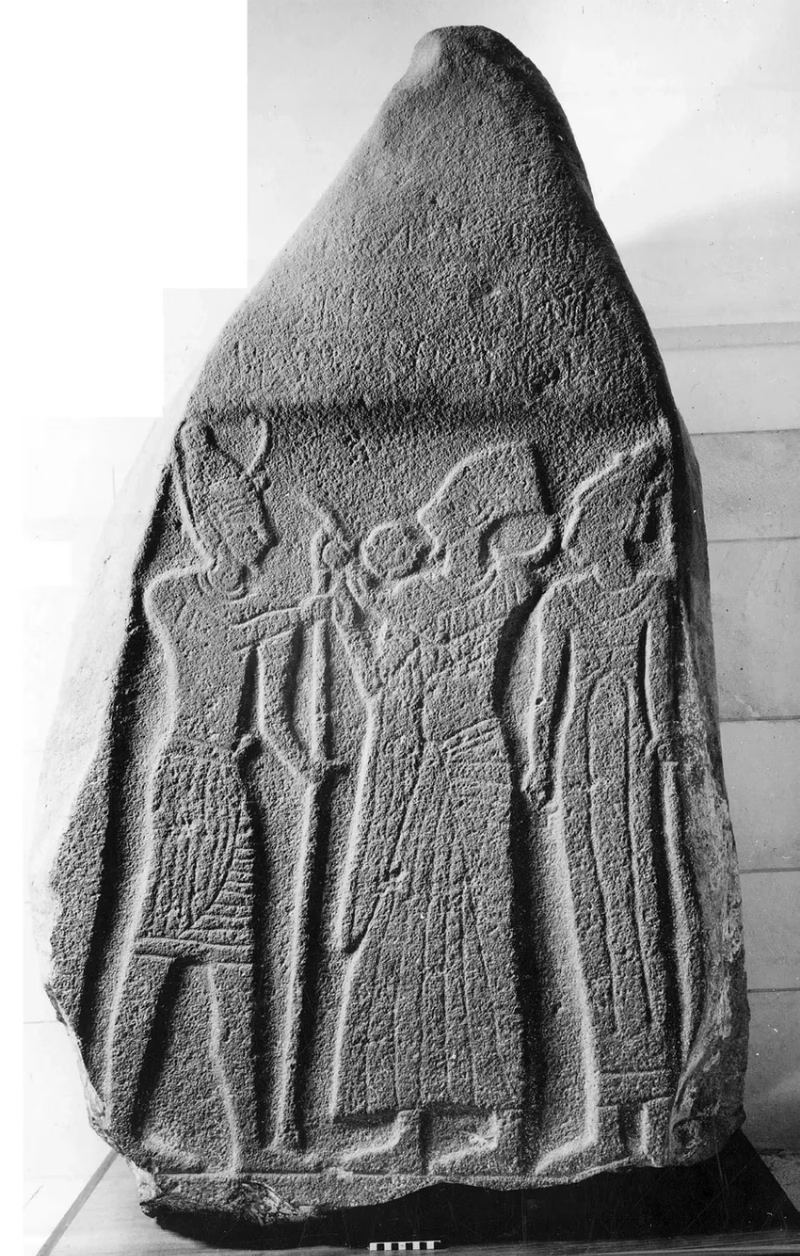
Egyptian Records Highlight Southern Levant’s Role in Bronze Age Geopolitics
Archaeological and written sources reveal Egypt’s political and economic influence over the Levant Official documents and inscriptions from ancient Egypt provide striking insights into the geopolitical importance of the Southern Levant (modern-day Palestine, Jordan, and Israel) during the Bronze Age. Newly discovered cuneiform tablets, stelae, and temple inscriptions show that this region was not only…
-
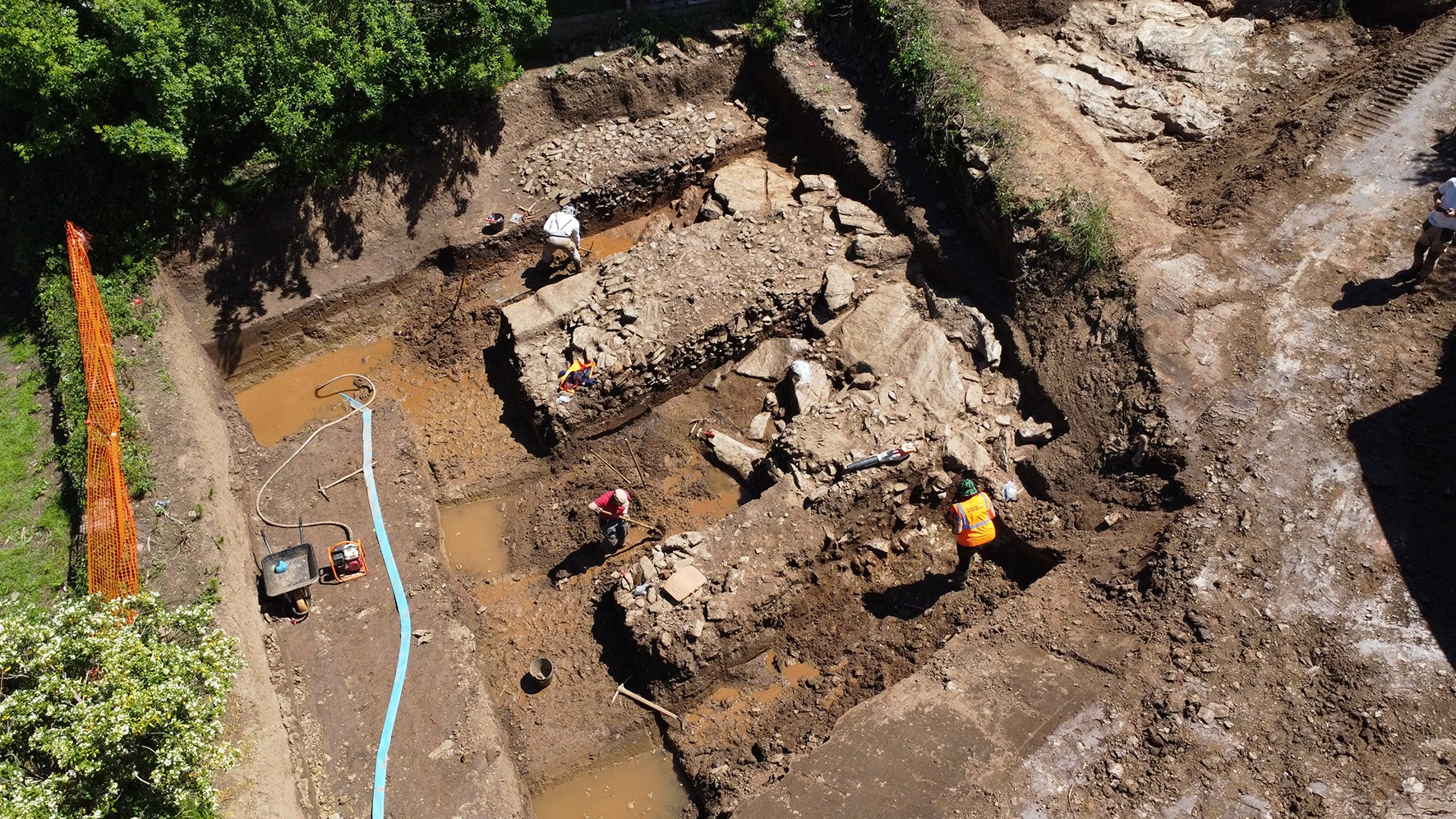
Ancient Port Structure from Late Antiquity Discovered in Corsica
Archaeologists uncover a rare 4th–5th century A.D. dock on the northern tip of Corsica, offering new insights into the island’s Roman past. An archaeological excavation in Cap Corse, a remote peninsula at the northern edge of Corsica, has revealed the remains of an ancient port structure dating back to the Late Antiquity period (4th–5th centuries…
-
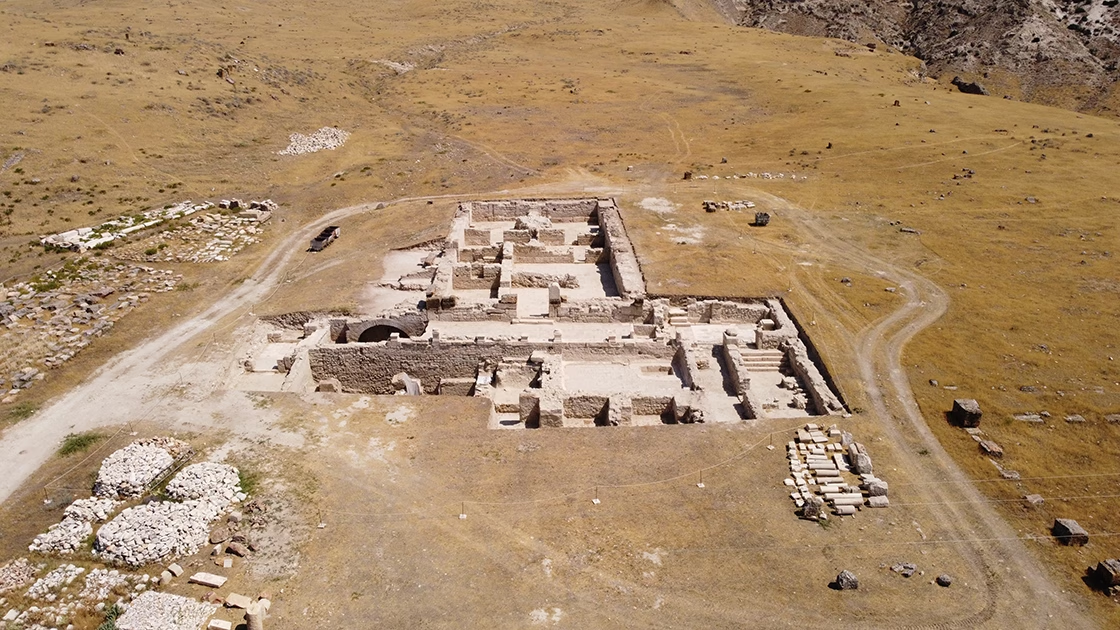
Roman-Era Villa With Live Fish Service Unearthed in Tripolis Ancient City
Archaeologists in Tripolis Ancient City, located in western Turkey’s Denizli province, have uncovered a lavish Roman villa believed to have belonged to the elite. The structure spans 1,500 square meters and includes four rooms, two spacious halls, a colonnaded gallery, and a specially designed fish pool at the entrance. Fish Were Raised in the Courtyard…
-
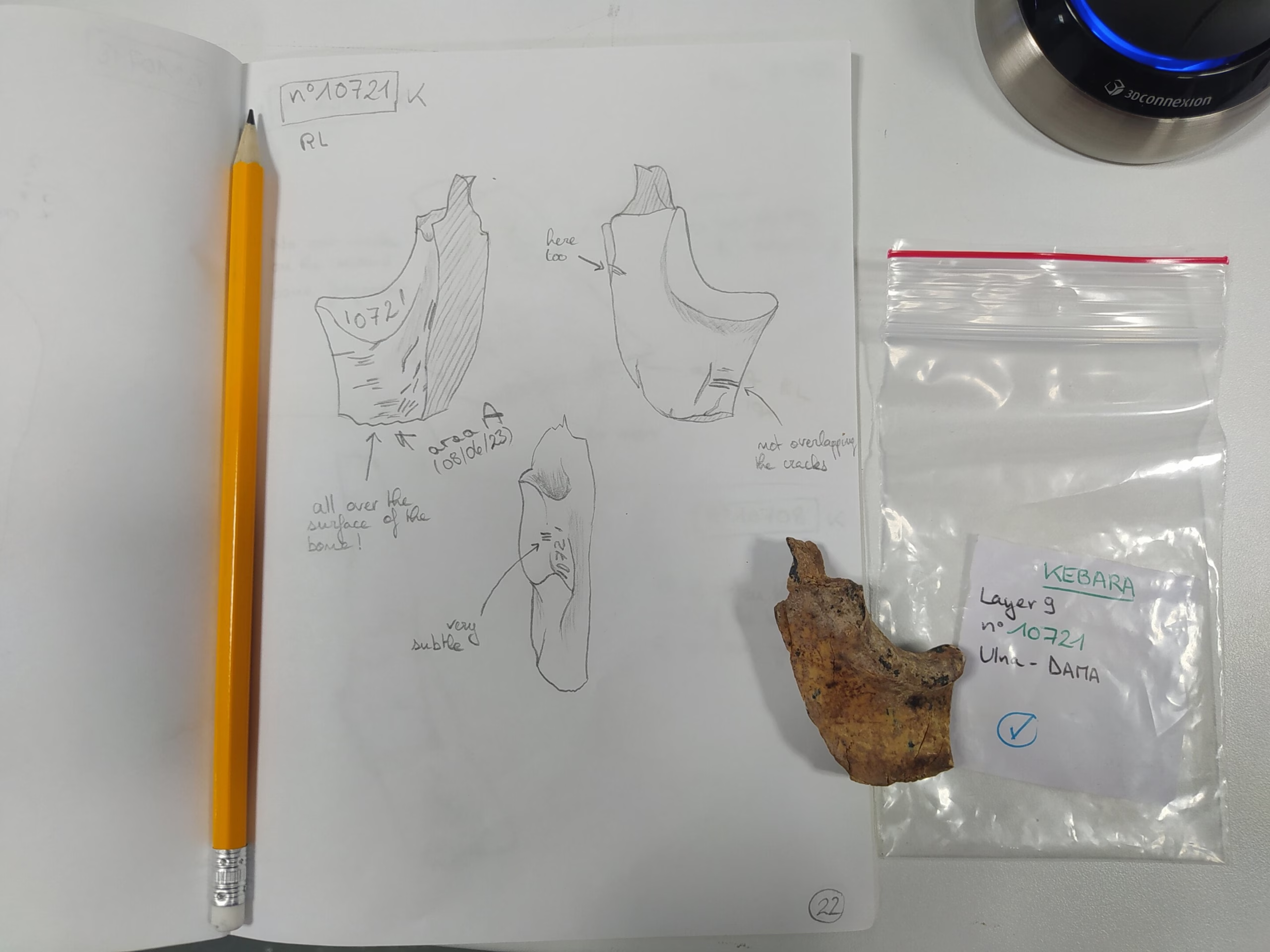
Neanderthals Had Local Food Traditions, Study Reveals Through Butchery Differences
Amud and Kebara Caves Show Neighboring Neanderthal Groups Processed the Same Prey in Distinct Ways A new archaeological study suggests that Neanderthals living just 70 kilometers apart in northern Israel had different methods of butchering their prey—possibly hinting at early forms of cultural food traditions. Researchers examining bones from the Amud and Kebara caves found…
-
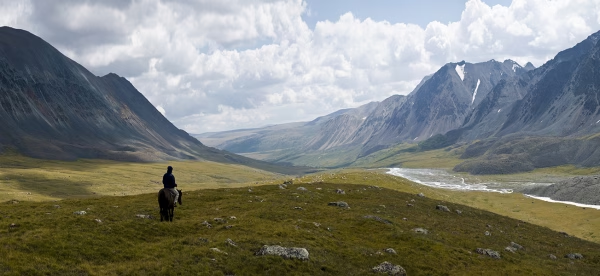
Ancient DNA Sheds Light on the Surprising Origins of Hungarian and Finnish Languages
A groundbreaking new study reveals that the roots of the Uralic language family—including Hungarian, Finnish, and Estonian—may lie far deeper in Siberia than previously believed. By analyzing ancient DNA, scientists have traced the linguistic and genetic ancestry of over 25 million modern speakers back to northeastern Siberia—thousands of kilometers from their current homelands. Uralic Languages:…
-
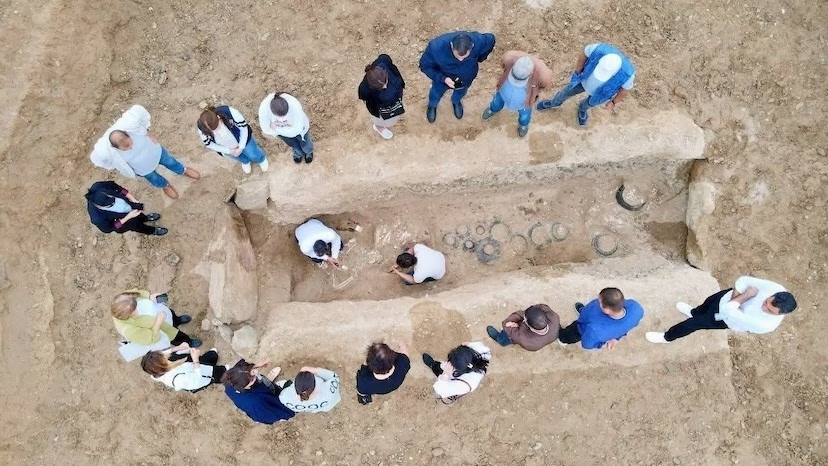
Bronze Age Warrior Buried with Rare Spear Unearthed in Azerbaijan
A monumental archaeological discovery has been made in the windswept steppes of western Azerbaijan’s Ceyranchol region: a 3,800-year-old burial mound (kurgan) containing the remains of a Bronze Age warrior buried with a rare four-pronged spearhead has been unearthed. The find was made during the fifth phase of the “Scientific-Archaeological Excavations and Summer School at Keshikchidagh”…
-
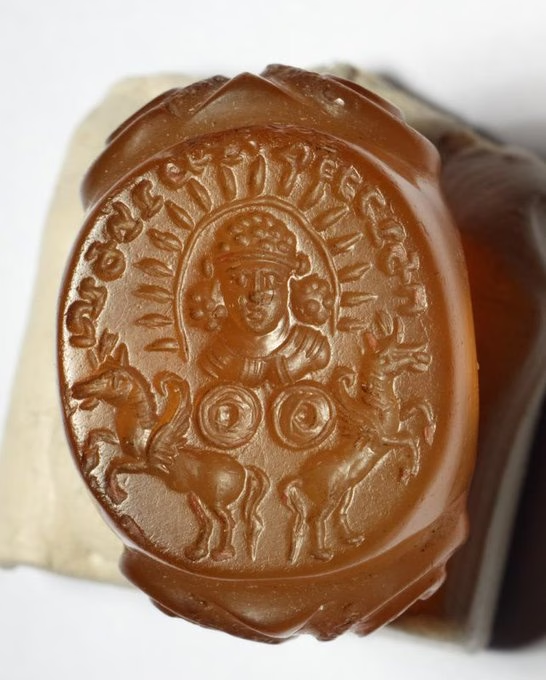
Mithras Seal: An Ancient Artifact Taken from Berlin to Moscow’s Pushkin Museum After World War II
The Mithras Seal, a rare Roman-era artifact once held in Berlin, was transferred to Russia’s Pushkin Museum after World War II. Discover the journey of this cultural treasure. What Is the Mithras Seal? The Mithras Seal is believed to be a small carved stone or relief associated with the ancient Roman cult of Mithras, a…
-
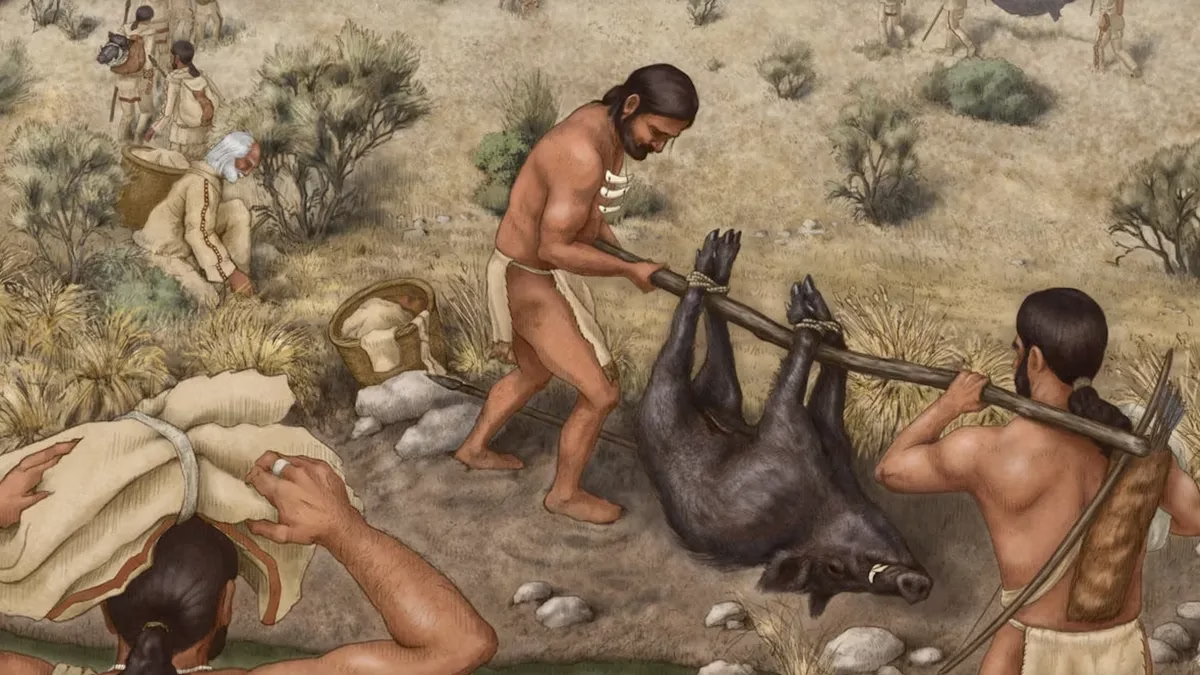
11,000-Year-Old Feast Reveals Wild Boars Were Transported 70 KM in Prehistoric Iran
A stunning discovery in the Zagros Mountains rewrites our understanding of prehistoric social life and long-distance gift exchange A groundbreaking archaeological discovery in western Iran’s Zagros Mountains has revealed that prehistoric communities held elaborate communal feasts over 11,000 years ago—and even transported wild boars over 70 kilometers across rugged terrain to attend them. Feasting Before…