-
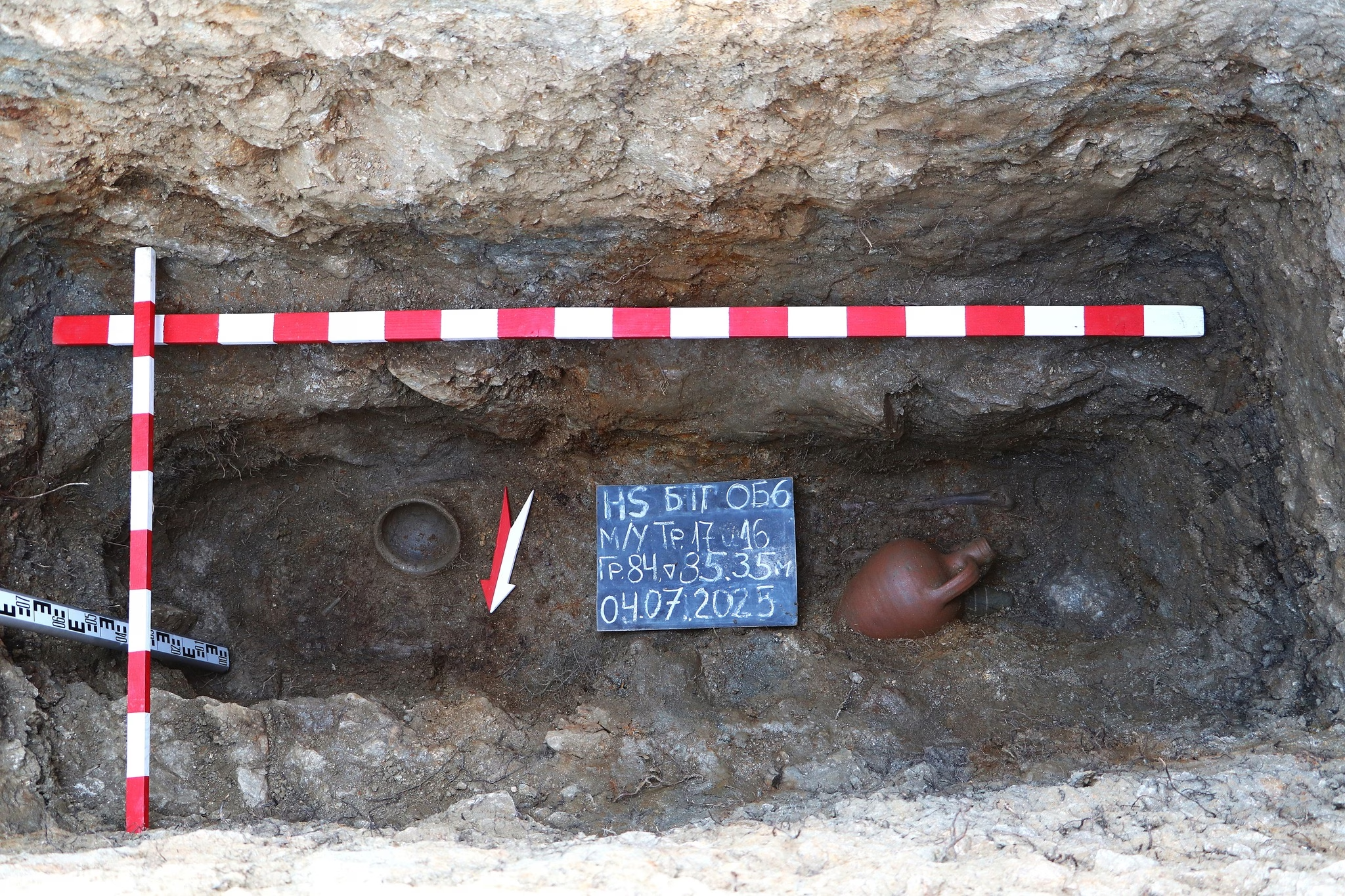
Archaeologists Discover 2,500-Year-Old Burial Goods and Inscription at Heracleia Syntica Necropolis
Near the village of Rupite in southwestern Bulgaria, archaeologists conducting rescue excavations at the Heracleia Syntica necropolis have uncovered burial goods and the first-ever funerary inscription dating back 2,500 years. These remarkable finds shed new light on the ancient city’s cultural richness and burial traditions. Double Tomb with Golden Hoops and Bronze Treasures from the…
-
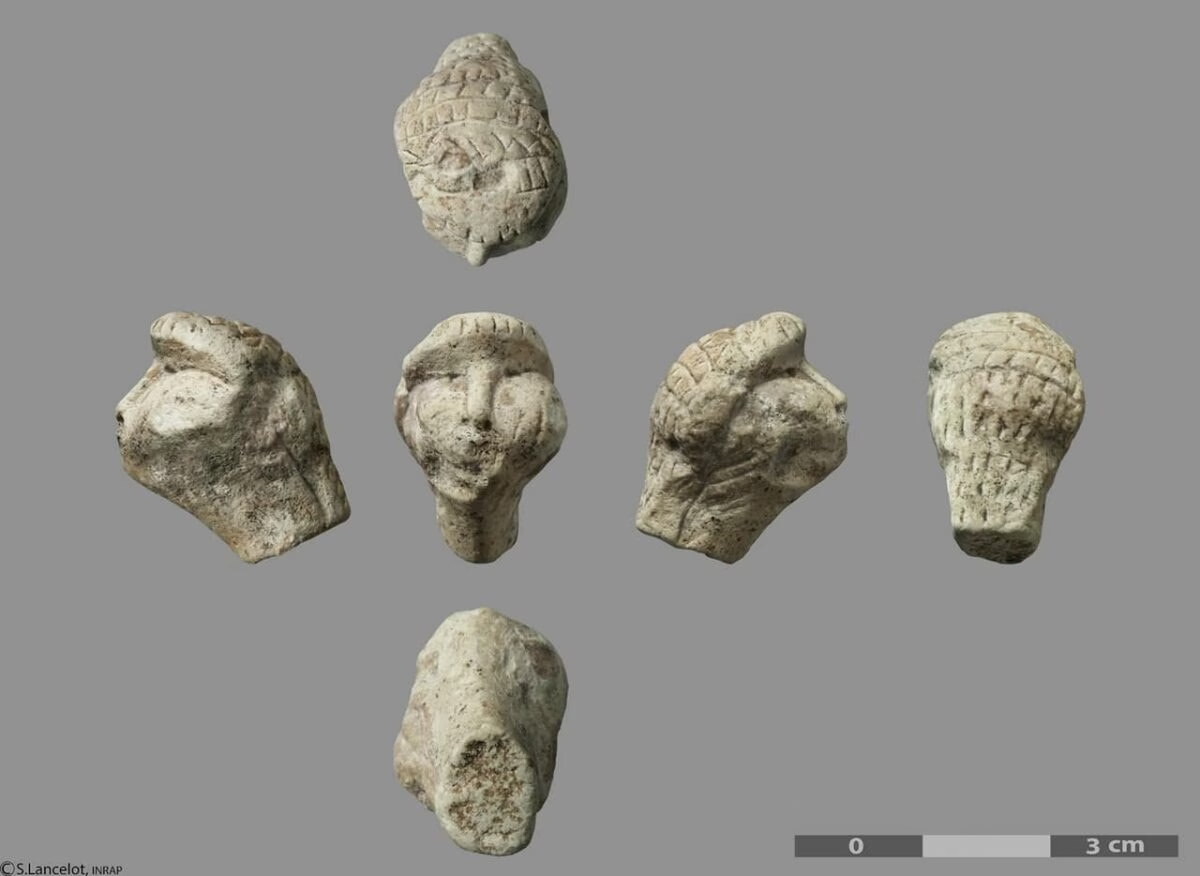
27,000-Year-Old Figurine with Expressive Face Redefines Prehistoric Art
A groundbreaking discovery in northern France has shed new light on prehistoric art and human creativity. During 2021 excavations at the Amiens-Renancourt site, archaeologists uncovered a 27,000-year-old figurine head with an incredibly detailed face and a complex headdress — a rarity for its time. This tiny sculpture, measuring just 2.1 cm, is being hailed as…
-
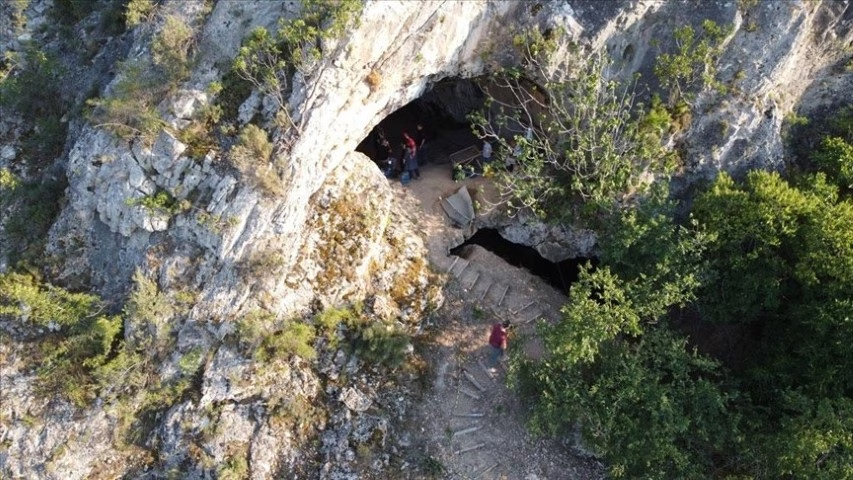
Ancient Marble “Star Watcher” Figurine Found in Gedikkaya Cave May Rewrite Human History
A groundbreaking discovery in Gedikkaya Cave, located in Turkey’s Bilecik province, has shaken the foundations of archaeological understanding. A marble figurine—older than the famed Göbekli Tepe—has been unearthed, potentially rewriting what we know about prehistoric cultures in Anatolia. 16,500-Year-Old Traces of Life in the Heart of Anatolia Between 2019 and 2023, excavations were carried out…
-
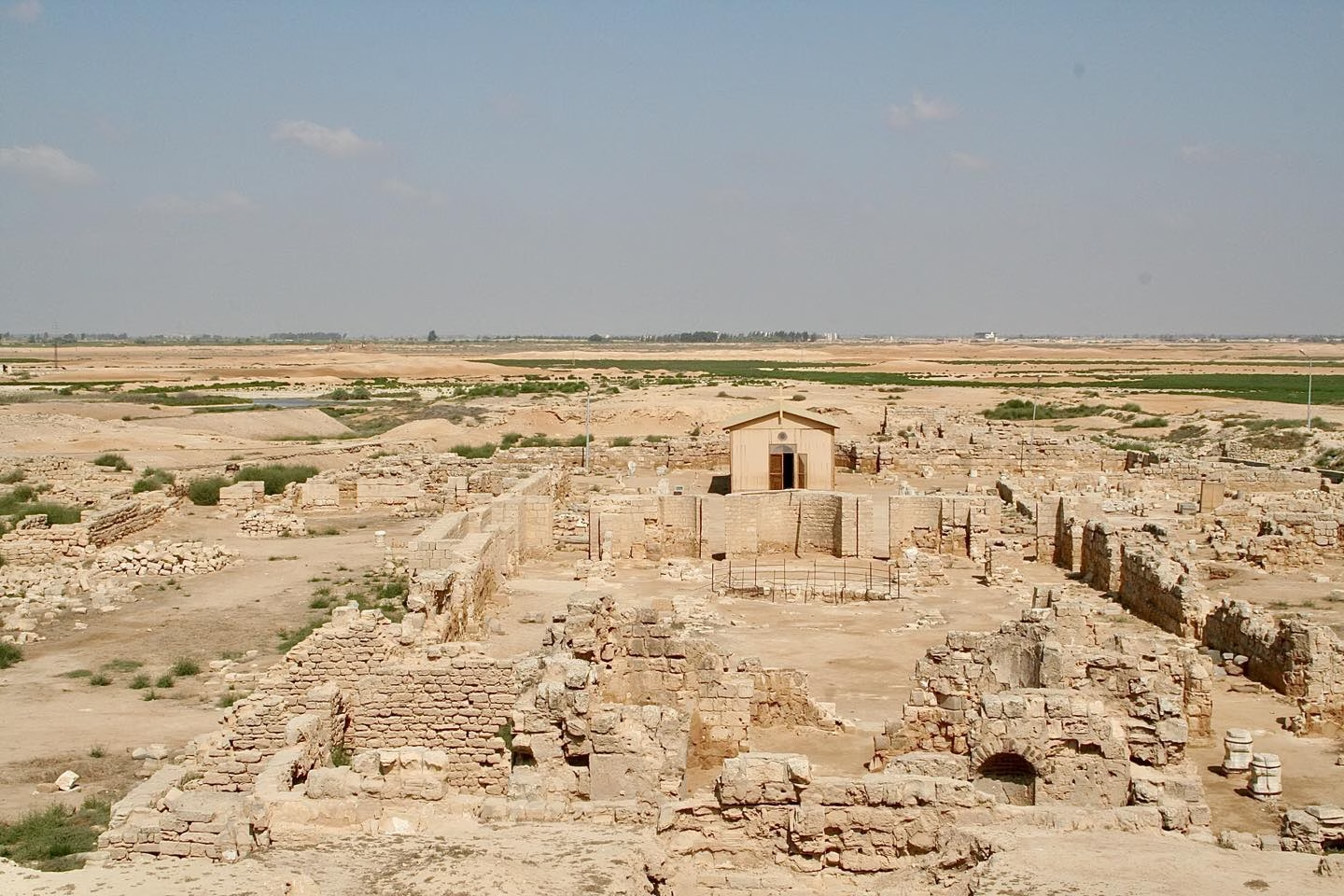
Abu Mena Triumph: Egypt’s Ancient Christian Site Removed from UNESCO’s Danger List After 24 Years
UNESCO makes landmark decision: Egypt’s iconic Abu Mena archaeological site, once a major Christian pilgrimage center, is no longer under threat thanks to years of dedicated restoration work. In a major win for cultural preservation, UNESCO has officially removed the Abu Mena archaeological site near Alexandria from its List of World Heritage in Danger after…
-
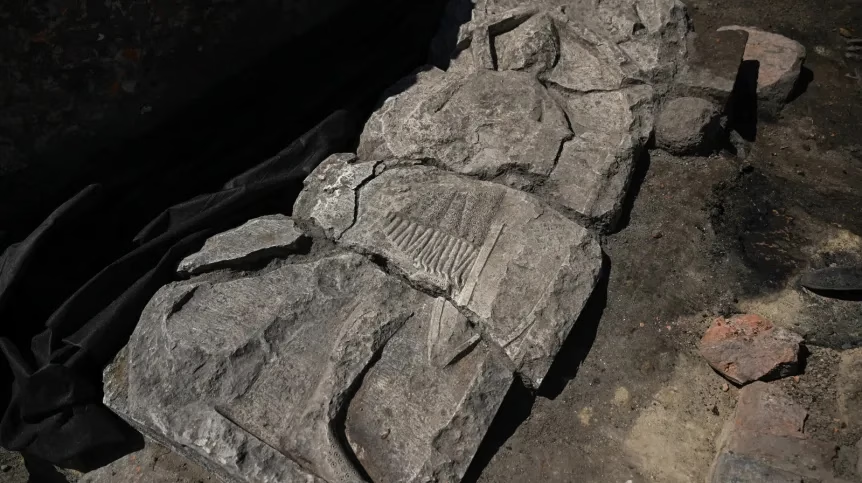
Archaeologists Unearth 13th-Century Knight’s Tombstone in the Heart of Gdańsk, Poland
Gdańsk, Poland – During ongoing archaeological excavations in the historic center of Gdańsk, researchers have uncovered a remarkable find: a tombstone featuring the image of a knight, believed to date back to the 13th century. The stone relief depicts the knight in full chainmail armor, holding a sword and shield — offering a rare glimpse…
-
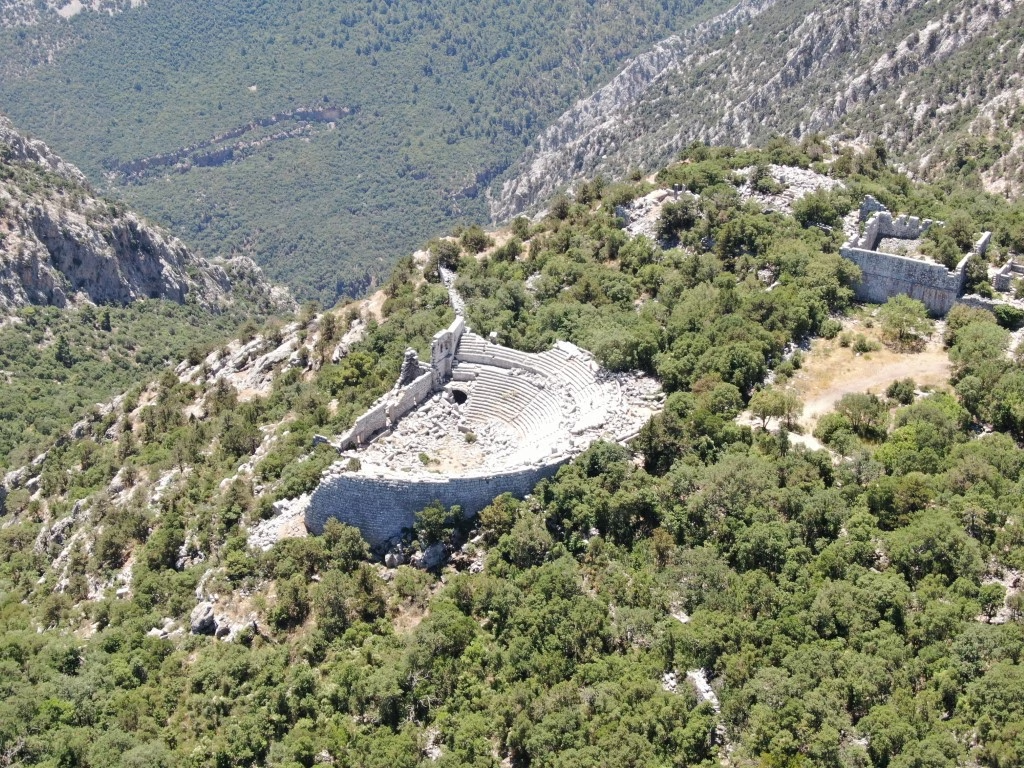
Archaeological Excavations Begin for the First Time in the Ancient City of Termessos
Hidden high in the rugged peaks of the Taurus Mountains, within Turkey’s Güllük Dağı National Park, the ancient city of Termessos is witnessing its first-ever archaeological excavation. Known for its untouched ruins and strategic location, Termessos is now the focus of a large-scale excavation project led by Antalya Bilim University and supported by Turkey’s Ministry…
-
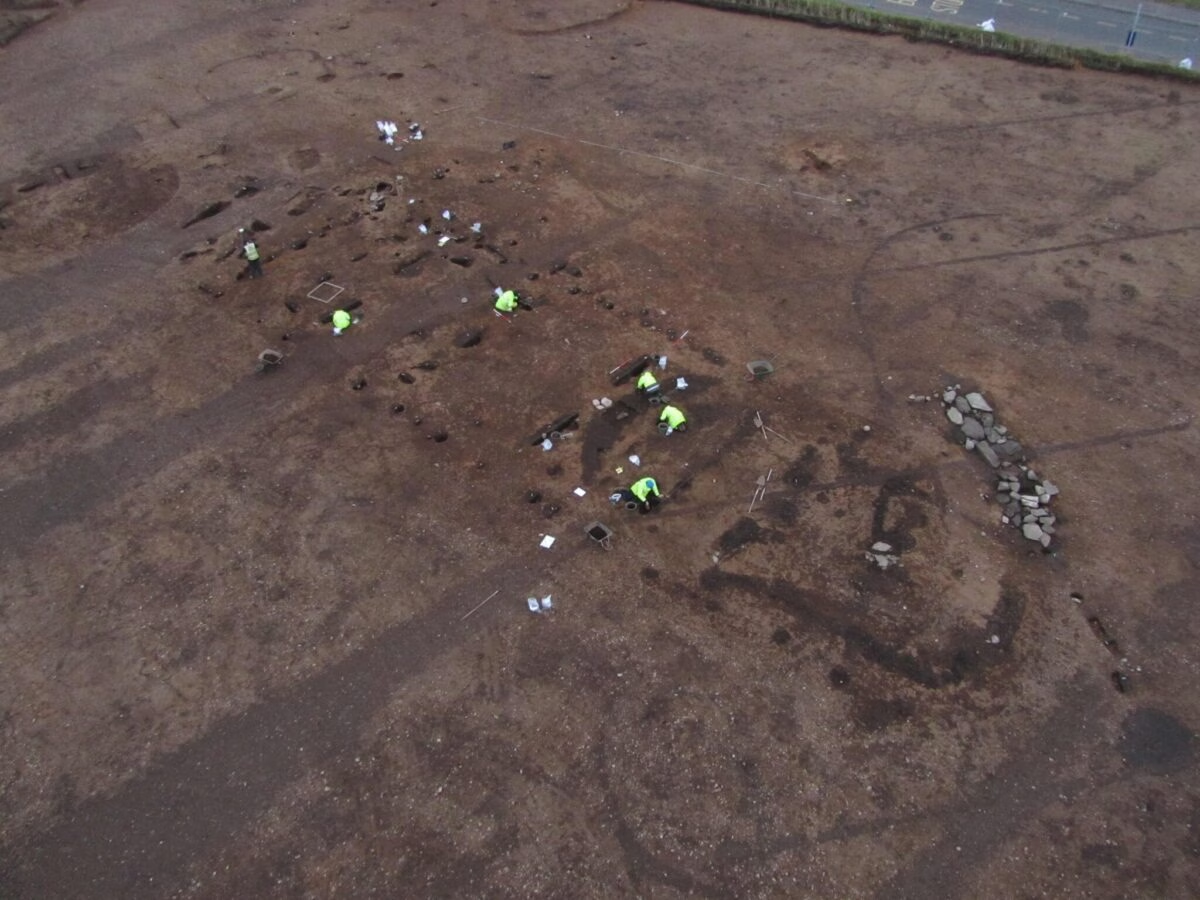
A Massive Neolithic Wooden Hall Built 1,000 Years Before Stonehenge Unearthed in Scotland
Accidental discovery in Angus reveals one of Scotland’s most significant archaeological finds A routine development project in the Angus region of Scotland has led to a remarkable archaeological discovery—one that could reshape our understanding of Neolithic life in Britain. While preparing to build football pitches in the town of Carnoustie, mandatory archaeological investigations revealed traces…
-
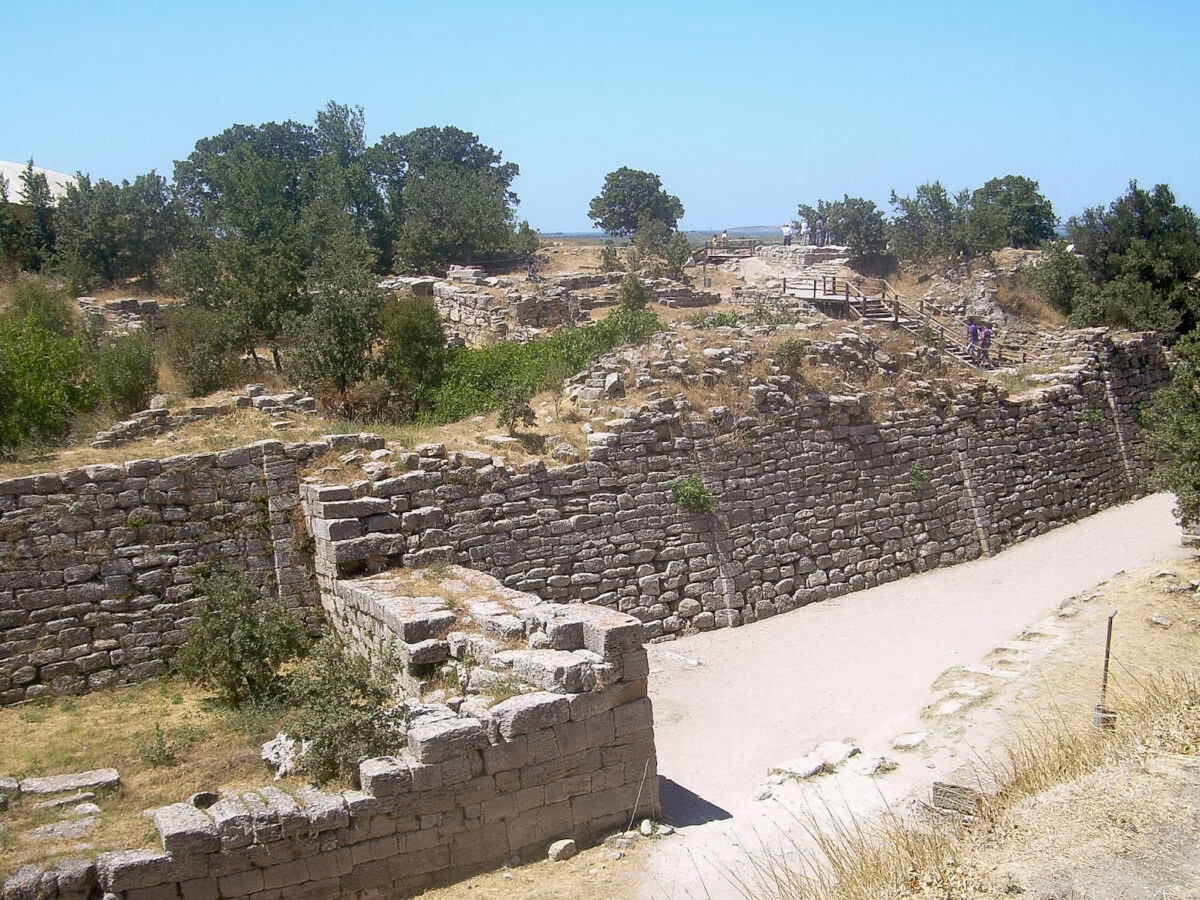
Echoes Beneath Troy: Could the Fabled War Be History in Disguise?
Archaeological digs in Türkiye are reigniting a centuries-old question: Is there historical truth buried beneath the myth of the Trojan War? The story of Troy has long danced between imagination and archaeology. Immortalized in Homer’s Iliad, the siege of the city—sparked by Helen’s abduction and concluded with the cunning of a wooden horse—has lived as…
-
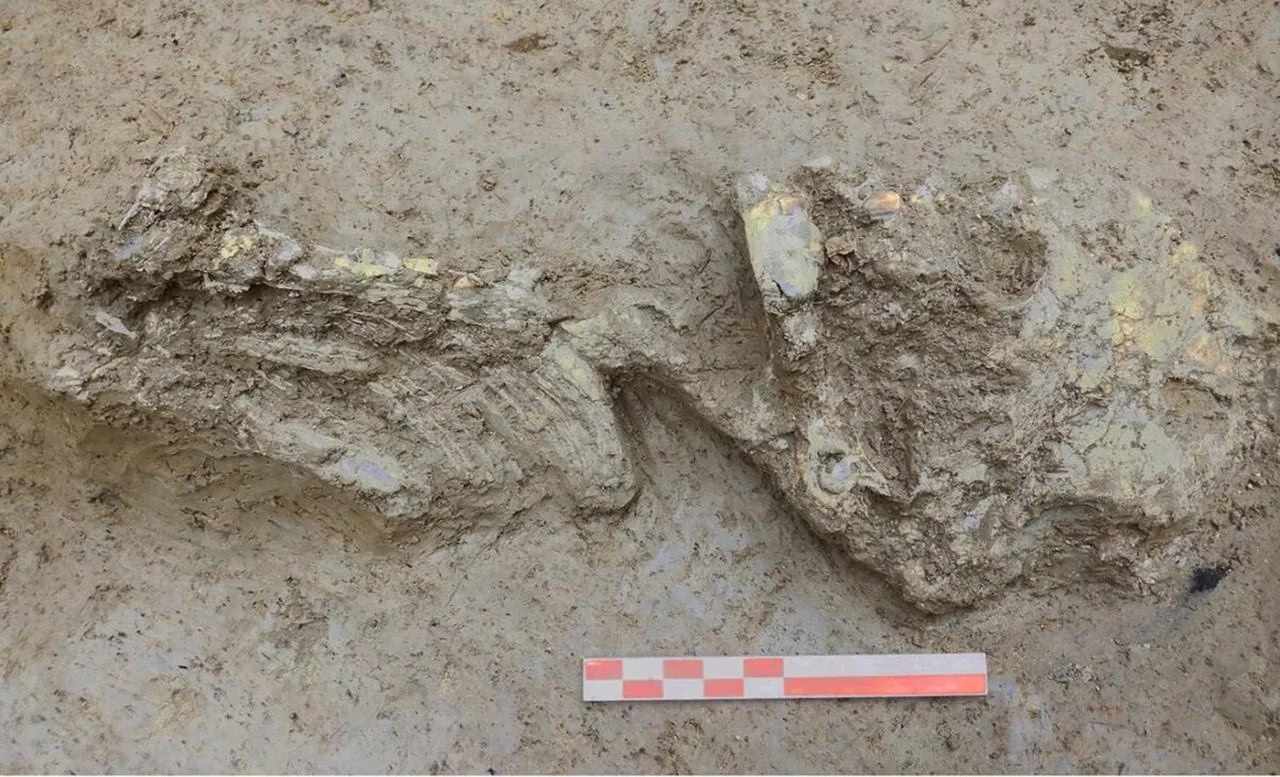
5,000-Year-Old Infant Remains Found in Italy Reveal Rare Genetic Lineage
Archaeologists in northern Italy have uncovered the fragile remains of a Copper Age infant in a well near Faenza — a discovery that sheds light on ancient European genetics and prehistoric migrations. During a routine excavation ahead of a construction project near the city of Faenza, researchers stumbled upon what initially appeared to be just…