-
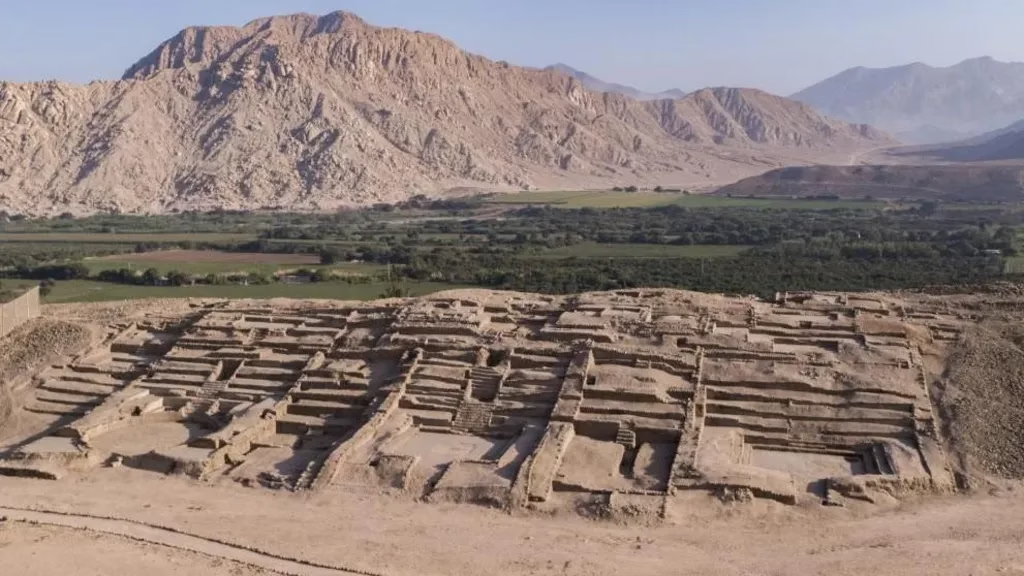
Ancient 3,500-Year-Old City Discovered in Peru: Peñico Reveals Lost Chapter of Andean Civilization
Archaeologists in Peru have uncovered a 3,500-year-old ancient city, shedding light on one of the oldest civilizations in the Americas. The site, named Peñico, is located in the Barranca province, about 200 kilometers north of Lima and 600 meters above sea level. A Strategic Trade Hub in Ancient Peru Experts believe Peñico played a key…
-

The World’s Oldest Architectural Model Now on Display at Diyarbakır Museum
A discovery that sheds light on human history: a 12,000-year-old house model unearthed in Çayönü Hill is now exhibited at the Diyarbakır Museum. Located in Turkey’s southeastern Ergani district of Diyarbakır, the Çayönü archaeological site is one of the earliest known settlements from the Neolithic Period. In recent excavations, archaeologists uncovered what is considered to…
-
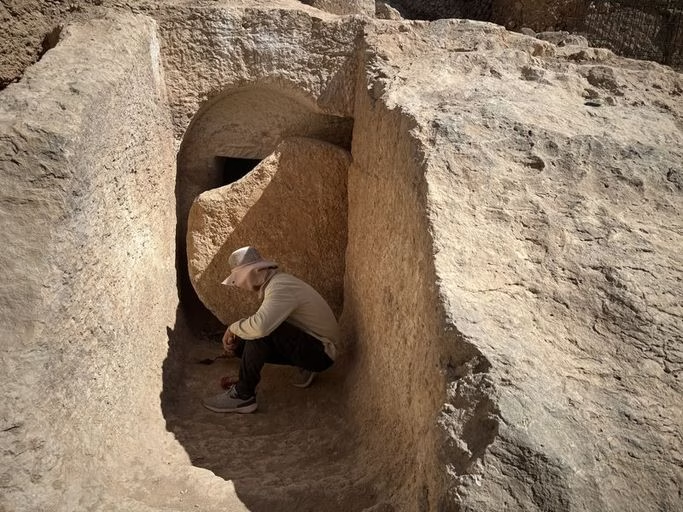
Historic Discovery at Urfa Castle in Southeastern Anatolia: Rock-Cut Tomb May Belong to the Kingdom of Osroene
A significant archaeological discovery has been made at Urfa Castle, one of the iconic landmarks of Şanlıurfa in southeastern Turkey. Excavations on Dambak Hill, located just south of the sacred Balıklıgöl (Pool of Sacred Fish), have unearthed a rock-cut tomb believed to date back to the Late Antiquity period. Experts suggest that the tomb may…
-
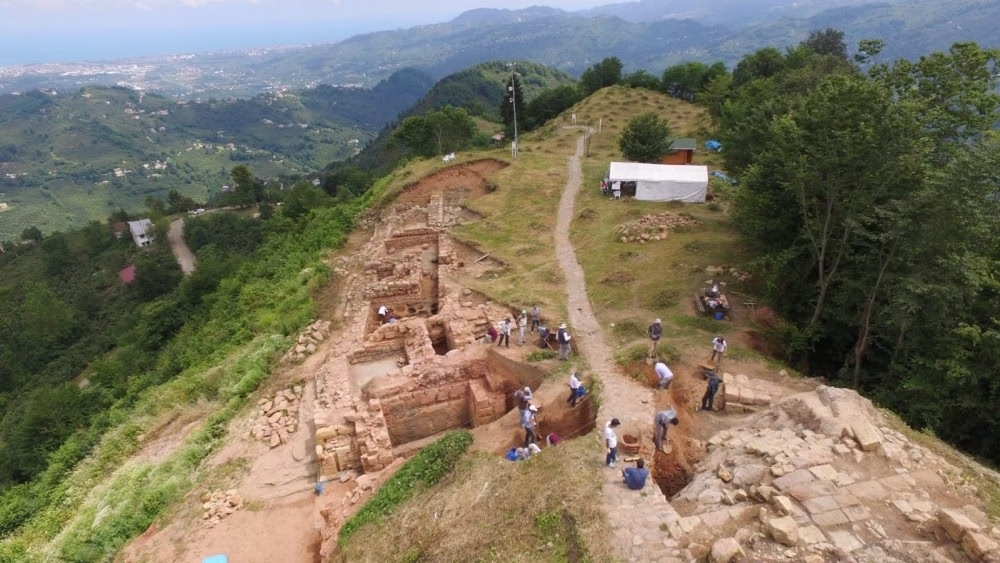
Excavations Resume at Kurul Fortress, Home to the 2,100-Year-Old Mother Goddess Cybele Statue
Kurul Fortress, perched atop the historic heights of Ordu, has earned its place in archaeological literature as the site where the remarkable 2,100-year-old Mother Goddess Cybele statue was uncovered. Now, the ongoing excavations are preparing to enter their 16th season. Recognized as one of the earliest archaeological fortress excavations in the Black Sea region, Kurul…
-
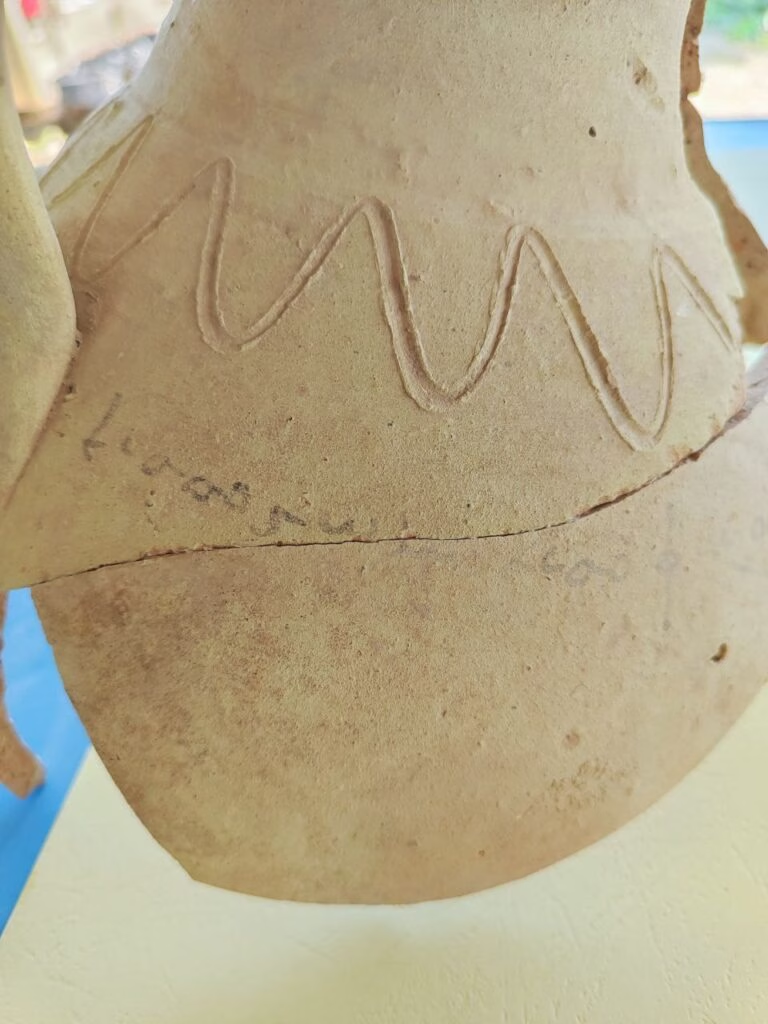
A 2,000-Year-Old Signature: Ancient Jug Bearing Woman’s Name Found in Tajikistan
Archaeologists in southern Tajikistan have made a remarkable discovery—a clay water jug dating back 2,000 years with a personal inscription naming its female owner, Sagkina. This everyday object offers an extraordinary glimpse into the lives of women during the Kushan Empire. The two-handled vessel was unearthed at the Khalkhajar archaeological site near the village of…
-
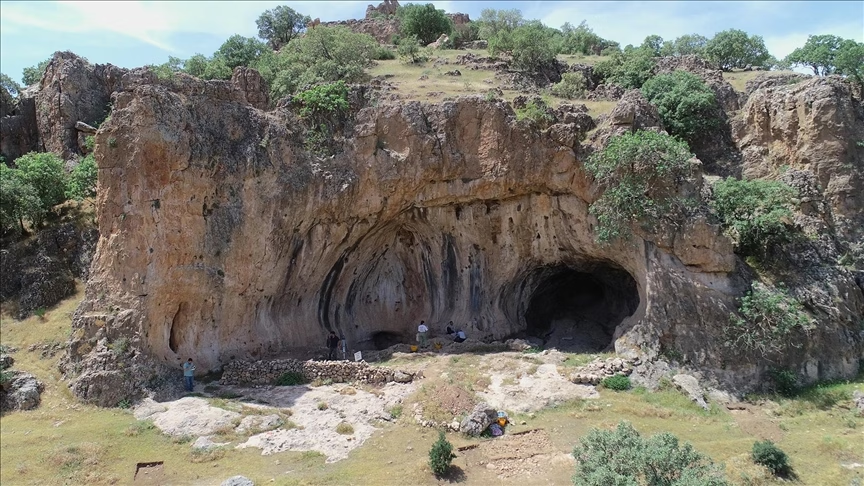
Traces of Early Human Life Uncovered in Cave Researching Humanity’s First Footprints
New Paleolithic-era findings have been unearthed in the Uluköy Cave, located in southeastern Turkey, where archaeologists are exploring some of the earliest signs of human life. Artifacts such as obsidian tools and animal remains offer fresh insights into human evolution and migration in the Near East. Uluköy Cave: The First and Only Cave Excavation in…
-

First Ancient Egyptian Genome Sequenced: A 4,500-Year-Old Genetic Breakthrough
Scientists have sequenced the first complete genome from ancient Egypt, unlocking a genetic time capsule from the age of the pyramids. A groundbreaking study by researchers from the Francis Crick Institute and Liverpool John Moores University has successfully extracted and decoded DNA from a man who lived between 4,500 and 4,800 years ago—during the formative…
-
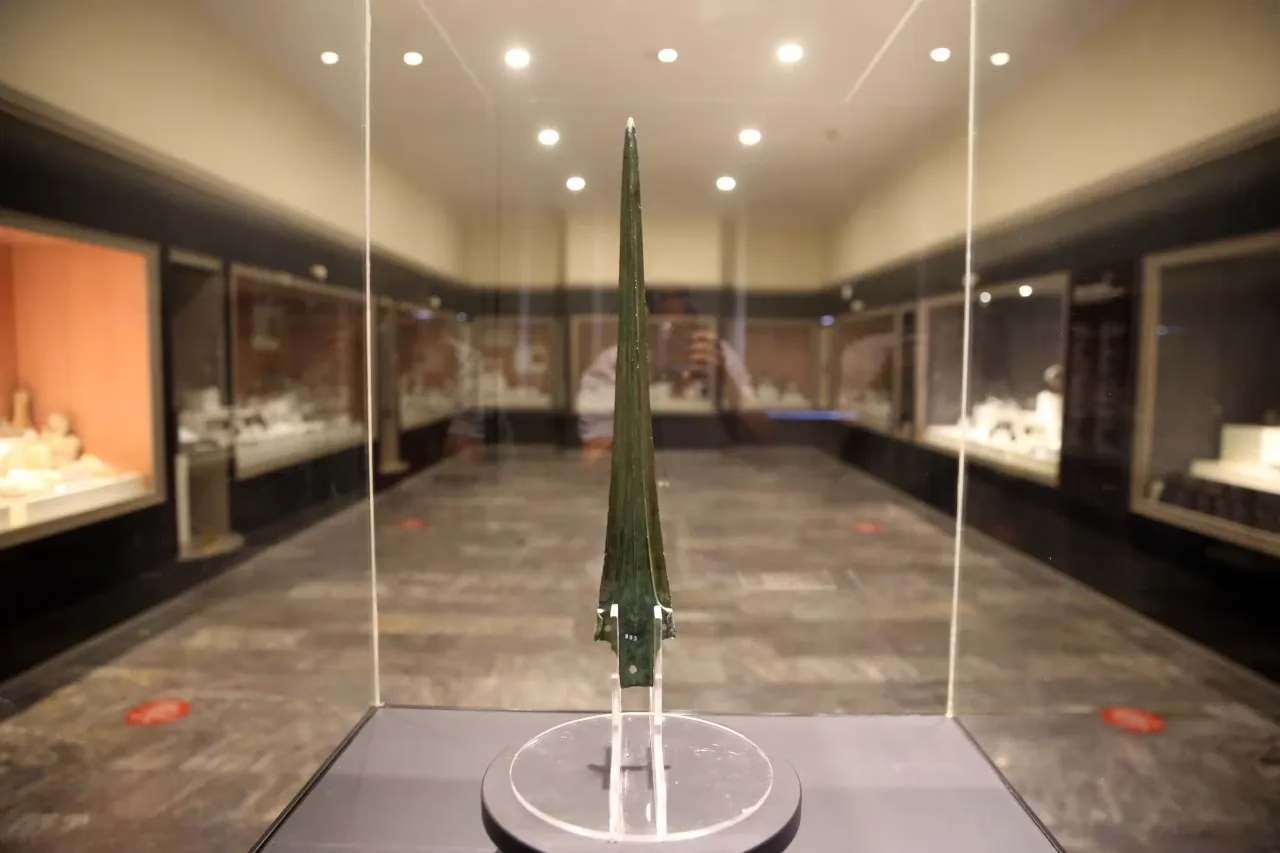
Rare 3,500-Year-Old Hittite Sword Now on Display at Kastamonu Museum in Turkey
A rare bronze sword dating back 3,500 years to the Hittite civilization is now on public display at Kastamonu Museum in northern Turkey. The artifact is part of a newly opened bronze exhibition titled “102 Exhibitions for the 102nd Anniversary: A Journey Through Anatolia’s Cultural Heritage in the Light of the Republic.” Measuring 42 centimeters…
-

Exploring Bulgaria’s Ancient Roots: The Link Between Shamans, Deities, and Central Asian Heritage
Long before the modern map divided nations, ancient spiritual practices led by shamans thrived across the vast Eurasian steppes. These traditions, deeply connected with unseen spiritual realms, have left lasting impressions in rituals, symbols, and monumental stones. A recent Bulgarian expedition to Mongolia has uncovered fascinating evidence tying the pagan origins of the Bulgars to…