
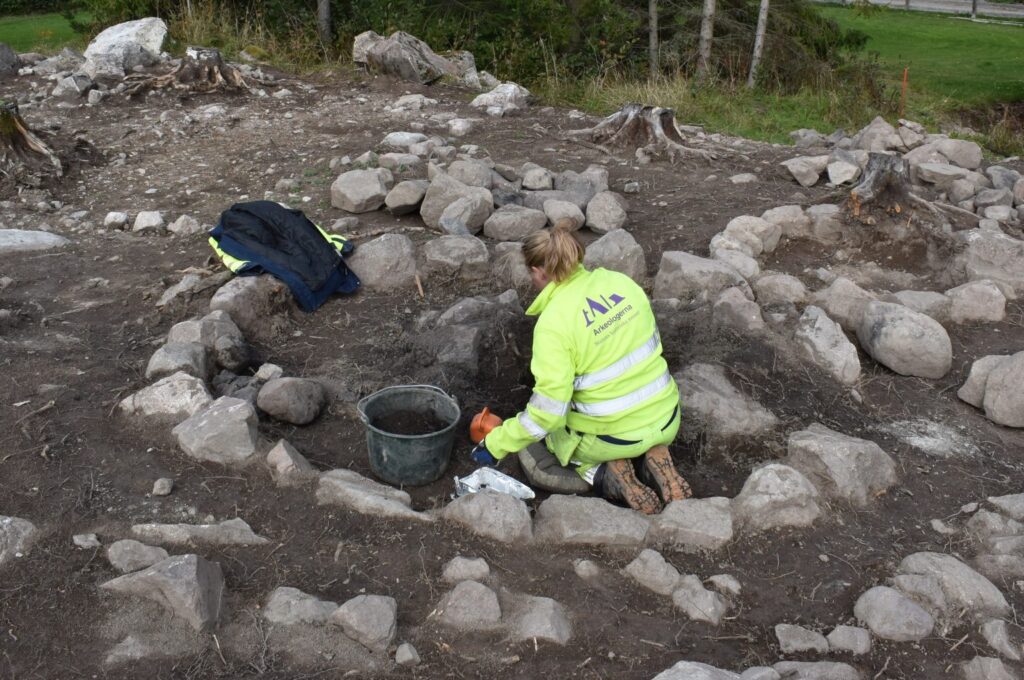
In central Sweden, archaeologists have uncovered an extraordinary Viking Age burial site where horses were cremated alongside their owners, accompanied by more than 500 pieces of equestrian equipment. The discovery, made at Sylta near Köping in Västmanland, is now being recognized as one of the most distinctive horse-related assemblages ever found in Scandinavia.
What initially appeared to be a typical burial ground connected to a rural Viking farmstead quickly proved otherwise. As excavation progressed, a pattern emerged—grave after grave containing not only human remains, but also the physical traces of horses and the equipment that once adorned them.
A Repeated Ritual, Not an Isolated Practice
The scale of the find is what makes it exceptional.
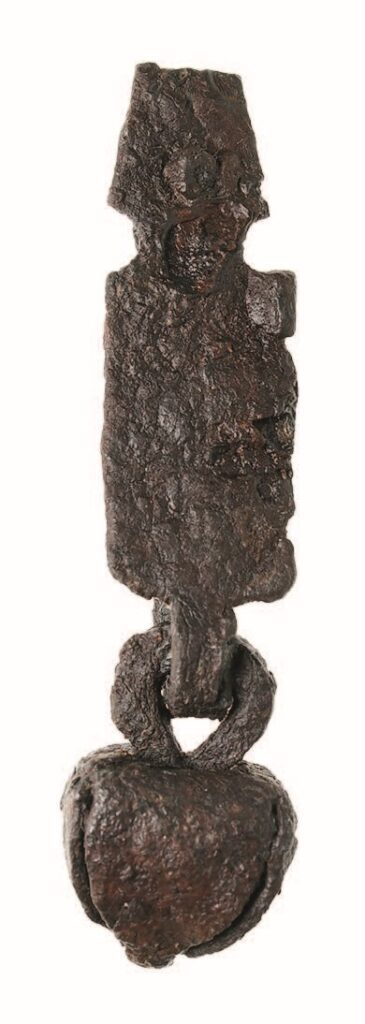
Across multiple cremation graves, archaeologists documented an unusually dense concentration of iron objects linked to horse gear. Bits, spurs, decorative mounts, and harness fittings were recovered in large numbers, many preserved in remarkable condition despite more than a thousand years underground.
But the real story lies in how these objects were deposited.
Evidence indicates that horses were not symbolically represented—they were actively included in the funerary process, burned alongside the deceased. In several cases, elements of the harness appear to have remained attached during cremation, suggesting a carefully staged ritual rather than a simple disposal of goods.
This repeated pattern points to a shared cultural practice, deeply embedded within the community.
The Emergence of a “Horse Costume” Tradition
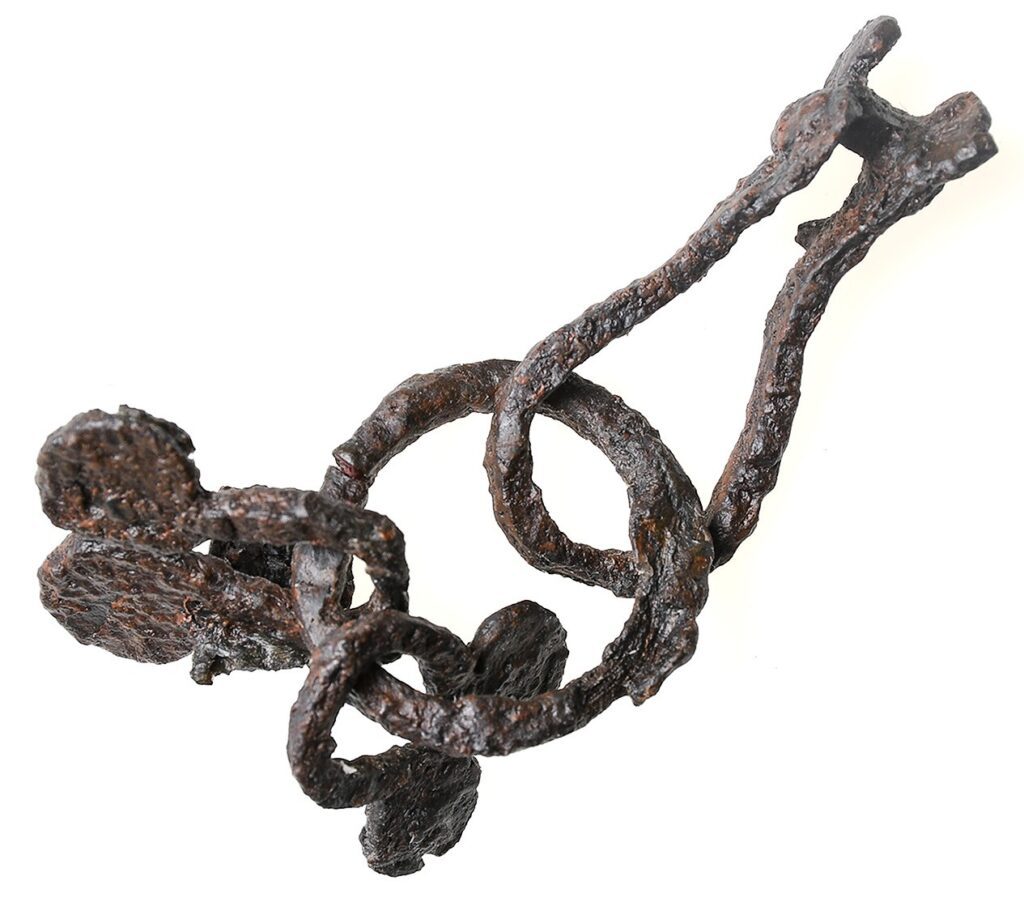
Among the most intriguing interpretations is the idea that the equipment formed a coordinated visual system—a kind of localized “horse costume.”
The artefacts are not random. Their stylistic consistency, decorative detailing, and structural coherence suggest that they were designed to function together as a unified set. This goes beyond utility. It reflects identity.
Such a concept is rarely documented in Viking Age contexts. Comparable assemblages are scarce, making Sylta a crucial case for understanding how regional communities expressed status and belonging through material culture.
Rather than isolated prestige items, the equipment appears to have been part of a recognizable visual language, possibly signaling rank, affiliation, or even ceremonial roles within the community.
Craftsmanship That Signals Status
The technical quality of the finds reinforces this interpretation.
The ironwork reveals a high level of metallurgical skill. Subtle ornamentation, refined construction, and consistent production techniques point to experienced blacksmiths working within a defined tradition.
These were not purely functional objects. They were statements of status.
In Viking society, horses were closely tied to mobility, warfare, and elite identity. The presence of elaborate equipment in burial contexts suggests that these animals—and the gear associated with them—played a role in how individuals were remembered and represented in death.
Horses Between Worlds
The symbolic dimension cannot be ignored.
In Norse cosmology, animals often occupy liminal roles, bridging different realms. Horses, in particular, are frequently associated with movement between worlds—whether in mythological journeys or ritual practice.
The Sylta burials seem to reflect this worldview. By including horses in cremation rites, the living may have been ensuring that the deceased did not travel alone. Instead, they were accompanied—equipped for a journey that extended beyond the physical world.
A Community Defined by Equestrian Identity
The broader context of the site suggests that this was not the expression of a single elite individual, but rather a community-wide pattern.
The repetition of horse-related burials across the cemetery indicates that equestrian symbolism was widely shared. This raises important questions about social organization: was this a group defined by mobility, warfare, or a particular cultural identity tied to horses?
Whatever the answer, Sylta provides rare, tangible evidence that in this Viking community, horses were not peripheral—they were central to how life, status, and death were understood.
From Excavation to Public Display
The discoveries are now being presented as part of a museum exhibition in Sweden focusing on recent archaeological research. Within that context, the Sylta material stands out for both its scale and its narrative clarity.
It does more than add new objects to the record. It reshapes how we understand the relationship between humans and animals in the Viking Age—revealing a world where that connection extended all the way into death.