-
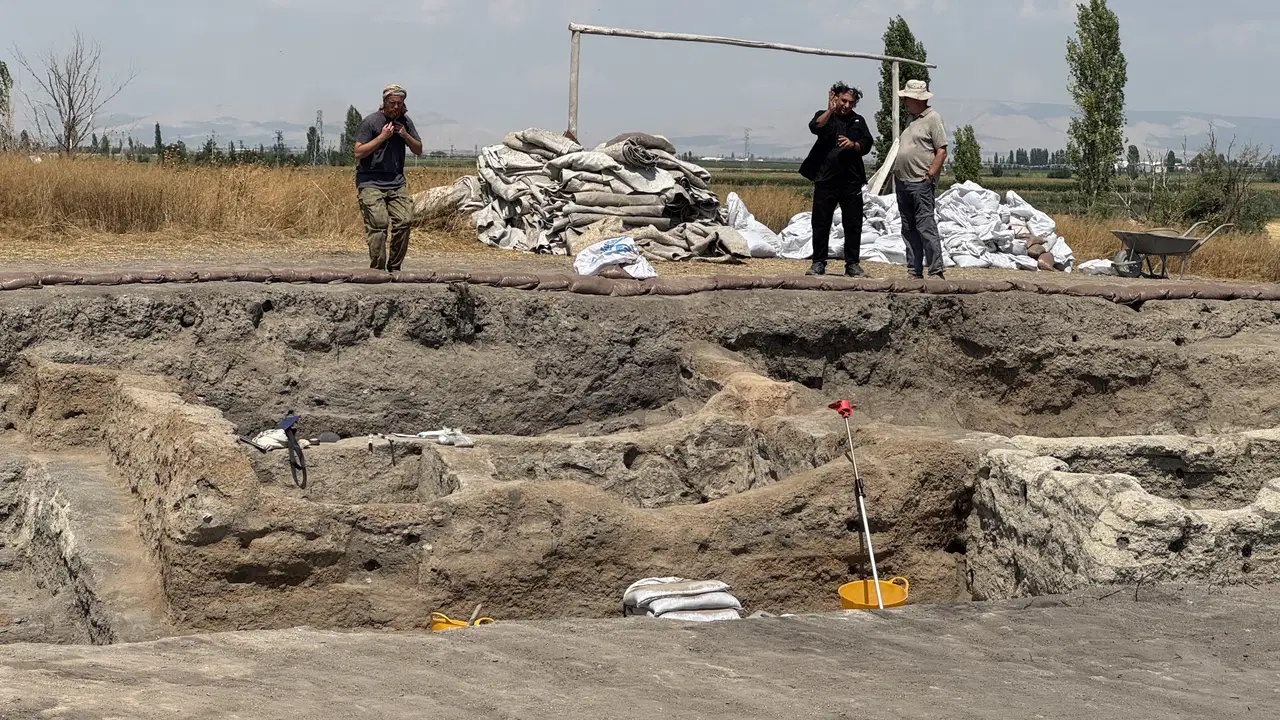
Eight Infant Skeletons Found Beside Çatalhöyük’s “House of the Dead” Raise a Neolithic Mystery
Eight infant skeletons found beside Çatalhöyük’s “House of the Dead” are raising new questions about how the Neolithic community treated its youngest dead. Preliminary examination indicates that none of the babies was older than about six months. Infant graves are not uncommon at Çatalhöyük, where generations buried their dead beneath floors and platforms. The new…
-
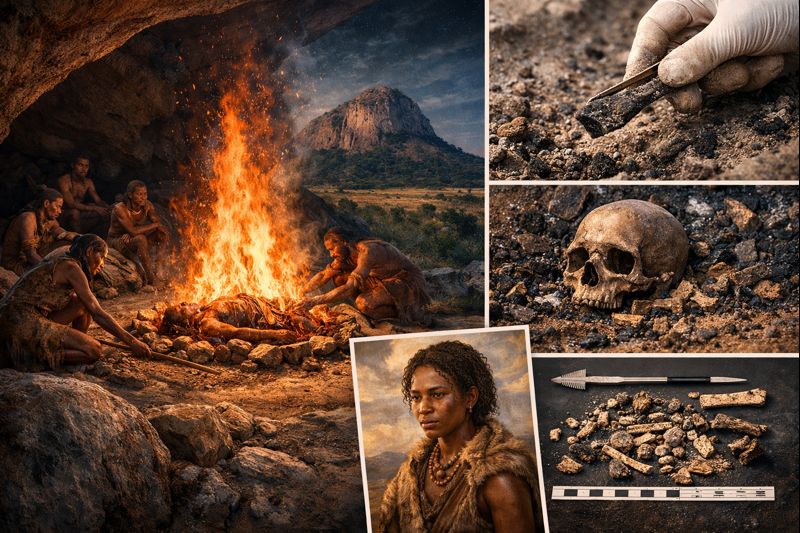
Africa’s Oldest Cremation Forces a Rethink of Early Hunter-Gatherer Rituals
Archaeologists working in northern Malawi have identified what is now considered Africa’s oldest known intentional human cremation, dating to around 9,500 years ago. The discovery, reported in Science Advances, challenges long-held assumptions about the social organization, ritual life, and labor capacity of early hunter-gatherer communities. The cremation was uncovered at Hora 1, a rockshelter located…
-
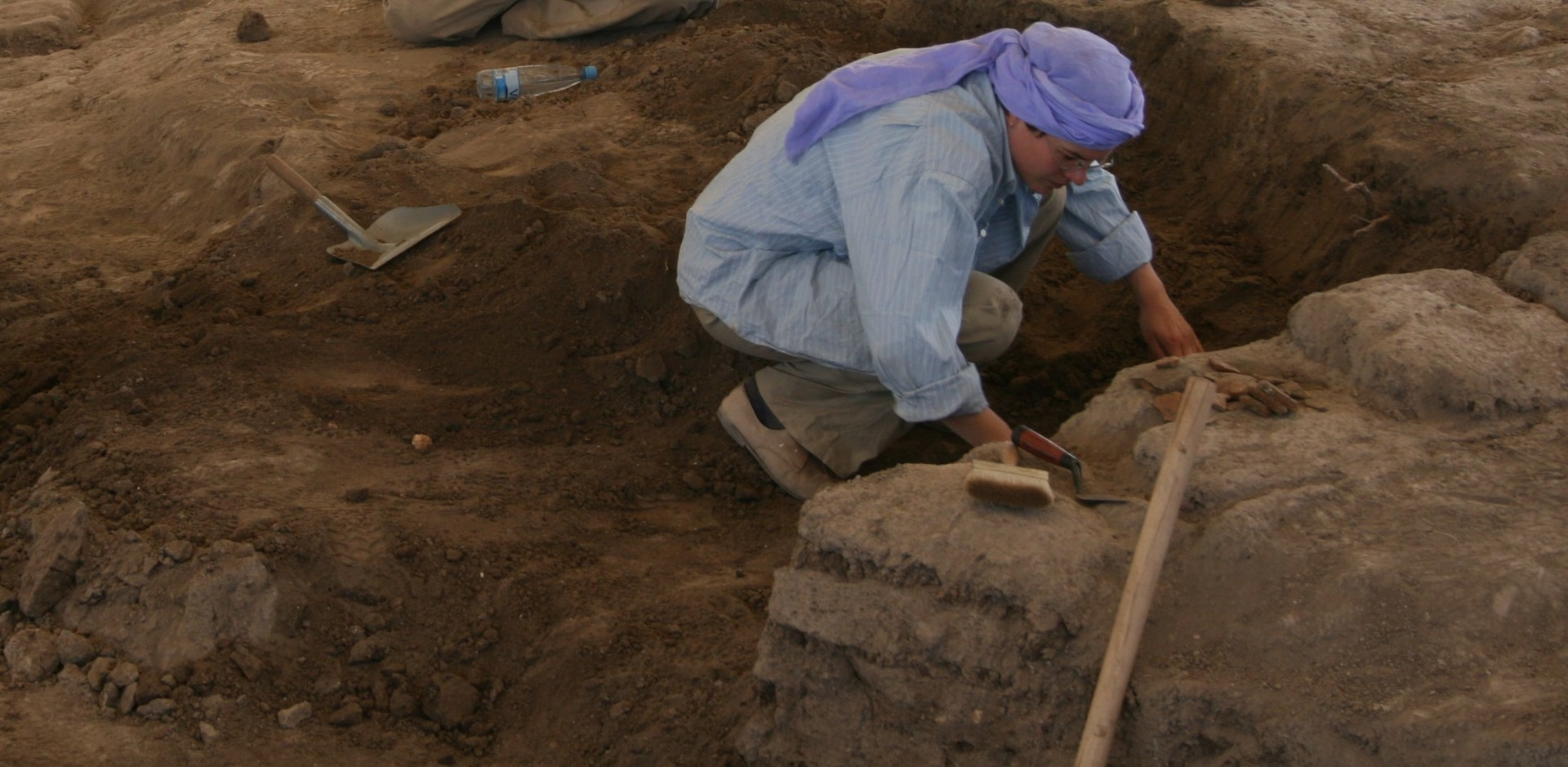
What Was the Role of Women 9,000 Years Ago? New Findings from Çatalhöyük Offer Answers
In the heart of central Turkey, the ancient settlement of Çatalhöyük—one of the world’s earliest known urban centers—is once again rewriting what we know about early human society. A recent international study has uncovered groundbreaking genetic evidence suggesting that women played a central role in shaping Neolithic households nearly 9,000 years ago. The research, conducted…
-

Exceptionally Preserved Bronze Age Urns Discovered in Germany
A routine infrastructure project in Lower Saxony has led to a major archaeological breakthrough: nearly 3,000-year-old Bronze Age cremation urns have been unearthed in remarkably preserved condition. Experts are calling the discovery one of the most significant in recent years. During preliminary excavations for a new drainage ditch along County Road K17 between the towns…