-
Iron Age Britons Used Slag-Tapping Furnaces Before the Roman Conquest
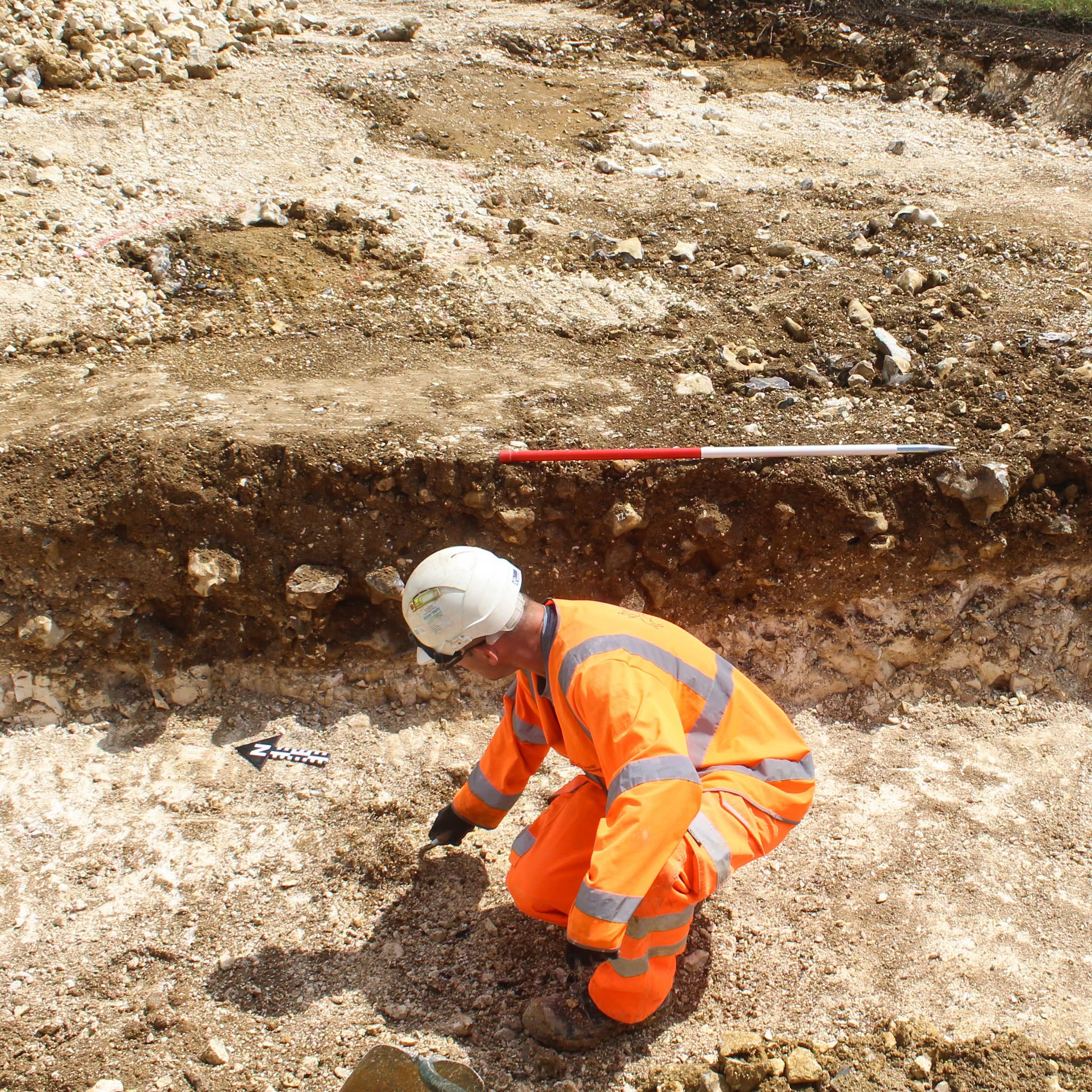
Radiocarbon dates from an iron-production site in Kent suggest that British metalworkers were draining molten slag from their furnaces before the Roman conquest of AD 43. The evidence comes from excavations at Junction 5 of the M2 motorway, where archaeologists uncovered furnaces and waste left behind by iron smelting. Some of the slag shows that…
-
3,000-Year-Old Copper-Smelting Complex in Georgia Is the Largest Found in Ancient Colchis
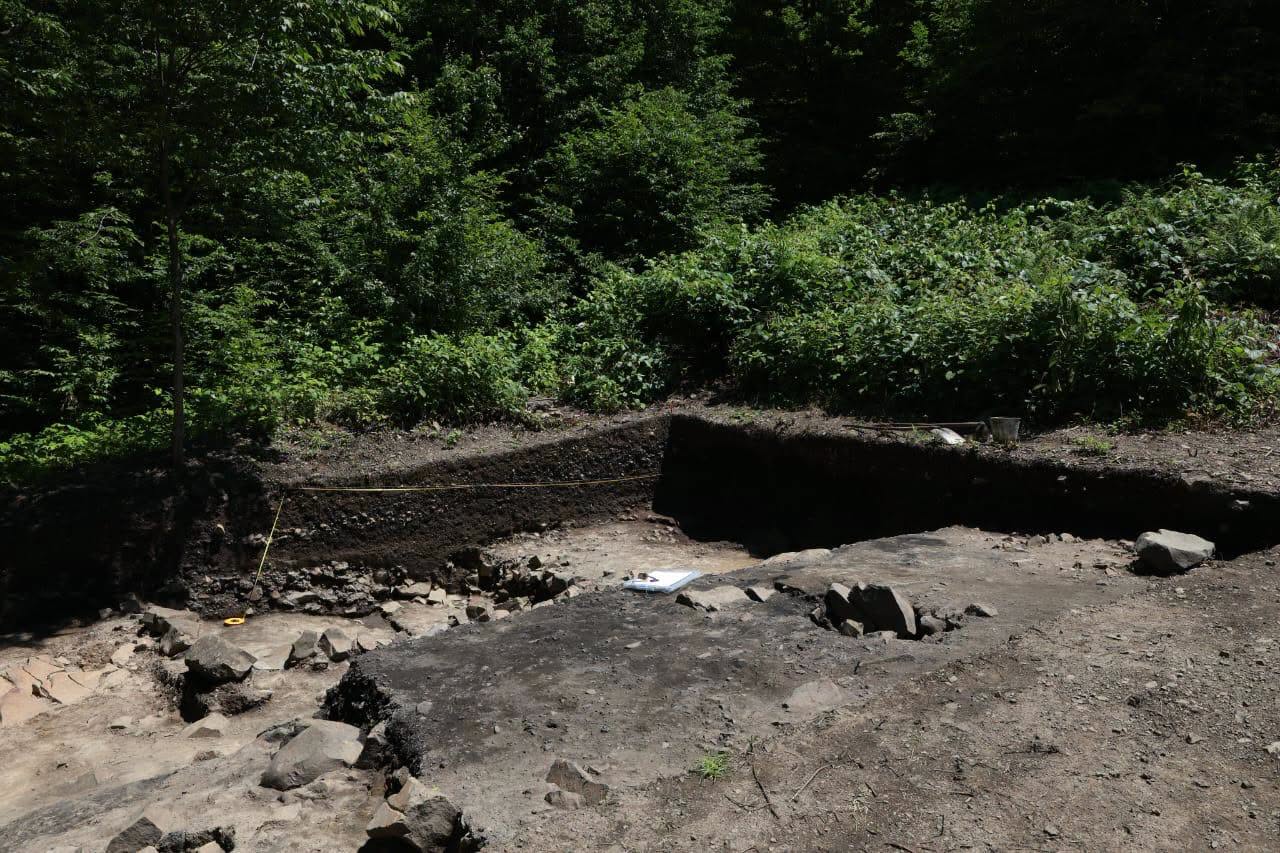
Archaeologists working in western Georgia have uncovered a 3,000-year-old metallurgical complex described as the largest Bronze Age copper workshop yet discovered in the ancient region of Colchis. The site lies near the village of Doghurashi in Tsageri Municipality, within the mountainous district of Lechkhumi. Laboratory analysis conducted at the University of Oxford dates the complex…
-
First Complete Plano-Convex Ingot Discovered in Sweden: Chemical Analysis Dates Artifact to the Iron Age
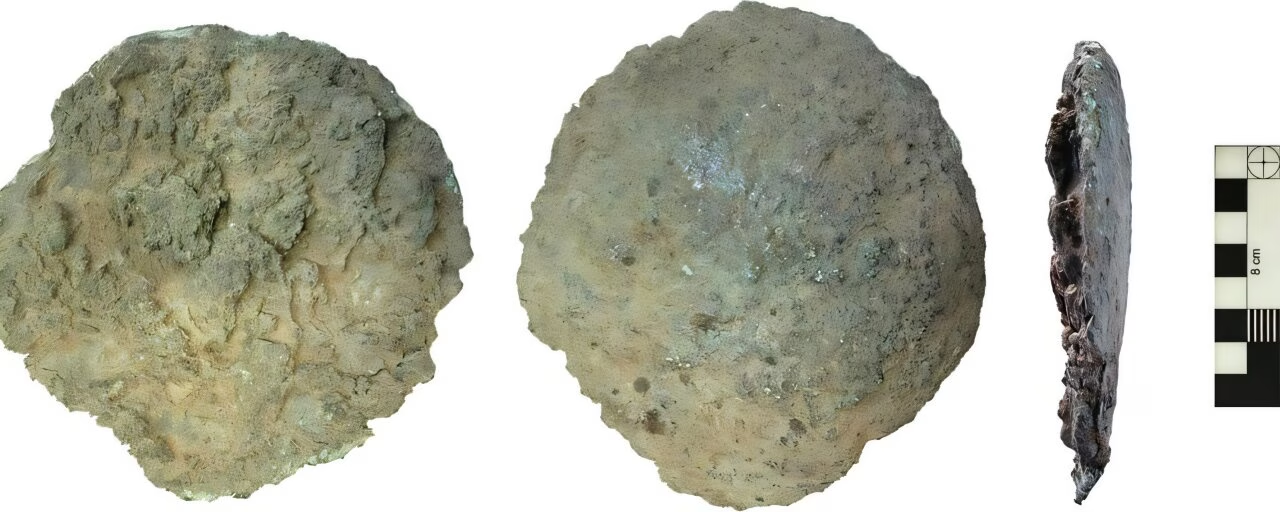
Archaeologists from the University of Gothenburg have identified the first complete plano-convex ingot ever discovered in Sweden. The find, unearthed in Särdal, was analyzed using advanced lead isotope and trace element analysis, and the results, published in Journal of Archaeological Science: Reports, confirm that this unique artifact dates to the Iron Age. Plano-convex ingots—typically made…