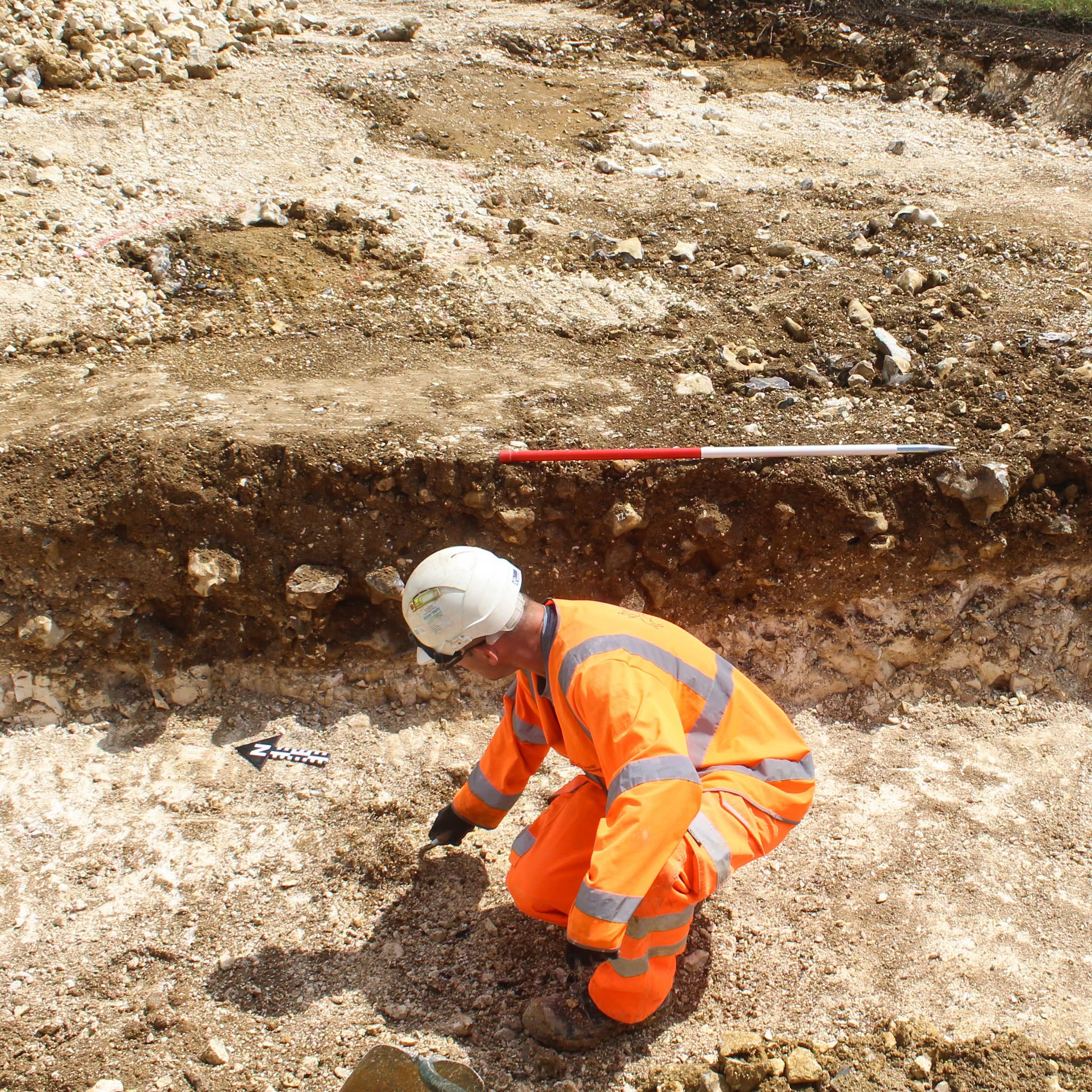
Radiocarbon dates from an iron-production site in Kent suggest that British metalworkers were draining molten slag from their furnaces before the Roman conquest of AD 43.
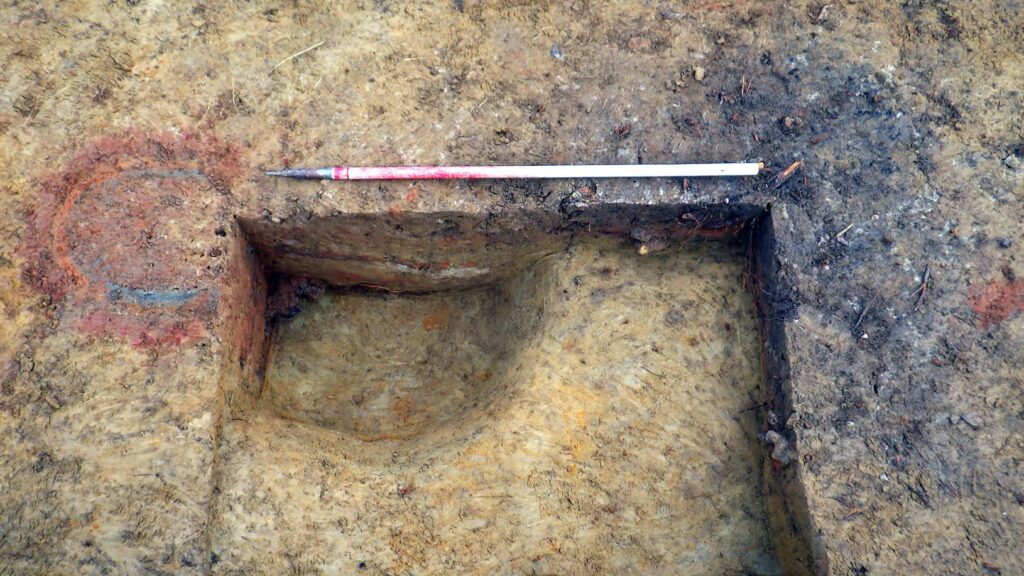
The evidence comes from excavations at Junction 5 of the M2 motorway, where archaeologists uncovered furnaces and waste left behind by iron smelting. Some of the slag shows that workers released molten waste while the furnace was still operating—a technique known as slag tapping.
The method allowed smelting to continue without slag building up inside the furnace. It also made furnaces easier to use repeatedly. In Britain, this technology has traditionally been associated with the Roman period.
The new dates indicate that it was already being used at the Kent site before the conquest, possibly for a considerable time.
What the slag reveals
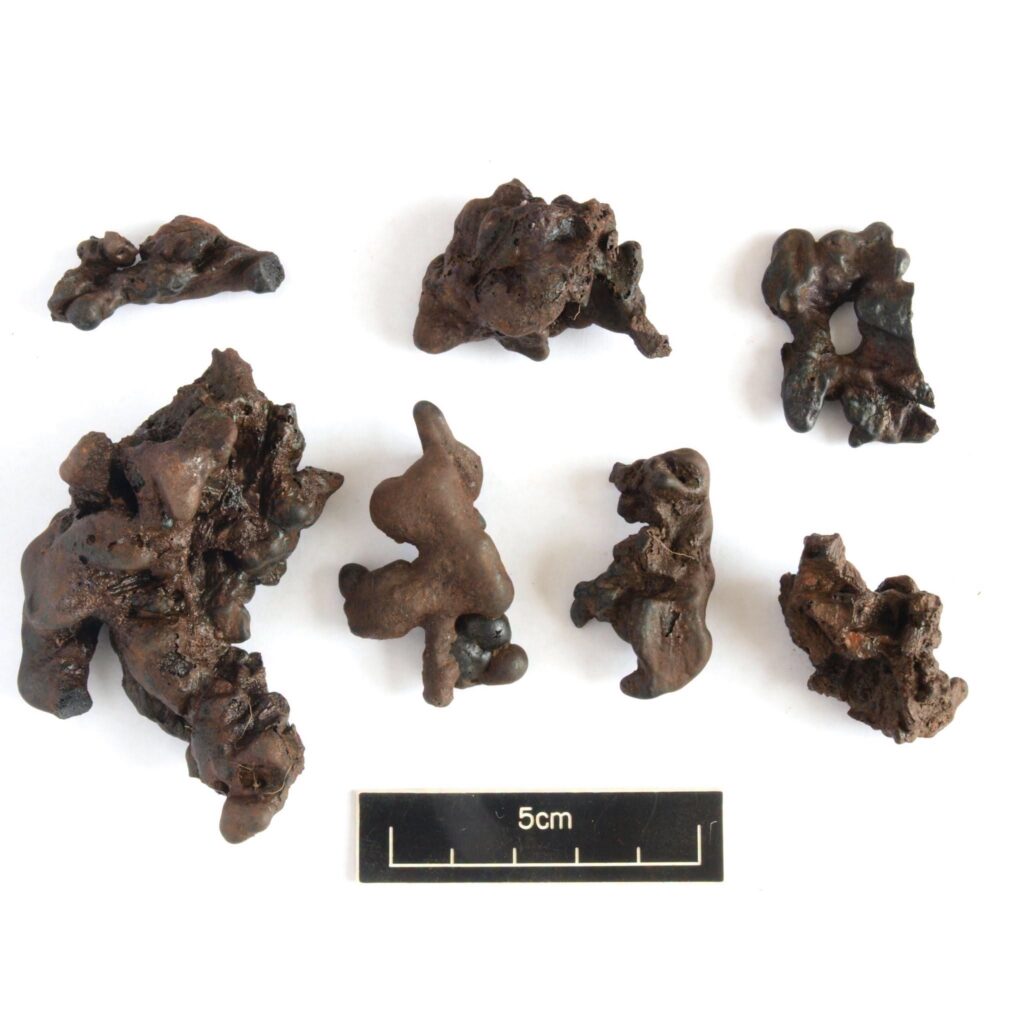
Iron was produced by heating ore inside a furnace until the metal separated from unwanted minerals. Those impurities formed slag, which archaeologists can use to reconstruct how a furnace worked.
In many prehistoric furnaces, slag collected in a pit beneath the structure. It was removed only after the furnace had cooled. Tapping furnaces worked differently: molten slag flowed out through an opening during the smelt.
This prevented waste from accumulating and allowed the furnace to remain in operation for longer.
Because slag tapping became widespread during the Roman period, archaeologists often regarded it as one of the technologies introduced to Britain after AD 43. The evidence from M2 Junction 5 suggests that the transition was not so simple.
Ironworkers in Kent were apparently familiar with the method before Roman rule. The technology may have developed locally or reached southeastern Britain through earlier contacts with continental Europe. Trade and the movement of skilled craftspeople connected Iron Age Britain with communities across the Channel long before the arrival of Roman armies.
The evidence does not show where the technique first originated. It does, however, make it harder to describe slag tapping in Britain as a purely Roman introduction.
Two methods used at the same site
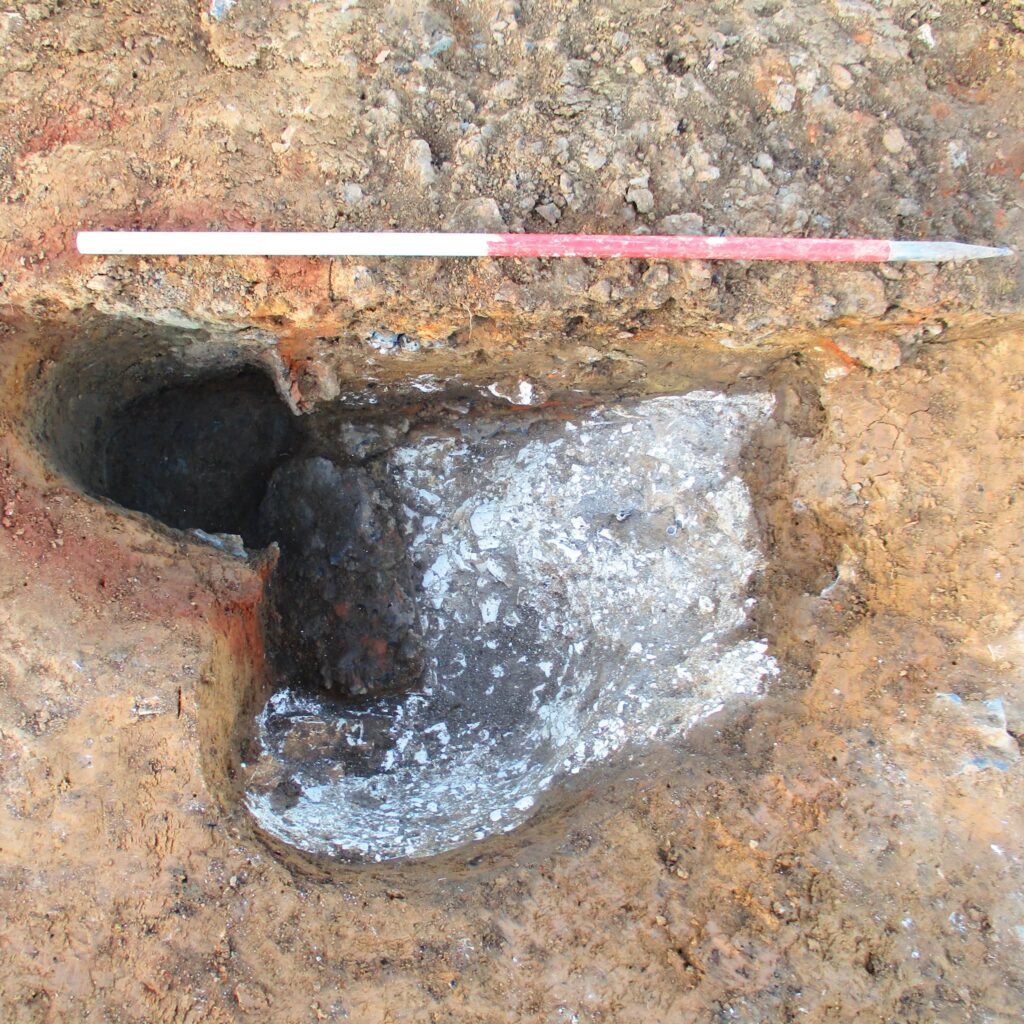
The excavations produced more than one type of smelting waste. Archaeologists found slag associated with both tapping furnaces and the older method in which waste collected beneath the furnace.
This raises the possibility that local metalworkers were not simply abandoning one system for another. They may have combined parts of both traditions.
The excavation team believes the site could represent a hybrid smelting technology, bringing together prehistoric furnace design and slag tapping. It is still an interpretation rather than a confirmed conclusion. Further study of the slag, furnaces and radiocarbon sequence will be needed to determine whether the two methods were used at the same time.
Even without that confirmation, the dates are important. They show that ironworkers in Britain were using a technique commonly linked with Roman industry before the conquest began.
The discarded slag from M2 Junction 5 records more than the waste of iron production. It preserves evidence of metalworkers testing, adapting and improving their craft more than 2,000 years ago.