-
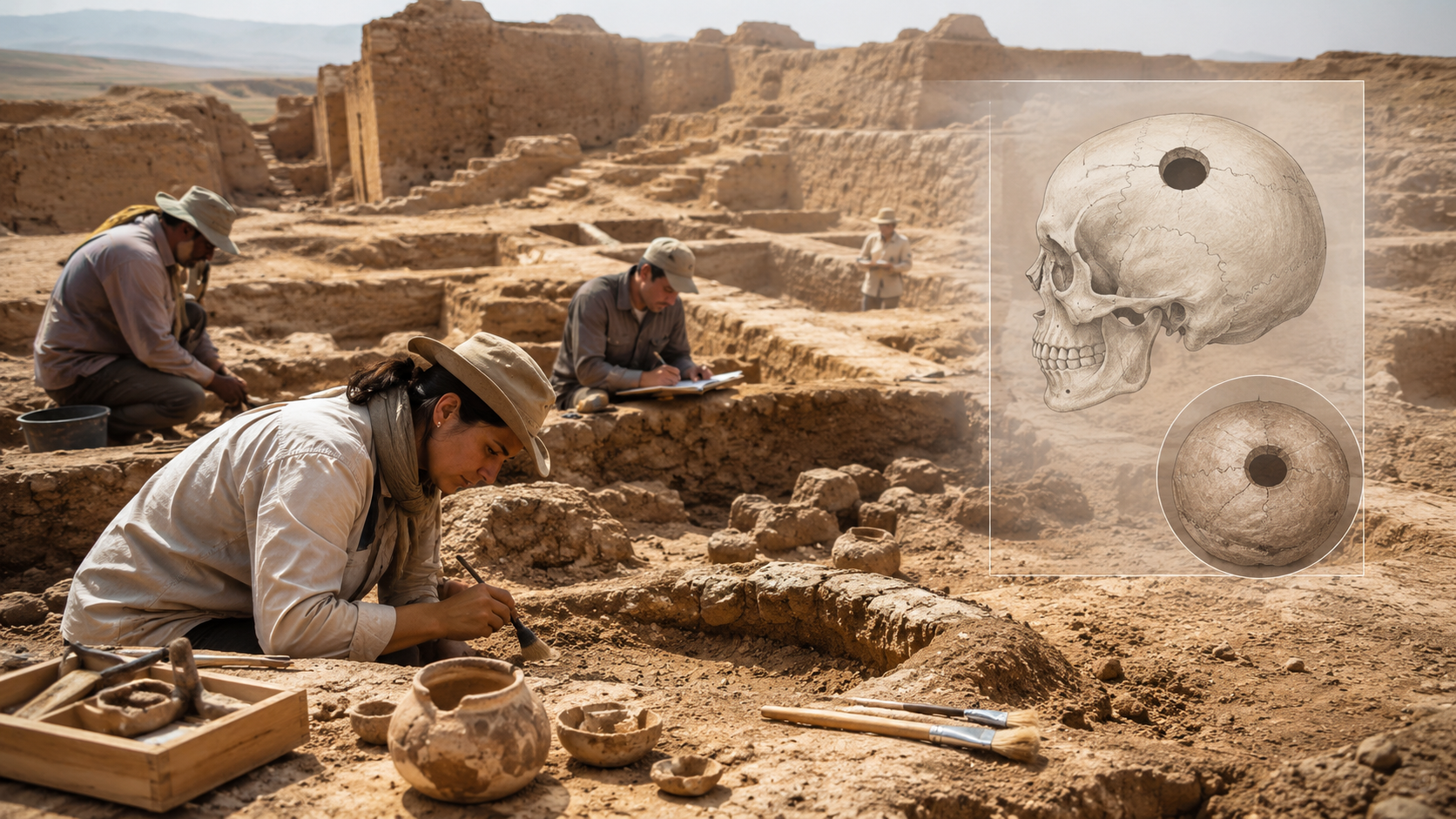
A 4,000-Year-Old Child’s Skull in Uzbekistan Reveals a Risky Bronze Age Surgery
A small grave in southern Uzbekistan has drawn archaeologists into one of the most difficult corners of Bronze Age life: illness, childhood, and the decision to cut into a human skull. At Djarkutan, a major settlement of the ancient Oxus civilization, researchers uncovered the remains of two children buried side by side. One was about…
-
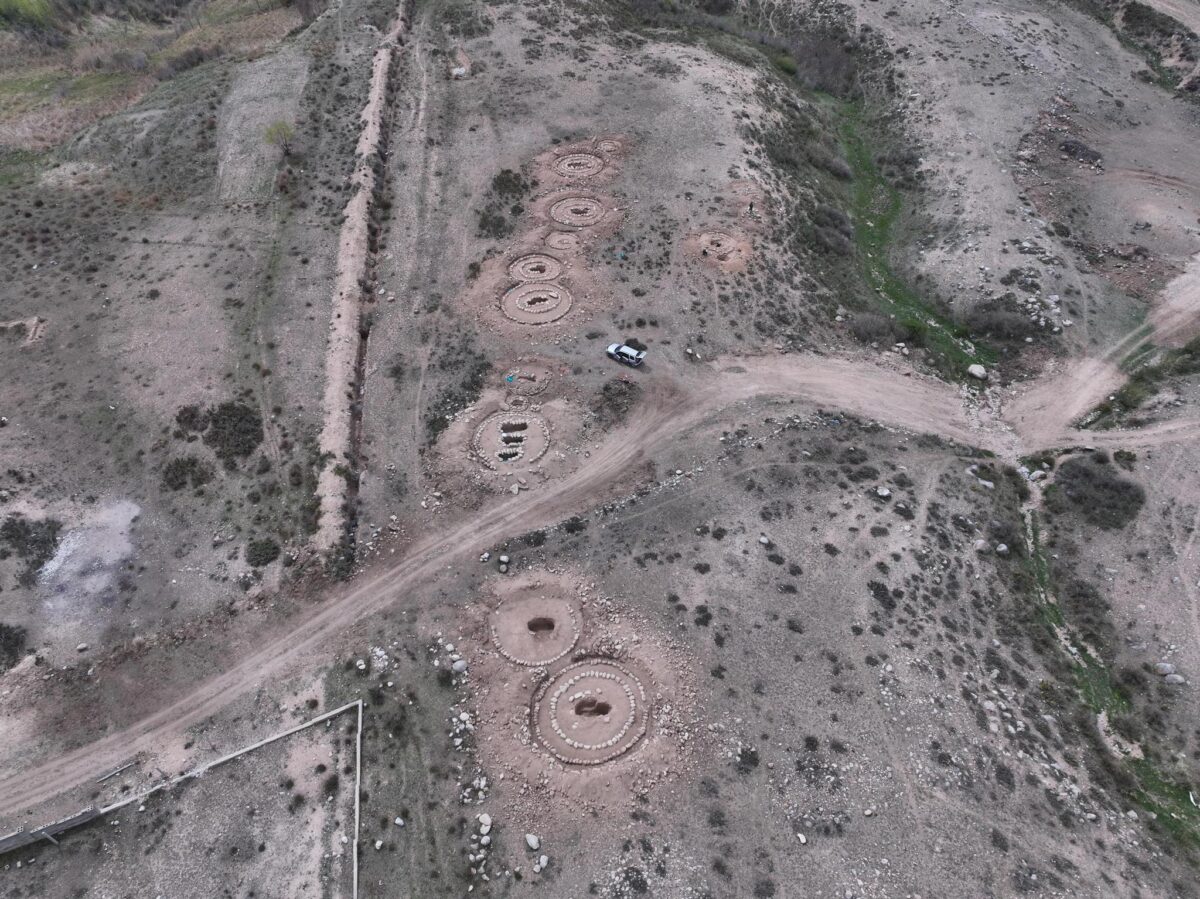
Early Saka Burial Mounds Unearthed Near Kyrgyzstan’s Lake Issyk-Kul
Early Saka burial mounds discovered near Lake Issyk-Kul in Kyrgyzstan are offering new clues to the region’s ancient nomadic past, after a rescue excavation near Cholpon-Ata revealed 21 kurgan burials and a large stone enclosure. The site, located on the northern shore of Lake Issyk-Kul, was identified during work connected to a bypass road around…
-
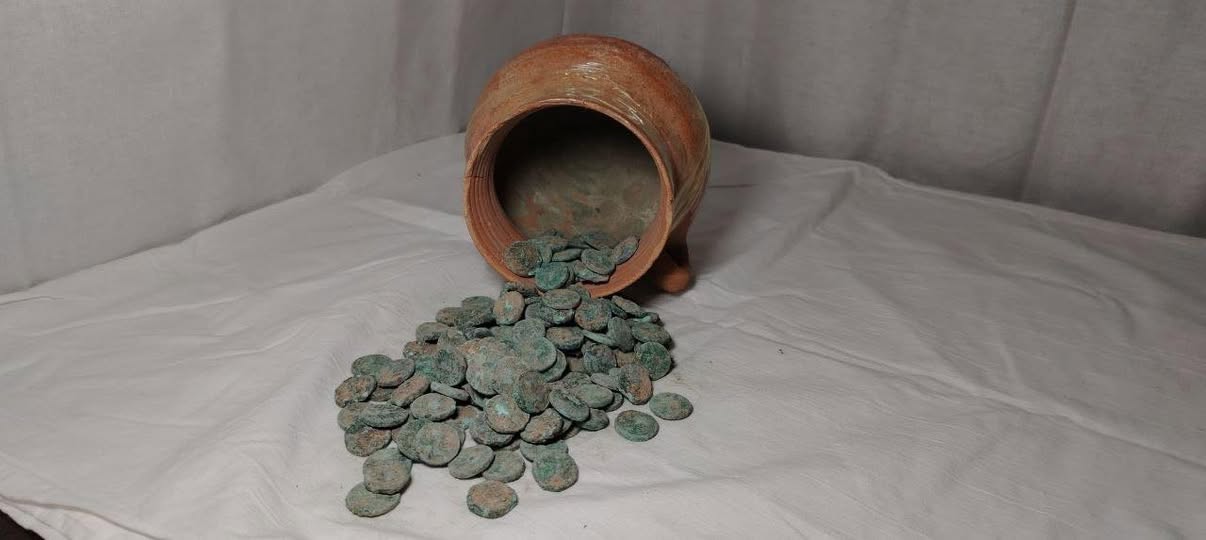
2,000-Year-Old Kushan Coin Hoard Unearthed in Tajikistan Sheds Light on a Forgotten Empire
A farmer’s routine work in southern Tajikistan has led to a discovery that reaches back nearly two millennia. In the Shahritus district, more than 150 copper coins dating to the 1st century AD were found buried inside a small ceramic vessel—an intact hoard from the early days of the Kushan Empire. The find, announced in…
-
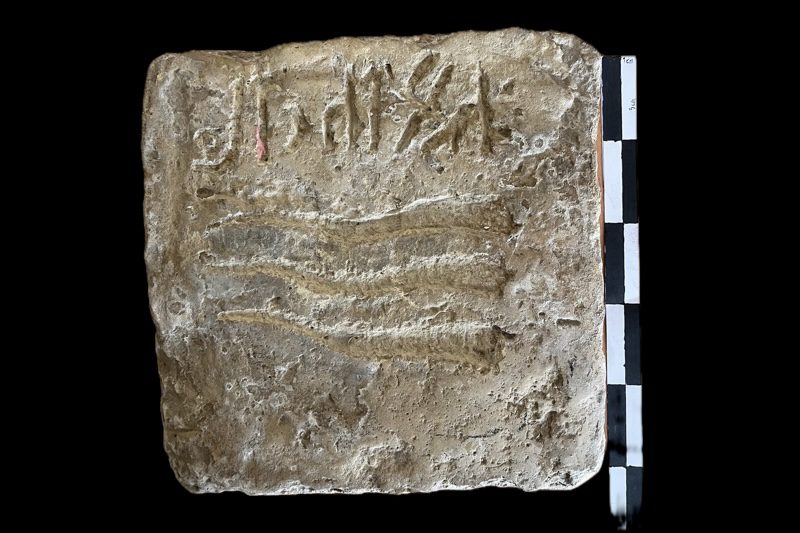
A 1,100-Year-Old Turkic Inscription Linked to the Oghuz Discovered in Kazakhstan
A modest stone kept for years inside a small school museum in southern Kazakhstan is now reshaping scholarly views on early Turkic literacy. Identified in August 2025, the Kultobe Inscription provides rare evidence that the Oghuz Turks were using written Turkic well before the 13th century—long before Oghuz Turkic is traditionally thought to have emerged…