-
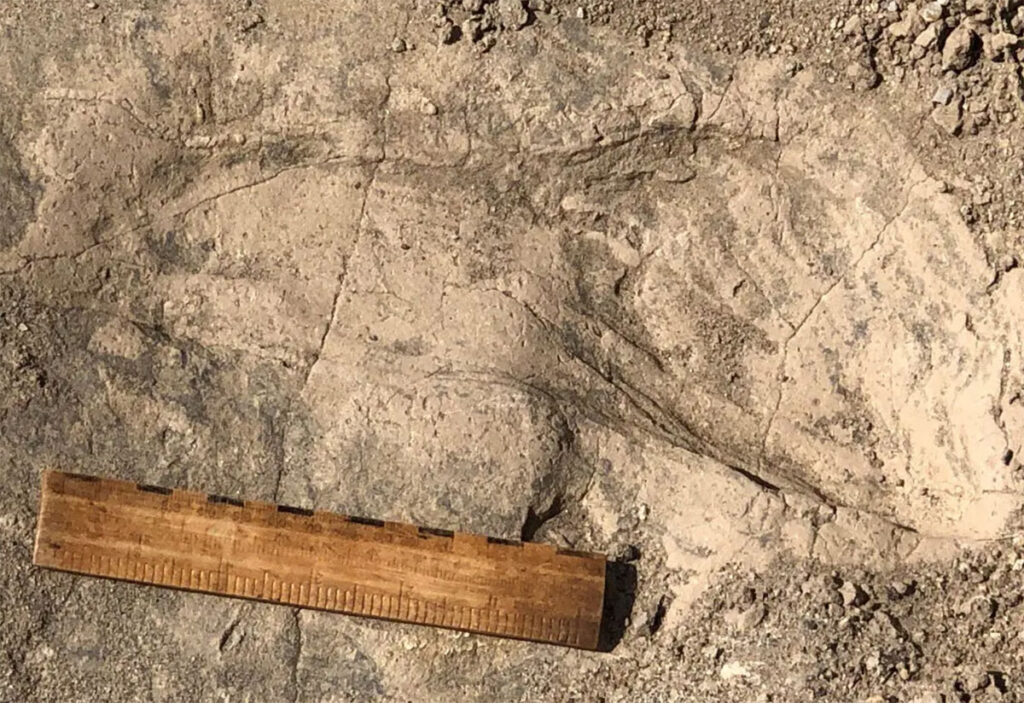
Who Walked the Shores of Ancient Kenya? 1.4-Million-Year-Old Footprints Reveal Surprisingly Large Hominins
Several early hominins crossed the muddy edge of a lake in northern Kenya around 1.43 million years ago. Their footprints survived long after the water disappeared, preserving a brief scene of movement that bones alone could never record. The tracks, uncovered at the GaJi10 site in East Turkana, suggest that some of these individuals were…
-

400,000-Year-Old Teeth in China Reveal the First Molecular Evidence from Homo erectus
Chinese scientists have recovered the first molecular data from Homo erectus, using proteins preserved inside 400,000-year-old teeth from China. The discovery, published in Nature, does not involve ancient DNA. Instead, it opens a rarer and more durable archive: tooth enamel, where biochemical traces can survive long after genetic material has disappeared. For a species long…
-

Massive Acheulean Site in Southern Iran Redraws Early Human Migration Map
Hormozgan’s 400-hectare Paleolithic hub proves region was a long-term homeland, not just a transit route, for Homo erectus-era populations. A sprawling Lower Paleolithic settlement uncovered in Hormozgan province is reshaping scholarly views on the timing and nature of human dispersal across the Iranian Plateau. Spanning an area three times the size of ancient Persepolis, the…