-
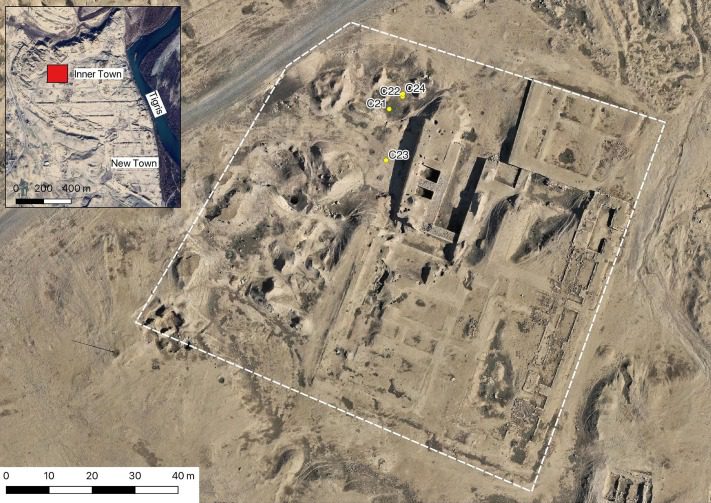
A Hidden Sand Layer Beneath Assur’s Ishtar Temple Is Changing How Scholars Understand Early Mesopotamian Religion
At the heart of the ancient Assyrian city of Assur, archaeologists have uncovered an unexpected detail that is quietly reshaping long-held assumptions about early Mesopotamian belief systems. Beneath the foundations of the city’s oldest Ishtar Temple, researchers identified a thick, deliberately placed layer of sand—an architectural choice with profound ritual meaning. The discovery suggests that…
-
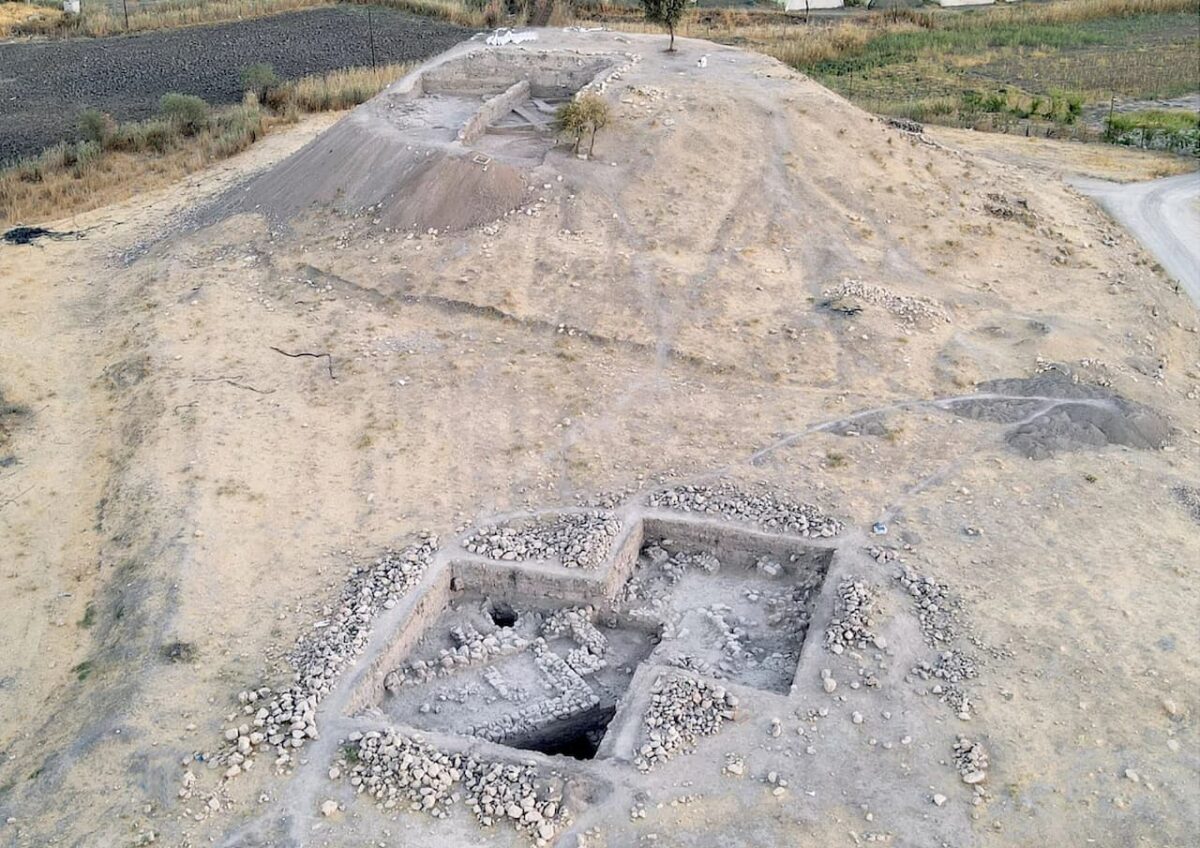
Archaeologists Uncover Monumental Uruk-Period Building Redefining Early Mesopotamian Civilization
Archaeologists from the University of Coimbra have unearthed a monumental Uruk-period building at the site of Kani Shaie, revealing that the highlands east of the Tigris were not peripheral zones but active participants in the birth of civilisation. The discovery — dating to around 3300–3100 BC — could reshape our understanding of how early Mesopotamian…
-
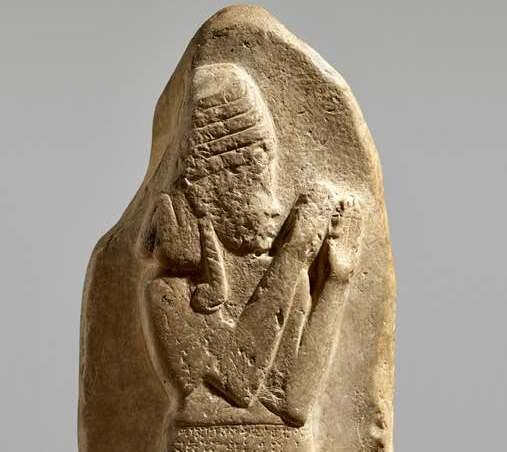
The Kassite Stele of Goddess Lama Sheds Light on Uruk’s Religious Landscape
A remarkable stele from the Kassite period, dating to circa 1307–1282 BCE, offers deep insight into the religious practices and artistic expression of ancient Mesopotamia. Discovered in Uruk, this sculpted monument features the image of Goddess Lama, known as a protective and interceding deity in Mesopotamian belief systems. Goddess Lama: A Divine Intercessor Between Humans…
-
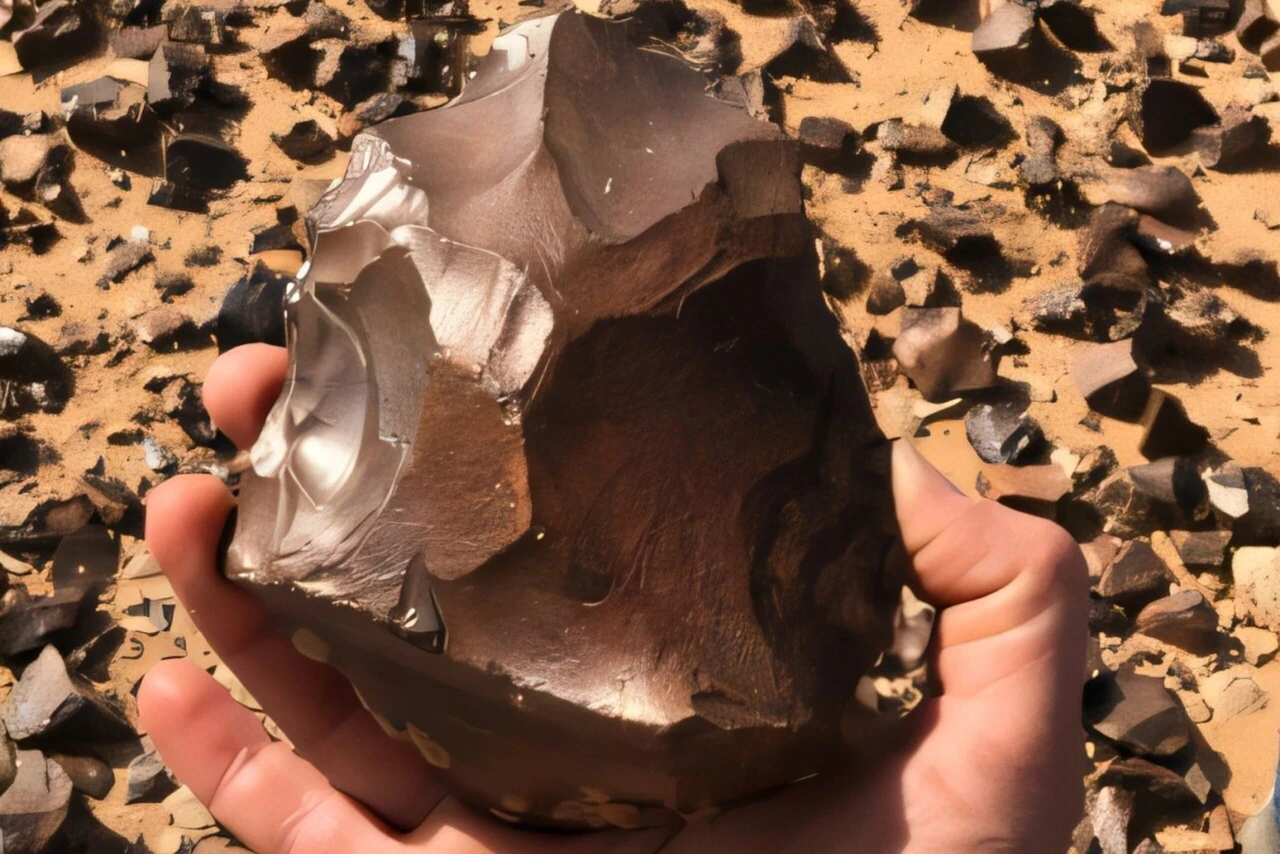
1.5 Million-Year-Old Hand Axes and Seven Paleolithic Sites Discovered in Iraq’s Western Desert
In a remarkable archaeological discovery, researchers have uncovered 1.5 million-year-old hand axes alongside seven important Paleolithic sites in Iraq’s Western Desert. This significant find was made by archaeologists from the Free University of Brussels (VUB) during an excavation covering a 10×20 kilometer area. Researcher Ella Egberts traveled to Iraq in November and December. Her goal…