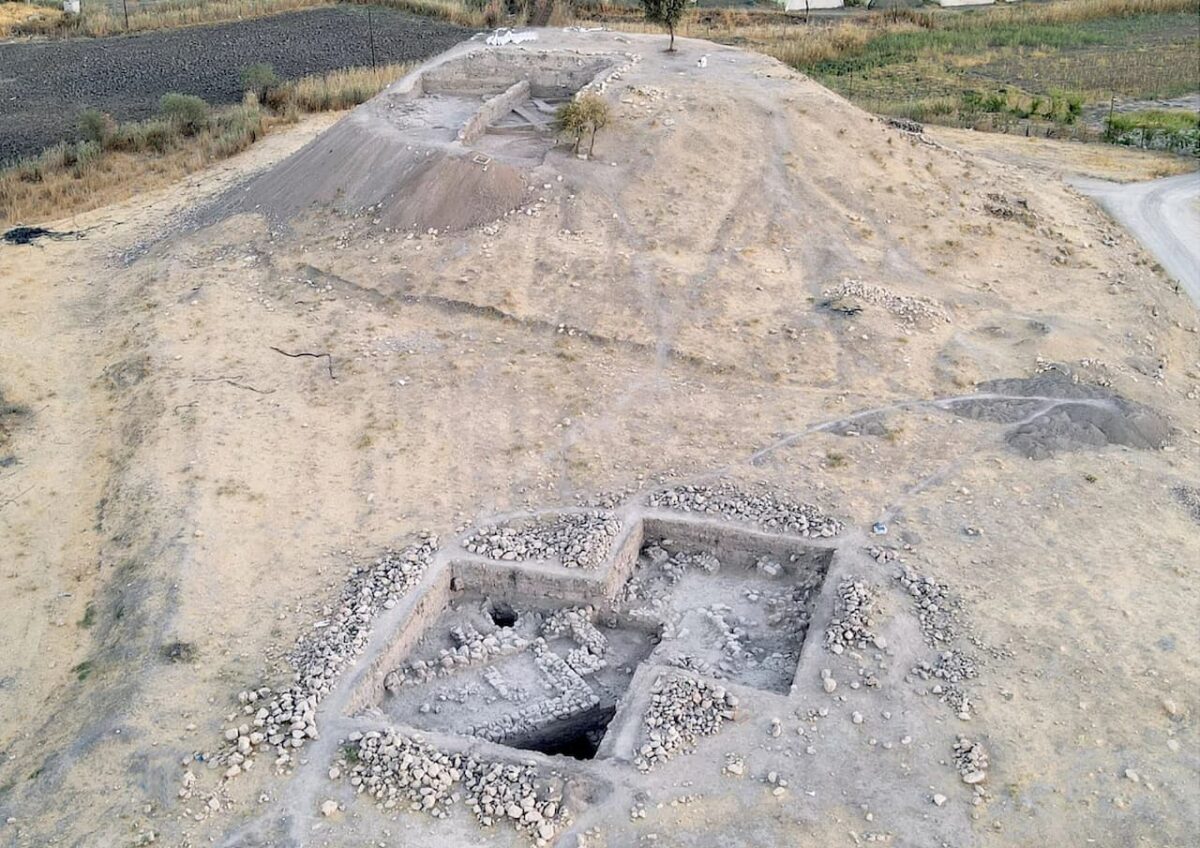
Archaeologists from the University of Coimbra have unearthed a monumental Uruk-period building at the site of Kani Shaie, revealing that the highlands east of the Tigris were not peripheral zones but active participants in the birth of civilisation. The discovery — dating to around 3300–3100 BC — could reshape our understanding of how early Mesopotamian urbanism extended into the Zagros foothills.
A Monumental Discovery at Kani Shaie
The Kani Shaie Archaeological Project, jointly conducted by the University of Coimbra’s Centre for Studies in Archaeology, Arts and Heritage Sciences (CEAACP), the University of Cambridge, and the Slemani Antiquities and Heritage Directorate, has revealed an imposing structure on the upper mound of the site in present-day Iraqi Kurdistan.
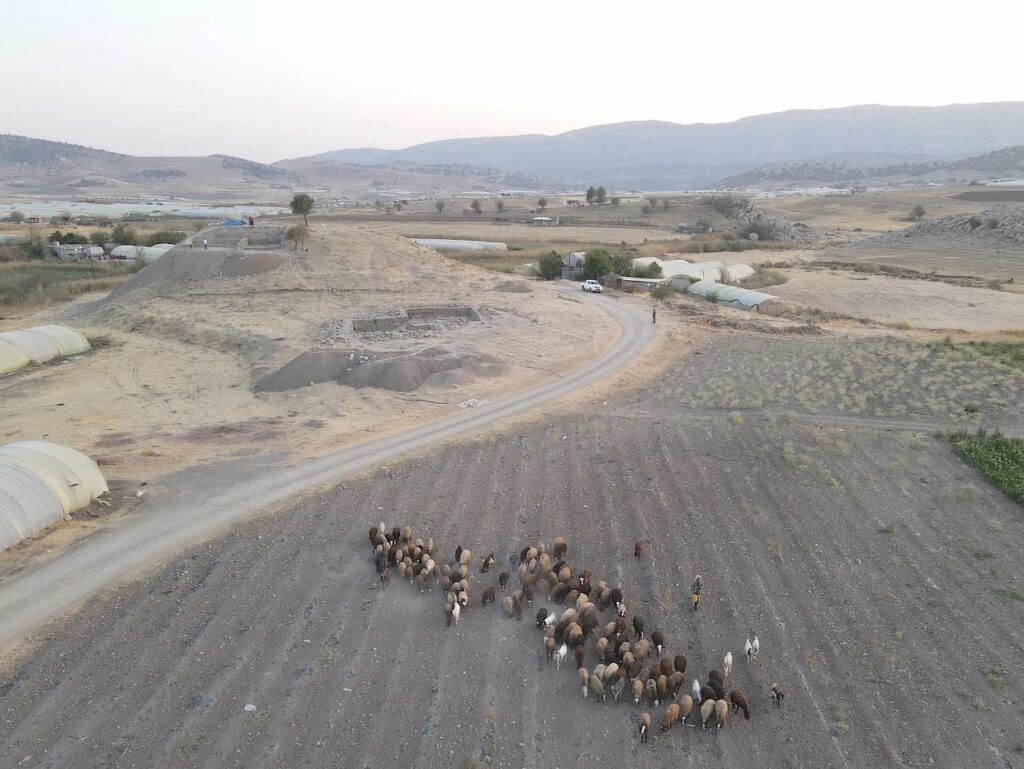
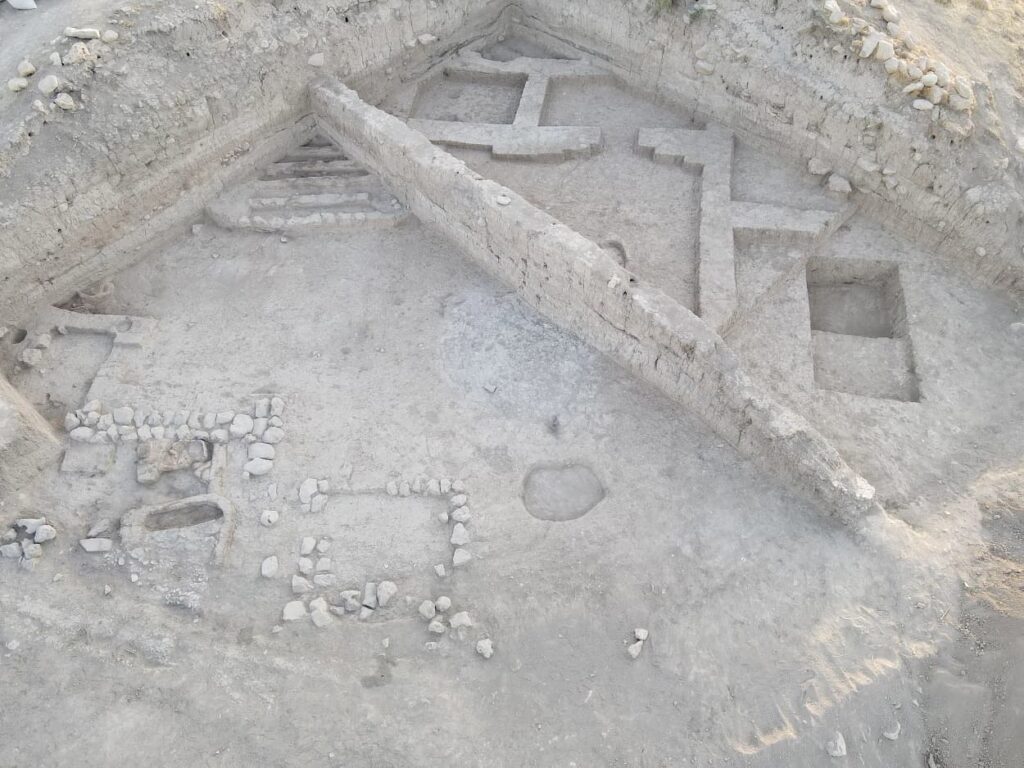
Archaeologists André Tomé, Maria da Conceição Lopes, and Steve Renette describe the complex as a possible cultic or administrative building, constructed during the Uruk period, when the world’s first city, Uruk, emerged as a political and cultural powerhouse.
“If the monumental nature of this structure is confirmed,” the team explains, “it will demonstrate that highland communities such as Kani Shaie were deeply integrated into the networks that shaped Mesopotamian civilisation, rather than isolated border settlements.”
Artefacts of Power and Prestige
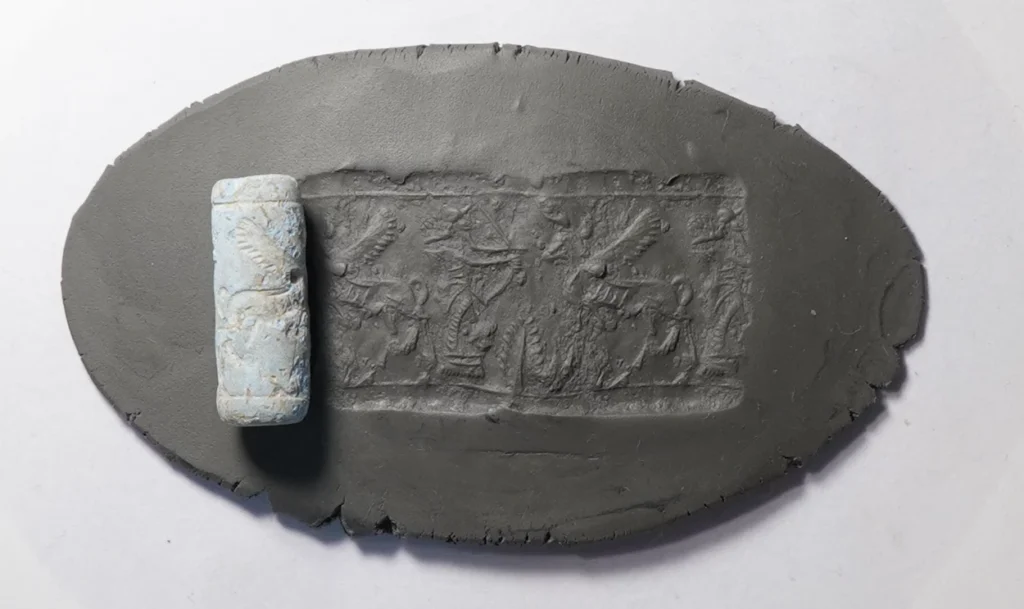
Among the artifacts uncovered were a fragment of a gold pendant, suggesting access to luxury goods and elite craftsmanship, and a finely carved cylinder seal, typically linked to administrative control and legitimisation of power.
The team also identified wall cones — a hallmark of Uruk-style monumental architecture — reinforcing the interpretation of the structure as a public or ceremonial complex.
From Uruk to the Zagros: A Shared Urban Horizon
The Uruk period (c. 4000–3000 BC) marks one of humanity’s earliest urban revolutions. Excavations in southern Mesopotamia have revealed massive temples, workshops, and early administrative systems.
Recent findings — including production workshops and irrigation canals unearthed near the ancient city of Uruk in 2025 — show that the metropolis was not merely a ceremonial hub but also an economic engine driving regional interaction.
Kani Shaie’s monumental building aligns with this broader picture: a highland settlement participating in the same network of exchange and political communication that connected the lowlands of Sumer with the mountains of the east.
Its discovery underscores how the Uruk expansion was not a simple case of cultural dominance but a process of integration and adaptation between diverse communities.
Continuity Through the Ages
Archaeological layers at Kani Shaie reveal long-term occupation — from the Early Bronze Age through the Neo-Assyrian and Hellenistic–Parthian periods — confirming its enduring regional significance.
Ongoing excavations, which began in 2013, are supported by the Portuguese Foundation for Science and Technology (FCT) and the University of Cambridge, with contributions from specialists of multiple nationalities.
Researchers emphasize that Kani Shaie is now regarded as the most significant archaeological site east of the Tigris for understanding the evolution of early human settlement and state formation in the Fertile Crescent — the very cradle of civilisation.
Cover Image Credit: University of Coimbra