-
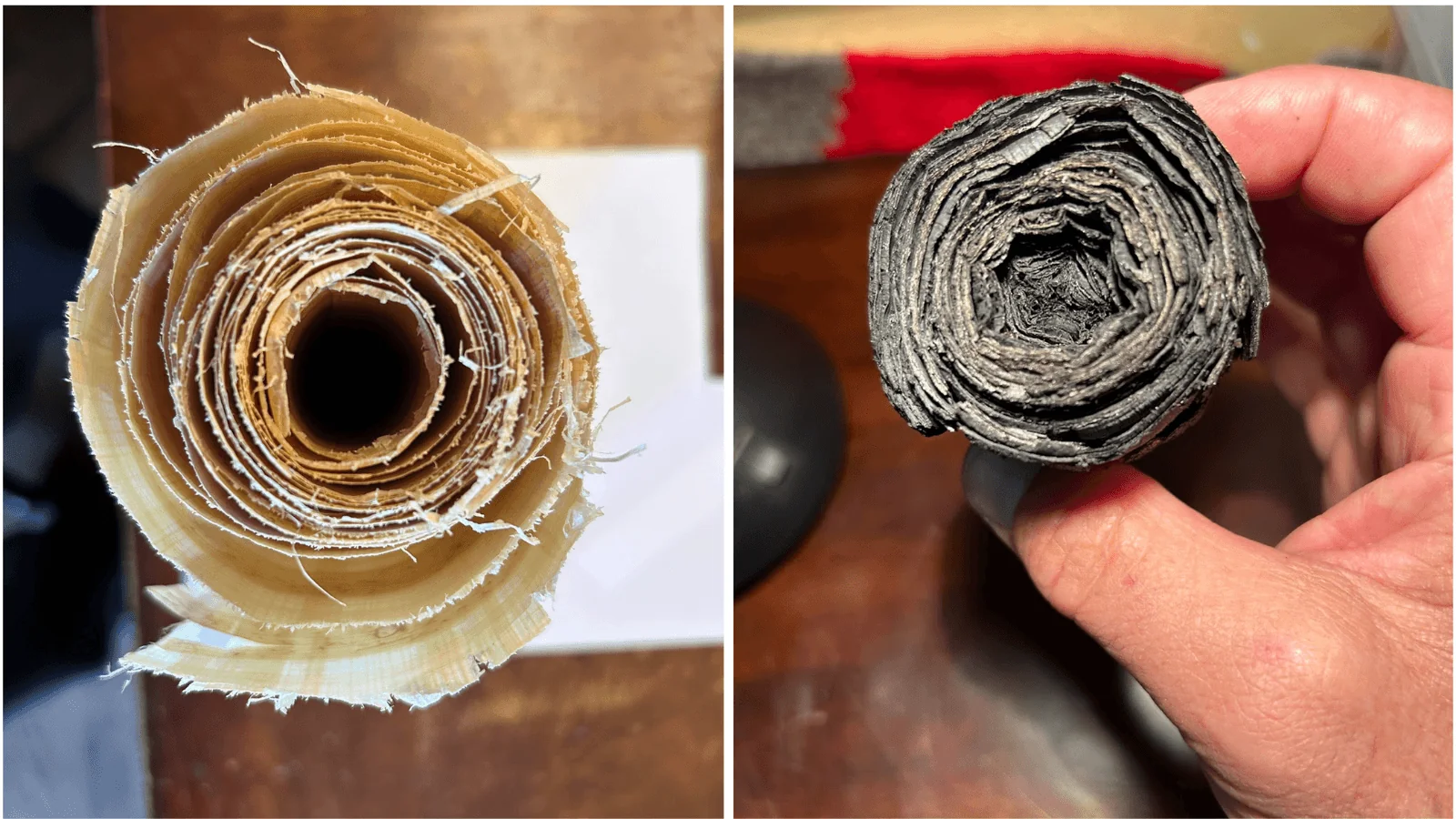
To Read 2,000-Year-Old Scrolls, Scientists Burned Their Own
To help read 2,000-year-old scrolls buried by Mount Vesuvius, scientists created new papyrus manuscripts, wrote on them with lead-laced ink and deliberately burned them. The unusual experiment could provide a practical way to identify the most promising texts among the carbonized remains of the Herculaneum library. The laboratory-made scrolls were not filled with ancient philosophy.…
-
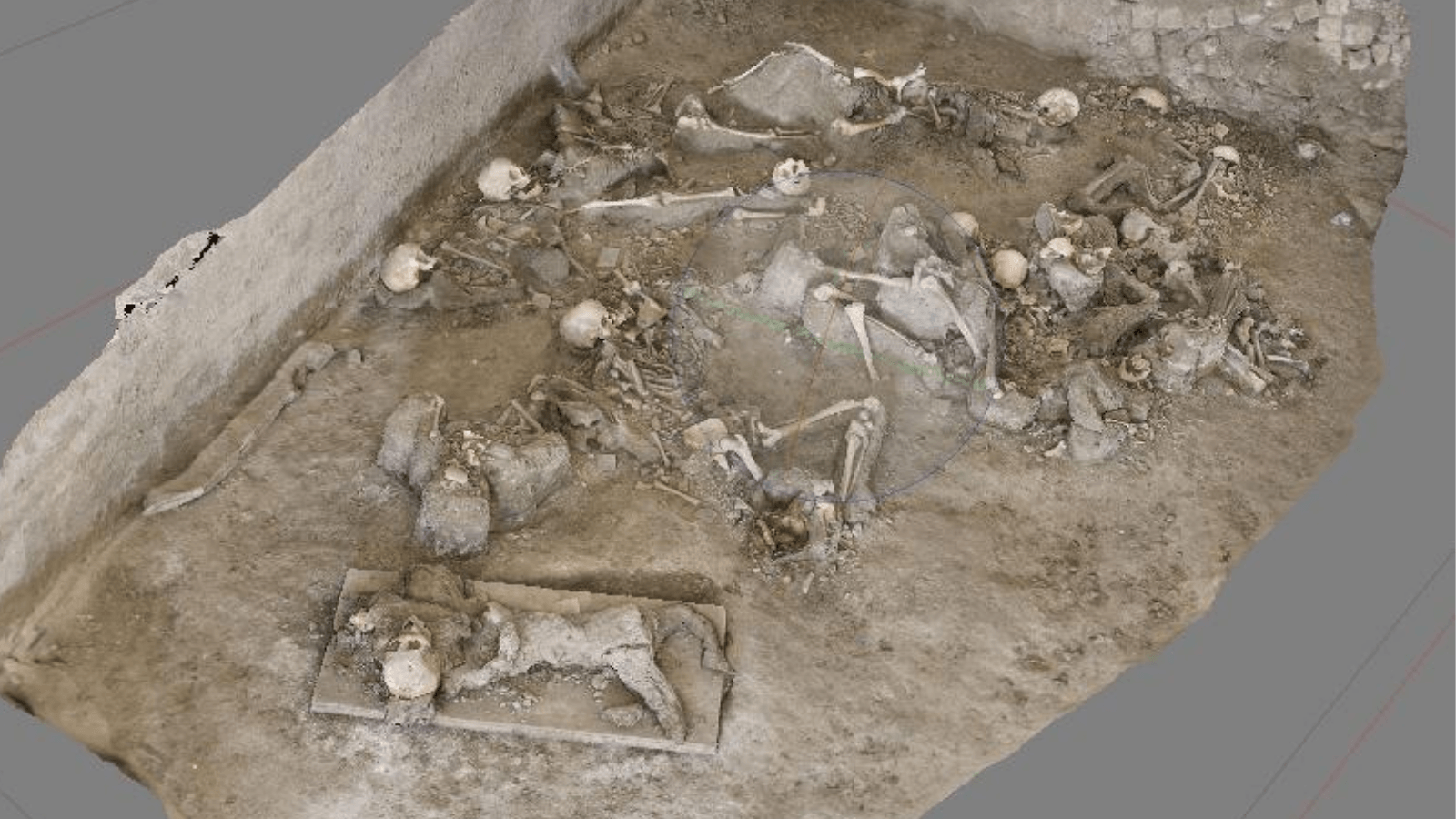
Nearly 2,000-Year-Old Bones Reveal What Vesuvius Victims Near Pompeii Ate
Nearly 2,000-year-old human remains from Oplontis, near Pompeii, are revealing what people living in the shadow of Mount Vesuvius regularly ate before the catastrophic eruption of AD 79. Despite living beside the Bay of Naples, their diet depended overwhelmingly on food from the land. Cereals, legumes and other plant foods formed its foundation, while animal…
-
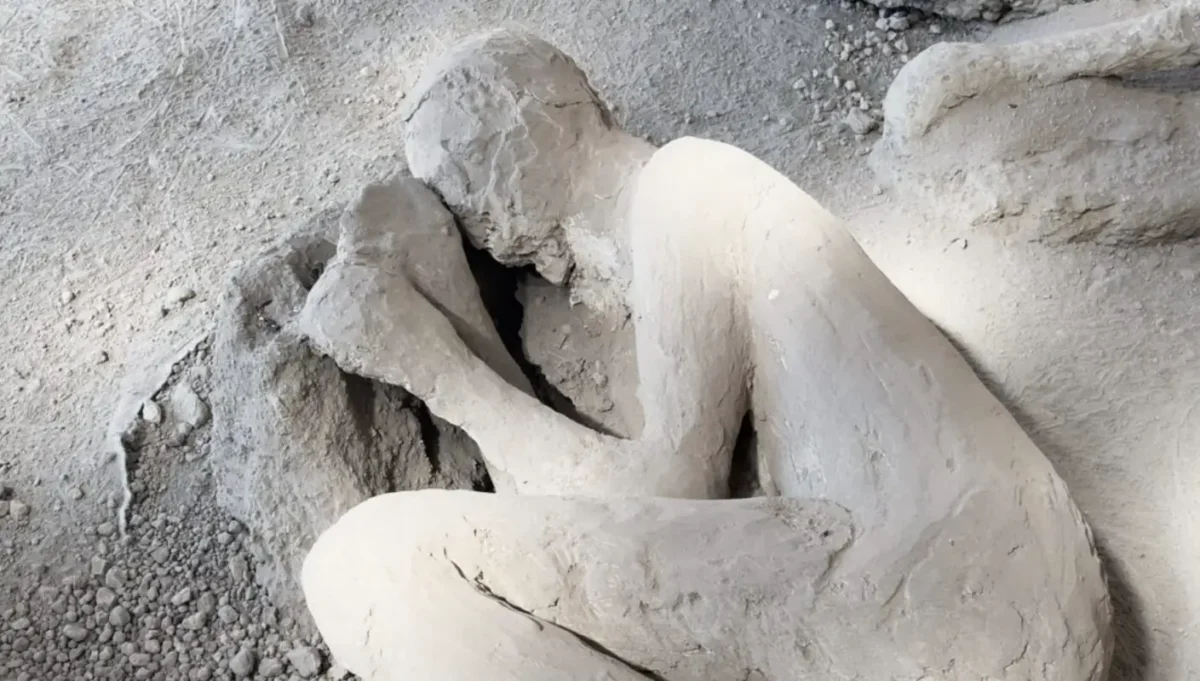
Pompeii Victim Fleeing Vesuvius May Have Been a Roman Doctor
A Pompeii victim who died while fleeing the eruption of Mount Vesuvius in AD 79 may have been a Roman doctor, according to new scans of objects preserved inside his plaster cast. The small case, coins and tools found with the man suggest he may have carried the equipment of a medicus during the city’s…
-
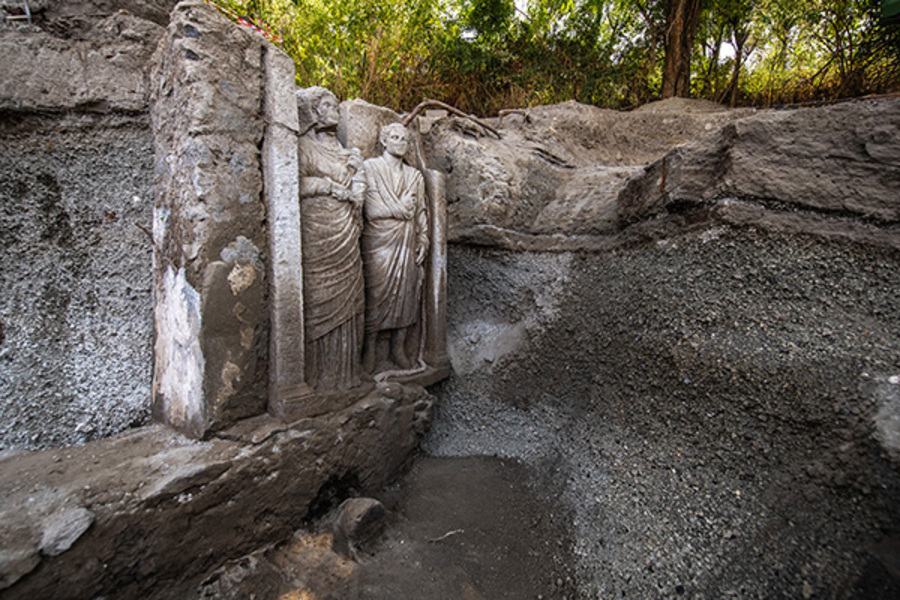
New Discovery in Pompeii: Ancient Tomb Relief Depicting Lifelong Love Unearthed in Porta Sarno Necropolis
A striking discovery illuminating the historical fabric of Pompeii has been made in the Porta Sarno necropolis. The “Investigating the Archaeology of Death in Pompeii” project, a collaboration between the Universitat de València and the Pompeii Archaeological Park, has unearthed an extraordinary tomb relief depicting a couple almost life-size. This find offers new insights into…