-
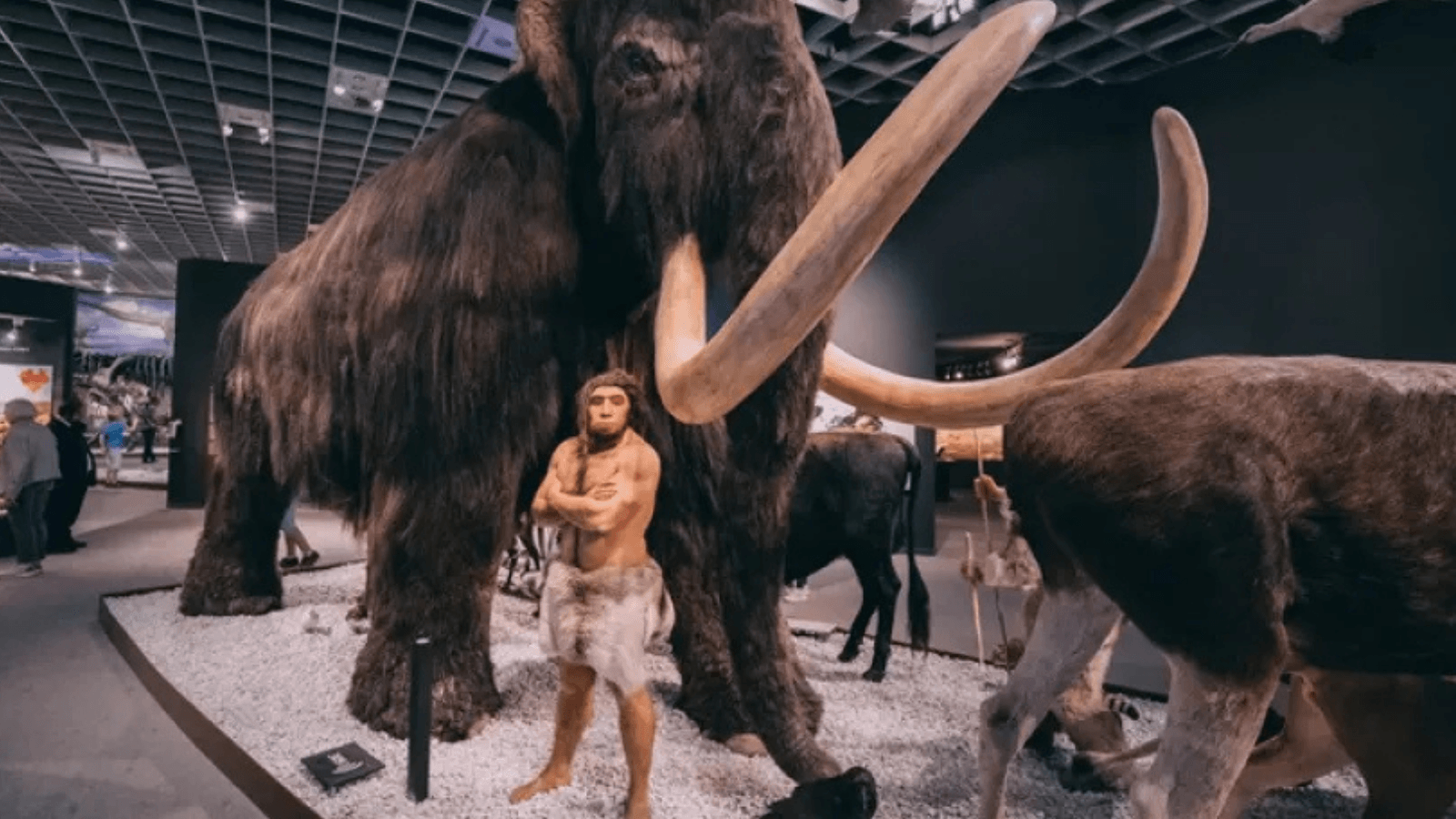
Ancient DNA Reveals Ice Age Humans Disproportionately Targeted Female Woolly Mammoths
Ancient DNA recovered from more than 500 woolly mammoths has revealed an unexpected pattern in the relationship between Ice Age people and one of the largest animals they shared the landscape with: at archaeological sites associated with human activity, female mammoths vastly outnumber males. An international team analyzed genomic data from 521 woolly mammoths from…
-
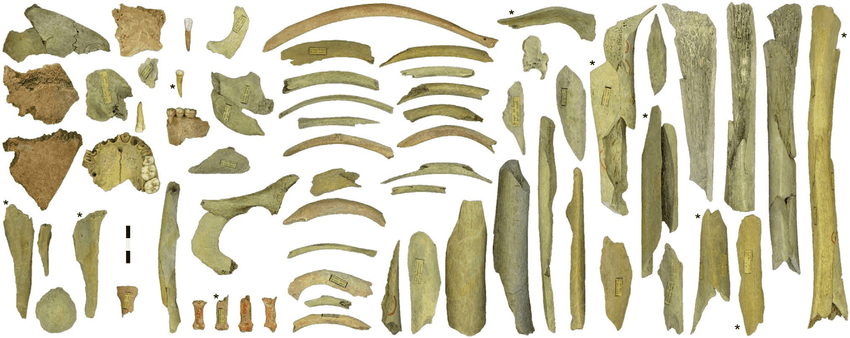
New Study Reveals Neandertals Targeted Outsider Women in Ritual Cannibalism
A newly published study has reshaped our understanding of one of Europe’s most intriguing Neandertal assemblages. Human remains unearthed in the Troisième caverne of Goyet in Belgium—dated to between 41,000 and 45,000 years ago—do not fit the demographic profile expected from a natural death assemblage.Instead, the bones speak of selection: non-local, gracile adult and adolescent…
-
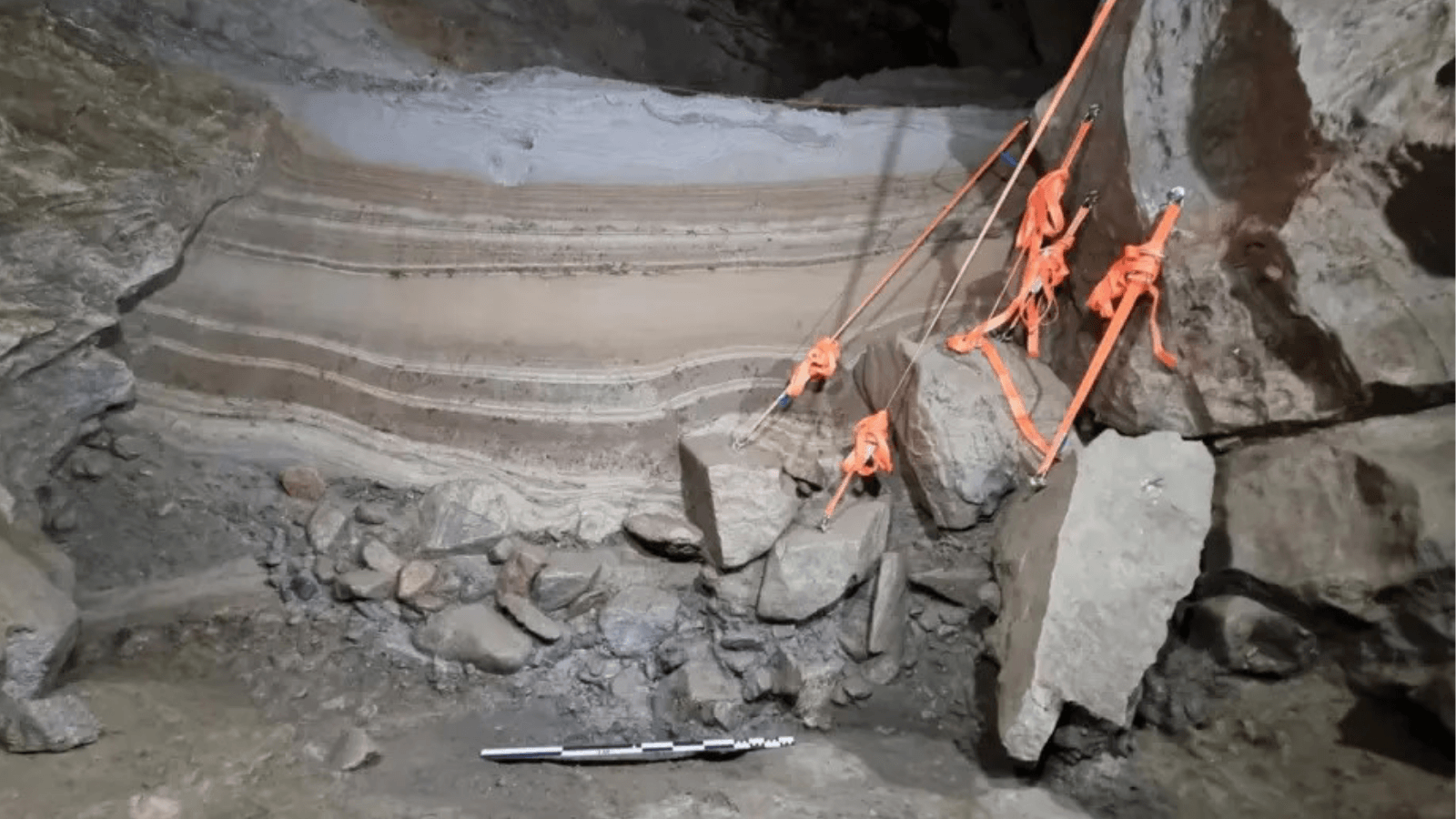
75,000-Year-Old Norwegian Cave Reveals 46 Types of Ice Age Animals and Lost Genetic Lineages
A Norwegian cave has preserved the remains of 46 types of animals that lived in the European Arctic around 75,000 years ago, providing an exceptionally rare glimpse of wildlife during the last glacial period. The discovery at Arne Qvamgrotta, part of the Storsteinhola cave system, represents the oldest preserved faunal assemblage known from the European…
-
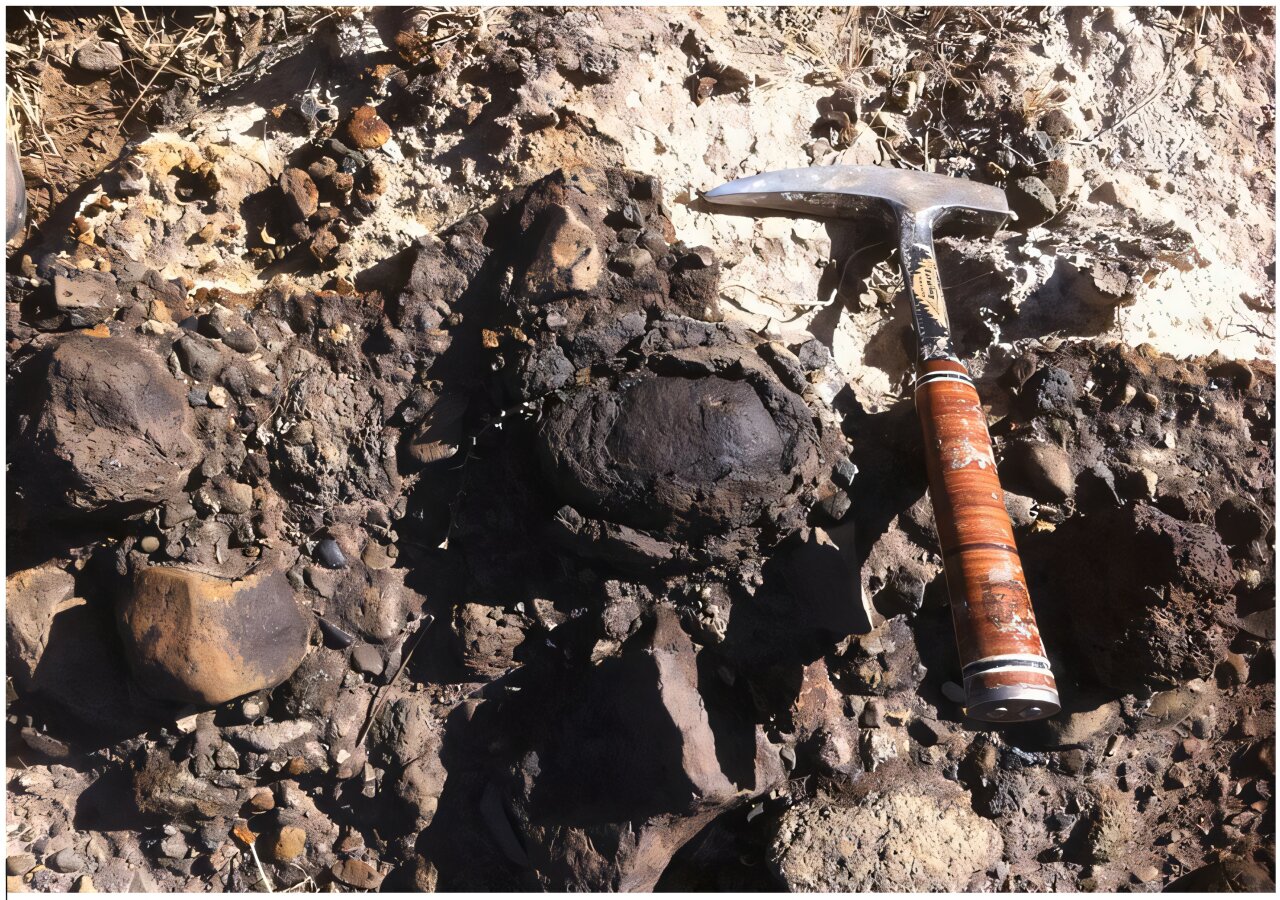
1 Million-Year-Old Stone Spheres: Were They Hominin’s Hidden Tools?
A new study conducted in the Melka Kunture region of Ethiopia reveals that naturally occurring basalt spheres may have been used as tools by early hominins for over 1 million years. Dr. Margherita Mussi’s work, published in Quaternary International, sheds light on the role of these mysterious stones in the lives of our early human…