-

New Research Pushes Human Presence in Anatolia Back Nearly One Million Years
New archaeological research from southeastern Türkiye is significantly extending the known timeline of human presence in Anatolia. Evidence gathered during recent Pleistocene surveys suggests that early human activity in the region dates back nearly one million years, challenging long-held assumptions about Ice Age mobility and settlement patterns. The findings emerge from a large-scale surface survey…
-
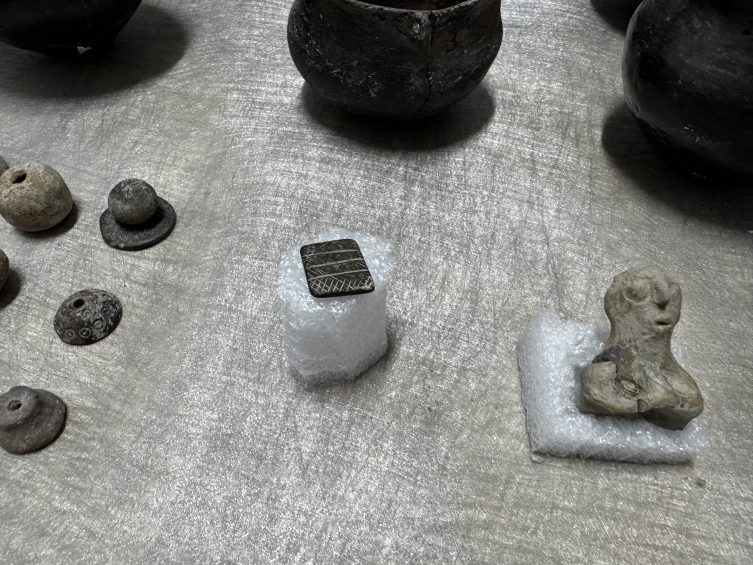
A 7,500-Year-Old Stone Seal Reveals Early Identity and Ownership in Prehistoric Anatolia
At first glance, it is a small object—unassuming, made of stone. Yet the seal recently uncovered at Tadım Höyük carries a weight far beyond its size. Dating back roughly 7,500 years, the artifact offers rare insight into how some of Anatolia’s earliest communities began to define identity, ownership, and social order long before the invention…
-
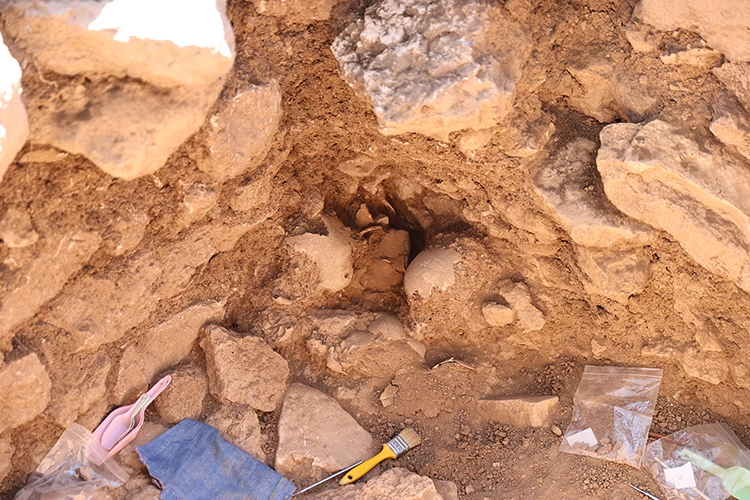
Sefertepe Excavation Reveals 12 New Human Skulls From the 10th Millennium BCE
In southeastern Turkey, the prehistoric settlement of Sefertepe has yielded another major discovery: archaeologists have uncovered 12 human skulls estimated to be 10,500 years old. The find adds to growing evidence of ritual practices in the region during the earliest stages of settled life. Located in Şanlıurfa Province, Sefertepe is one of several sites investigated…