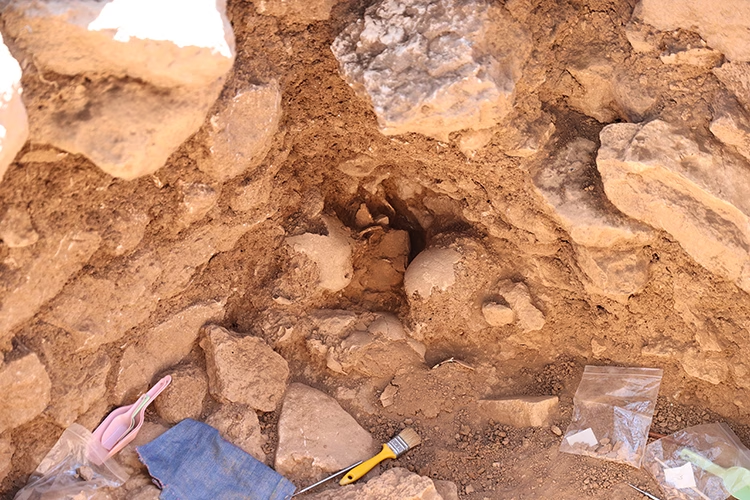
In southeastern Turkey, the prehistoric settlement of Sefertepe has yielded another major discovery: archaeologists have uncovered 12 human skulls estimated to be 10,500 years old. The find adds to growing evidence of ritual practices in the region during the earliest stages of settled life.
Located in Şanlıurfa Province, Sefertepe is one of several sites investigated under the Taş Tepeler (Stone Hills) Project, a large-scale initiative spearheaded by the Turkish Ministry of Culture and Tourism. Excavations led by Assoc. Prof. Dr. Emre Güldoğan from Istanbul University have revealed two separate chambers containing skull deposits, further confirming Sefertepe’s role as a ritual center in the Pre-Pottery Neolithic period.
Finds From Infants to Adults
Analysis of the skeletal remains, carried out by anthropologist Prof. Dr. Yılmaz Selim Erdal of Hacettepe University, shows a striking demographic diversity: the skulls belong to individuals ranging from infants only six months old to adults aged around 40 years.
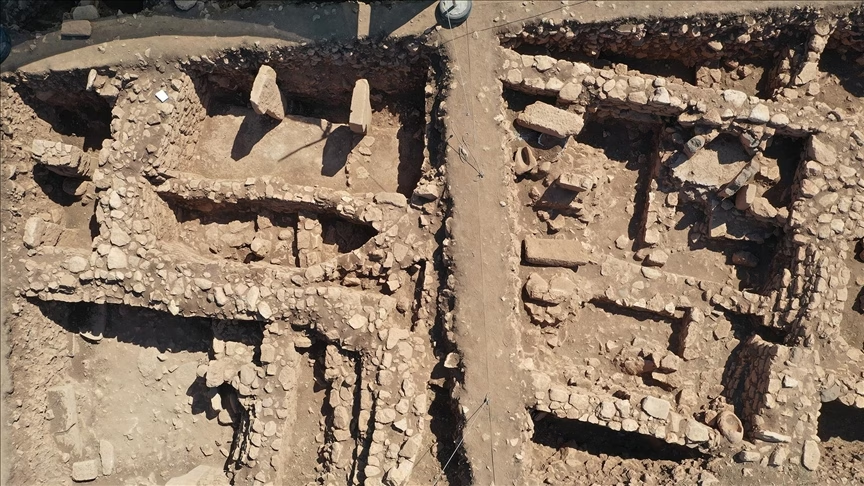
The discoveries build on a breakthrough made in 2024, when archaeologists uncovered what they dubbed a “skull room,” a unique chamber filled with human crania. That initial find brought the total number of documented skulls at Sefertepe to 31, and this season’s excavations have added 12 more, offering new opportunities to explore mortuary rituals and symbolic practices.
Ritual Architecture and Bedrock Carvings
Excavation teams have also mapped out architectural features that point to intentional ritual design. The chamber’s limestone floor had been carefully leveled, and circular pits carved directly into the bedrock appear to have played a role in ceremonial activity.
“Each season provides stronger evidence that Sefertepe was a significant ritual hub of the Neolithic world,” said Güldoğan. “We are combining excavation, restoration, and botanical studies to understand not just the human remains, but the entire cultural landscape.”
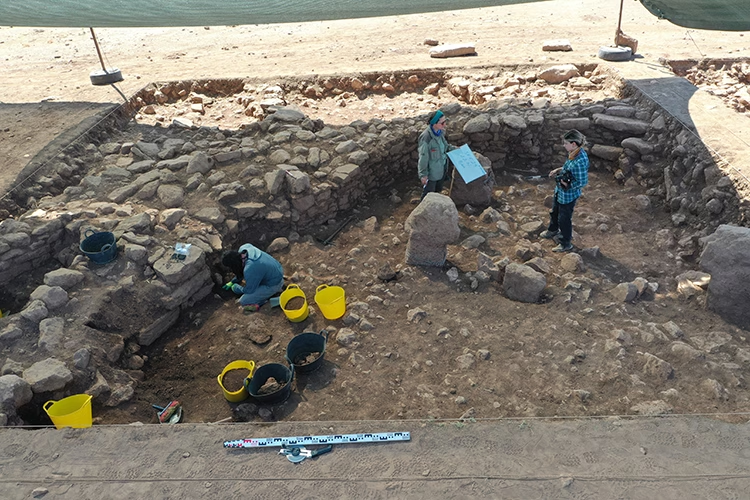
Restoration teams are reassembling broken T-shaped pillars and other stone artifacts discovered in earlier years, while botanical research is expanding knowledge of the region’s prehistoric environment.
Part of a Larger Archaeological Network
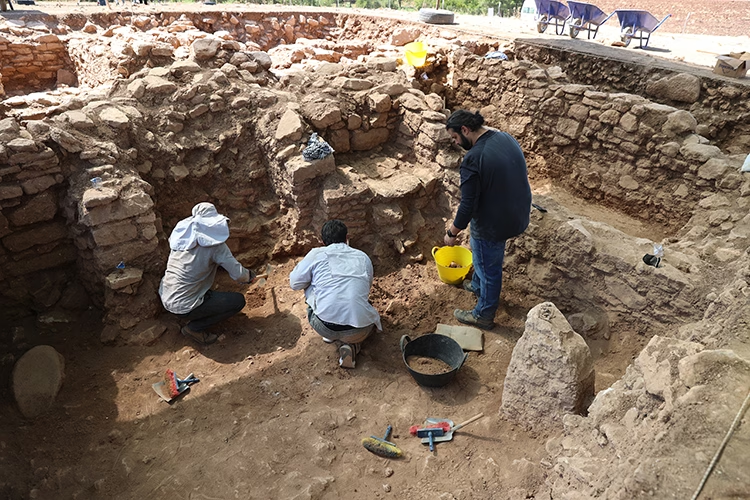
Sefertepe is part of a broader constellation of Neolithic sites in Şanlıurfa, with Göbekli Tepe as its most famous neighbor. Together, these sites are rewriting the story of humanity’s transition from mobile hunter-gatherer groups to settled communities with complex spiritual traditions.