-
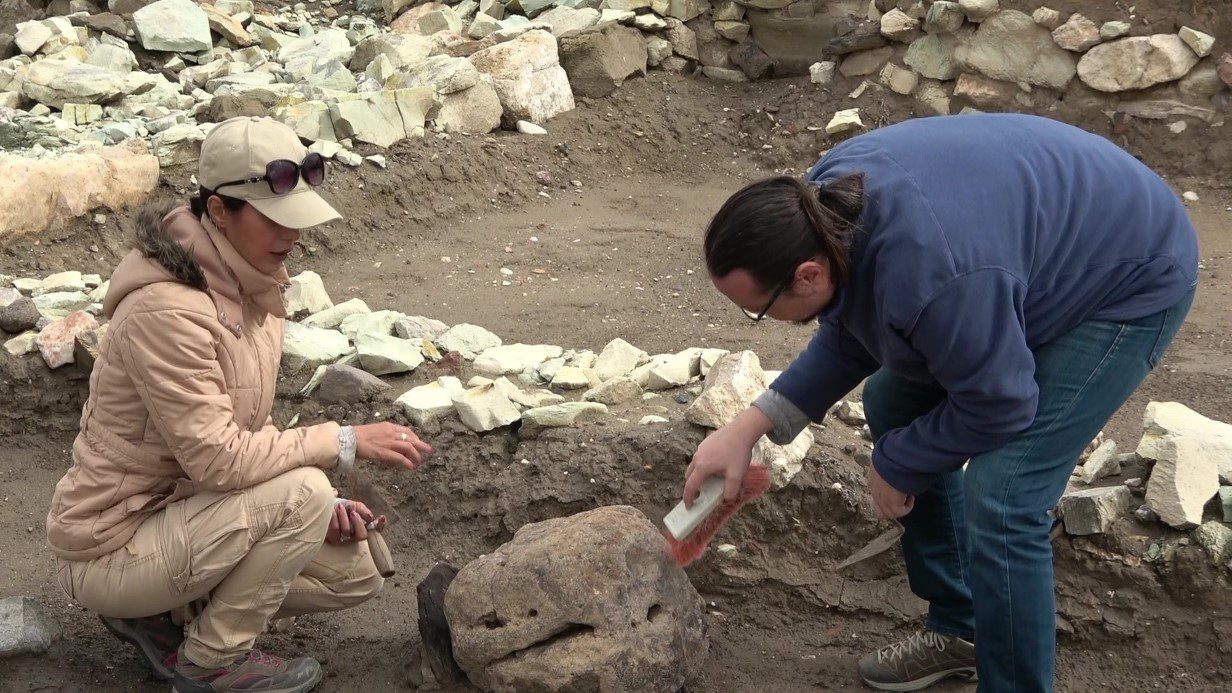
Possible Phoenician Infant Burials Discovered Deep in Anatolia Raise New Questions About Ancient Rituals
Archaeologists excavating the ancient mound of Oluz Höyük in central Anatolia have uncovered a group of infant and fetal burials that may point to Phoenician ritual practices far beyond their traditionally known Mediterranean heartland. Placed inside ceramic jars and carefully arranged within a sacred context, the burials are unprecedented in Anatolia and are now prompting…
-
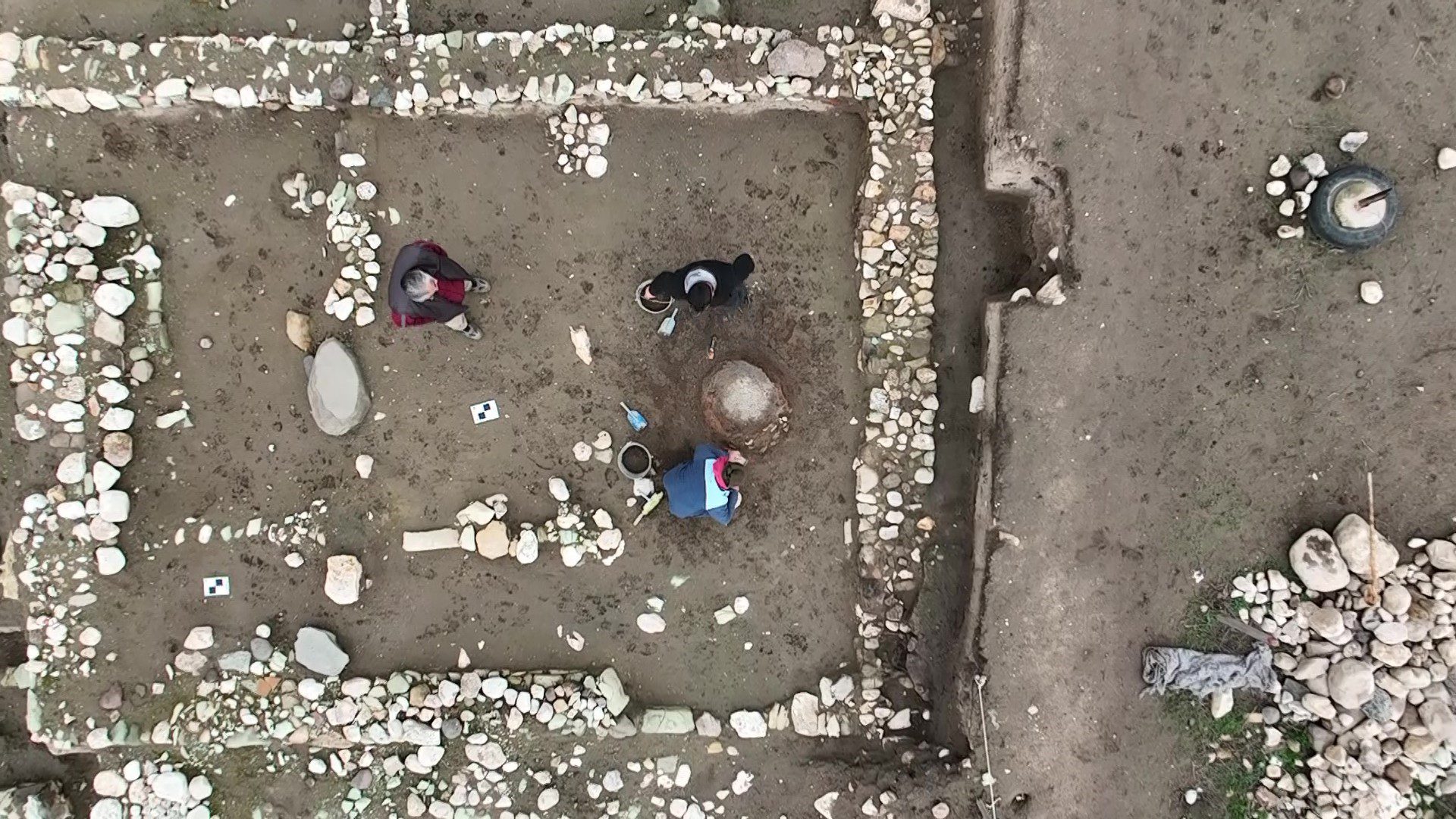
Turkish Archaeologists Unearth a 2,600-Year-Old Tandoor at Oluz Mound
Cut into the ground and built from fired clay, the oven uncovered at Oluz Mound does not immediately look ancient. Its shape, depth, and construction resemble the tandoors still used in many parts of Anatolia today. Yet archaeological evidence shows that this installation dates back 2,600 years, to a time when the region formed part…
-
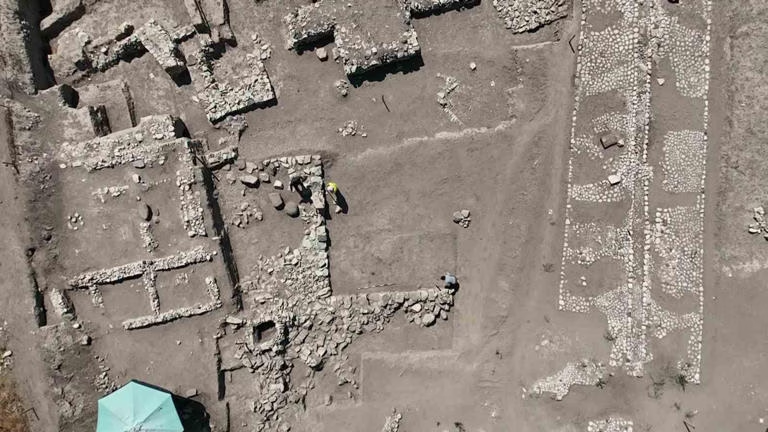
Unearthed Sanctuary in Amasya: A Forgotten Temple of Kubaba Carved from Volcanic Stone
Archaeologists in northern Turkey have revealed the remains of a sanctuary unlike any other known in Central Anatolia—a 2,600-year-old temple dedicated to the goddess Kubaba, constructed from volcanic tuff and hidden from the pages of ancient history. The site, Oluz Höyük, carries a human story stretching back 6,500 years. Yet its most astonishing revelation is…
-
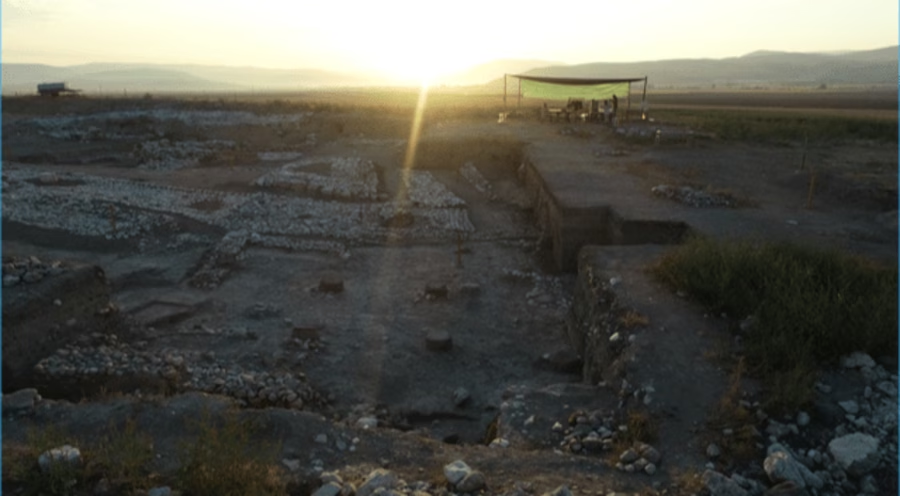
The First Temple of Monotheism in Anatolia? Traces of the Fire Temple and Havangah Prayer at Oluz Höyük
Located in northern central Turkey, approximately 25 kilometers west of the modern city of Amasya, Oluz Höyük has become one of the most thought-provoking archaeological sites in Anatolia. For over 15 years, ongoing excavations have revealed a settlement with ten stratified cultural layers—each containing sacred structures. But beyond its historical richness, Oluz Höyük may be…