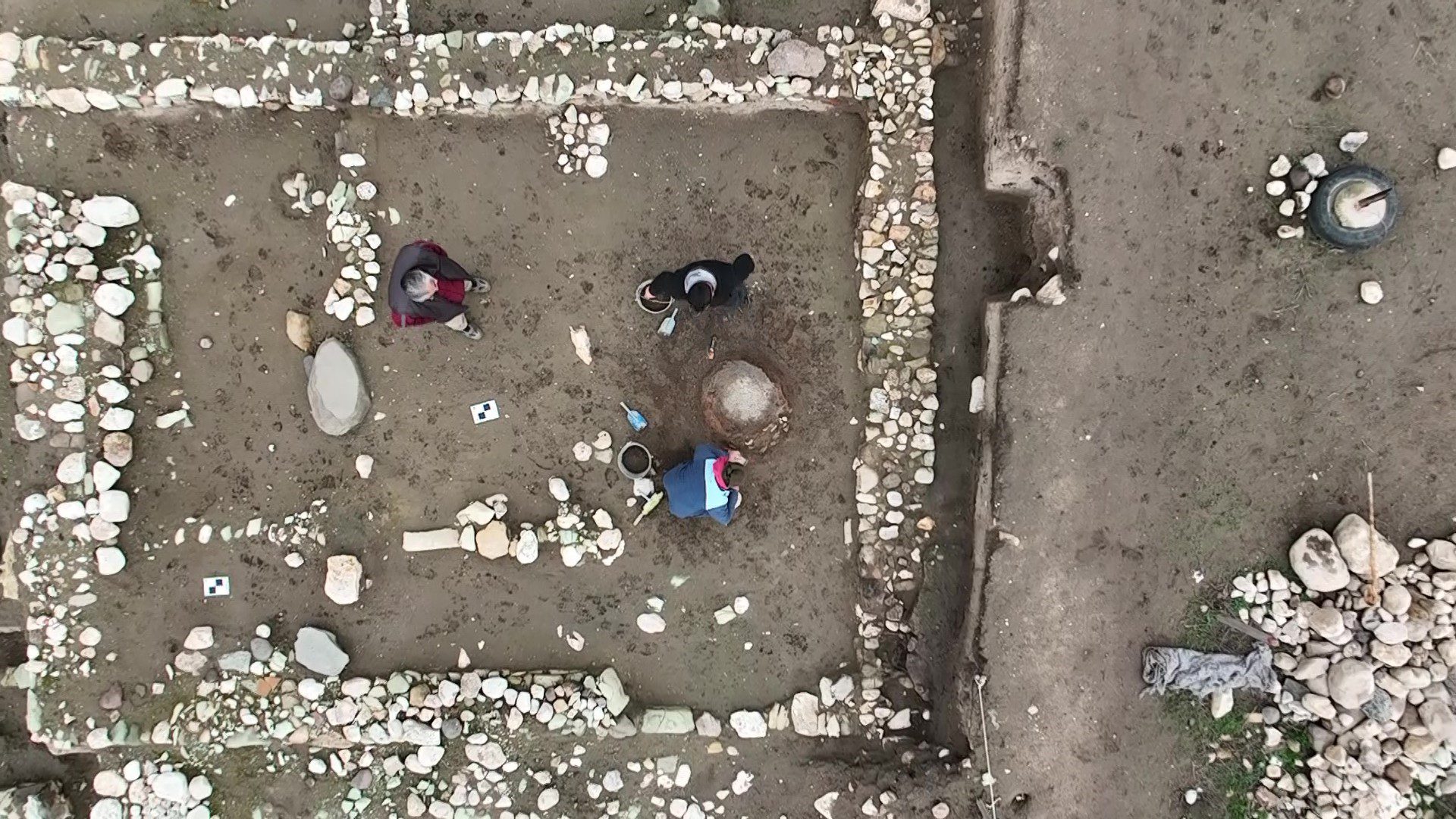
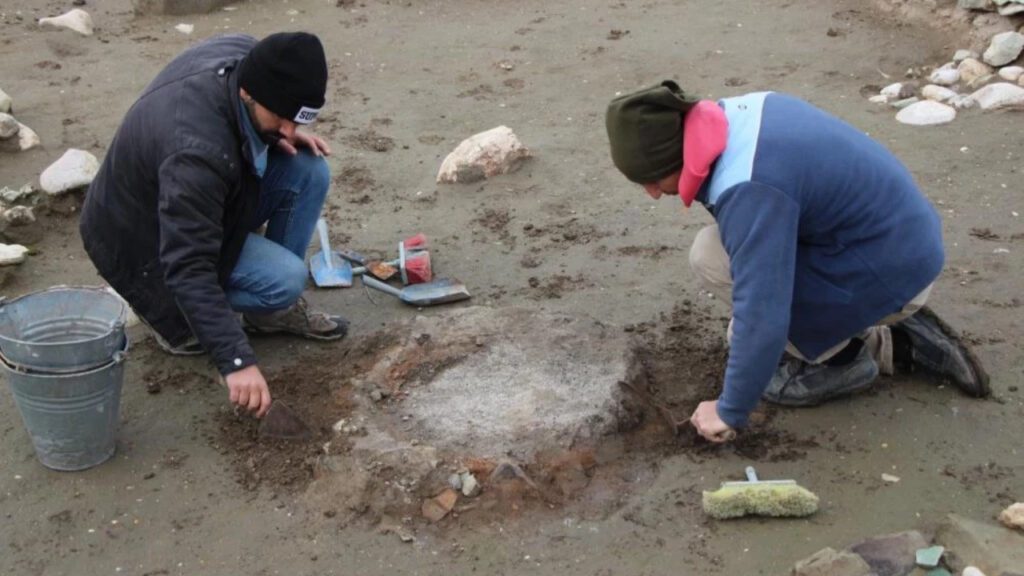
Cut into the ground and built from fired clay, the oven uncovered at Oluz Mound does not immediately look ancient. Its shape, depth, and construction resemble the tandoors still used in many parts of Anatolia today. Yet archaeological evidence shows that this installation dates back 2,600 years, to a time when the region formed part of the Achaemenid Persian world.
The discovery was made by Turkish archaeologists working at Oluz Mound, a long-occupied settlement near Amasya in northern Turkey. The tandoor was identified during the site’s latest excavation season and is attributed to the Persian period, around the sixth century BCE.
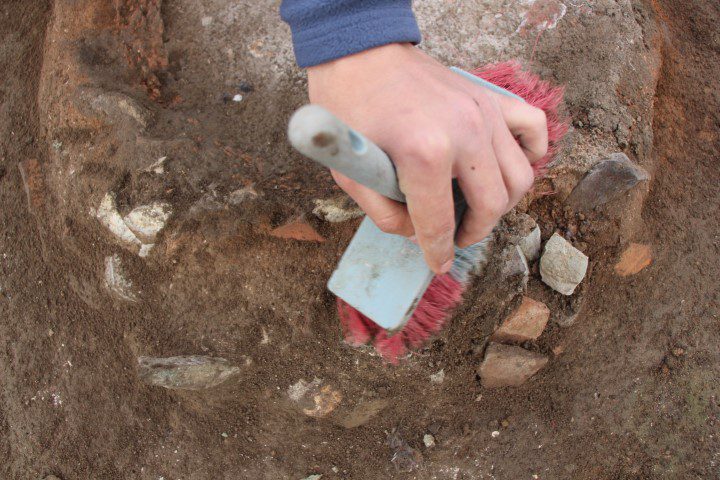
Excavation director Prof. Dr. Şevket Dönmez of Istanbul University confirmed that the oven was produced from baked clay and set below floor level, following a technique that has remained largely unchanged for centuries.
“When you look at this tandoor, you see a form that is still familiar across Anatolia,” Dönmez said. “Its importance lies in showing how deeply rooted these practices are.”
Oluz Mound as a Persian-Period Community
Oluz Mound is known for its long and complex occupational history, with layers spanning from the Late Bronze Age through the Persian and Hellenistic periods. During the sixth century BCE, the settlement lay within the political sphere of the Achaemenid Empire, which governed large parts of Anatolia through a system that combined imperial administration with local traditions.
Archaeological research suggests that Oluz Mound functioned as a structured settlement rather than a small rural outpost. Domestic spaces, storage areas, and official buildings indicate a community where daily life continued in familiar ways, even as political authority shifted under Persian rule.
The newly uncovered tandoor belongs to this domestic landscape, offering direct evidence of how households organized food preparation during the Persian period.
A Kitchen Frozen in Time
The oven was not an isolated feature. Archaeologists found it positioned opposite a stone work surface interpreted as a preparation bench. Such benches were commonly used for kneading dough or processing grain, suggesting that the area formed part of a functional kitchen zone.
This spatial arrangement mirrors cooking practices documented across Anatolia since the Neolithic period. Oven-based food preparation, particularly for bread and grain dishes, appears to have been a stable element of Anatolian life for thousands of years. The Oluz Mound tandoor demonstrates that these traditions persisted without interruption, even within the framework of an imperial system.
Earlier discoveries at the site support this interpretation. In a Persian-period palace kitchen excavated in previous seasons, researchers identified a clay pot containing cereal grains and animal bone fragments. Scientific analysis indicated that the vessel had likely been used to prepare keşkek, a traditional grain-and-meat dish still widely consumed in Anatolia today. Archaeologists believe such meals were cooked in tandoors similar to the one recently unearthed.
Beyond Architecture: Cultural Continuity
Unlike monumental buildings or royal inscriptions, the Oluz Mound tandoor speaks to a quieter dimension of the past. It reflects continuity rather than transformation, showing how domestic knowledge and everyday practices were transmitted across generations.
For researchers, the oven provides tangible proof that Anatolia’s culinary traditions are not simply modern survivals, but part of a long cultural sequence extending back to antiquity. Even under Persian rule, local foodways remained resilient, embedded in daily routines that outlasted political change.
As excavations continue, Oluz Mound is increasingly recognized as a key site for understanding life in Persian-period Anatolia—not through elite narratives, but through the enduring material traces of ordinary households.