-
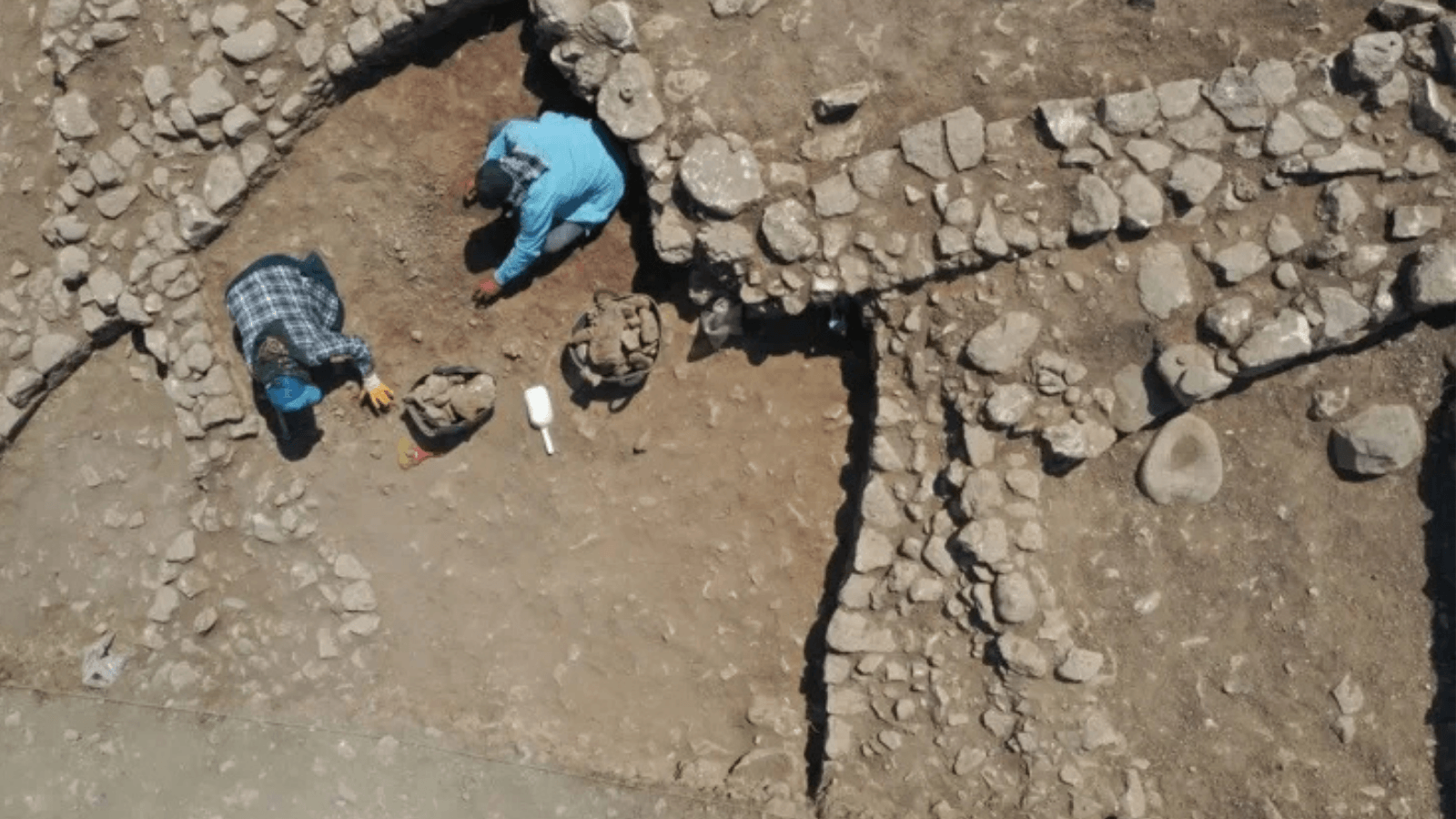
Beyond Göbekli Tepe’s Giant Pillars, Archaeologists May Have Found 10,000-Year-Old Homes
Göbekli Tepe is known around the world for its giant T-shaped pillars and monumental buildings. But new excavations may have uncovered 10,000-year-old homes, offering a very different glimpse into the lives of the people who lived among its famous monuments. New excavations in a previously unexplored part of the Neolithic settlement in southeastern Türkiye have…
-
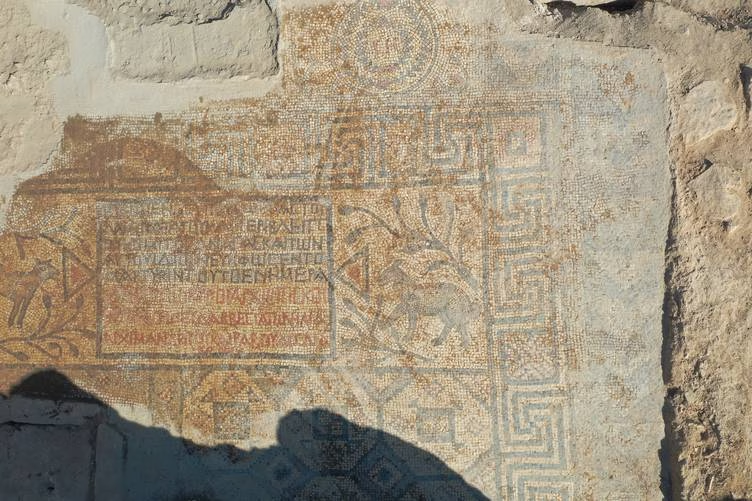
1,500-Year-Old Greek Mosaic Discovered Beneath Urfa Castle Reveals Names of Early Byzantine Clergy
In the shadow of Urfa Castle, overlooking the sacred pools of Balıklıgöl in southeastern Türkiye, archaeologists have uncovered a 1,500-year-old mosaic floor bearing a Greek inscription and intricate ornamental designs. The find, dating to the late 5th century CE, sheds new light on the religious landscape of ancient Edessa—one of the earliest centers of Christianity…
-
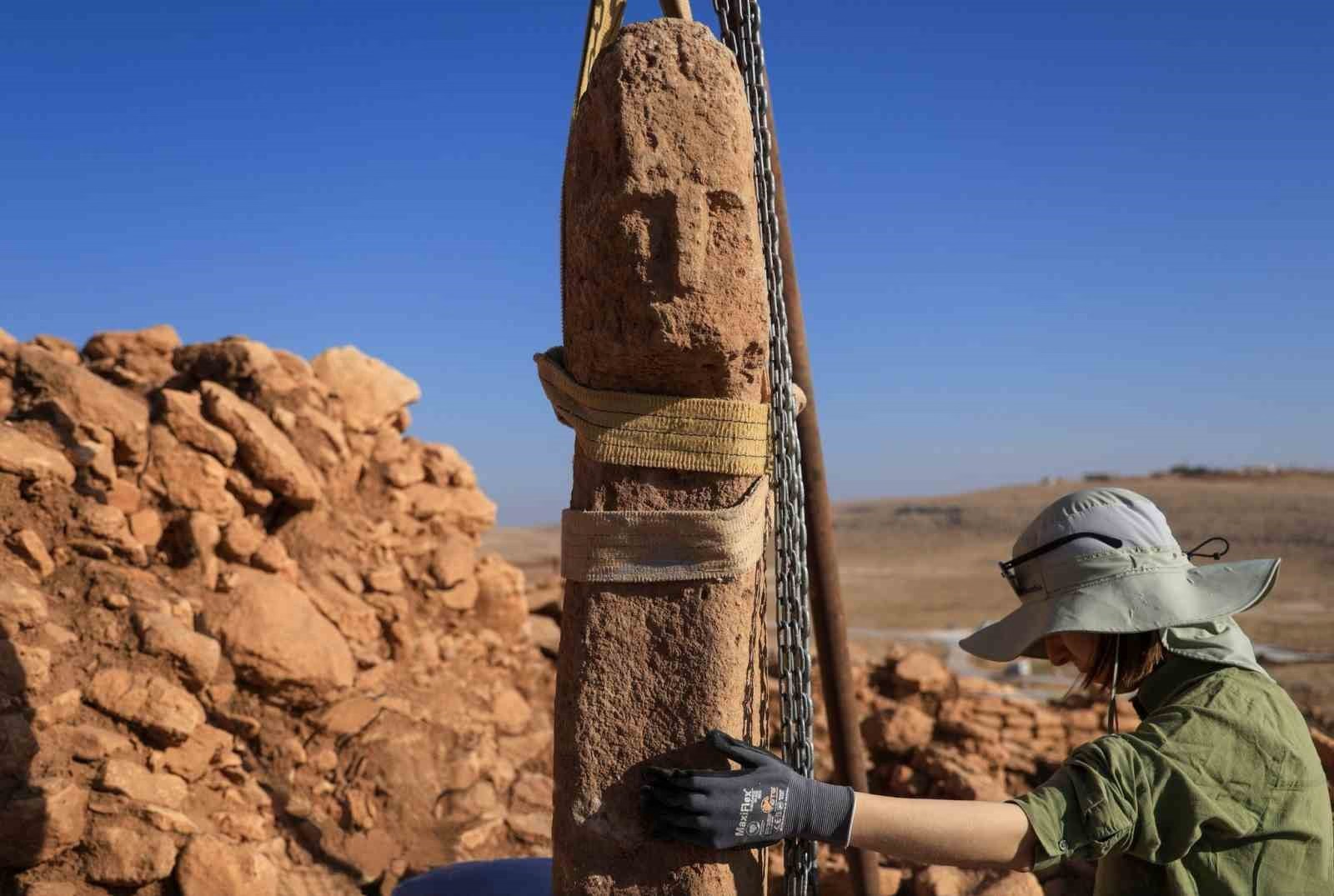
A New Chapter in Prehistory: First Human-Faced T-Shaped Pillar Unearthed at Karahantepe
Archaeologists working at Karahantepe, one of Türkiye’s oldest Neolithic sites, have uncovered a T-shaped stone pillar bearing a carved human face — a discovery hailed as a first in human history. The announcement was made by Minister of Culture and Tourism Mehmet Nuri Ersoy, who shared the news on his official X (Twitter) account, writing:…
-
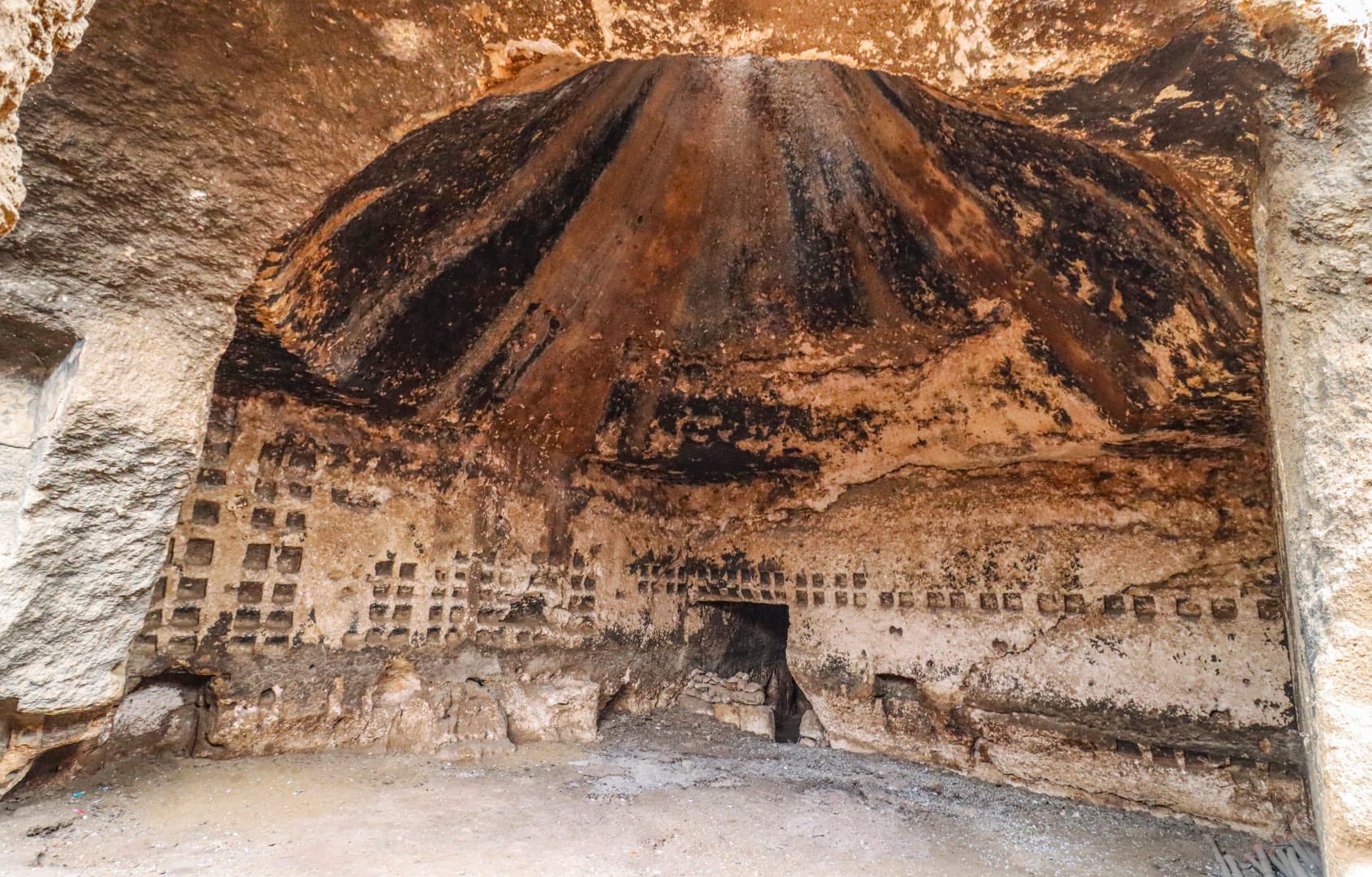
Rare Roman-Era Columbariums Discovered in Şanlıurfa
Şanlıurfa, located in southeastern Turkey, continues to host new discoveries every day with its thousands of years of historical and cultural richness. Şanlıurfa is home to significant archaeological sites such as Göbekli Tepe and Karahantepe, which are described as the “zero point of history.” Within the scope of the Cultural Inventory Project, rare Roman-era columbariums…
-

Journey 12,000 Years Back: Göbekli Tepe’s Neolithic World Revived Through Animation
Embark on an extraordinary journey through time to witness the 12,000-year-old history of Göbekli Tepe. This unique experience, brought to life through captivating animation, offers visitors an unforgettable glimpse into the enigmatic world of the Neolithic era. Göbekli Tepe, located near Örencik village in the Haliliye district of Şanlıurfa, southeastern Turkey, stands as the oldest…
-
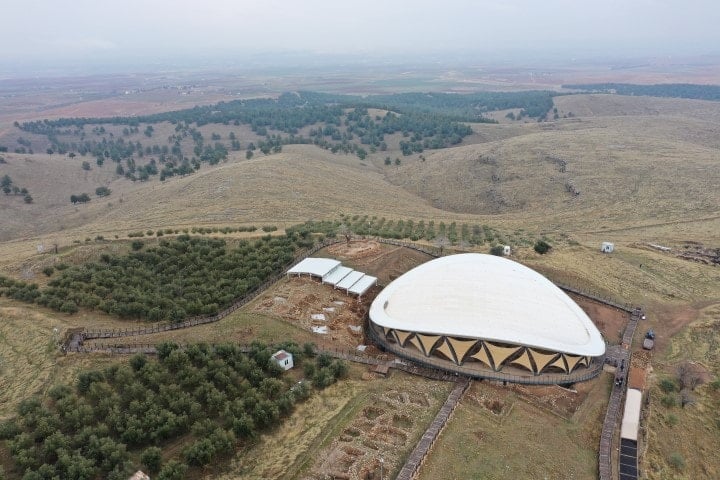
Why Olive Trees at Göbekli Tepe Are Being Relocated?
Göbekli Tepe is an important archaeological site listed as a UNESCO World Heritage Site, known as the “zero point of history.” The olive trees located here are being relocated to another area to allow for the expansion of the excavation site and to prevent damage to the historical remains. The excavation director, Prof. Dr. Necmi…