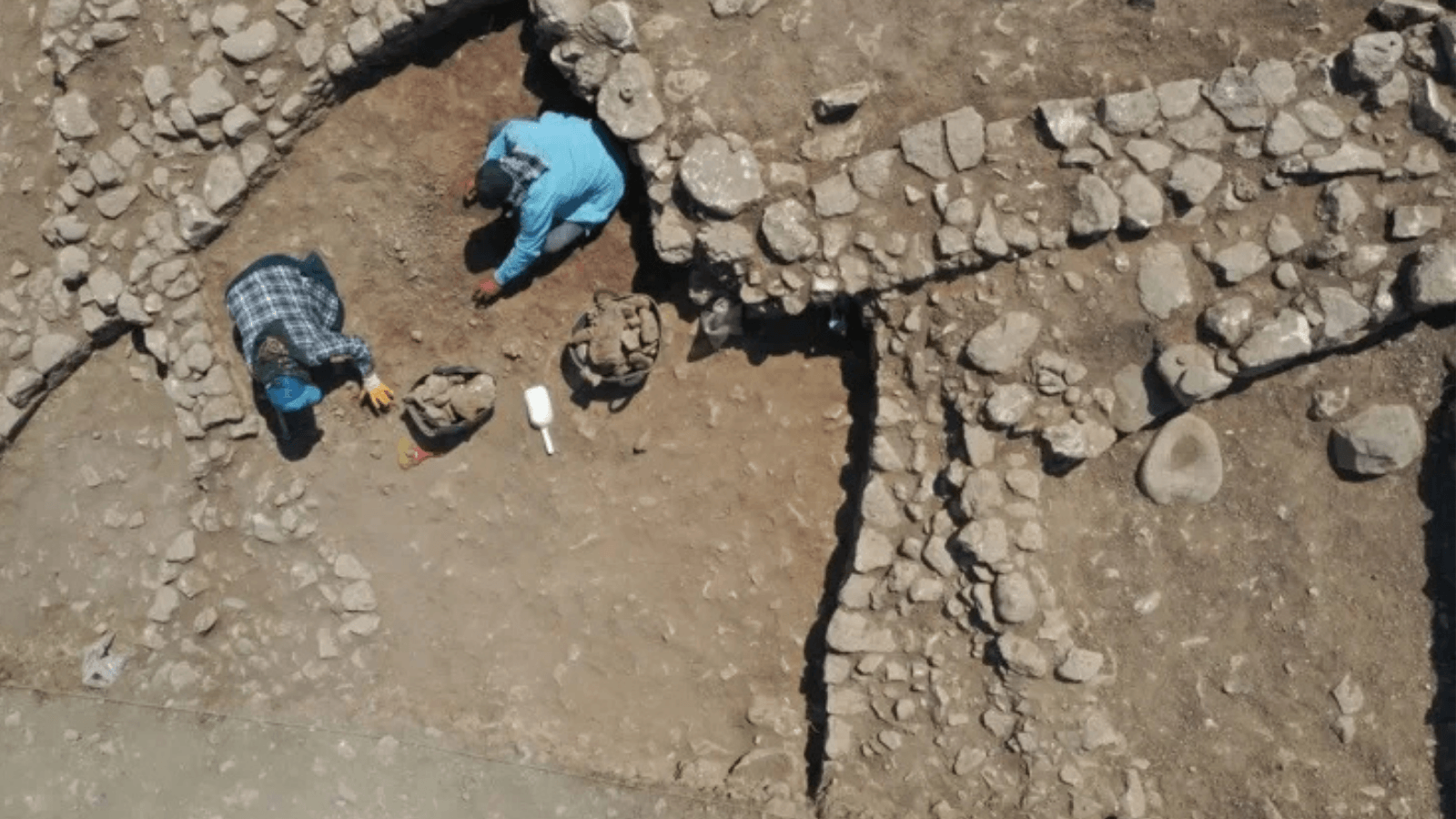
Göbekli Tepe is known around the world for its giant T-shaped pillars and monumental buildings. But new excavations may have uncovered 10,000-year-old homes, offering a very different glimpse into the lives of the people who lived among its famous monuments.
New excavations in a previously unexplored part of the Neolithic settlement in southeastern Türkiye have exposed rectangular buildings dating to the 9th millennium BCE. Their internal layout has led the excavation team to a preliminary interpretation: some may have been homes.
If confirmed, the structures would add new evidence for domestic life at Göbekli Tepe, extending it into a section of the mound that had never before been excavated.
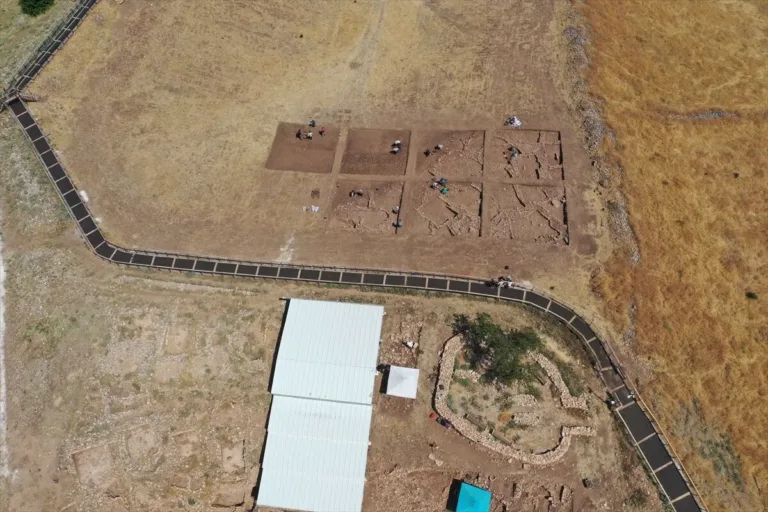
The discovery comes from a new excavation zone north of the site’s better-known monumental areas, where researchers had already detected buried architecture through geophysical surveys. Those earlier signals are now resolving into actual walls, floors and building plans as excavation progresses.
Archaeologists suspected something was beneath the soil
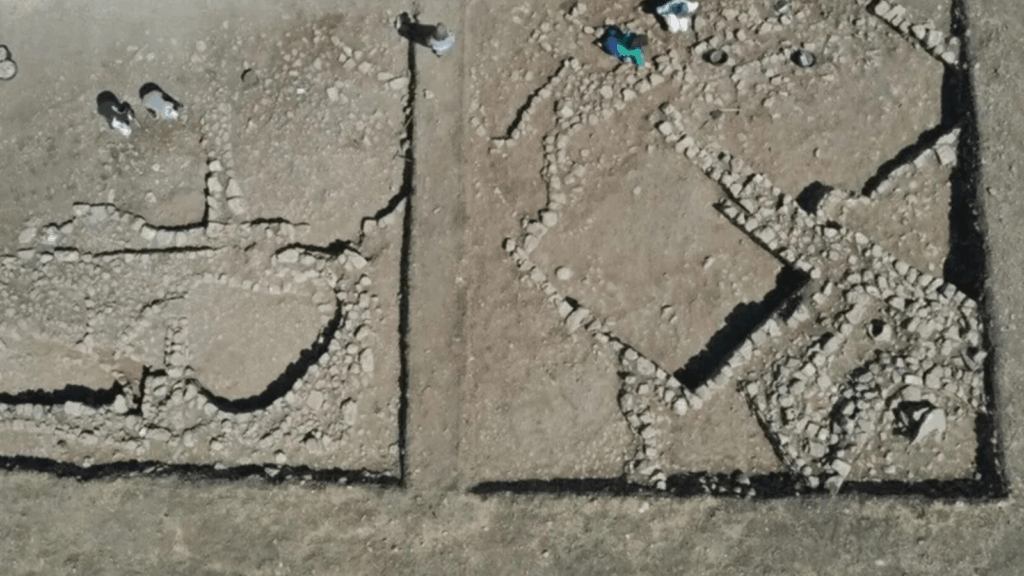
The excavation team is working across an area of roughly 1,500 square meters.
According to excavation director Prof. Dr. Necmi Karul, rectangular structures appeared surprisingly close to the surface as archaeologists began opening the new sector.
The buildings belong to a later stage in Göbekli Tepe’s long Neolithic occupation, when rectangular architecture became increasingly common and monumental standing stones were used less frequently inside individual structures.
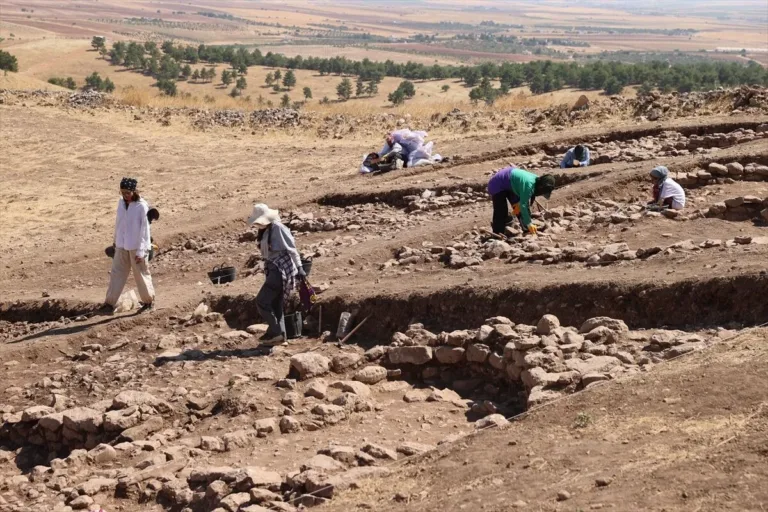
Erosion has removed much of the upper masonry over thousands of years, but surviving walls and floor levels may still preserve evidence of how the buildings were actually used.
Their internal organization currently points toward a possible residential function, Karul said, although the interpretation remains preliminary.
Researchers are collecting soil and sediment samples from the floors and will examine them for microscopic remains and other traces of activity that could help distinguish a living space from a building used for communal, storage or other purposes.
A different side of Göbekli Tepe
The possibility of houses at Göbekli Tepe is important, but not because archaeologists are discovering domestic life there for the first time.
Earlier excavations have already complicated the once-popular image of Göbekli Tepe as an isolated ceremonial center visited only for rituals or large gatherings.
Smaller rectangular buildings have been uncovered alongside monumental structures, while grinding stones, mortars, pestles and evidence of plant processing point to activities associated with everyday life.
The new discovery extends that picture into another part of the settlement and may help clarify how domestic and communal activities were distributed across the site.
Göbekli Tepe’s monumental buildings preserve evidence of collective action on an extraordinary scale. Some of its T-shaped limestone pillars stand several meters high and are decorated with reliefs of snakes, foxes, wild boar, birds and other animals.
The floors of smaller buildings can preserve a very different archaeological record, including food remains, microscopic plant traces, tools, residues and patterns left by repeated activity. Together, these traces can help researchers reconstruct how people occupied a space from day to day.
The newly exposed buildings could therefore provide clues about life at Göbekli Tepe that its spectacular monuments alone cannot reveal.
From monumental center to lived-in settlement
Göbekli Tepe was built during one of the most consequential periods in human prehistory, as communities in Southwest Asia were experimenting with increasingly settled ways of life and eventually moving toward agriculture. Other Neolithic settlements in the wider region also date to the same period as Göbekli Tepe.
For years, the scale of its monumental architecture dominated interpretations of the site. The emerging evidence now points to a more complicated landscape in which large communal buildings and spaces associated with ordinary activities existed within the same settlement.
The northern excavations could help researchers understand how those different spaces were arranged — whether houses were grouped together, whether domestic buildings stood immediately beside communal structures, or whether particular sections of Göbekli Tepe were reserved for different activities.
Geophysical surveys indicate that additional architecture remains underground beyond the structures currently being excavated, including larger buildings that have yet to be exposed. The rectangular structures visible today may therefore represent only one part of a much broader architectural zone.
For a site that has spent decades drawing attention upward toward its giant stone pillars, some of the most useful evidence may now lie much closer to the ground.
The floors emerging beneath the soil could reveal how people lived alongside the monuments of Göbekli Tepe more than 10,000 years ago.
Cover Image: Archaeologists excavate one of the newly exposed rectangular buildings at Göbekli Tepe, where the structures may have served as homes during the 9th millennium BCE. Credit: AA.