-
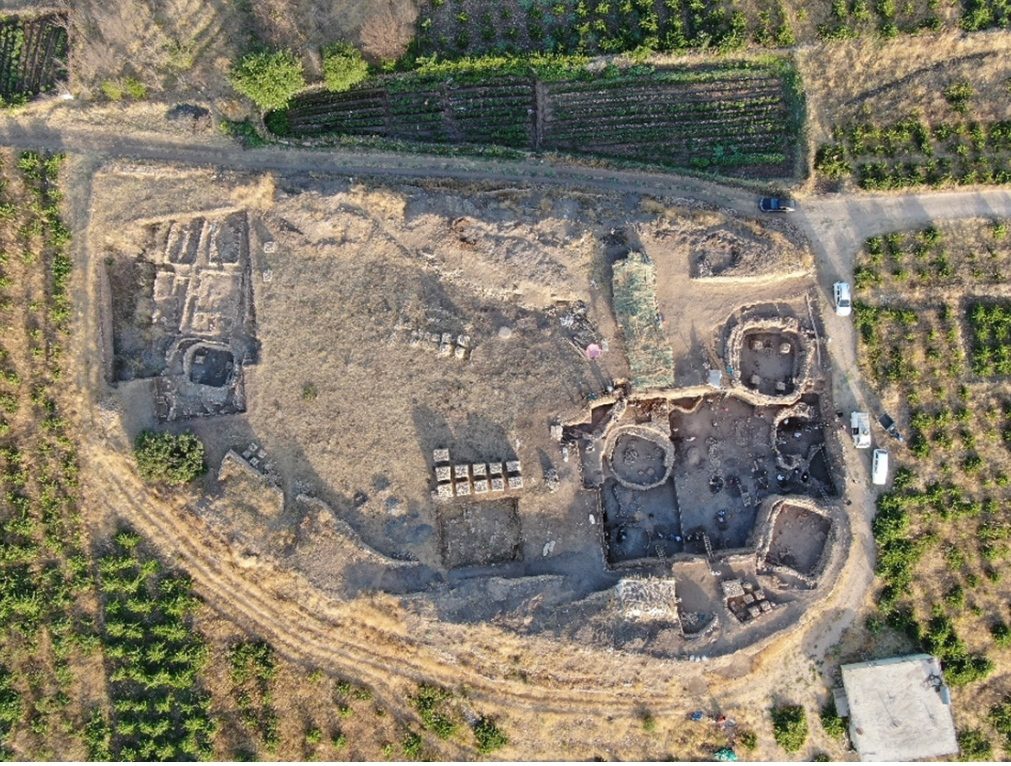
According to archaeologists, finds from the Gre Fılla Mound show the region was contemporary with Göbeklitepe
Archaeological research at the Gre Fılla Mound in southeastern Türkiye indicates that the site belongs to the same broad cultural horizon as Göbeklitepe, placing the region firmly within the Pre-Pottery Neolithic period. The available material evidence suggests that Gre Fılla was part of a wider network of early sedentary communities, active approximately 11,000 to 12,000…
-
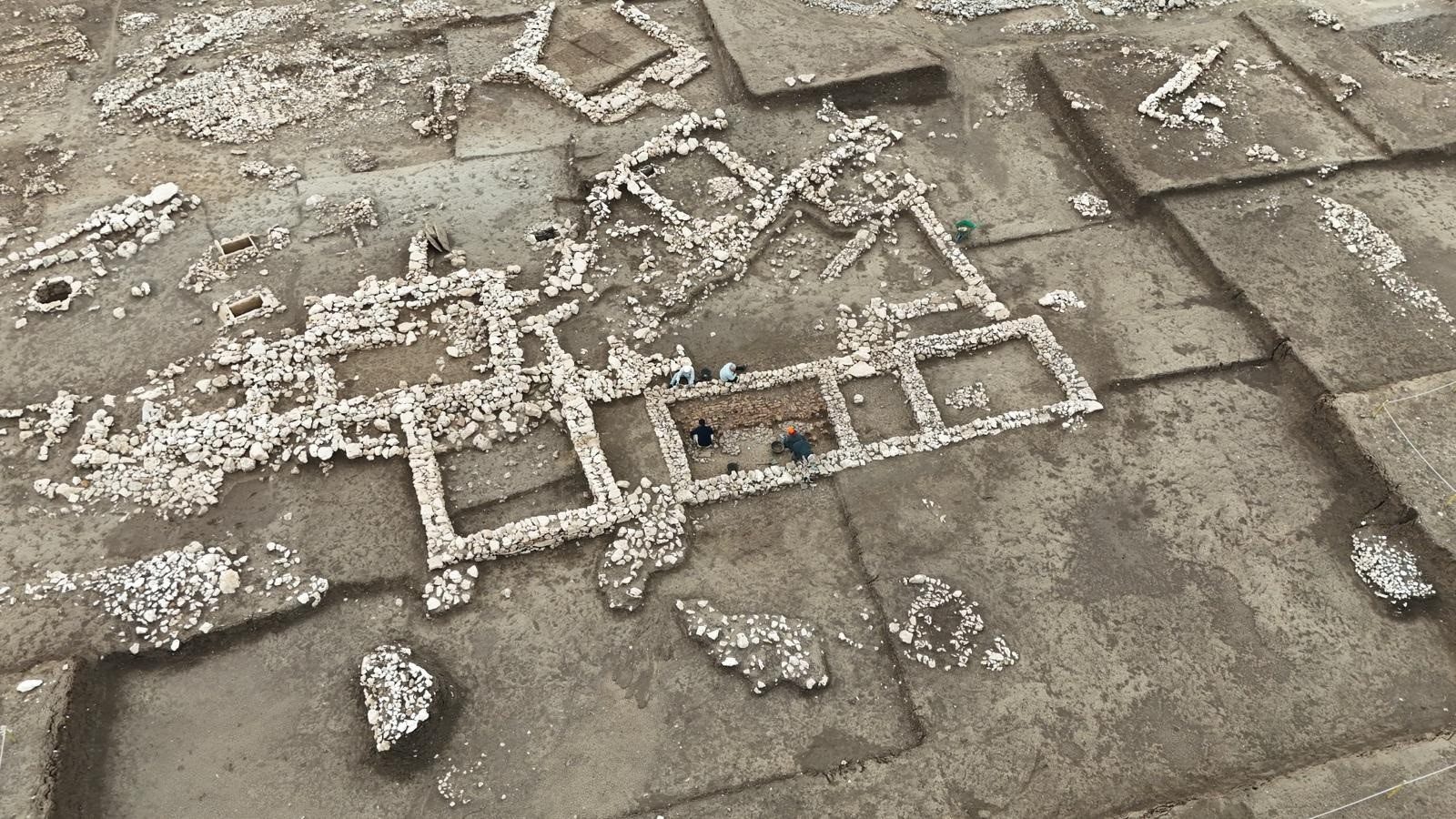
Traces of a 5,000-year-old earthquake have been uncovered beneath Çayönü, one of the oldest agricultural settlements in southeastern Turkey
Beneath the rolling plains of southeastern Turkey, archaeologists have uncovered traces of a devastating earthquake that struck some 5,000 years ago, toppling a rectangular mudbrick structure at Çayönü, one of the earliest agricultural communities in human history. The discovery offers rare evidence of prehistoric seismic activity in the heart of ancient Upper Mesopotamia — and…
-
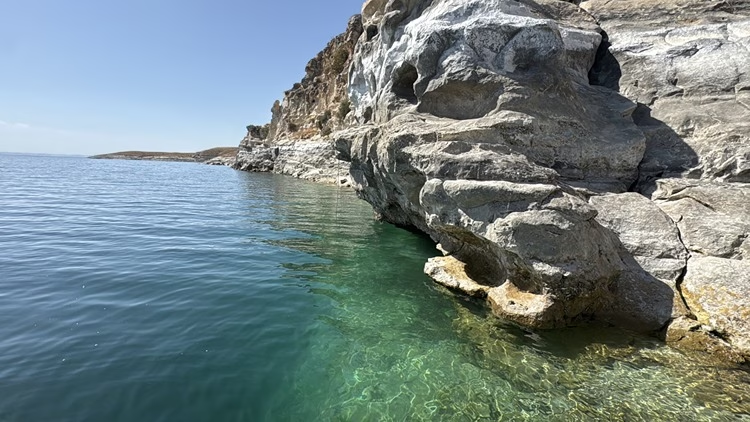
12,000-Year-Old Rock Engravings Discovered Beneath Türkiye’s Atatürk Dam Reveal One of the Oldest Hunting Scenes in the Euphrates Basin
Underwater Paleolithic panel shows humans and animals carved into an 8-meter rock surface Beneath the deep waters of Türkiye’s Atatürk Dam, archaeologists have rediscovered a series of Paleolithic rock engravings estimated to be at least 12,000 years old — an extraordinary survival from the dawn of symbolic human art in the Euphrates Basin. The site,…
-
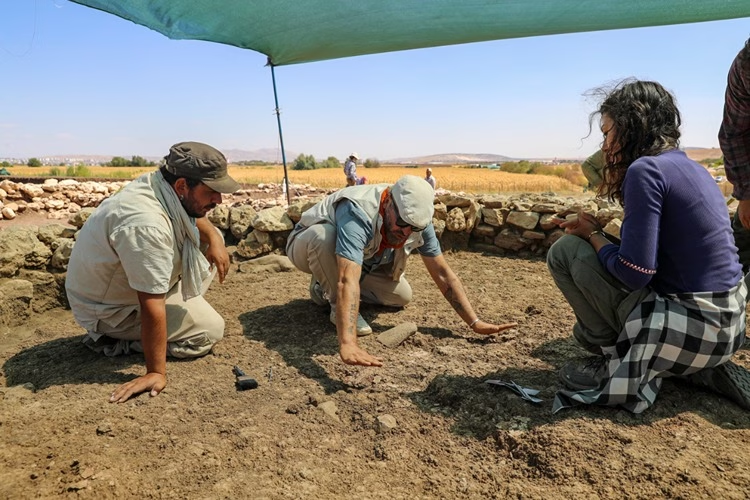
9,500-Year-Old “Red-Floored Public Building” Unearthed at Çayönü Tepesi in Turkey
Archaeologists have uncovered a 9,500-year-old public building with a striking red-painted floor at Çayönü Tepesi, one of the world’s most significant Neolithic settlements, located in Ergani, Diyarbakır, southeastern Turkey. The discovery offers a rare glimpse into the social life of early farming communities at the dawn of settled life. Excavations at Çayönü, first launched in…