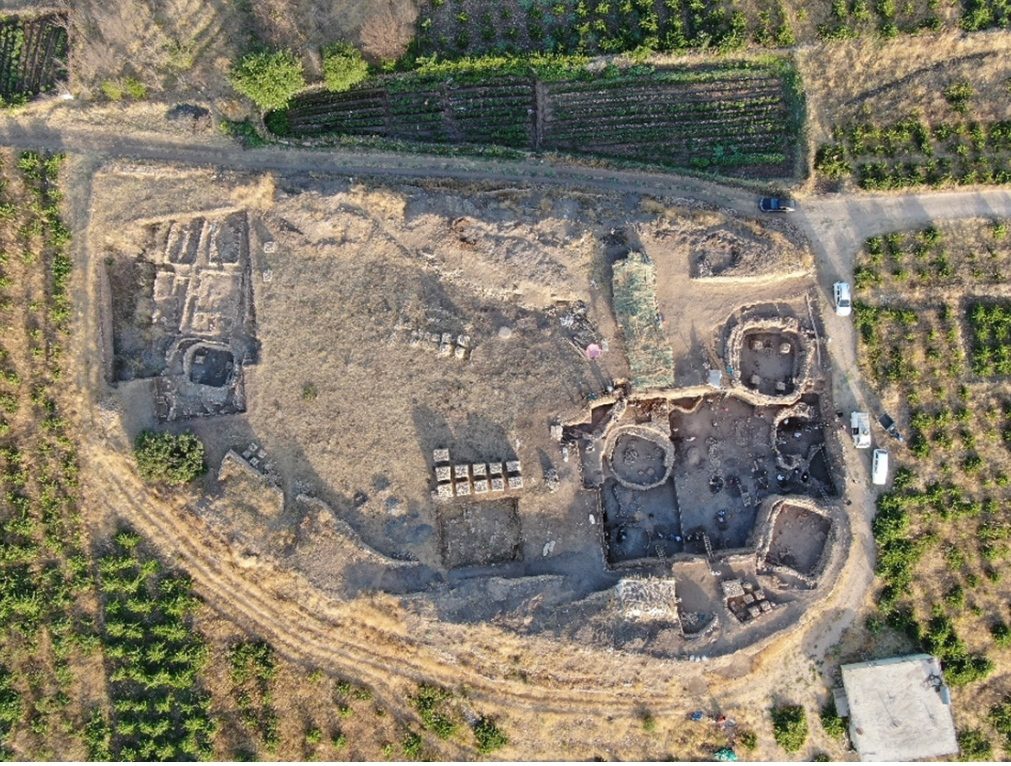
Archaeological research at the Gre Fılla Mound in southeastern Türkiye indicates that the site belongs to the same broad cultural horizon as Göbeklitepe, placing the region firmly within the Pre-Pottery Neolithic period. The available material evidence suggests that Gre Fılla was part of a wider network of early sedentary communities, active approximately 11,000 to 12,000 years ago.
Excavations carried out over multiple seasons have revealed traces of some of the earliest settled groups in Upper Mesopotamia. Architectural remains, stone tools, and spatial organization patterns point to a community that combined everyday domestic life with shared social practices. In this respect, the archaeological picture emerging from Gre Fılla closely aligns with what is known from other early Neolithic sites across southeastern Anatolia.
Early settlement and architectural development
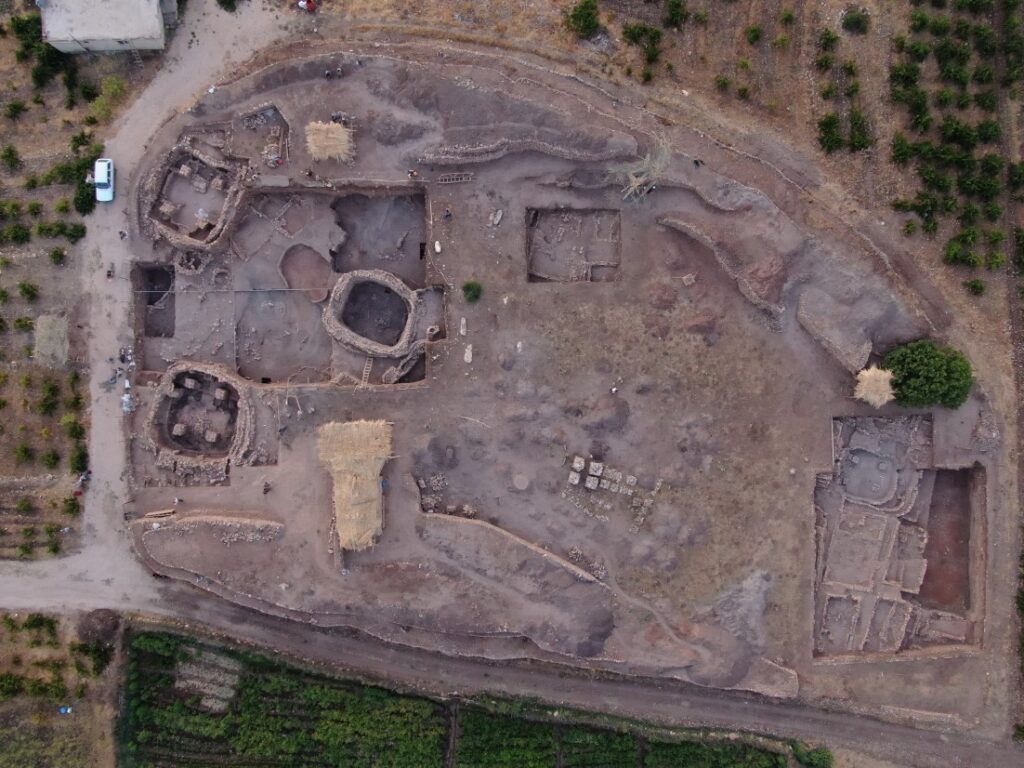
The earliest occupation phase at Gre Fılla dates to the Pre-Pottery Neolithic, a period marked by the emergence of permanent settlements and new forms of social organization. Archaeological layers indicate that initial habitation relied on circular or near-circular structures, commonly interpreted as early forms of built shelters.
In later phases, architectural layouts became more compact and standardized, suggesting a shift in community structure and spatial planning. Evidence also indicates that during the Early Neolithic, settlement activity expanded toward nearby locations such as Ambar Höyük and Kendale Hecala. This pattern supports the interpretation of Gre Fılla as part of a regional settlement system, rather than an isolated site.
Communal structures and ritual behavior

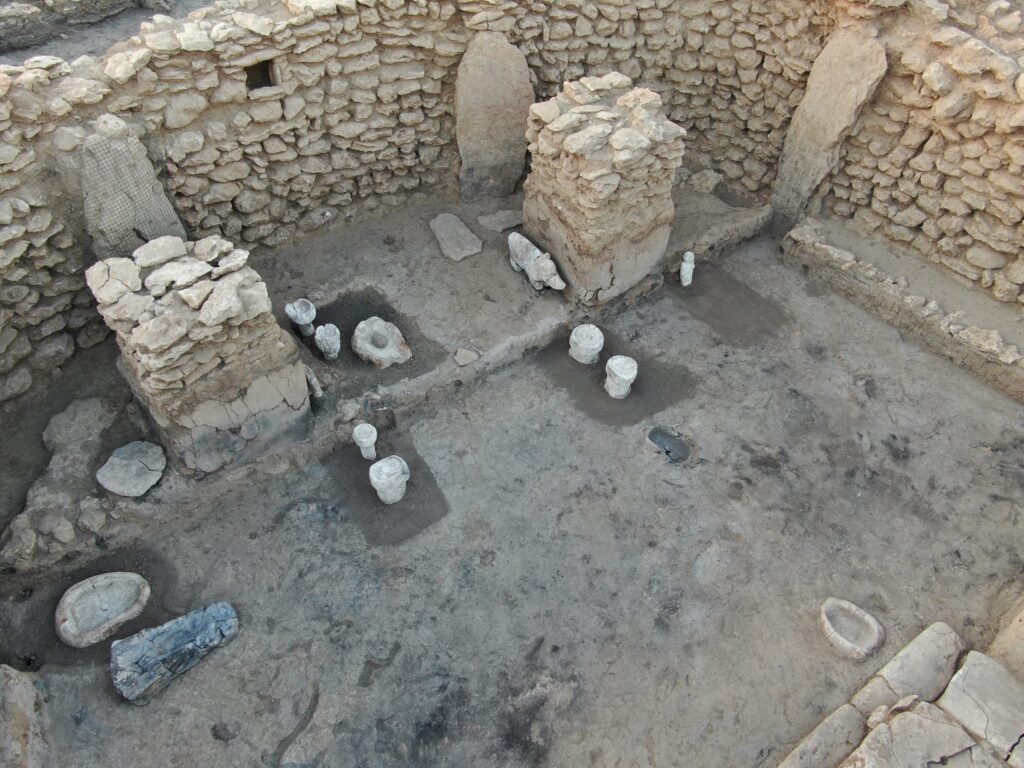
One of the most significant aspects of the Gre Fılla excavations is the identification of large pit-based structures, each measuring close to ten meters in diameter. In at least one of these buildings, upright stone elements were documented—features that are structurally and symbolically comparable to those known from Göbeklitepe.
Stratigraphic data and architectural characteristics indicate that these structures were in use during the same general timeframe. Archaeologists interpret these spaces as special-purpose communal buildings, where social interaction and ritual activity likely overlapped. Importantly, researchers remain cautious about labeling them as temples; instead, they are described as distinct communal structures, clearly set apart from ordinary domestic architecture.
Material culture and regional significance
More than 2,600 artifacts have been recovered from Gre Fılla to date, including stone tools, grinding implements, and architectural elements associated with communal use. All materials have been carefully documented and transferred to the Diyarbakır Museum, ensuring both preservation and continued scholarly access.
Taken together, the evidence from the Gre Fılla Mound reinforces the view that Göbeklitepe was not an isolated phenomenon. Rather, it formed part of a wider Pre-Pottery Neolithic landscape, in which multiple communities shared architectural ideas, symbolic practices, and social traditions. Within this broader picture, Gre Fılla now stands as a key reference point for understanding how early Neolithic life developed across southeastern Anatolia.