
For decades, the disappearance of the Neanderthals has been told as a story of cold winds and new rivals.
Around 40,000 years ago, Homo neanderthalensis faded from Eurasia. The explanations are familiar: abrupt climate swings, shrinking habitats, and the steady expansion of Homo sapiens. Yet a new study published in the Journal of Reproductive Immunology suggests that part of the answer may have unfolded not in caves or hunting grounds — but in pregnancy.
The proposal is disarmingly simple. What if Neanderthal populations were quietly destabilized by higher rates of life-threatening pregnancy complications?
It is not a claim of dramatic catastrophe. It is a theory of slow erosion.
A Demographic Weak Point
Small populations are fragile. Lose too many individuals of reproductive age, and recovery becomes mathematically difficult.
Neanderthals did not live in vast continental networks. Genetic evidence shows they existed in relatively small, often isolated groups with low genetic diversity. In such settings, even modest increases in maternal mortality could have long-term consequences.
Researchers modeled how elevated pregnancy-related deaths might affect small prehistoric populations. The results were stark: repeated reproductive losses, spread across generations, can gradually tip a population from stability into decline — even without warfare or famine.
Extinction, in this view, does not require a single dramatic blow.
The Biological Cost of Big Brains
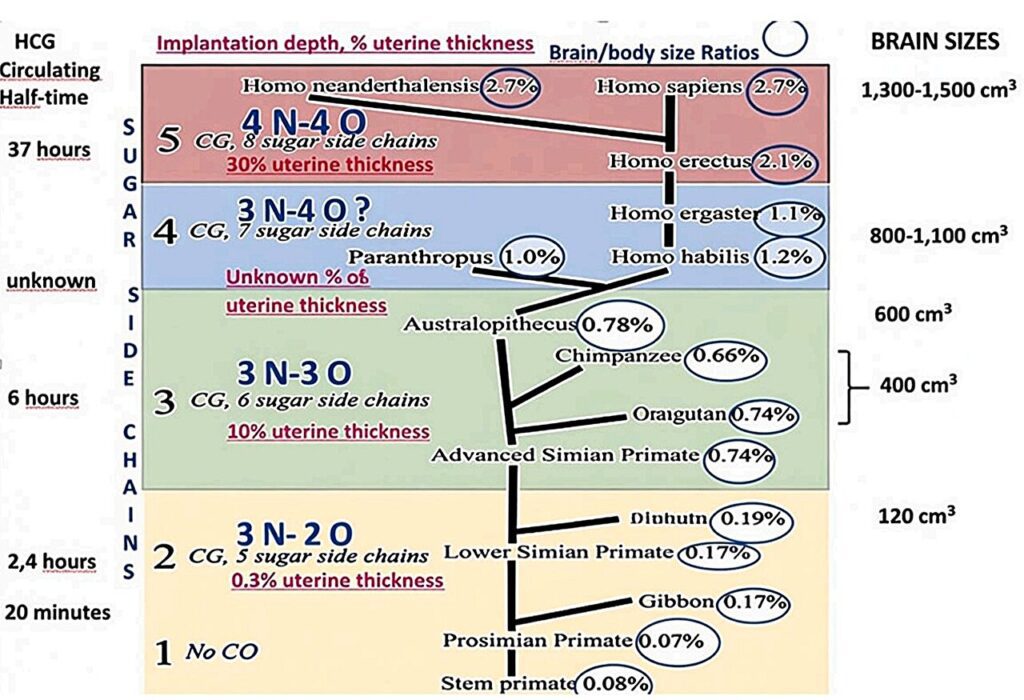
Neanderthals shared one defining trait with modern humans: large brains. In fact, their cranial capacity was comparable to — and sometimes exceeded — that of Homo sapiens.
Large brains are metabolically expensive. During late pregnancy, the fetus demands significant energy and oxygen. To supply this, the placenta must embed deeply into the uterine wall and transform maternal blood vessels.
When this process is incomplete, blood flow becomes restricted. In modern humans, placental stress can release inflammatory signals into the mother’s bloodstream. This cascade may trigger preeclampsia — marked by high blood pressure — and, in severe cases, eclampsia, involving seizures that can be fatal.
Today, medicine manages these risks. In Ice Age Europe, they would have been deadly.
A Missing Protective Buffer?
Modern obstetric data reveal something intriguing: not all poorly developed placentas lead to hypertensive crises. In many cases, the maternal immune system appears to dampen inflammatory signals. The baby may be born smaller, but the mother avoids dangerous blood pressure spikes.
The new study suggests Neanderthals may not have possessed this protective mechanism to the same extent — or that it functioned less effectively.
Why might that be?
Genetics offers a clue.
Signals from Ancient DNA
By comparing sequenced Neanderthal genomes with modern clinical data, researchers identified gene variants linked to immune regulation and blood pressure control during pregnancy.
Low genetic diversity appears central to the hypothesis. Fossil and genomic evidence indicates that Neanderthal groups often had limited gene flow and episodes of inbreeding. Reduced variation can impair the delicate immune balance required during pregnancy.
A fetus is genetically half foreign to the mother. Successful gestation depends on immune tolerance. If this tolerance was less stable in Neanderthals, inflammatory responses to placental stress may have escalated more frequently — increasing the likelihood of preeclampsia-like disorders.
The theory does not suggest universal reproductive failure. Instead, it proposes a subtle statistical shift: slightly higher maternal mortality and fewer successful births.
In small populations, slight shifts matter.
No Fossils, Yet — But a Testable Path
Soft tissue disorders rarely leave traces in the fossil record. There is currently no direct skeletal evidence proving elevated rates of pregnancy complications among Neanderthals.
However, the genetic hypothesis is experimentally testable. Laboratory studies can analyze Neanderthal gene variants associated with immune signaling and vascular regulation. If these variants provoke stronger inflammatory or hypertensive responses in modern biological models, support for the theory would grow considerably.
This kind of cross-disciplinary approach — combining paleoanthropology, genomics, and reproductive medicine — reflects a broader transformation in how extinction is studied.
Increasingly, scientists are looking inward.
Pierre-Yves Robillard et al, Why reproduction has probably been very problematic in Neanderthals: The fabulous history of (pre)eclampsia, Journal of Reproductive Immunology (2026). DOI: 10.1016/j.jri.2026.104852
Cover Image Credit: AI-generated illustration created by the author for representational purposes. Source: