
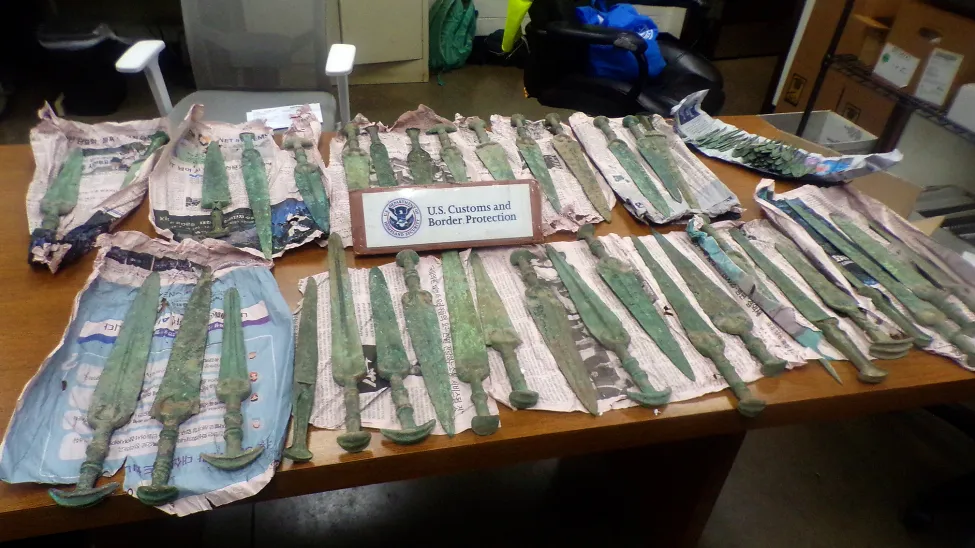
U.S. Customs and Border Protection officers in Philadelphia recently intercepted a shipment of 4,000-year-old Bronze Age swords that had been falsely declared as ordinary “metal decorative articles.”
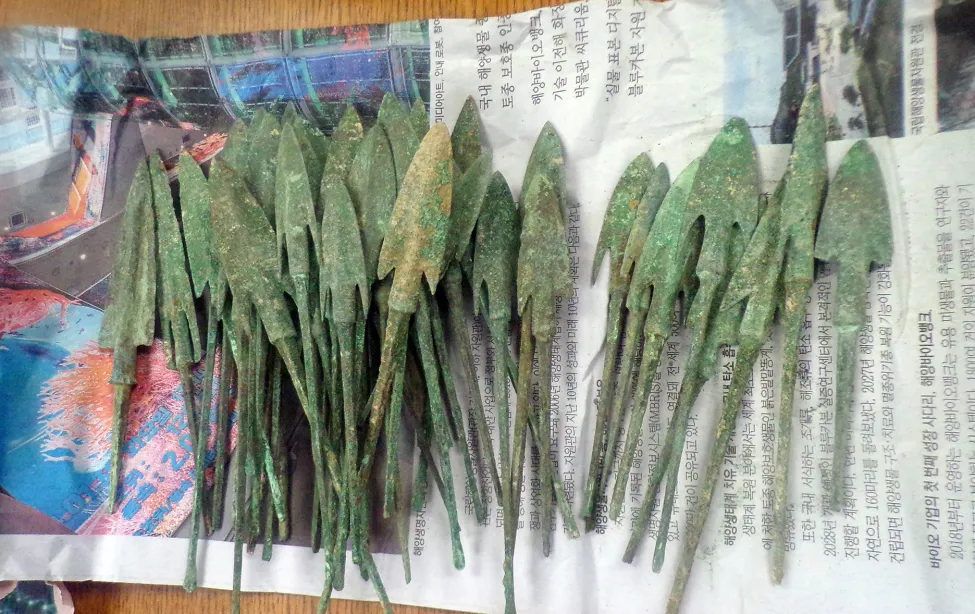
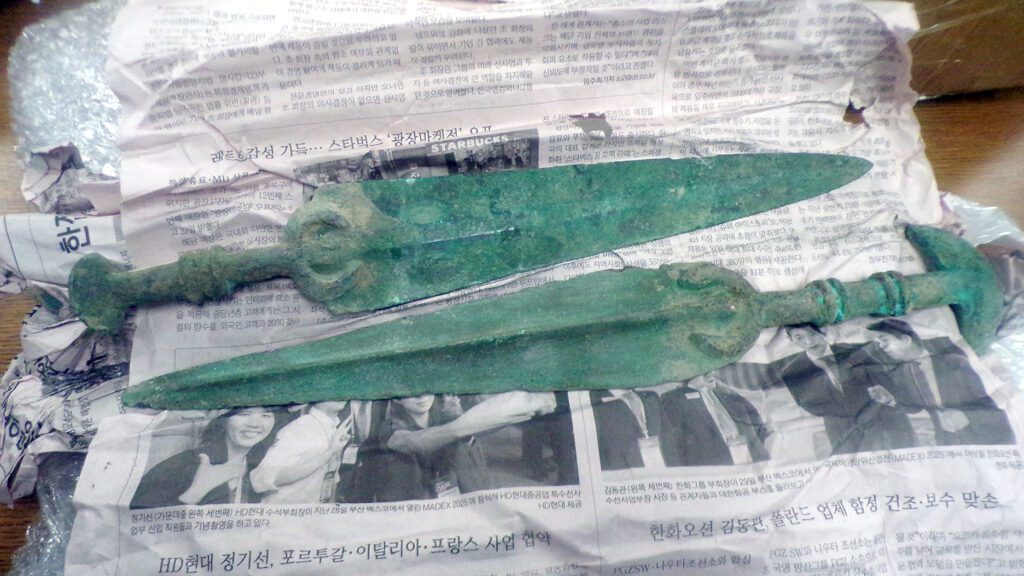
Inside, however, were 36 copper-alloy short swords and 50 copper-alloy arrowheads—authentic Bronze Age weapons dating back nearly 4,000 years.
The artifacts, believed to originate from northwestern Iran, were seized after authorities determined they had been unlawfully imported into the United States.
Suspicious Shipment from the UAE
The shipment arrived on October 16 aboard an express delivery flight from the United Arab Emirates. It was destined for an address in Jacksonville, Florida.
During routine inspection, CBP officers X-rayed the package and detected elongated, blade-like forms inconsistent with the declared contents. Upon opening the parcel, they discovered the cache of ancient weapons and immediately suspected they were cultural artifacts rather than decorative items.
The shipment was detained, and specialists were contacted.
Officers from the National Targeting Center’s Antiquities Unit sought assistance from an archaeologist affiliated with a Philadelphia-area university who has extensive experience working in the Middle East.
On February 13, the expert authenticated the objects as genuine antiquities dating to the later second millennium BCE (circa 1600–1000 BCE).
Linked to the Talish Mountains Region

According to the archaeological assessment, the swords and arrowheads likely originated from an area along the southwestern Caspian Sea near Iran’s lush Talish Mountains region.
Bronze Age metalwork from this region is known for its distinctive copper-alloy weaponry, often recovered from burial contexts. Authorities suspect the seized objects may have been derived from illicit excavations of ancient graves—an activity that destroys valuable archaeological context and erases critical historical information.
Without proper documentation of their findspot, such artifacts lose much of their scientific value, even if their material authenticity can be confirmed.
Cultural Heritage Under Threat
Elliot N. Ortiz, CBP’s Acting Area Port Director in Philadelphia, emphasized the broader significance of the seizure.
“Customs and Border Protection officers strive to rescue cultural artifacts from the grips of illicit international traders who plunder and exploit another nation’s heritage for profit,” Ortiz said. “The deceptive practices used to smuggle these treasures into the United States not only violate our import laws but also undermine efforts to preserve and protect the integrity of cultural history.”
Cultural heritage trafficking remains a global issue, particularly for regions rich in archaeological sites. Objects removed through looting frequently enter international markets disguised as decorative items or mislabeled goods.
Authorities confirmed that the seized artifacts will remain in federal custody until a final legal disposition is determined.
Bronze Age Weapons and Burial Traditions
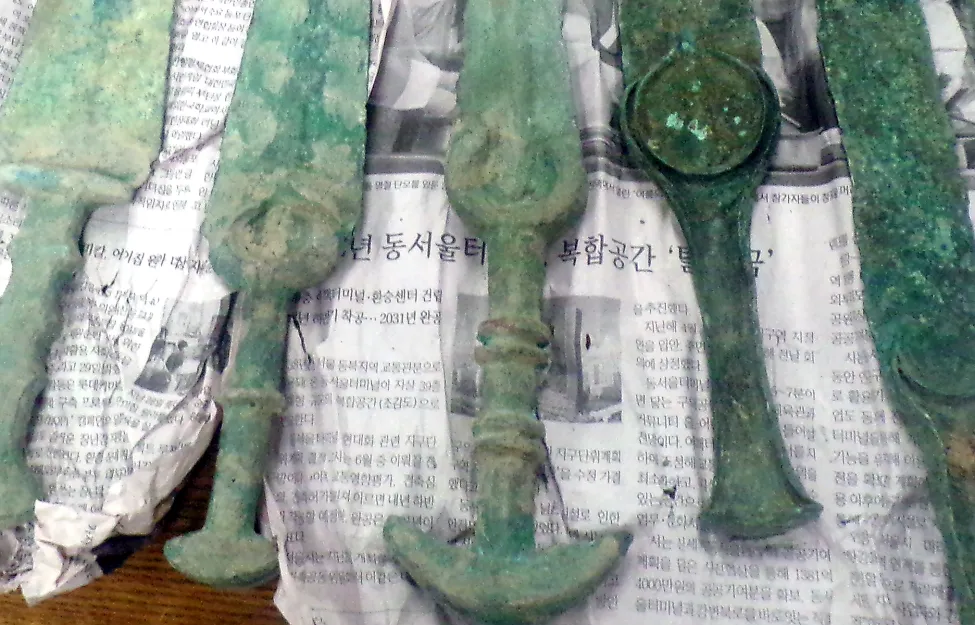
Short swords and arrowheads of copper alloy were central to warfare, status display, and funerary ritual during the second millennium BCE. In parts of ancient Iran and the broader Near East, weapons placed in graves symbolized social rank, martial identity, and possibly beliefs about the afterlife.
When such objects are removed from their archaeological setting without documentation, the damage extends beyond national ownership claims. Context—layering, associated materials, burial arrangement—provides the narrative that transforms metal objects into historical evidence.
Looting interrupts that narrative permanently.
A Reminder at the Border
The Philadelphia seizure underscores the critical role border inspections play in protecting cultural heritage. While climate-controlled museums and excavation sites often dominate public discussions of preservation, the first line of defense may be a routine X-ray scan in a cargo facility.
What arrived labeled as decoration turned out to be relics of a world nearly four millennia old.
And for now, at least, they will not disappear into the shadows of the antiquities trade.
Cover Image: U.S. Customs and Border Protection