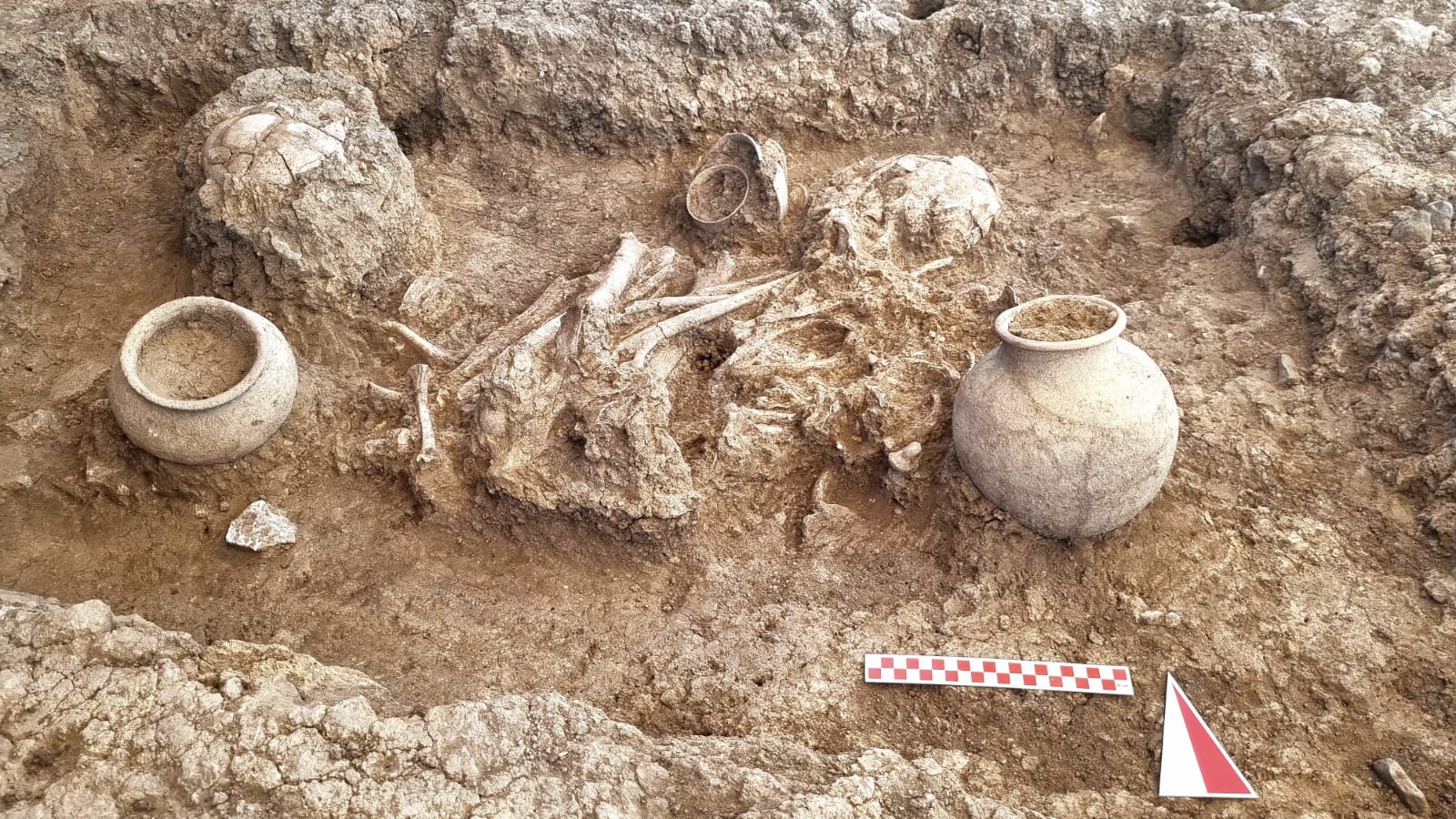
In southeastern Anatolia, at the prehistoric settlement of Çayönü Tepesi, human bones that have rested underground for millennia are beginning to tell a new story. Ongoing genetic research is now revealing how early farming communities were shaped not in isolation, but through sustained contact across Anatolia, Mesopotamia, and the Caucasus.
What the Bones Reveal About Early Life
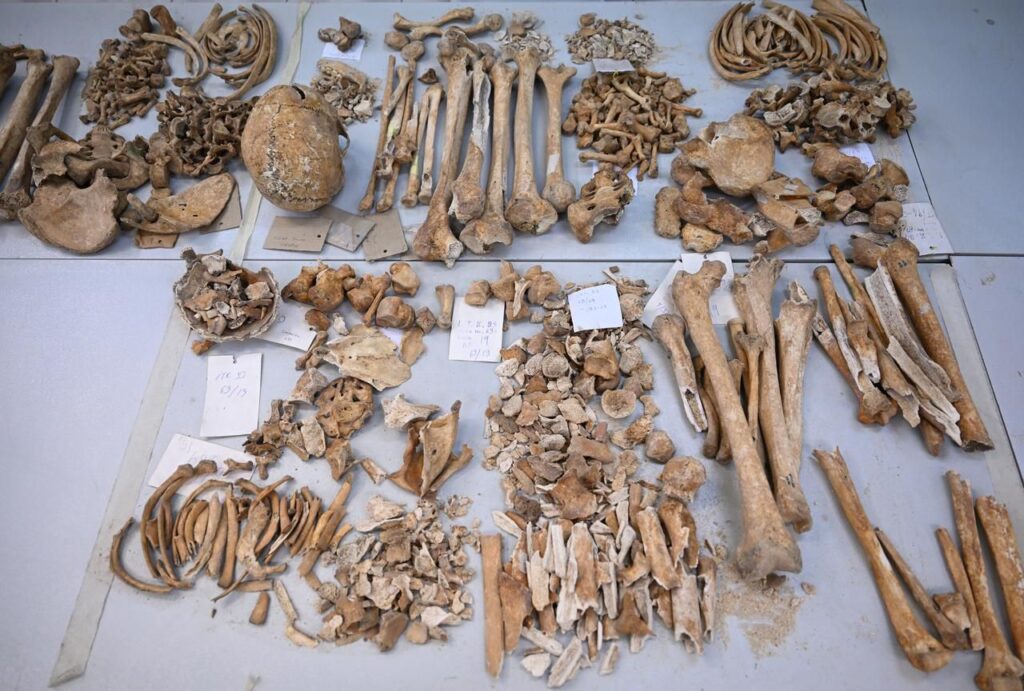
Human remains recovered during excavations at Çayönü Tepesi are currently being analyzed at Hacettepe University, where researchers are applying advanced DNA and osteological methods. According to excavation director Doç. Dr. Savaş Sarıaltun, the genetic data is already transforming long-held assumptions about the population history of the site.
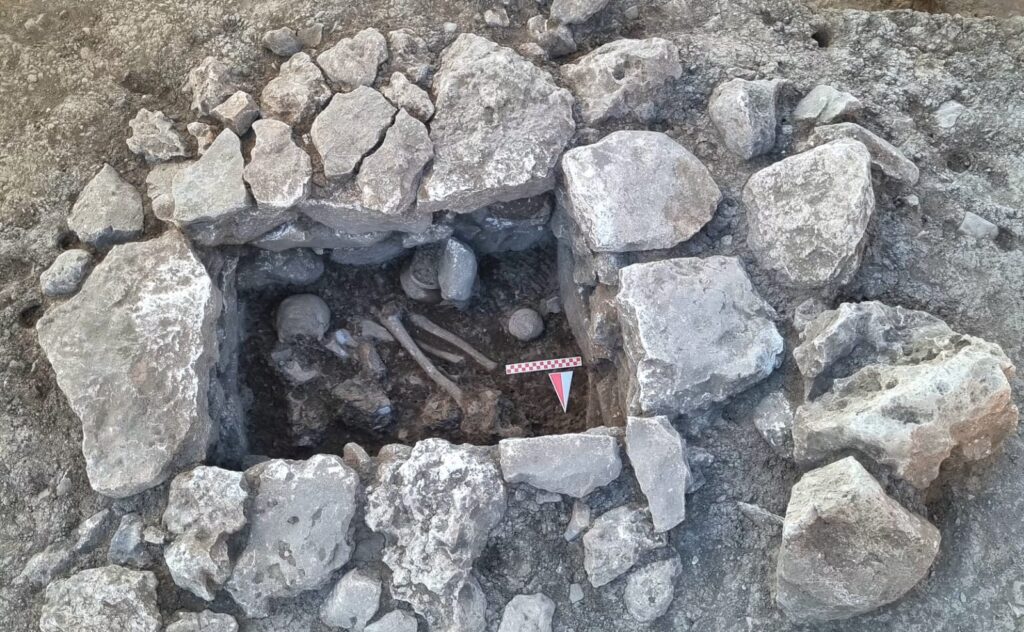
Preliminary results suggest that the people of Çayönü were part of a broader network of interaction, maintaining biological and cultural links with neighboring regions. Rather than representing a closed Neolithic group, the community appears to have been shaped by movement, exchange, and interregional contact.
A Community of Many Origins
Anthropologist Prof. Dr. Ömür Dilek Erdal, who oversees the human remains research, notes that approximately 255 individuals have been examined so far. The emerging picture is clear: Çayönü’s population was genetically heterogeneous.
This diversity points to a society in which different groups interacted closely—through migration, marriage, and shared cultural practices. Even in the earliest phases of settled life, Neolithic communities were far more dynamic than once believed.
Why Çayönü Matters in World Prehistory
Located near modern-day Ergani, Çayönü Tepesi is internationally recognized as one of the most important sites documenting humanity’s transition from mobile hunter-gatherer lifeways to permanent settlement and agriculture.
From as early as the 9th millennium BCE, the site preserves evidence for:
planned architectural layouts,
communal buildings,
early crop cultivation,
animal domestication,
and increasingly complex social organization.
Its distinctive architectural phases—particularly the grid-planned structures—place Çayönü among the key reference points for understanding the Neolithic of the Near East.
When Will the Results Be Published?
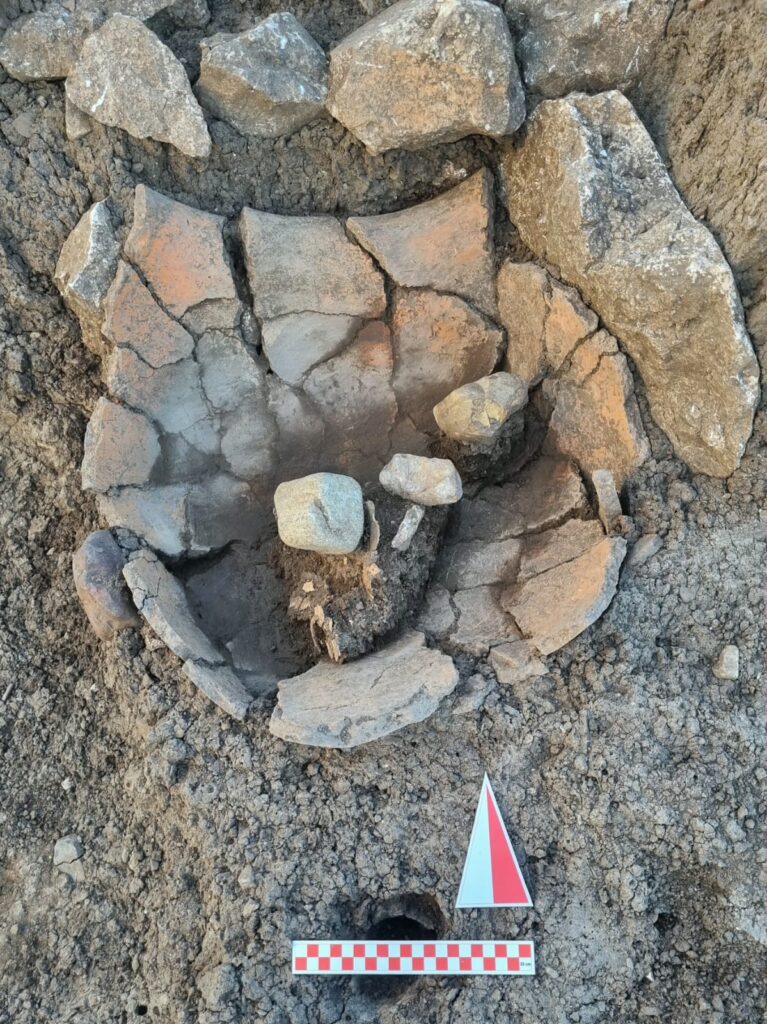
The research team expects the full results of the genetic and anthropological analyses to be published and shared with the public between 2026 and 2027. These findings are anticipated to contribute significantly to ongoing debates about the origins of farming societies and population movement in prehistoric Anatolia.
What is already evident, however, is that Çayönü Tepesi continues to reshape our understanding of early human history—long after its inhabitants first laid down their stone foundations.