
Gold and silver often dominate narratives of ancient South American wealth. But new scientific research suggests that the real engine of power behind the Chincha Kingdom was far less glamorous: seabird droppings.
A multidisciplinary study published in PLOS One presents compelling isotopic evidence that marine bird guano transformed Peru’s arid Pacific coast into an agricultural powerhouse between 1000 and 1400 CE. By analyzing chemical signatures preserved in ancient maize cobs, researchers argue that nitrogen-rich fertilizer from offshore seabird colonies fueled the political and economic expansion of this influential pre-Inca society.
Chemical Evidence from Ancient Maize
The Chincha Valley lies within one of the driest deserts on Earth. Irrigation alone could not sustain long-term farming in such sandy, nutrient-poor soils. Without constant replenishment, crops would fail.
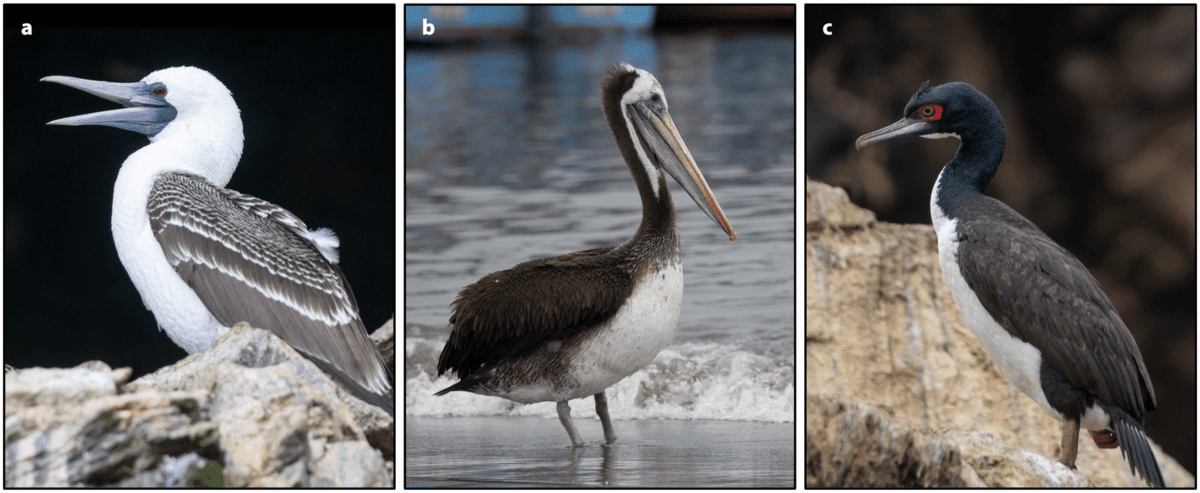
The solution was located roughly 25 kilometers offshore on the Chincha Islands. These rocky outcrops supported immense colonies of guanay cormorants, Peruvian boobies, and pelicans. Over centuries, their droppings accumulated into thick deposits of nitrogen-rich guano.
Researchers examined 35 maize cobs recovered from Chincha Valley burials, spanning from around 200 BCE to the Colonial period. Using stable isotope analysis—nitrogen (δ¹⁵N), carbon (δ¹³C), and sulfur (δ³⁴S)—the team searched for biochemical markers of fertilization.
The results were striking. Some maize samples showed nitrogen values as high as +27.4‰. By comparison, unfertilized crops typically register below +10‰. Experimental and archaeological studies confirm that only seabird guano consistently produces plant nitrogen values exceeding +20‰.
By at least 1250 CE, intensive guano fertilization was clearly underway.
Fertilizer as Statecraft
Agricultural surplus is the backbone of political power.
At its peak, the Chincha Kingdom was a centralized polity with an estimated 30,000 tribute-paying households and perhaps more than 100,000 inhabitants. Specialized farmers, fisherfolk, and maritime traders formed an interconnected economic system stretching along the Pacific coast, possibly reaching present-day Ecuador.
For decades, scholars emphasized long-distance trade in prestige goods such as Spondylus shells as the foundation of Chincha prosperity. The new findings shift that perspective. Expanded maize production, enabled by guano fertilization, likely generated the surplus necessary to sustain population growth, craft specialization, and regional influence.
In short, fertilizer was power.
Ecological Intelligence and Cultural Identity
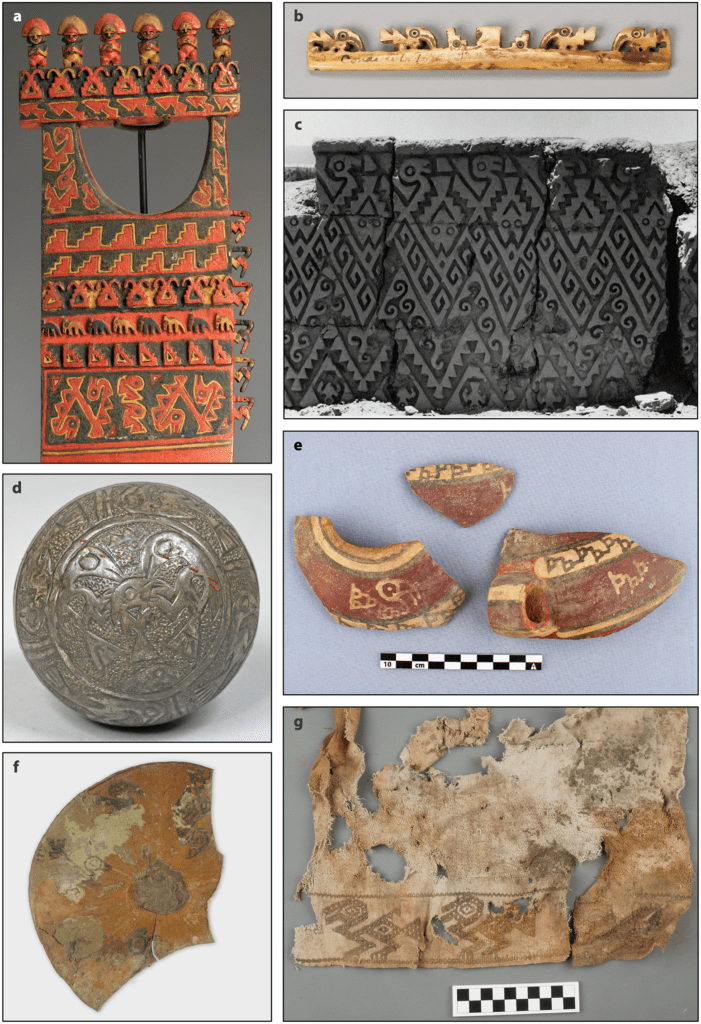
Archaeological evidence complements the chemical data. Chincha textiles, ceramics, and architectural decorations frequently depict seabirds, fish, and maize—visual reminders of the ecological chain linking ocean nutrients to agricultural fertility.
Fisherfolk collected guano from offshore islands using balsa rafts. Farmers applied it to maize fields. Merchants redistributed surplus harvests through coastal trade networks.
This was not accidental exploitation. It was systematic environmental management rooted in deep local knowledge.
Strategic Importance in the Inca Era
By the 15th century, the expanding Inca Empire incorporated the Chincha Kingdom. Unlike many regions absorbed through force, Chincha appears to have negotiated a relatively favorable position.
The reason may lie in fertilizer.
The Inca state relied heavily on maize, particularly for producing chicha, a fermented ceremonial beverage. Highland environments, however, limited large-scale maize cultivation. Access to high-quality guano would have carried enormous strategic value.
Colonial sources even record that the Chincha lord was the only dignitary, aside from Inca ruler Atahualpa, permitted to be carried on a litter—a potent symbol of prestige.
Control over nitrogen may have strengthened that status.
Rethinking Ancient Diets
The study also carries methodological implications for archaeology. Elevated nitrogen levels caused by guano fertilization can mimic the isotopic signatures of marine-based diets in human skeletal remains. Without careful interpretation, researchers might mistakenly conclude that ancient populations consumed large amounts of seafood when they were actually eating maize grown with marine fertilizer.
Sulfur isotope analysis offered additional clues, though results proved more variable. Combined isotopic approaches, the authors argue, provide a more refined framework for reconstructing ancient diets.
Ecological Knowledge in the Desert
Historical records describe strict Inca regulations protecting guano islands. Killing seabirds during breeding season could reportedly be punishable by death. Such measures reflect recognition of guano’s agricultural value.
The Chincha case demonstrates that marine fertilizers were reshaping agricultural systems centuries before industrial fertilizer production.
The Peruvian coastal desert remains an unforgiving environment. Sustaining large populations there required more than irrigation—it required ecological mastery.
The Chincha Kingdom did not build its influence solely on trade networks or luxury goods. It built power on nitrogen-rich seabird guano, transforming desert soil into surplus, and surplus into sovereignty.
Bongers JL, Milton EBP, Osborn J, Drucker DG, Robinson JR, et al. (2026) Seabirds shaped the expansion of pre-Inca society in Peru. PLOS ONE 21(2): e0341263. https://doi.org/10.1371/journal.pone.0341263
Cover Image Credit: Seabirds shaped the expansion of pre-Inca society in Peru. Bongers JL (2026), PLOS ONE