-
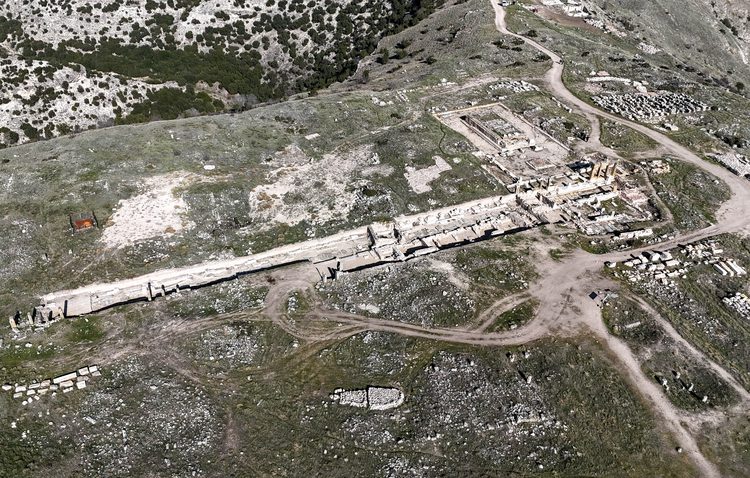
A 2,000-Year-Old Stadium Unearthed at Blaundos: A Roman Arena Rising Over One of Anatolia’s Deepest Canyons
A newly opened excavation at Blaundos in western Türkiye has revealed the first architectural traces of a Roman stadium built on the edge of the Ulubey Canyon — a dramatic setting that may redefine the ancient city’s identity. On a wind-carved plateau rising above one of Anatolia’s largest canyon systems, Blaundos Ancient City has always…
-
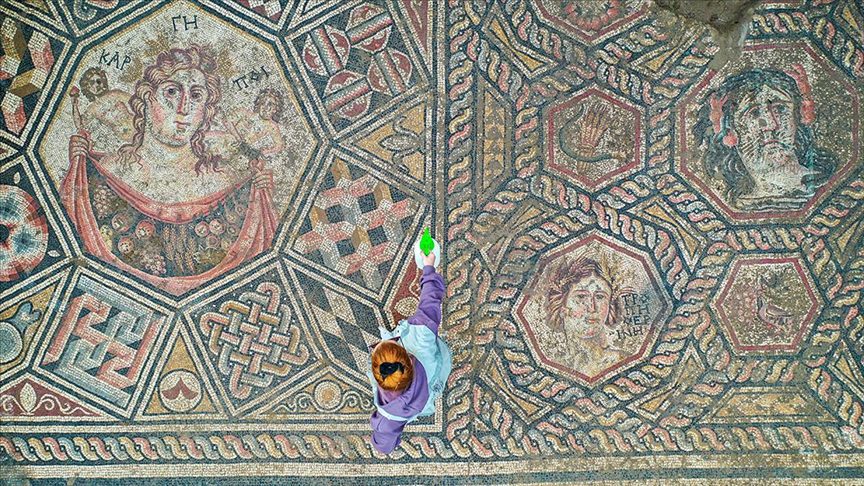
Roman Mosaic in Türkiye Reveals Rare Askania Personification After 11 Years Underground
When a sewer trench was cut into a quiet street in northwestern Türkiye back in 2014, workers briefly exposed part of a Roman mosaic floor before authorities ordered the area sealed. It was too risky to investigate at the time, and too little was visible to understand what lay beneath.Eleven years later, archaeologists from the…
-
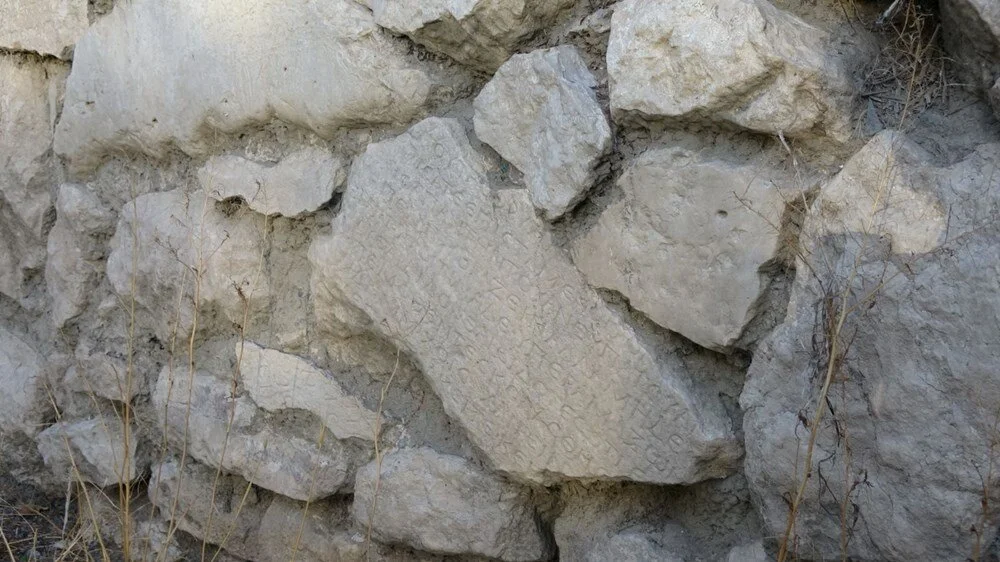
Roman Emperor Caracalla’s Letter Found Hidden in the Walls of a 1950s House in Turkey
In southwestern Turkey, a crumbling village house built in the 1950s has revealed an extraordinary secret: its walls are made of inscribed stones bearing a 1,800-year-old imperial letter from Roman Emperor Caracalla (r. AD 198–217).The discovery, made near the ancient city of Takina in Burdur’s Yeşilova district, turns what was once an ordinary home into…
-
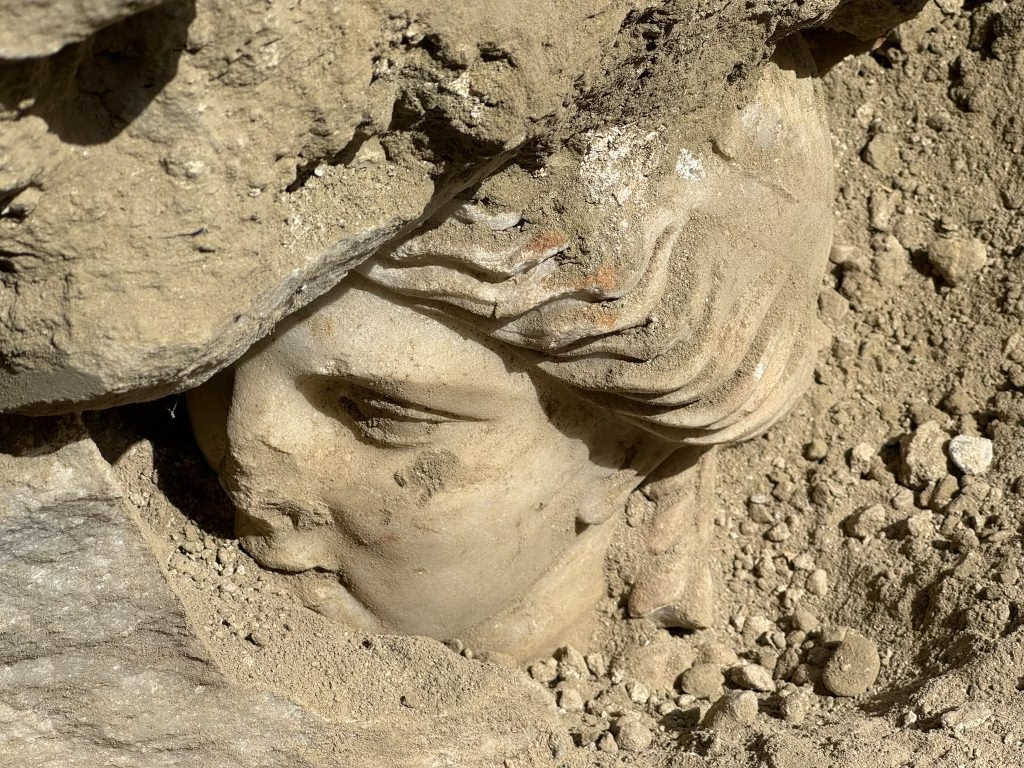
The 2,100-Year-Old Head of Hygieia in Laodicea: A Testament to the Ancient City’s Legacy of Health and Healing
The discovery of a 2,100-year-old marble head of Hygieia, unearthed in 2024 during excavations at the ancient city of Laodicea in southwestern Türkiye, has become one of the most significant finds in recent years. Conducted under the leadership of Professor Celal Şimşek, head of Pamukkale University’s Department of Archaeology, the excavation revealed the artifact in…