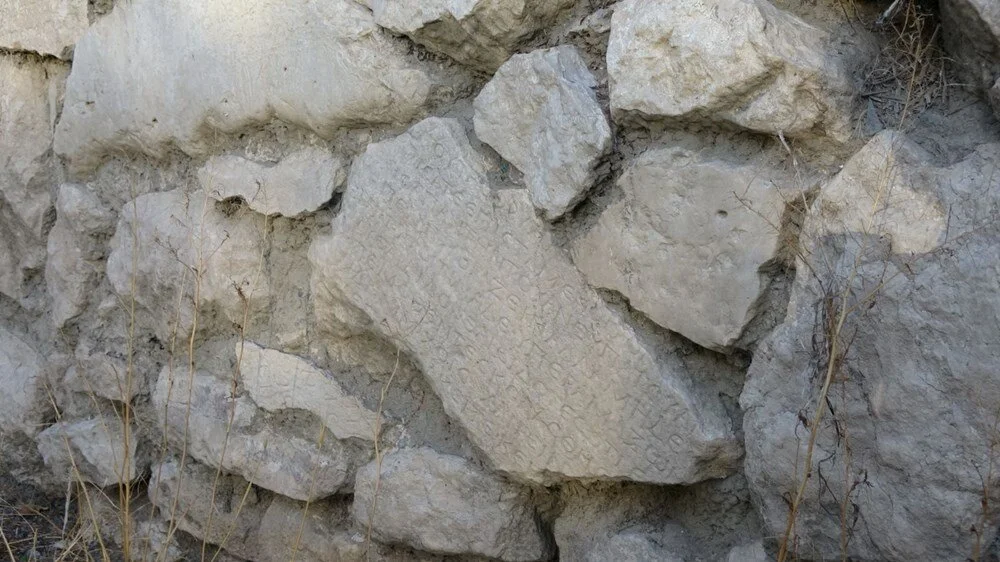
In southwestern Turkey, a crumbling village house built in the 1950s has revealed an extraordinary secret: its walls are made of inscribed stones bearing a 1,800-year-old imperial letter from Roman Emperor Caracalla (r. AD 198–217).
The discovery, made near the ancient city of Takina in Burdur’s Yeşilova district, turns what was once an ordinary home into an accidental time capsule of imperial Rome.
From Asar Hill to the heart of a village
Villagers in the 1950s, unaware of their historical significance, hauled stones from nearby ruins known as Asar Tepe using horse-drawn carts. The inscribed blocks were used to build the family home, where they remained unnoticed for decades.
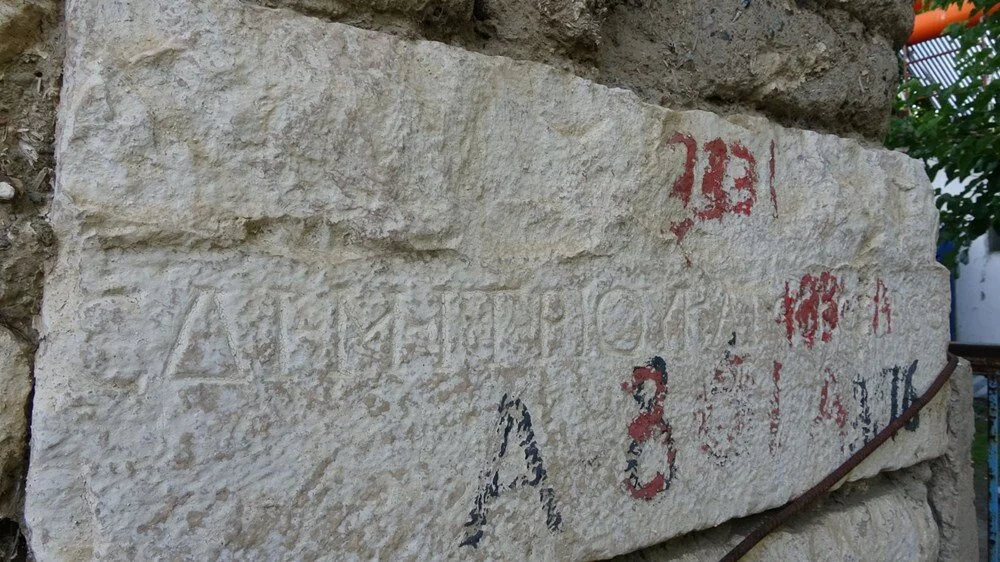
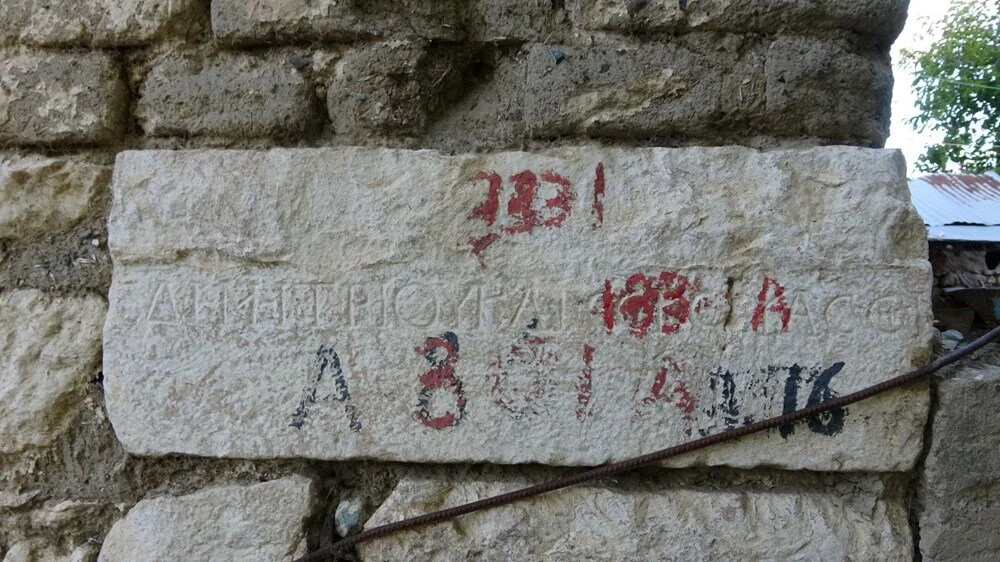
It wasn’t until 1970 that archaeologists surveying the region realized the walls contained fragments of a formal imperial inscription — a letter addressed by Caracalla himself to the citizens of Takina.
According to the Burdur Museum Directorate, at least ten carved stones have been documented in the structure’s foundations. The museum plans to recover and preserve them following the house’s eventual demolition.
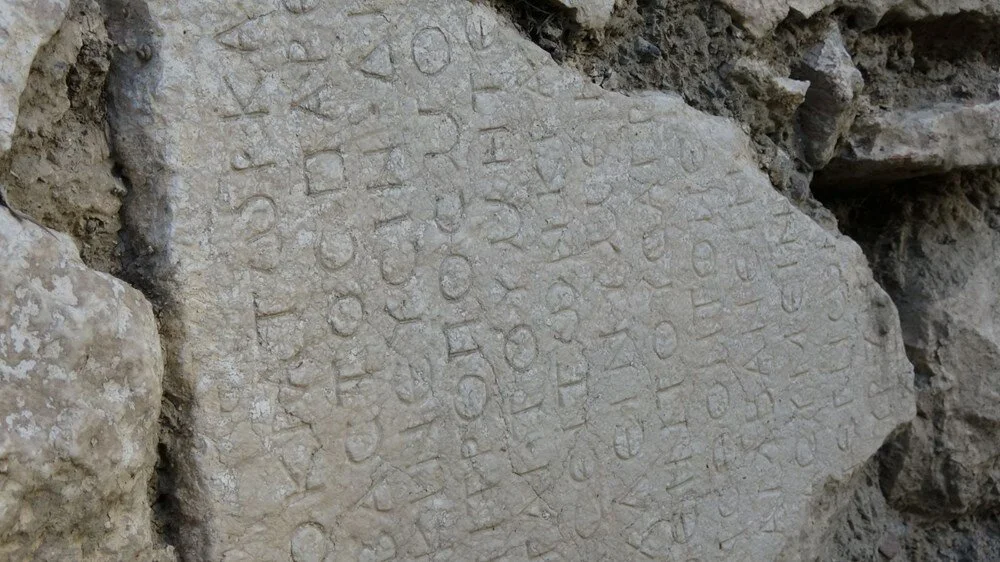
A letter from an emperor
Though incomplete, the text likely concerns civic or administrative matters, reflecting Caracalla’s well-documented engagement with Anatolian cities. Such inscriptions, known as rescripts, were carved into stone as permanent records of the emperor’s decrees.
Ferhat Ağıl, whose late father-in-law built the house, recounts the tale:
“They brought the stones from Asar Hill — we had no idea they were ancient. Years later, archaeologists came from Istanbul and told us they were from the Roman period. The museum even warned us not to lose them.”
Caracalla in Anatolia
Born Lucius Septimius Bassianus, Caracalla ruled the Roman Empire between AD 198 and 217. Best known for the Constitutio Antoniniana — a sweeping decree that granted Roman citizenship to nearly all free men — his reign reshaped the social order of the empire.

Caracalla travelled extensively through Asia Minor, issuing letters and decrees to local communities. The Takina inscription fits squarely within this pattern, offering a rare and direct link between imperial policy and everyday provincial life.
Nearly two millennia later, those same words — once meant for the people of Takina — now rest quietly in the walls of a forgotten home, still standing against time.