-
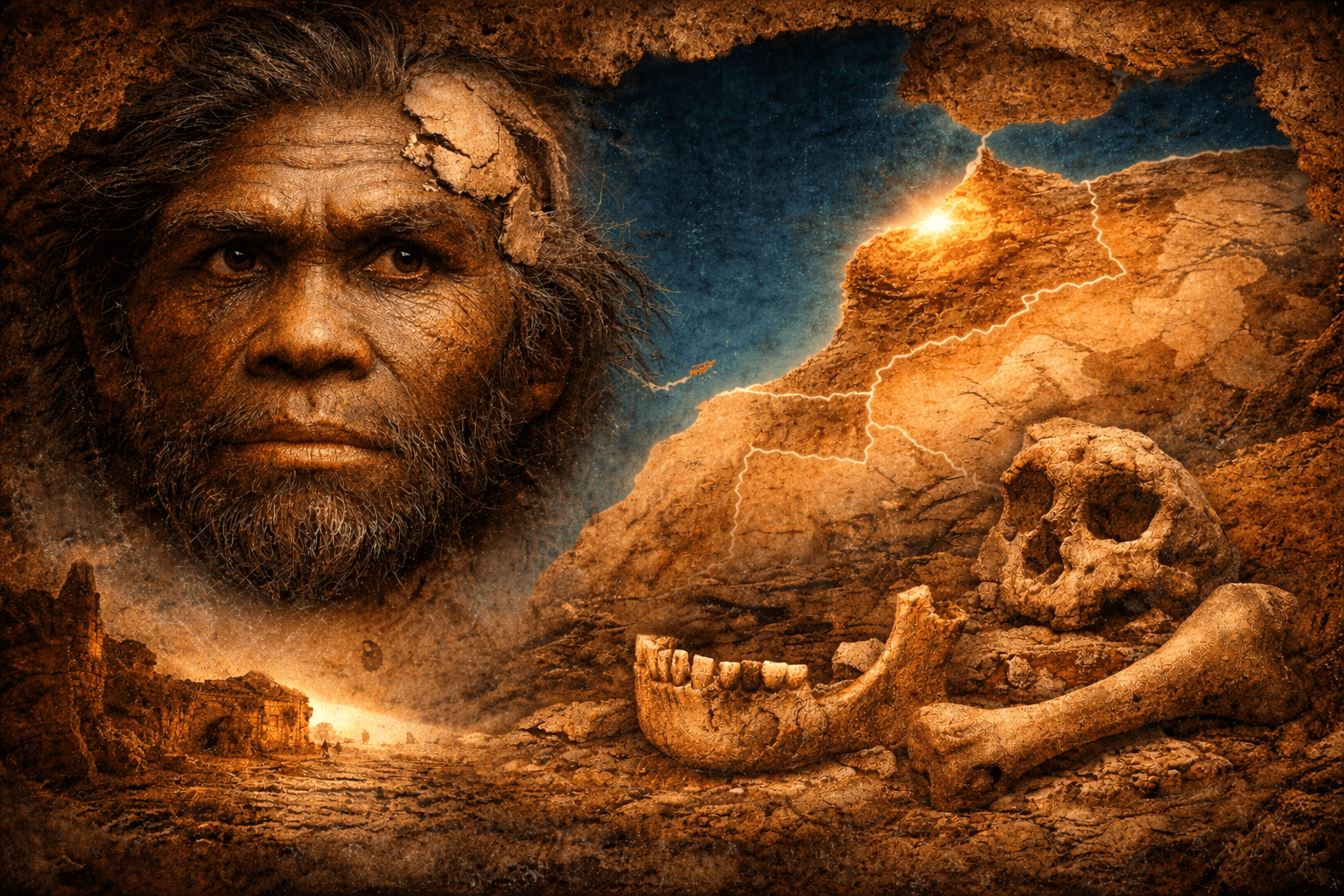
Before Homo sapiens Had a Name: 773,000-Year-Old Fossils in Morocco Redraw Humanity’s Deepest Roots
For decades, the search for humanity’s deepest origins revolved around a familiar map: East Africa as the unquestioned cradle, Europe as the stage for later divergence, and the Sahara as a vast biological wall in between. New fossil evidence from Morocco now forces a fundamental reassessment of that narrative. At a quarry on the Atlantic…
-
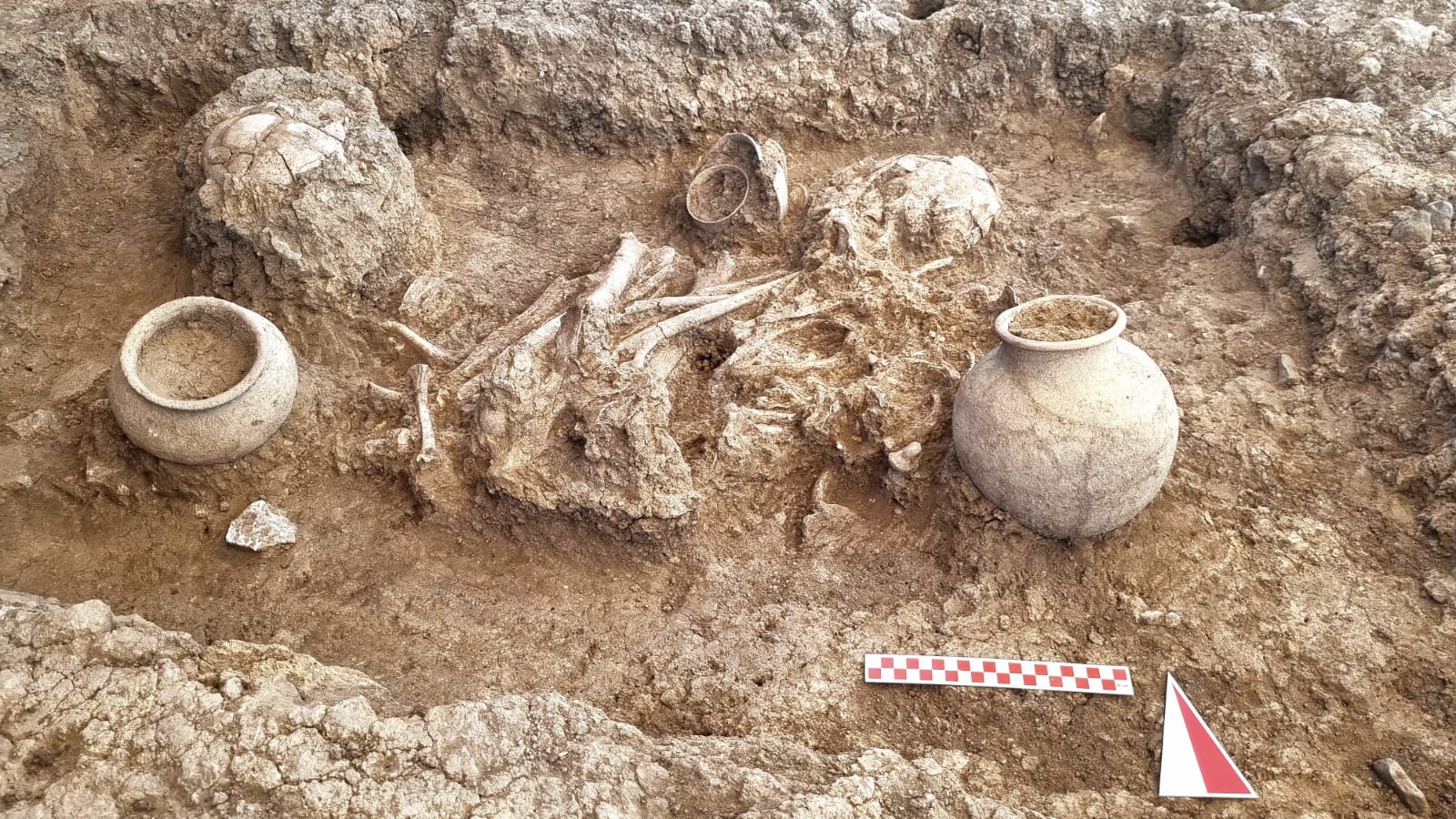
DNA Evidence from Çayönü Tepesi Is Redrawing the Origins of Neolithic Communities
In southeastern Anatolia, at the prehistoric settlement of Çayönü Tepesi, human bones that have rested underground for millennia are beginning to tell a new story. Ongoing genetic research is now revealing how early farming communities were shaped not in isolation, but through sustained contact across Anatolia, Mesopotamia, and the Caucasus. What the Bones Reveal About…
-
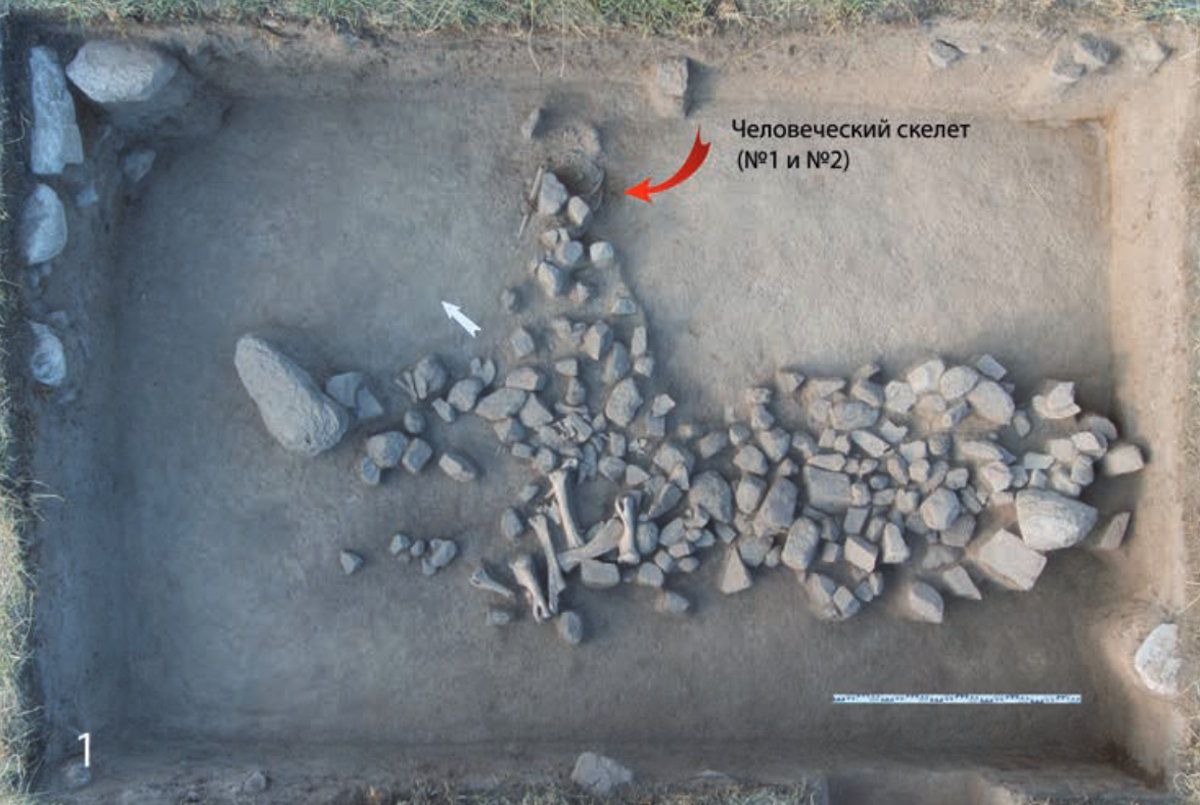
7,000-Year-Old Neolithic Burial Unearthed in Kazakhstan Marks the Country’s Earliest Known Human Grave
A team of archaeologists has uncovered Kazakhstan’s oldest known human burial at the Koken settlement, revealing a chapter of human history that predates the dawn of herding and agriculture in the region. Radiocarbon analysis dates the discovery to around 7,000 years ago, offering the first direct evidence of human presence in the Kazakh steppe during…
-
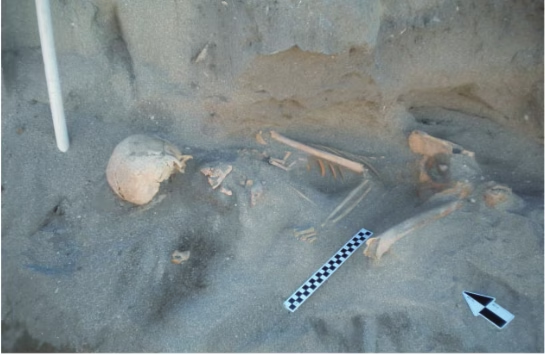
Ancient Human Genome from South Africa Reveals One of the Oldest Maternal Lineages Ever Found
A 2,300-year-old skeleton discovered on South Africa’s west coast has provided one of the earliest genetic links to humanity’s common ancestor — a woman known as “Mitochondrial Eve.” The study, published in Genome Biology and Evolution, offers a rare glimpse into a population that diverged at the dawn of modern human evolution. Unearthing a Genetic…