-
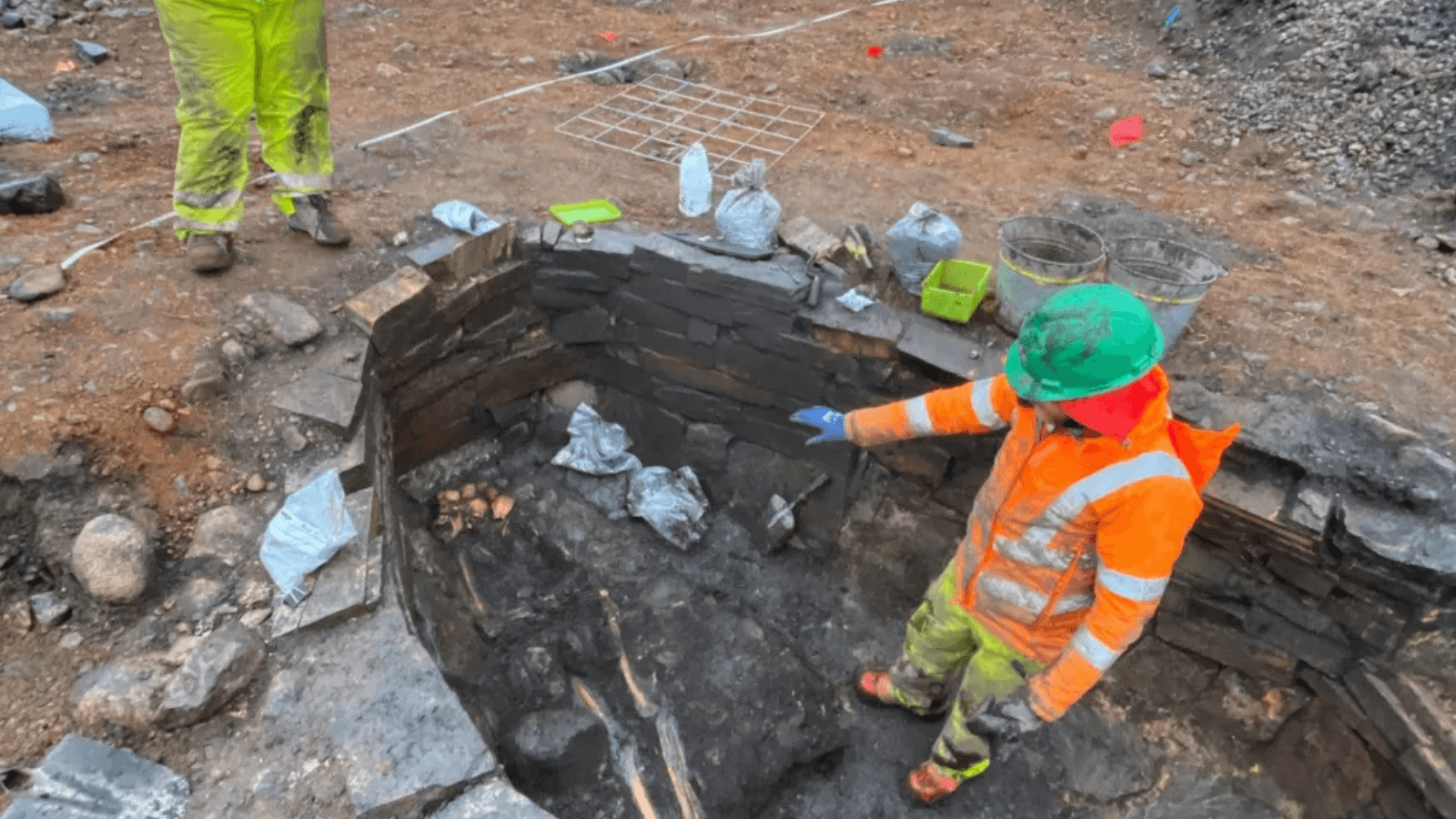
2,000-Year-Old Woman Found Buried in Possible Ritual Well at Iron Age Settlement in Scotland
Archaeologists working ahead of a quarry expansion in northern Scotland have uncovered the remains of a woman inside an unusually elaborate stone-lined structure dating to the Iron Age. The approximately 2,000-year-old burial was discovered at Evelix Quarry near Dornoch in Sutherland, where traces of what may have been an Iron Age settlement are also emerging.…
-
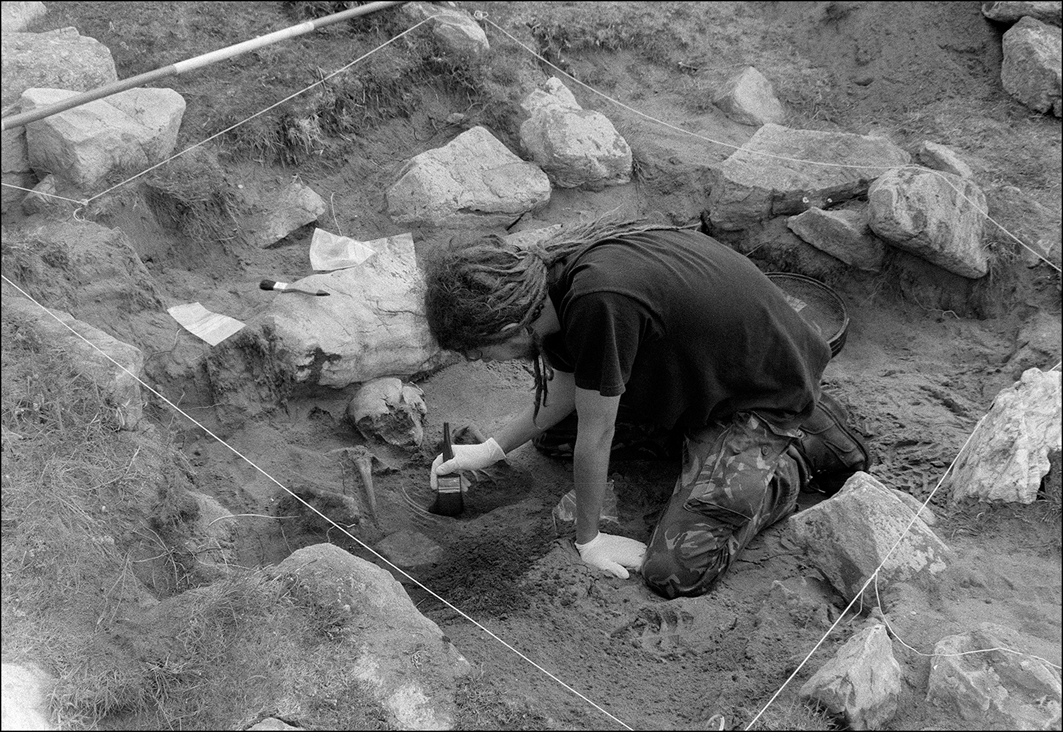
Iron Age Burial in Scotland Reveals Possible Brain Removal and Human Bone Tools
An Iron Age burial in northern Scotland has revealed one of the most unusual examples of postmortem body treatment yet identified in prehistoric Britain. A new study published in the journal Antiquity reports that researchers re-examined the remains of two individuals buried in a low stone cairn at Loch Borralie, on the Durness Peninsula in…
-

Rare Celtic Elite Grave in Germany Reveals Gold Jewelry, a Wagon, and an Etruscan Bronze Jug
A rare Celtic elite grave discovered near Bad Camberg in Germany has revealed gold jewelry, the remains of a two-wheeled wagon, an iron spearhead, and an Etruscan bronze jug, placing the Taunus find among the most important Iron Age burials recently identified in Hesse. The discovery, first reported by hessenschau, was made during archaeological work…
-
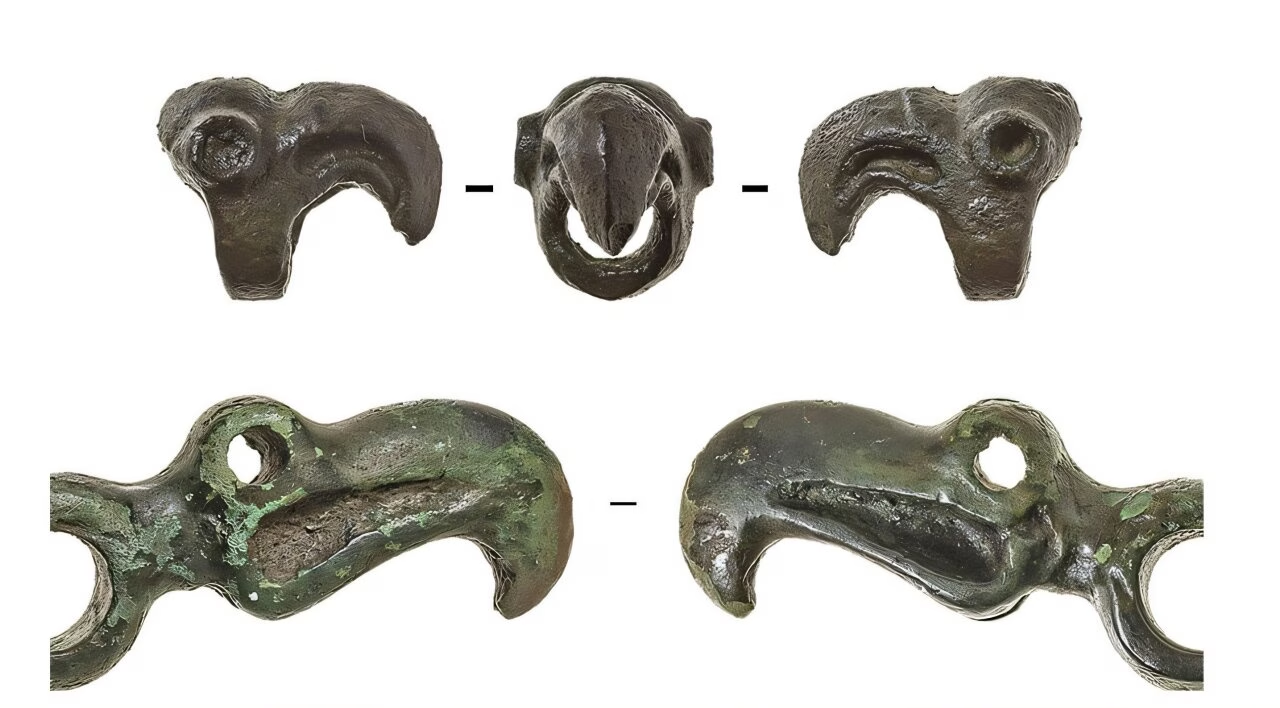
Earliest Scythian Animal-Style Art Unearthed in Siberia: A 2,800-Year-Old Glimpse into the Birth of Steppe Iconography
Archaeologists working in the remote Uyuk Valley of Tuva, Russia, have uncovered the earliest known examples of Scythian animal-style art — a distinctive visual language that would later dominate the Eurasian steppe. The study, published in Antiquity, reveals that the ninth-century BCE site of Tunnug 1 preserves a rare and securely dated stage in the…