-
LiDAR Reveals How Ancient Maya Households May Have Managed Rainwater
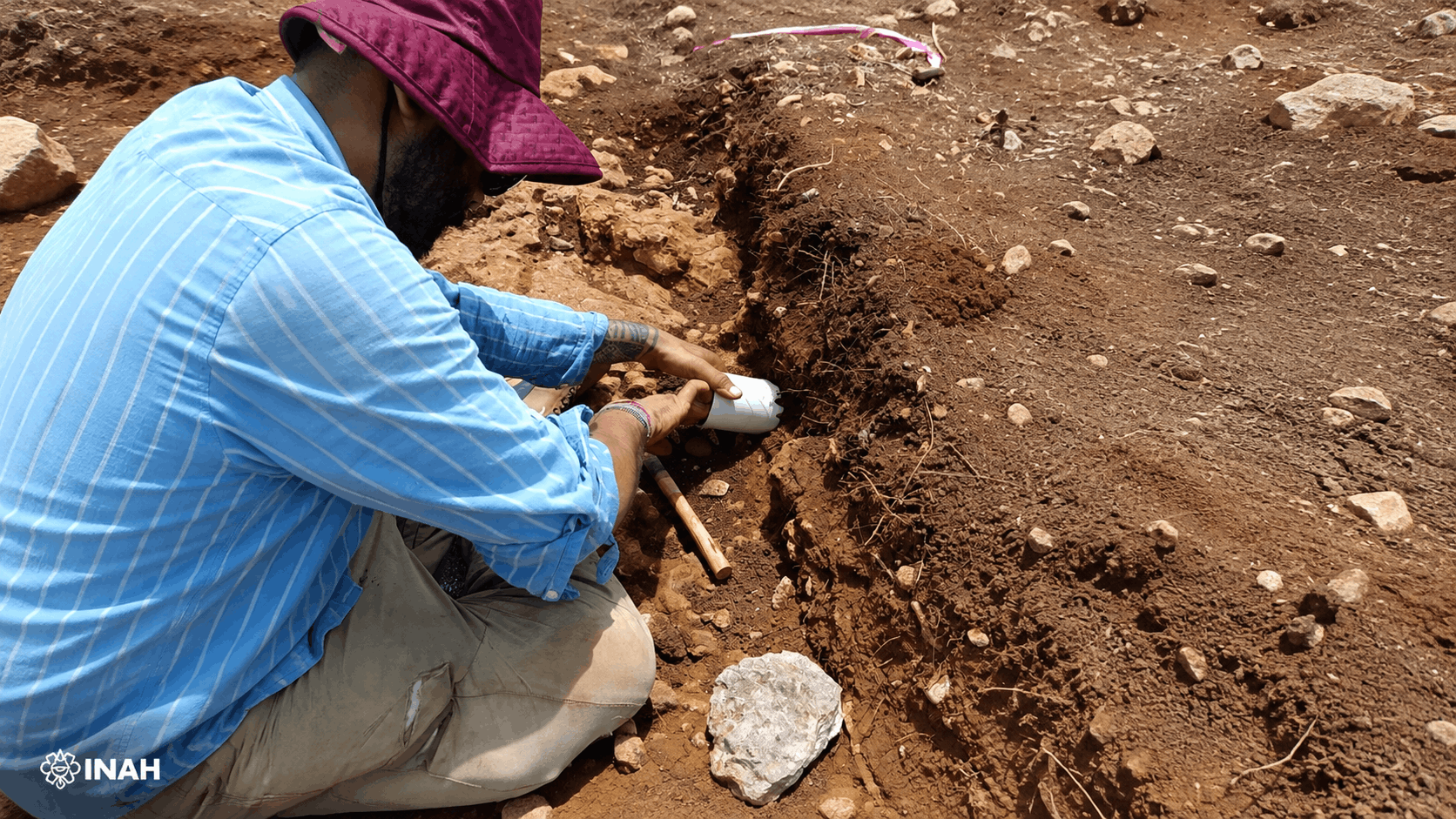
Ancient Maya families in the northern Yucatán Peninsula may have positioned their homes to take advantage of natural slopes, allowing rainfall to flow toward open land used for cultivation. The possibility has emerged from a study led by archaeologist Carlos Matos Llanes and announced by Mexico’s National Institute of Anthropology and History (INAH). Researchers are…
-
Early Maya Ritual Platform and Deer Offerings Discovered in Yaxché de Peón, Mexico
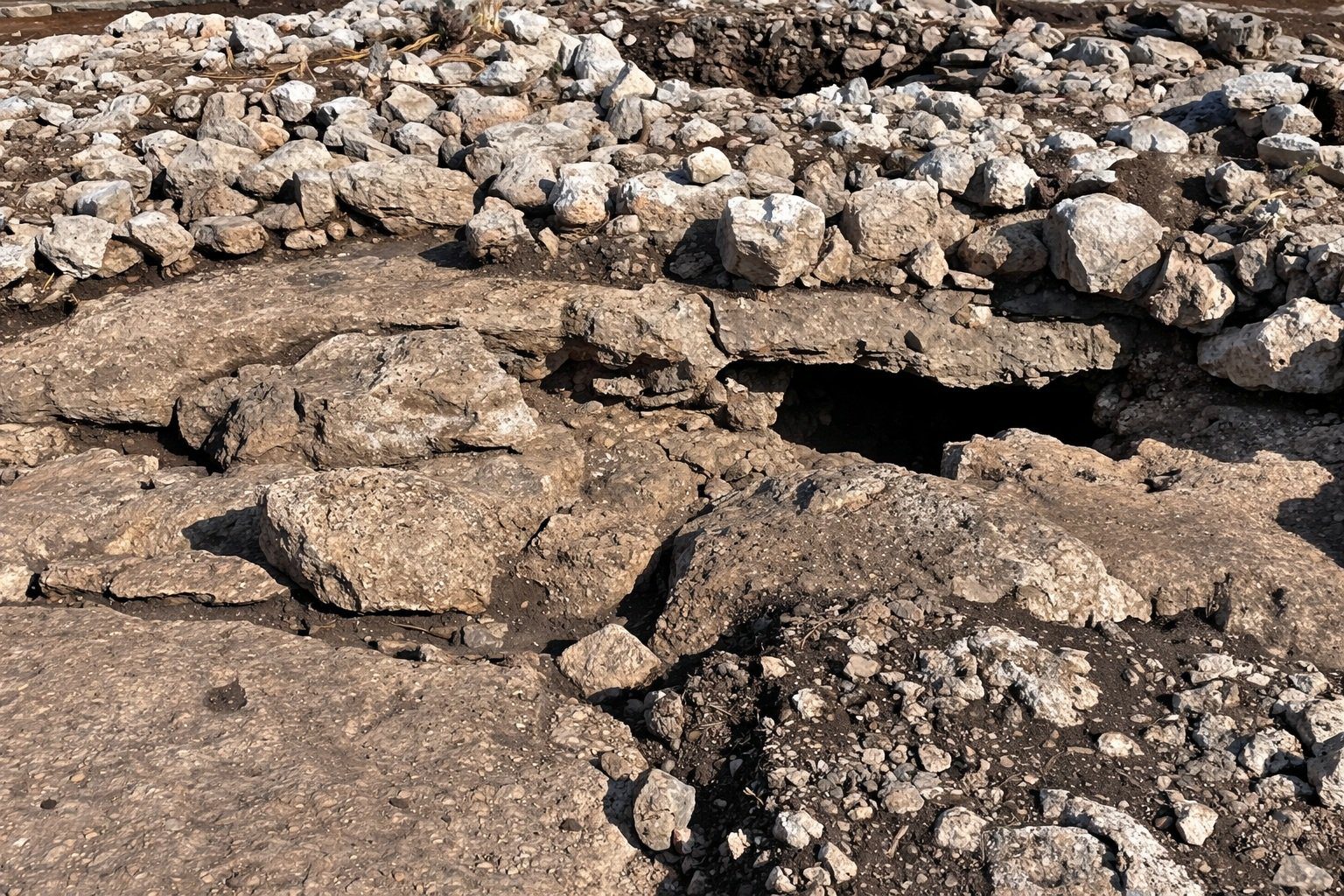
Archaeologists working in Mexico’s Yucatán Peninsula have uncovered a previously unknown ritual platform linked to early Maya ceremonial life, along with animal offerings and symbolic objects buried beneath the structure. The discovery was made in Yaxché de Peón, near Mérida, during archaeological investigations associated with infrastructure work connected to the Maya Train project. The structure…
-
Archaeologists Uncover a One-of-a-Kind Maya Game Board Built Into the Architecture Itself
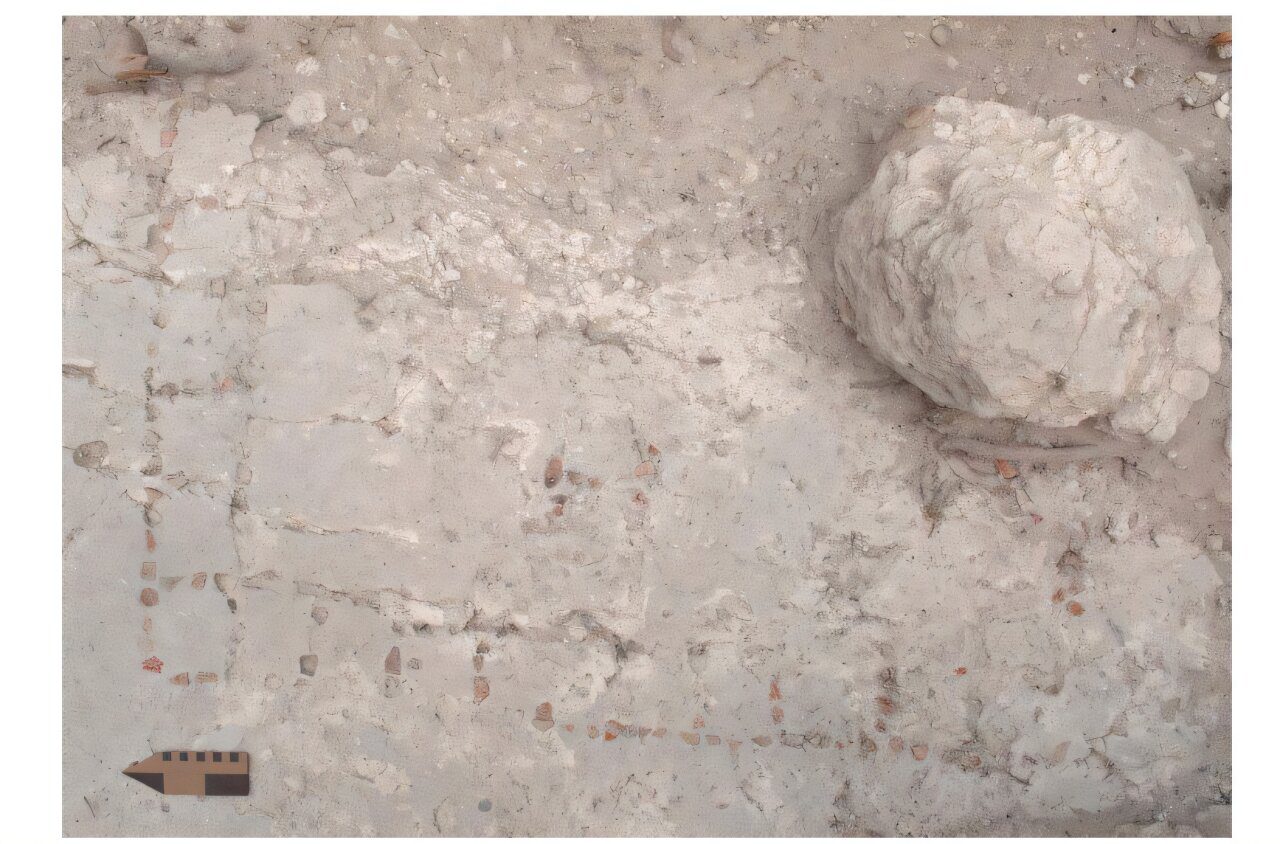
Deep beneath a modest mound in the ancient Maya capital of Naachtun, archaeologists have uncovered a discovery that challenges long-held assumptions about how the Maya played, gathered, and designed their living spaces. Hidden within the plaster of a Classic-period floor lay a meticulously crafted patolli board, not scratched into the surface—as is typical across Mesoamerica—but…
-

Ancient Maya Monument Reveals a Cosmic Map of the Universe, Study Suggests
Archaeologists say a 3,000-year-old ceremonial complex in southeastern Mexico may have been designed as a cosmogram—a vast representation of how early Maya communities perceived the universe. The site, known as Aguada Fénix, spans nearly 9 by 7.5 kilometers (5.6 by 4.7 miles), making it one of the largest and oldest monumental constructions in Mesoamerica. The…