Archaeologists working in Mexico’s Yucatán Peninsula have uncovered a previously unknown ritual platform linked to early Maya ceremonial life, along with animal offerings and symbolic objects buried beneath the structure. The discovery was made in Yaxché de Peón, near Mérida, during archaeological investigations associated with infrastructure work connected to the Maya Train project.
The structure and its ritual deposits provide rare evidence of how early Maya communities consecrated communal spaces through ceremonial offerings, shedding new light on belief systems, social organisation, and symbolic relationships with nature.
Platform Likely Served as Communal Gathering Space
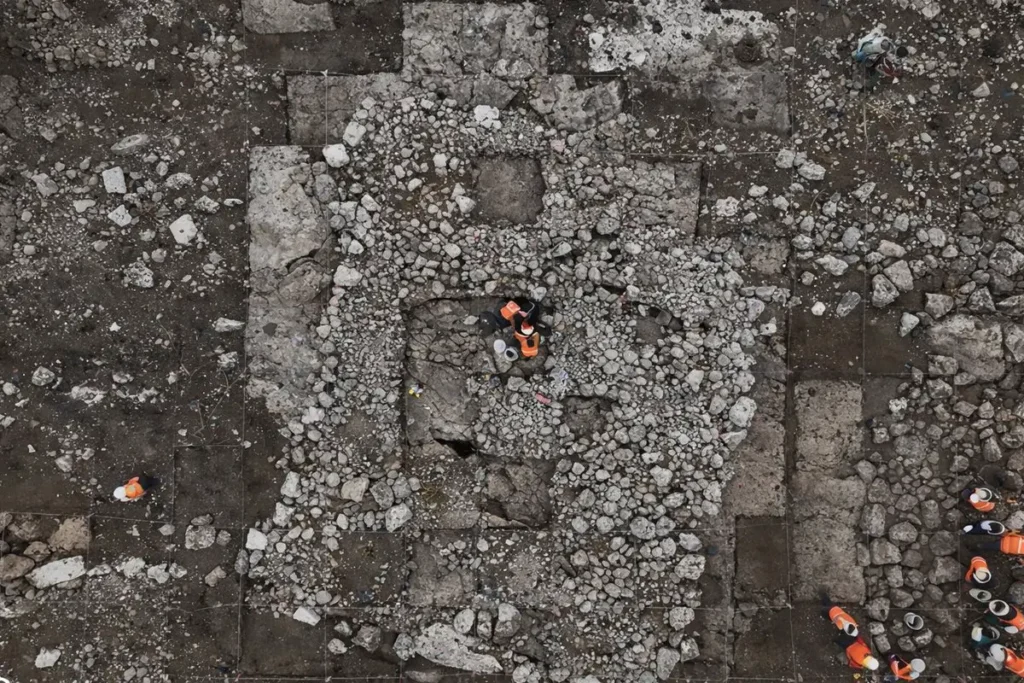
The newly identified structure, catalogued by archaeologists as Monument TC_17294, consists of a low rectangular platform measuring approximately 14 meters by 10.8 meters and rising about 45 centimeters above the surrounding terrain.
Unlike residential platforms typical of Maya settlements, this construction shows no evidence of domestic buildings built above it. Access was possible from all sides, a design choice that suggests the space functioned as a semi-public gathering area rather than a private dwelling.
Researchers believe the platform may have hosted community meetings, ritual activities, or ceremonies that reinforced social cohesion among early inhabitants of the region.
The find forms part of the Archaeological Salvage Project for the Mérida–Progreso Multimodal Railway Bypass, one of the projects linked to the broader development of the Maya Train network. Excavations began in June 2025 and are expected to continue until mid-2026.
The work is conducted by specialists from Mexico’s National Institute of Anthropology and History (INAH) under the direction of archaeologist Manuel Pérez Rivas.
Ritual Offerings Discovered Beneath the Platform
During excavation of the northern section of the platform’s construction fill, archaeologists identified two ritual deposits placed before the platform was built, a practice widely documented in ancient Mesoamerican architecture.
The first deposit contained a broken gourd-shaped ceramic vessel discovered at a depth of about 1.10 meters. Containers of this shape carry strong symbolic associations in Mesoamerican cosmology and are often linked to fertility, agricultural abundance, and sustenance.
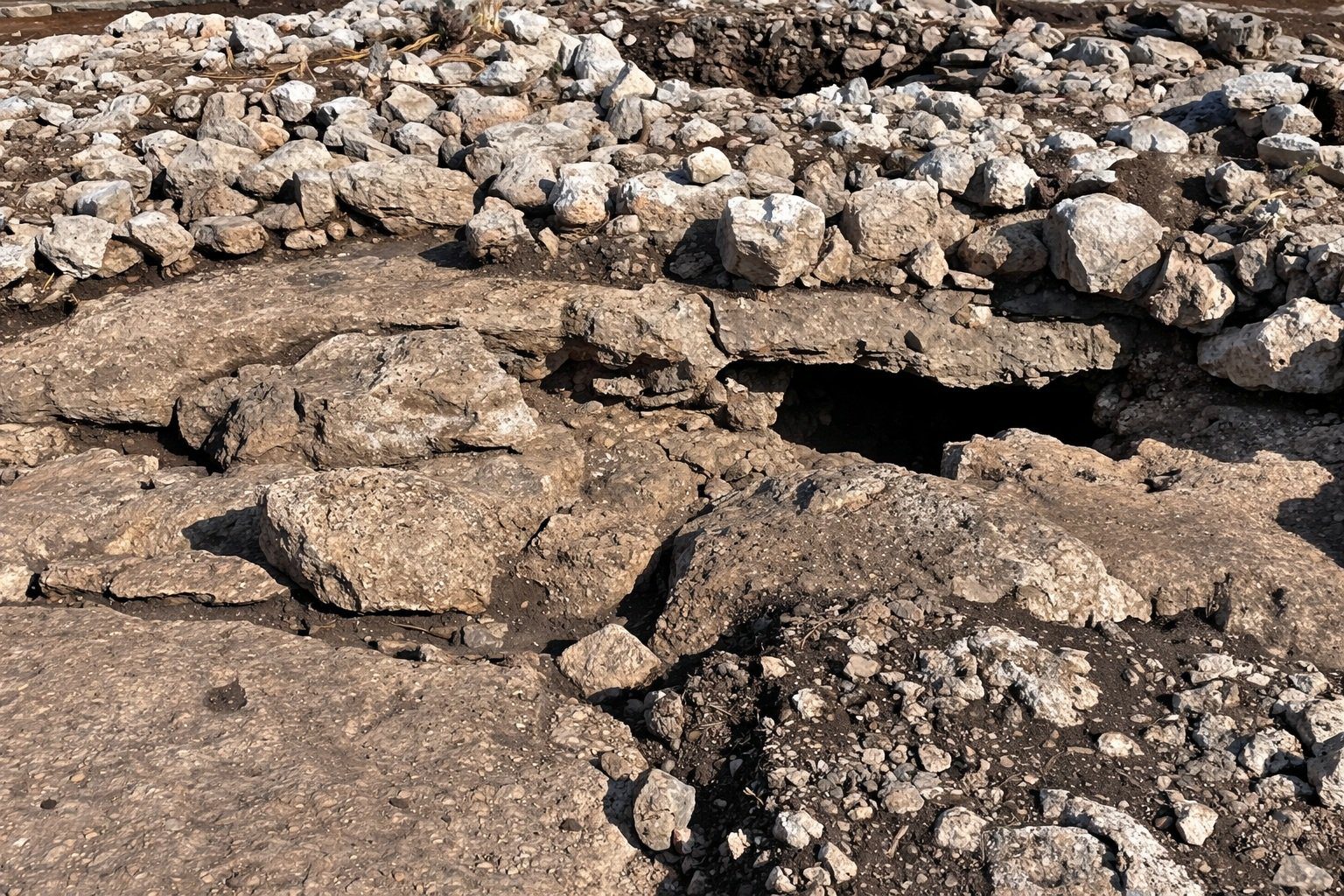
Nearby, researchers identified a small rock shelter measuring roughly 1.10 by 0.50 meters that contained additional ritual materials. Inside the cavity, archaeologists found ceramic fragments, animal bone remains—likely from a deer—and a marine snail shell.
Placing offerings in natural cavities such as rock shelters appears to have been a deliberate ritual act intended to symbolically connect the earthly realm with the underworld, a concept central to Maya cosmology.
Deer Symbolism in Maya Belief
The presence of deer remains within the offering may hold particular ritual significance.
According to project coordinator Susana Echeverría Castillo, the deer occupied an important symbolic role in Maya culture.
“The presence of deer remains in the offering suggests symbolic implications linked to Maya belief systems,” she explained. “In Maya cosmology the deer was associated with human life and was often considered a lord of the mountains and a provider of well-being.”
Archaeologists believe the placement of vessels containing deer remains may reflect ritual expressions of prosperity and environmental abundance during the period when the platform was constructed.
Evidence of Preclassic Maya Ceremonial Activity
A second ritual deposit located about one meter west of the first offering contained additional materials, including ceramic vessels from the Middle to Late Preclassic period, more deer bones, and a circular limestone bead.
Together, these elements reinforce the interpretation that the area was ritually consecrated before the construction of the platform, a ceremonial tradition widely practiced throughout Mesoamerica.
Historical sources suggest that placing offerings beneath newly built structures was deeply rooted in Indigenous ritual practices, and in some regions these traditions persisted even after the Spanish conquest.
Insights into Early Maya Community Life
The discovery offers valuable clues about how early Maya communities structured communal spaces and reinforced social identity through ritual activity.
Rather than functioning as a residence or elite building, the platform appears to represent a shared ceremonial space where collective decisions, gatherings, and symbolic acts could take place.
Such findings help archaeologists better understand how ritual, architecture, and community organisation intersected in early Maya settlements.
The excavation team also includes Ricardo Antorcha Pedemonte, Head of Field Operations for Front 1, and archaeologist Luis Ángel Hernández Libreros, who oversees excavation activities in the area.
As fieldwork continues, researchers expect further discoveries that may reveal additional aspects of daily life, ritual practice, and settlement organisation among early Maya populations in northern Yucatán.
Cover Image Credit: Iván Sosa