-
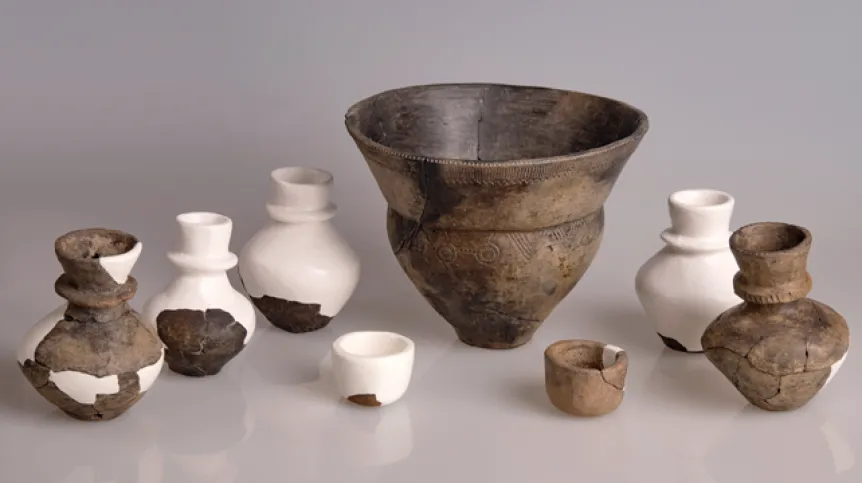
5,500-Year-Old Ritual Vessels in Poland Reveal Dairy Feasts Linked to Women-Led Ceremonies
A set of carefully crafted ceramic vessels unearthed in central Poland is shedding new light on how Neolithic communities gathered, ate, and marked important moments together. The objects, dating back roughly 5,500 years, appear to have been used during ritual feasts involving processed dairy products—and may point to ceremonies shaped largely by women. The discovery…
-
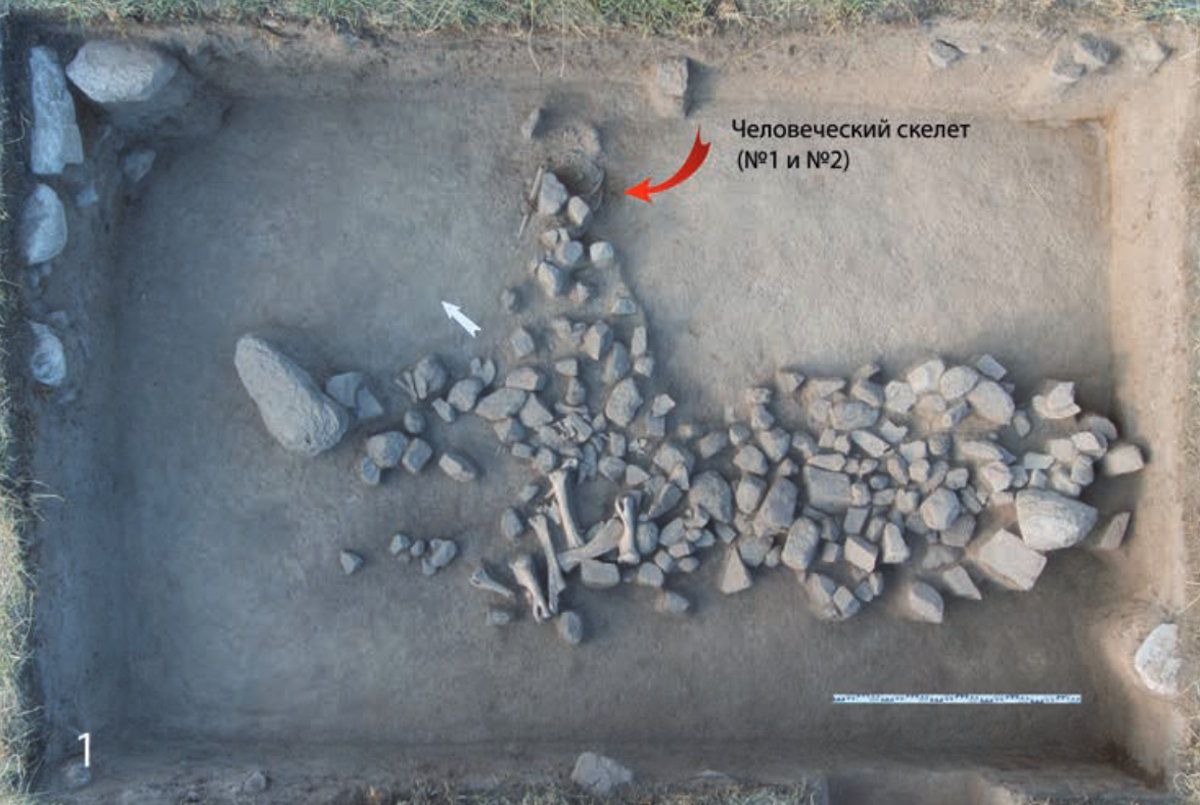
7,000-Year-Old Neolithic Burial Unearthed in Kazakhstan Marks the Country’s Earliest Known Human Grave
A team of archaeologists has uncovered Kazakhstan’s oldest known human burial at the Koken settlement, revealing a chapter of human history that predates the dawn of herding and agriculture in the region. Radiocarbon analysis dates the discovery to around 7,000 years ago, offering the first direct evidence of human presence in the Kazakh steppe during…
-
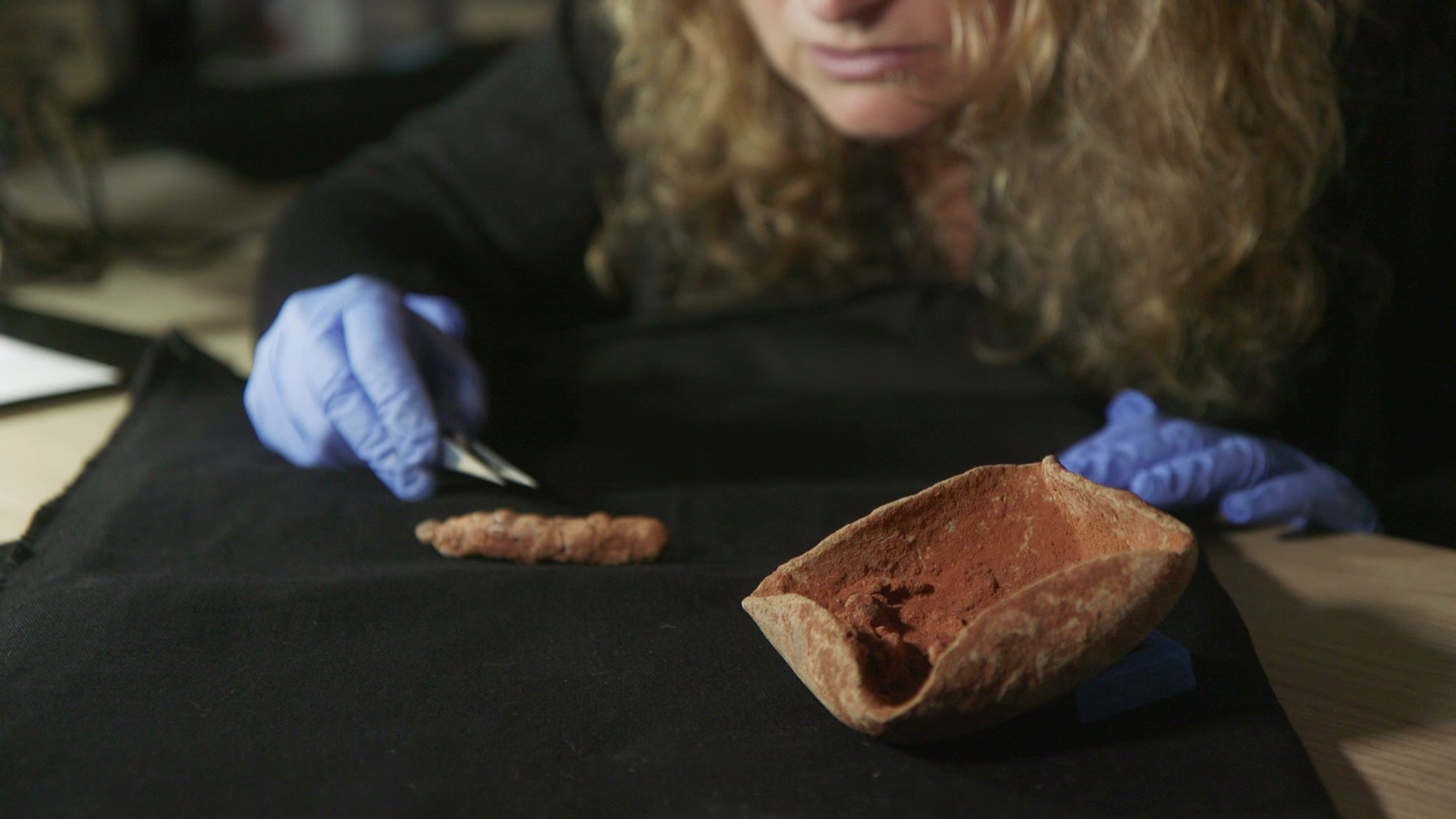
4,000-Year-Old “Ner Neshama”: Rare Ancient Lamp Wicks Discovered in Israel
In a groundbreaking archaeological discovery, rare 4,000-year-old lamp wicks have been unearthed at the Newe Efraim antiquities site, offering an unprecedented glimpse into Intermediate Bronze Age (c. 2500–2000 BCE) lighting practices. Preserved inside clay lamps, these wicks are among the oldest known in the world and provide unique insights into the symbolic and practical role…
-
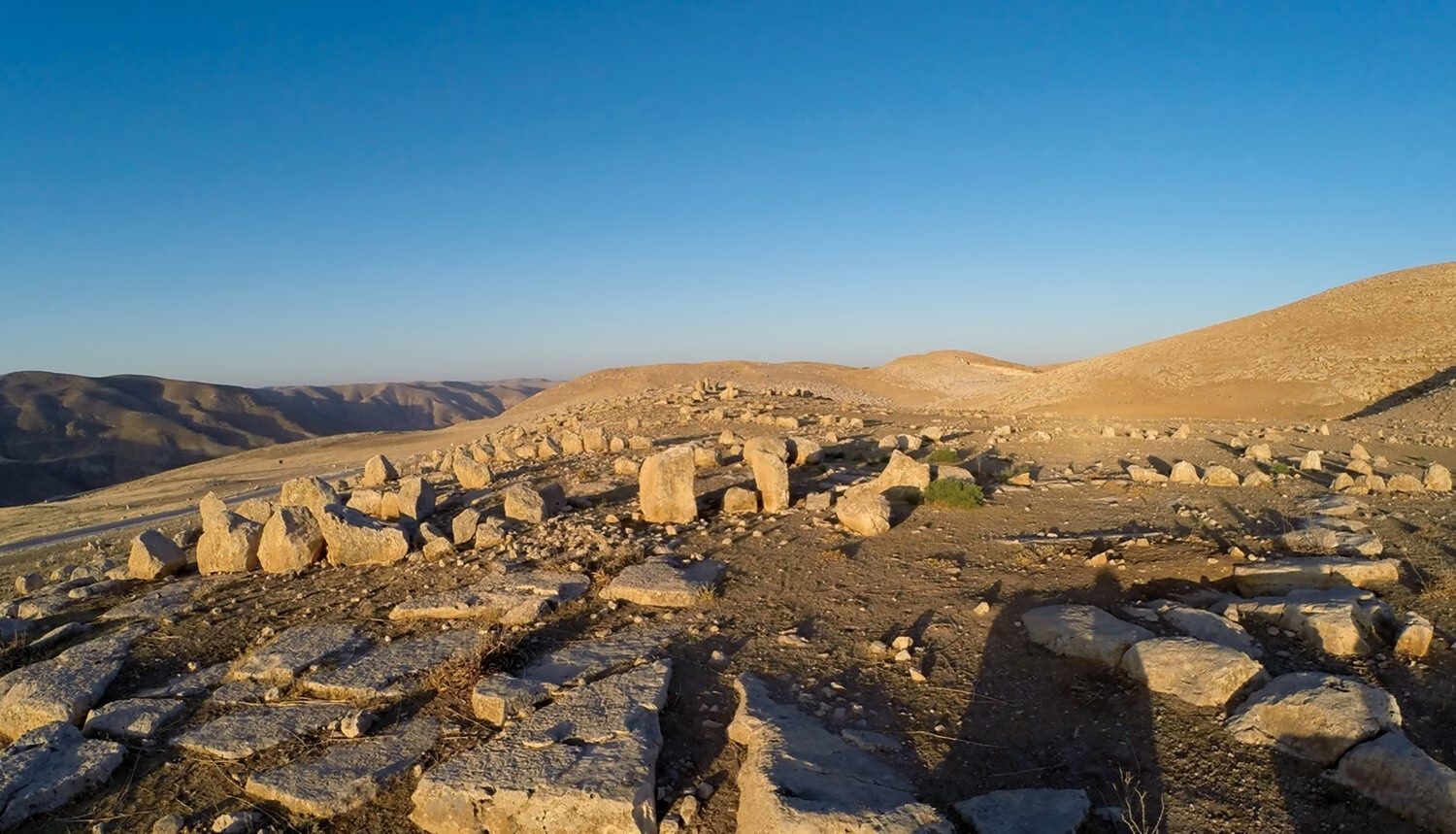
5,000-Year-Old Memory Stones: Mysterious Ceremonial Complex Unearthed in Jordan
Archaeological excavations in Murayghat, Jordan, have revealed a stunning ceremonial complex dating back to the Early Bronze Age. Featuring monumental dolmens, towering standing stones, and large-scale non-domestic architecture, the site offers rare insights into how ancient communities responded to crisis by reinventing belief and belonging. The project is led by Associate Professor Dr. Susanne Kerner…